
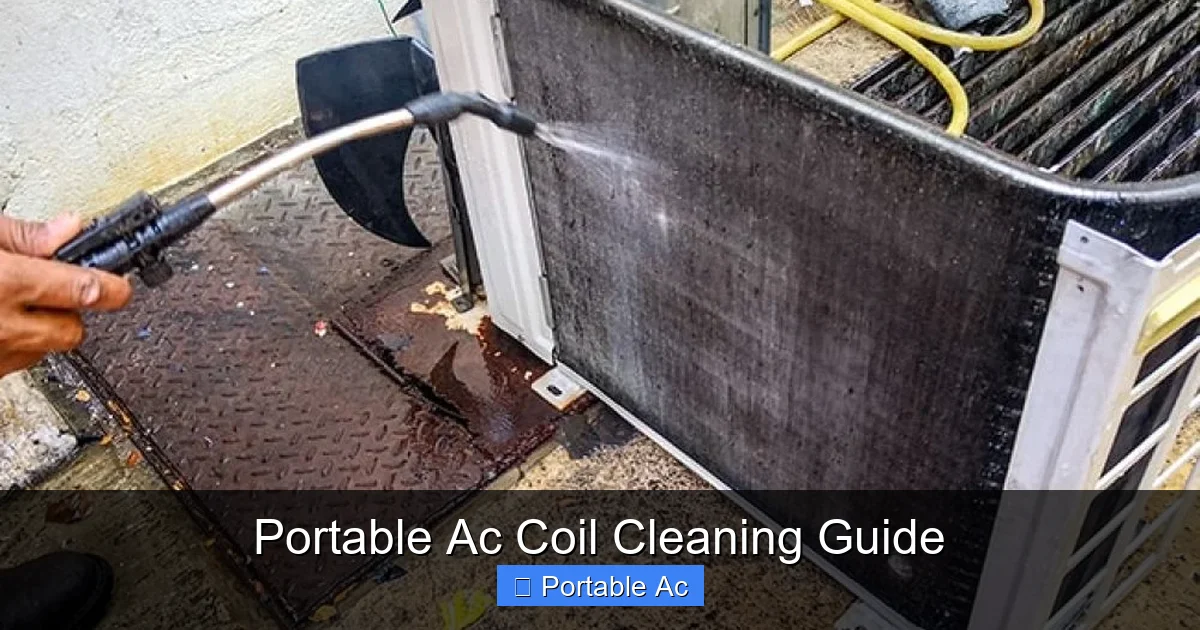
Keep your portable AC running cool and efficient by regularly cleaning its coils—dirty coils reduce airflow, strain the compressor, and increase energy use. This Portable Ac Coil Cleaning Guide walks you through simple, safe steps to clean both evaporator and condenser coils using everyday tools. With just 15 minutes every few months, you’ll enjoy better cooling, fewer repairs, and a longer-lasting unit.
Hey there! If you’ve ever noticed your portable AC blowing warm air, taking forever to cool a room, or making strange noises, chances are your coils are clogged with dust and debris. Don’t worry—you’re not alone. Many homeowners overlook one of the simplest yet most impactful ways to keep their portable AC running smoothly: regular coil cleaning. In this Portable Ac Coil Cleaning Guide, we’ll walk you through exactly how to clean your portable AC coils like a pro—without needing a technician or expensive tools.
Portable air conditioners are a lifesaver during hot summer months, especially in homes without central air. But like any appliance, they need care to perform at their best. The heart of your portable AC lies in its coils—two key components that transfer heat from inside your home to the outside. Over time, these coils collect dirt, pet hair, lint, and even mold, which acts like insulation and blocks proper airflow. When airflow is restricted, your AC struggles to cool effectively, uses more energy, and can eventually overheat or break down.
In this comprehensive guide, we’ll cover everything from identifying dirty coils to choosing the right cleaning products and maintaining cleanliness between deep cleans. Whether you’re a first-time portable AC owner or just looking to up your maintenance game, this guide will help you breathe new life into your unit.
Key Takeaways
- Dirty coils lower efficiency: Dust buildup restricts airflow, forcing your portable AC to work harder and consume more electricity.
- Cleaning prevents breakdowns: Regular coil maintenance reduces wear on the compressor and extends your unit’s lifespan.
- Two main coils need attention: Focus on both the indoor evaporator coil and outdoor condenser coil for optimal performance.
- Use the right tools: A soft brush, vacuum with hose attachment, and coil cleaner are essential for effective cleaning.
- Safety comes first: Always unplug your unit before starting and let it fully defrost if needed.
- Frequency matters: Clean coils every 3–6 months or after heavy dust exposure (e.g., near construction or pets).
- Prevent future buildup: Keep filters clean and ensure proper ventilation around your portable AC.
Quick Answers to Common Questions
How do I know if my portable AC coils are dirty?
Signs include reduced cooling performance, longer run times, higher energy bills, and visible dust or mold on the coils. You may also hear the compressor struggling.
Can I clean portable AC coils without disassembling the unit?
In some cases, you can gently vacuum the accessible coil through the front grille, but full cleaning usually requires removing panels for safety and effectiveness.
Is it safe to use household cleaners on AC coils?
Only use HVAC-specific, non-corrosive coil cleaners. Avoid bleach, ammonia, or abrasive sprays—they can damage fins and harm indoor air quality.
Will cleaning my coils fix a frozen evaporator coil?
Not necessarily. Frozen coils often result from low refrigerant, dirty filters, or airflow blockage. Cleaning helps, but you may need to address the root cause first.
How long does it take to clean portable AC coils?
Typically 15–30 minutes for a complete clean, depending on how dirty the coils are and whether you’re cleaning both indoor and outdoor sections.
📑 Table of Contents
Why Portable AC Coil Cleaning Matters
Your portable air conditioner relies on two critical heat exchange surfaces: the evaporator coil (inside) and the condenser coil (outside). These aluminum fins absorb and release heat as refrigerant flows through them. When they get covered in grime, the process becomes inefficient.
Think of it like trying to run a marathon while wearing a thick winter coat—your body heats up fast, but you’re not actually moving efficiently. That’s what happens when coils are dirty. Reduced airflow means your compressor has to run longer cycles to achieve the same cooling effect. This not only increases your electricity bill but also puts extra stress on internal parts, shortening the life of your machine.
According to energy experts, a clean coil can improve your portable AC’s efficiency by up to 15%. Plus, removing dust and mold reduces indoor air contaminants—something especially important for people with allergies or respiratory issues. So yes, coil cleaning isn’t just about performance—it’s about health, savings, and peace of mind.
How Often Should You Clean Portable AC Coils?
Visual guide about Portable Ac Coil Cleaning Guide
Image source: cielowigle.com
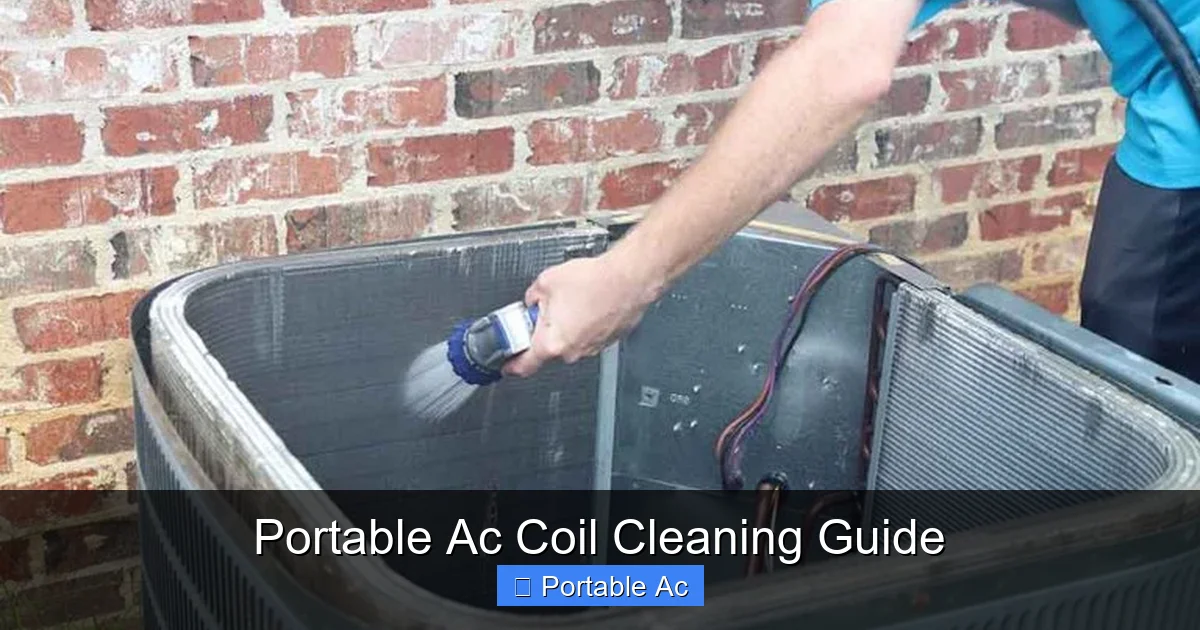
Timing is everything when it comes to portable AC maintenance. How often you should clean your coils depends on usage patterns, environment, and how well you maintain other parts of the system.
For most households, cleaning the coils every 3 to 6 months is ideal. If you live in a dusty area, have pets that shed heavily, or use your portable AC daily during peak summer, consider doing it every 90 days. On the flip side, if you only run your unit occasionally and keep the filter clean, once every six months may suffice.
But don’t wait for signs of trouble. Prevention beats repair every time. And since coil cleaning takes less than 30 minutes, it’s an easy habit to build into your seasonal checklist alongside changing filters and checking hoses.
Tools & Supplies Needed for Coil Cleaning
Visual guide about Portable Ac Coil Cleaning Guide
Image source: cielowigle.com
You don’t need a professional toolkit to clean your portable AC coils—just a few basic items you might already own. Here’s what to gather before you start:
– Soft-bristle brush: A toothbrush works great for tight spaces; a paintbrush with natural bristles is gentler on delicate fins.
– Vacuum with hose attachment: Use this to gently suck away loose dust before brushing.
– Coil cleaner spray: Choose a non-corrosive, EPA-approved formula designed for HVAC systems. Avoid harsh chemicals that could damage rubber seals or harm your health.
– Bucket of warm water: For rinsing if recommended by your cleaner.
– Microfiber cloth: To wipe down coils after cleaning.
– Safety gear: Gloves and goggles are optional but helpful if you’re sensitive to dust or cleaning fumes.
Pro tip: Check your owner’s manual first—some manufacturers void warranties if you use certain solvents or methods. It’s always safer to follow their guidelines.
Step-by-Step Guide to Cleaning Portable AC Coils
Visual guide about Portable Ac Coil Cleaning Guide
Image source: hurleyanddavid.com
Ready to roll up your sleeves? Follow these clear steps to safely and effectively clean both your indoor and outdoor coils.
Step 1: Power Down & Unplug Your Unit
Safety first! Turn off your portable AC and unplug it from the wall. Never attempt to clean electrical components while powered on. If your model has a water tank, empty it completely to avoid spills during cleaning.
Step 2: Remove the Front Panel & Access Panels
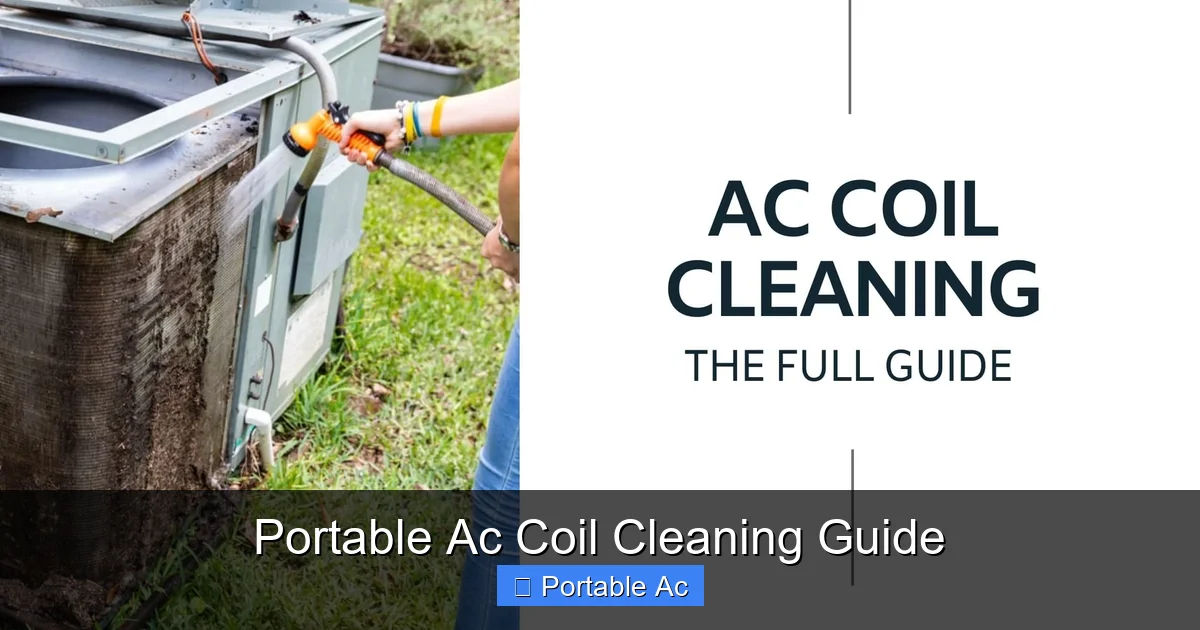
Most portable ACs have removable front grilles or side panels that give access to the evaporator coil. Consult your manual for exact locations—usually secured by clips or screws. Set aside screws carefully so you don’t lose them.
Step 3: Defrost if Necessary
If your unit has been running continuously and shows ice buildup, allow it to shut off naturally and defrost for at least 2 hours. Ice blocks airflow and makes cleaning difficult. You can speed this up by turning off the thermostat or switching to fan mode.
Step 4: Vacuum Loose Debris
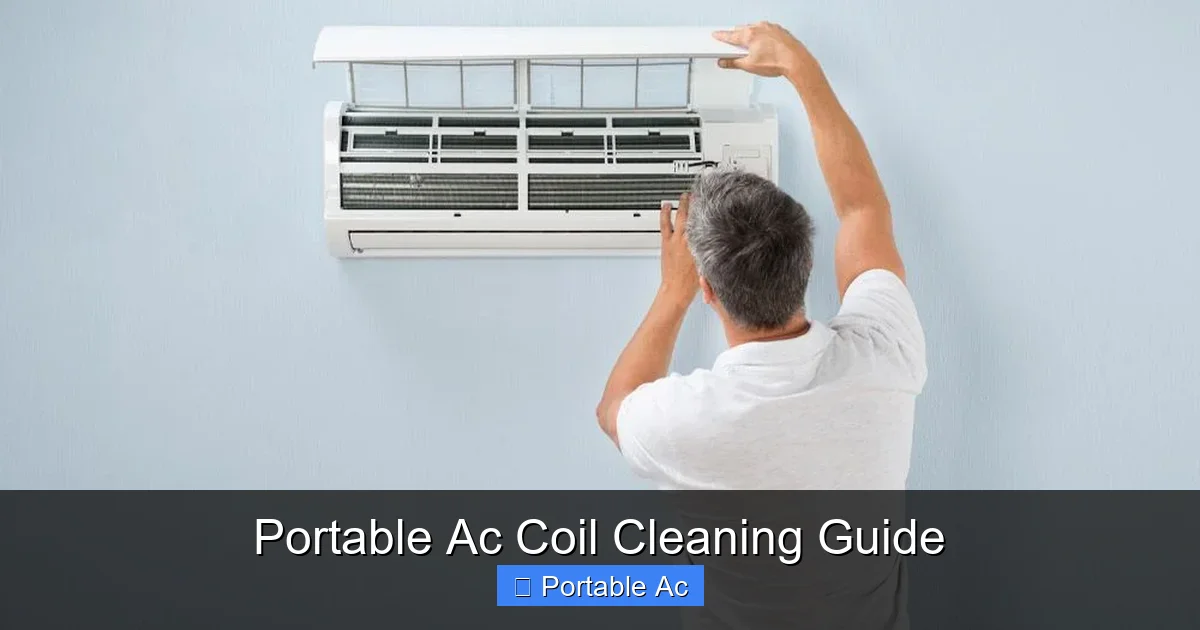
Attach your vacuum’s hose to the suction end and gently go over the coil fins. Work from top to bottom, using short bursts to avoid bending delicate aluminum. This removes the bulk of dust without damaging the surface.
Step 5: Brush Away Stubborn Grime
Using your soft brush, sweep along the fin direction (from base to tip) to dislodge stuck particles. Never scrub perpendicularly—this bends fins and reduces heat transfer efficiency. For stubborn spots, lightly dampen the brush with water or cleaner solution.
Step 6: Apply Coil Cleaner
Spray the manufacturer-recommended cleaner evenly across the coil surface. Let it sit according to instructions—usually 5–10 minutes—to break down oils and mildew. Some models allow light rinsing with water; others recommend wiping dry only. Again, check your manual!
Step 7: Rinse & Dry Thoroughly
If rinsing is allowed, use lukewarm water and a gentle stream directed at the back of the coil (not the front where electronics are). Then pat dry with a microfiber towel. Ensure no moisture remains before reassembling.
Step 8: Reassemble & Test
Put all panels back securely, plug in your unit, and turn it on. Run it in cooling mode for 15 minutes to verify normal operation and listen for unusual sounds.
Cleaning the Outdoor Condenser Coil
Unlike the indoor evaporator coil, the outdoor condenser coil is exposed but still needs regular attention—especially if your portable AC vents outward through a window or exterior wall.
To clean it:
– Turn off power to the unit at the circuit breaker.
– Remove the front or side panel covering the condenser section.
– Use your vacuum to remove large debris.
– Gently brush fins using the same top-to-bottom motion.
– Spray with coil cleaner and wipe clean.
– Replace panels and restore power.
Note: Never use high-pressure washers—they force water into electrical components and bend fins permanently.
Troubleshooting Common Coil Cleaning Issues
Even with careful cleaning, you might run into hiccups. Here’s how to handle them:
– Bent fins: Use a fin comb (available online) to straighten misaligned blades. Apply gentle pressure from behind.
– Persistent mold: Mix equal parts vinegar and water, spray on affected areas, wait 10 minutes, then rinse. Repeat if needed.
– Unit won’t turn on after cleaning: Double-check connections and ensure no water pooled near controls. Wait 1 hour before restarting.
If problems persist, consult your manual or contact support—it could indicate deeper issues like refrigerant leaks or motor failure.
Maintaining Clean Coils Between Deep Cleans
Deep cleaning is great, but daily upkeep keeps your coils cleaner longer. Here’s how:
– Change or wash the air filter monthly (or weekly in high-dust environments).
– Keep the area around your portable AC unobstructed—at least 12 inches of clearance helps airflow.
– Vacuum the intake vent weekly to prevent lint buildup.
– Inspect the exhaust hose for blockages or kinks monthly.
These small habits make a big difference in coil longevity and overall system health.
Frequently Asked Questions
Should I clean the coils before or after storing my portable AC?
Always clean coils before storage to prevent mold growth and residue buildup. A clean unit stays fresher longer and performs better when reused.
Can pet hair clog portable AC coils?
Yes, especially in homes with shedding pets. Pet hair mixes with dust to form sticky mats that block airflow and reduce efficiency.
What happens if I ignore coil cleaning?
Ignoring coil cleaning leads to decreased efficiency, increased energy costs, potential compressor failure, and poor indoor air quality due to circulating dust and mold.
Are there eco-friendly alternatives to commercial coil cleaners?
White vinegar mixed with water works for light cleaning, but commercial cleaners are formulated specifically for HVAC systems and provide deeper results.
Do all portable AC models require the same cleaning method?
While general principles apply, always refer to your specific model’s manual. Some units have sealed coils or unique access points that require special care.
Can I rent a professional coil cleaning service?
Professional services exist but aren’t typically cost-effective for portable ACs. DIY cleaning with basic tools is usually sufficient and saves money.
