
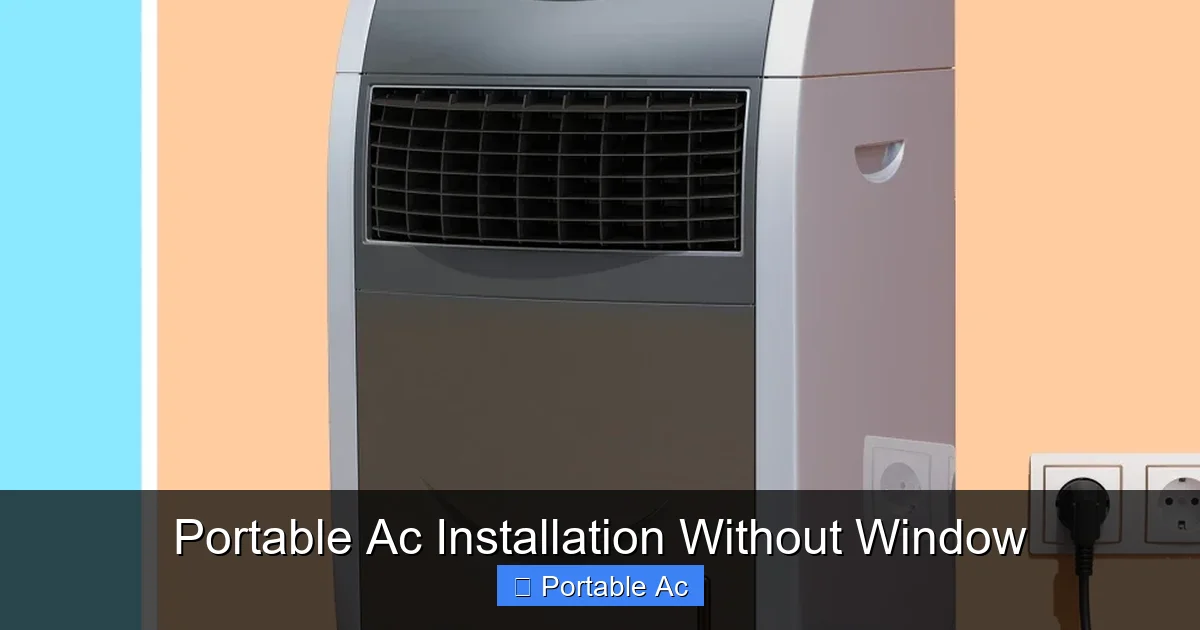
Installing a portable air conditioner without a window is totally doable—even if you’re renting or live in an apartment with no balcony or exterior wall access. With the right tools and a little planning, you can cool your space quickly and efficiently. This guide walks you through every step, from choosing the best portable AC model to setting up alternative venting systems that work indoors or outdoors.
Key Takeaways
- Portable ACs don’t always need windows: Many modern units include flexible hoses and adapters that let you vent heat through interior doors, hallways, or even into a closet.
- Window kit alternatives exist: If you can’t use a traditional window kit, consider using a sliding glass door kit, a wall vent adapter, or redirecting the hose through a pet door or under a door.
- Energy efficiency matters: Look for models with dual-hose systems and high EER ratings to minimize wasted cool air and reduce electricity bills.
- Proper placement prevents leaks: Always place your unit on a level surface near the room you’re cooling, and ensure the exhaust hose has minimal bends to avoid condensation buildup.
- Noise levels affect comfort: Choose a quiet portable AC (under 55 dB) if you plan to run it at night or in bedrooms.
- Maintenance keeps performance high: Clean filters weekly and empty the water tank regularly to maintain airflow and prevent mold.
- Rental-friendly options are available: Non-permanent installations like adhesive vent kits or magnetic hose extensions make it easy to set up and remove without damaging walls.
Quick Answers to Common Questions
Can I run a portable AC through a regular door?
Yes, but only if the door has a gap at the bottom. Slide the hose under and seal loosely with a towel or foam board. For best results, use a dual-hose model to prevent cool air from leaking back in.
Do I need permission to drill a hole for the exhaust hose?
It depends on your lease agreement. Always ask your landlord before making structural changes. In many cases, small holes for exhaust purposes are acceptable—especially if they’re easily repairable.
Are single-hose portable ACs useless without windows?
Not useless—just less efficient. Single-hose units create negative pressure that pulls cool air back into the room unless balanced with an external intake (like a cracked window). Dual-hose models perform better in windowless setups.
How loud should a portable AC be during operation?
Look for models rated below 55 decibels for bedroom use. Quieter units often include sleep mode or variable fan speeds. Check reviews in articles like Best Portable AC With Sleep Mode for sound comparisons.
What if my portable AC keeps leaking water?
Leaks usually stem from improper slope in the drain tube or a full condensate tank. Ensure the unit sits level and empty the tank regularly. Models with auto-evaporation reduce manual draining needs—see Best Portable AC That Does Not Leak Water for recommendations.
📑 Table of Contents
- Can You Really Install a Portable AC Without a Window?
- Understanding How Portable ACs Work Without Windows
- Best Ways to Vent a Portable AC Without a Window
- Choosing the Right Portable AC for Windowless Installation
- Step-by-Step Setup Guide: Portable AC Without Window
- Common Mistakes to Avoid
- When to Consider Other Cooling Options
- Final Thoughts: Freedom From Window Dependence
Can You Really Install a Portable AC Without a Window?
If you’ve ever searched for ways to beat the heat but found yourself stuck in a rental with no window—or worse, only small, non-opening windows—you’re not alone. Traditional window air conditioners require a physical opening to expel hot air outside. But portable ACs were designed with flexibility in mind. Most come with a built-in exhaust hose and a window venting kit, which usually includes a collapsible panel that slides into a standard-sized window. However, what happens when there’s no window—or the window is too small, fixed, or blocked?
The good news? Yes, you absolutely can install a portable AC without a window—no drilling, no permanent modifications required. The key lies in understanding how your unit vents heat and exploring creative, safe alternatives. Whether you’re cooling a studio apartment, a basement office, or a sunroom without exterior access, this guide will show you exactly how to make it happen.
Understanding How Portable ACs Work Without Windows
The Role of the Exhaust Hose
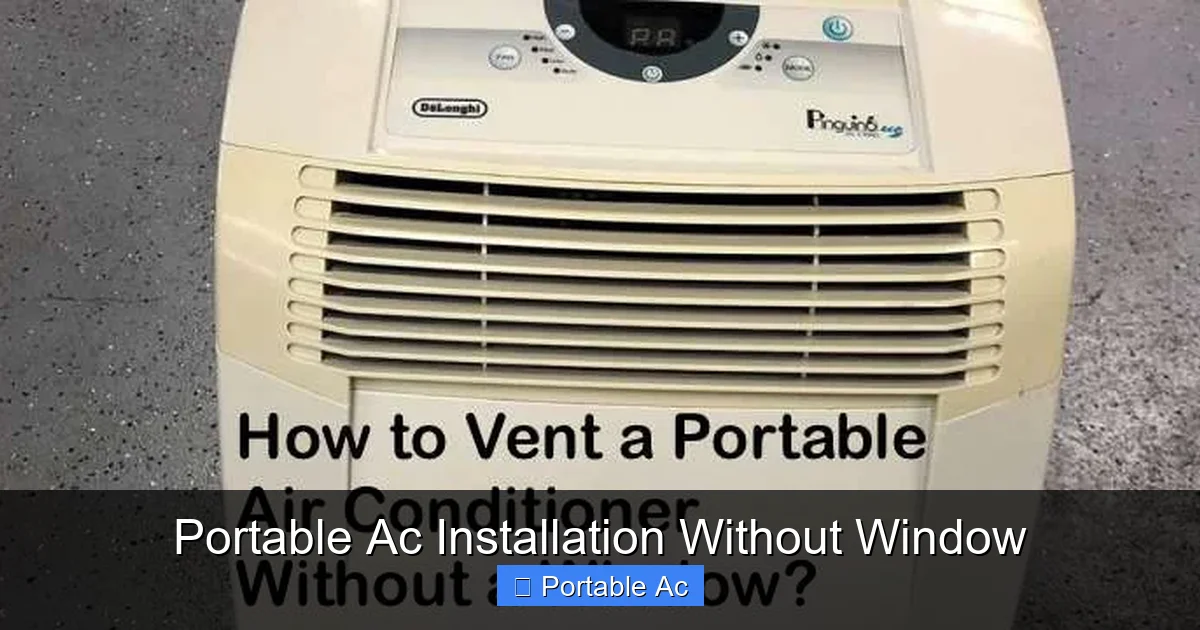
Every portable air conditioner uses refrigerant cycles to absorb heat from indoor air and release it outside. That process requires an exhaust hose—usually about 5–6 feet long—to carry warm, moist air away from your living space. Traditionally, this hose connects to a window vent kit that seals tightly against the sill or frame. But when no window is available, you need another way to route that hot air out.
Visual guide about Portable Ac Installation Without Window
Image source: cdn.h2ouse.org
Most manufacturers include multiple venting options in the box: some have universal kits that fit sliding doors, others offer wall adapters, and many allow you to run the hose through interior spaces like closets or hallways. The trick is matching your home layout to one of these solutions while keeping energy loss to a minimum.
Why Venting Matters
Poorly routed exhaust hoses can cause serious efficiency drops. If the hose kinks or bends sharply, cool air from inside leaks back into the room instead of being expelled. This forces your unit to work harder, increasing energy consumption and reducing cooling power. In extreme cases, moisture can condense and drip—leading to water damage or mold growth.
So whether you’re using a window kit, a sliding door adapter, or rerouting the hose through a doorway, proper airflow is essential. Keep the hose as straight and short as possible, avoid sharp angles, and never coil it tightly around the unit.
Best Ways to Vent a Portable AC Without a Window
1. Use a Sliding Glass Door Kit
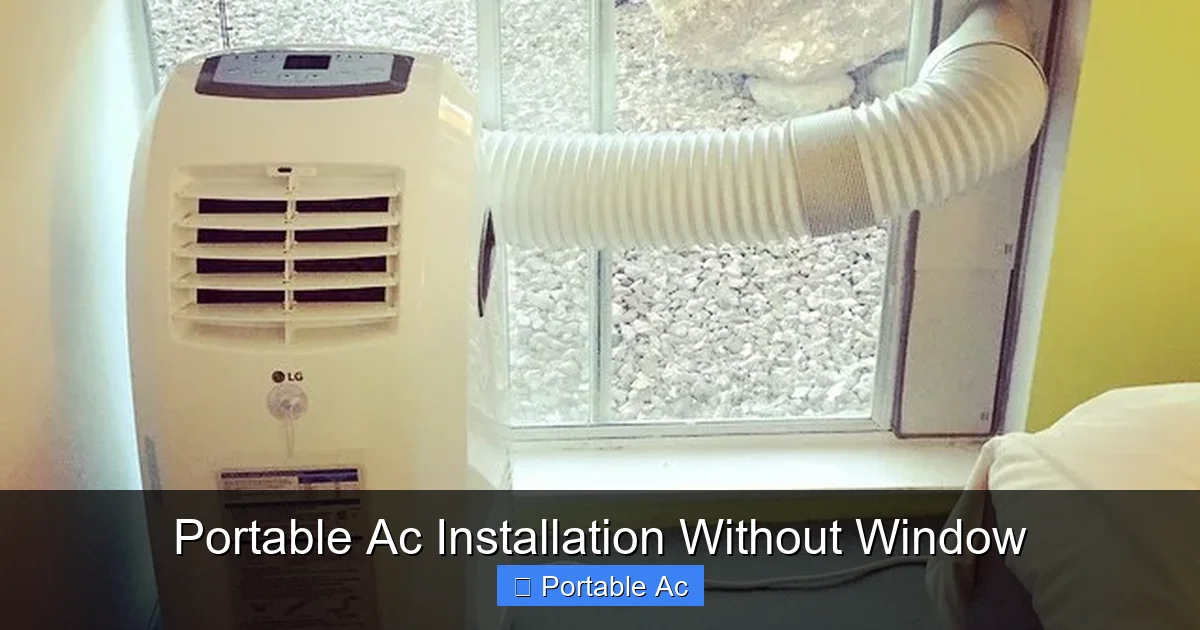
If your building has a sliding glass door—even if it’s just a patio door—this might be your best bet. Many portable AC manufacturers make specialized kits for sliding doors. These typically include a magnetic flap or adjustable bracket that attaches securely to the door track. The flap opens outward, allowing the exhaust hose to exit cleanly without letting cold air escape.
Visual guide about Portable Ac Installation Without Window
Image source: americanhomewater.com
For example, the Best Portable AC Without Window Kit Hassle article reviews several models with excellent sliding-door compatibility. Brands like LG, Honeywell, and Whynter offer kits that seal tightly and resist drafts.
2. Redirect Through Interior Spaces
In some homes—especially older apartments or townhouses—the exterior wall behind the kitchen or bathroom may be accessible via a closet or laundry area. If so, you can drill a small hole through the wall (if allowed by your lease) and run the hose directly outside. Just make sure the hole is sealed properly with foam insulation or weatherstripping to prevent air leakage.
Alternatively, if you have a large walk-in closet adjacent to the room you’re cooling, you can route the hose through the closet ceiling into a hallway or common area. Some users even tuck the hose behind furniture or along baseboards, though this isn’t ideal for long-term use due to dust accumulation and reduced airflow.
3. Pet Doors & Under-Door Gaps
Yes—your cat’s pet door can double as an AC exhaust! Cut a slit in the rubber flap just wide enough for the hose diameter. Secure the hose with zip ties or duct tape so it doesn’t slip back inside. While not the most elegant solution, it’s surprisingly effective for small rooms and works well in basements or ground-floor units.
Another clever trick: slide the hose under a slightly open interior door. Just leave a gap of at least 1 inch at the bottom. To improve sealing, add a towel or foam board underneath temporarily. This method works best in buildings with shared ventilation shafts or stairwells where heat can dissipate naturally.
4. Wall-Mounted Adapters (If Permitted)
In rare cases—like basement apartments with crawlspaces or attics—you might be able to install a wall-mounted vent adapter. These resemble mini window kits but mount flush against the exterior siding. They often require permission from landlords and may violate building codes, so check local regulations first.
If you’re handy with tools and have landlord approval, brands like Best Portable AC For Rooms With No Exhaust Window highlight models compatible with third-party wall adapters. Always use UL-listed components and consult a professional if unsure.
Choosing the Right Portable AC for Windowless Installation
Dual-Hose vs. Single-Hose Systems
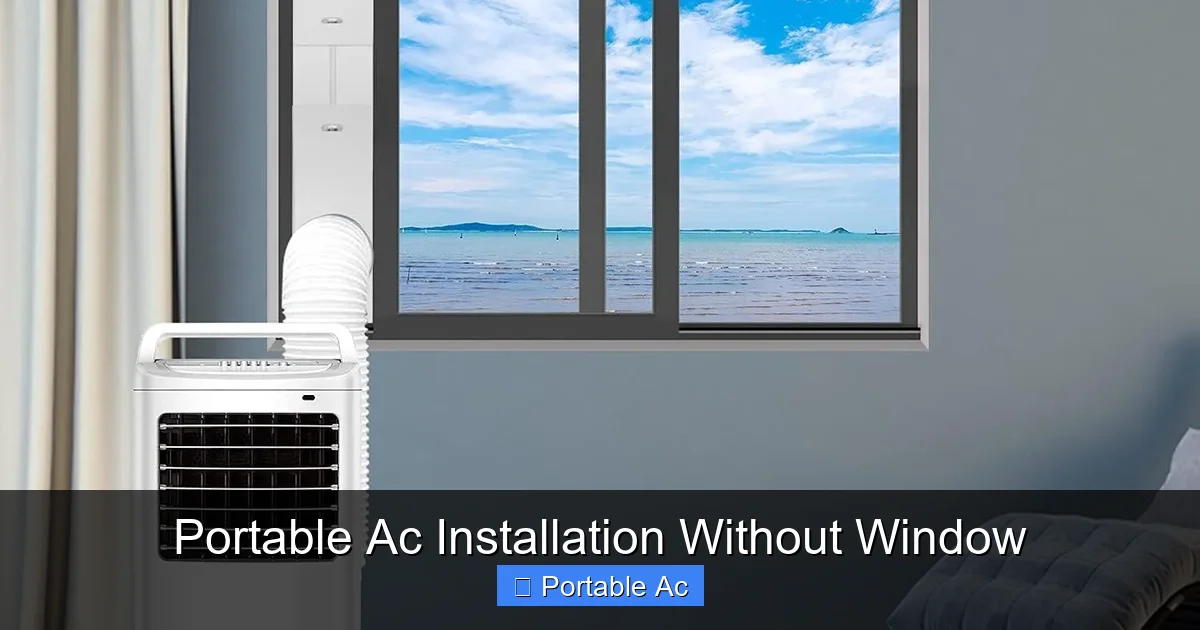
This is arguably the most important factor when installing a portable AC without a window. Dual-hose models pull fresh air from outside through one hose while exhausting waste air through the other. This creates a closed-loop system that prevents cool air from escaping—making them far more efficient in windowless setups.
Visual guide about Portable Ac Installation Without Window
Image source: storables.com
Single-hose units rely entirely on negative pressure: they suck air from the room to balance the outgoing exhaust. That means half your cooled air gets pushed back into the room through gaps around doors or windows—defeating the purpose. Unless you’re using an external intake (like a window left slightly open), dual-hose is strongly recommended.
Look for Built-In Drainage Solutions
Without a window, condensation becomes a bigger concern. Some portable ACs feature self-evaporative systems that recycle most condensed water back into the cooling cycle, reducing the need to empty the tank constantly. Others include gravity-fed drainage ports or optional pump attachments.
Models listed in Best Portable AC That Does Not Need Draining are perfect for windowless environments. They’re ideal for renters who want low-maintenance operation.
Size and BTU Rating Matter
Don’t oversize your unit. A 14,000 BTU portable AC is overkill for a 300 sq ft room and will cycle on/off frequently, wasting energy. Conversely, a 7,000 BTU model won’t cool a 500 sq ft space effectively. Use our Best Portable AC Under $400 guide to find affordable, appropriately sized options.
Step-by-Step Setup Guide: Portable AC Without Window
Gather Your Tools
- Portable AC unit
- Exhaust hose (included)
- Vented outlet or alternative exit point
- Duct tape or zip ties
- Towel or foam board (for under-door gaps)
- Screwdriver (if mounting brackets needed)
Placement Tips
Position your AC on a flat, elevated surface like a table or shelf—never directly on carpet. Leave at least 6 inches of clearance around all sides for proper airflow. Place it as close as possible to the center of the room you’re cooling to minimize hose length.
Connect the Hose to Your Exit Point
Whether you’re using a sliding door, pet door, or under-door gap, secure the hose firmly. Use duct tape to seal any loose edges and prevent air leaks. For under-door setups, test by running the AC briefly—if cold air starts coming back in, increase the gap or add a barrier.
Power On and Test
Turn on the unit and listen for unusual noises. Check that the hose isn’t vibrating or slipping. Monitor the water tank (if applicable) and ensure condensation drains correctly. Adjust hose routing if needed until the room feels comfortably cool within 20–30 minutes.
Common Mistakes to Avoid
- Using a single-hose model without external intake: Results in poor efficiency and higher bills.
- Kinking or bending the hose more than 90 degrees: Cuts airflow and reduces cooling power.
- Running the hose through dusty areas: Dust clogs filters and spreads allergens.
- Placing the unit near curtains or soft furnishings: Blocks airflow and creates fire risk.
- Ignoring maintenance schedules: Dirty coils and filters drastically reduce performance.
When to Consider Other Cooling Options
If none of these solutions feel feasible—perhaps your building has strict rules against modifications or lacks any viable exit points—it’s worth evaluating alternatives. Fans, evaporative coolers (in dry climates), or smart thermostats paired with ceiling fans can supplement—but not replace—portable ACs in extreme heat.
For renters especially, investing in a high-quality portable AC with versatile venting is often cheaper and more flexible than negotiating permanent installations. Plus, you can move it between rooms as needed—something window units can’t do.
Final Thoughts: Freedom From Window Dependence
Portable air conditioners were invented precisely for situations like yours: people living in apartments, dorms, RVs, or temporary housing who need reliable cooling without permanent setups. Thanks to innovative designs and adaptable venting systems, you no longer have to choose between comfort and flexibility.
By selecting the right model, planning your vent path carefully, and following basic safety guidelines, you can enjoy consistent, energy-efficient cooling—even without a window. And the best part? No tools, no permits, no stress. Just cool air, wherever you need it.
Frequently Asked Questions
Can I install a portable AC without any kind of venting?
No. All portable ACs require some form of venting to expel hot air. Without it, the unit will overheat, lose efficiency, or shut off automatically. Even small openings like pet doors or under-door gaps count as valid exits.
Will my landlord approve a portable AC installation?
Many landlords allow portable ACs because they’re non-permanent and removable. Bring a written request explaining your cooling needs and offer to reinstall flooring or paint afterward. Mentioning energy-saving features may help your case.
How do I prevent mold from forming in my portable AC?
Clean the filter every two weeks and wipe down interior surfaces monthly. Empty the water tank daily during heavy use. Running the fan alone for 10 minutes after cooling helps evaporate residual moisture.
Is it safe to run the exhaust hose through a bedroom?
Yes, as long as the hose exits safely—either through a window, door, or approved opening. Just ensure it’s not draped over furniture or blocking pathways. Never run it through enclosed spaces like cabinets.
What’s the difference between a window kit and a wall adapter?
A window kit fits standard windows and includes a rigid panel plus sealing strips. A wall adapter mounts directly into an exterior wall and requires drilling. Wall adapters offer cleaner looks but need landlord permission and professional installation.
Can I use a portable AC in a tiny studio with no exterior walls?
Only if you have another way to vent—like a balcony, shared attic, or neighbor’s unit with a window. Otherwise, consider supplemental cooling: fans, blackout curtains, and dehumidifiers can help reduce perceived heat.
