
Portable AC airflow direction plays a huge role in how cool (or not) your space gets. Small tweaks—like aiming the vent or using a fan—can make a big difference. This guide shares simple, proven techniques to get the most out of your unit and beat the heat fast.
Ever stood in a room with your portable AC running, yet still sweating? You’re not alone. Many people assume that turning on the unit is enough to create a comfortable chill. But here’s the truth: portable ac airflow direction is just as important as the model you choose. It’s the difference between feeling like a cool breeze follows you around the room—or just a weak gust in one corner.
Portable air conditioners work by pulling warm air in, cooling it through an evaporator coil, and blowing it back into the room. At the same time, they expel hot, humid air outside via an exhaust hose. If the airflow isn’t directed properly, you end up with uneven cooling, wasted energy, and a higher electric bill. The good news? With a few smart adjustments, you can turn a lukewarm disappointment into a refreshing retreat.
In this article, we’ll walk you through practical, easy-to-follow tips to master portable ac airflow direction. Whether you’re cooling a small apartment, a bedroom, or even a home office, these strategies will help you get the most out of your investment. Let’s dive in.
Key Takeaways
- Direct airflow toward people: Point the vent where you spend the most time to feel cooler instantly.
- Avoid dead zones: Use oscillating modes or manual swivel to cover empty corners and reduce hot spots.
- Close doors and windows: Prevent warm air from entering so your AC works smarter, not harder.
- Use ceiling fans: They help spread cold air evenly instead of just blowing it in one spot.
- Clean the filter regularly: A clean filter ensures smooth airflow and better performance.
- Check the exhaust hose path: Keep it straight and unobstructed to maintain proper suction and airflow.
- Time your cooling cycles: Run the AC before you’re home to pre-cool the room and reduce runtime.
Quick Answers to Common Questions
Can I change the airflow direction while the AC is running?
Yes, always. Adjusting the vent louvers or oscillation settings while the unit is on is safe and helps fine-tune airflow instantly.
Should I point my portable AC vent upward?
Often, yes. Aiming slightly upward encourages cool air to rise naturally, creating better room-wide circulation through convection.
Does airflow direction affect energy bills?
Absolutely. Poor airflow forces the AC to run longer. Proper direction helps it cool faster, reducing electricity use and saving money.
What if my portable AC doesn’t have oscillation?
No problem. Manually swivel the vent daily to cover different areas. Consistency beats fancy features for small rooms.
How often should I clean the filter?
At least once a month during peak cooling months. Dirty filters block airflow and reduce efficiency significantly.
📑 Table of Contents
Why Airflow Direction Matters for Portable ACs
Think of your portable AC like a mini weather system. It doesn’t just “cool”—it moves air strategically. When the airflow is misaligned, the cool air goes nowhere useful. Instead, it might hit the wall, bounce back, or mix poorly with warmer air. That’s why how you aim your portable AC directly affects comfort, energy use, and even humidity levels.
For example, if you point the vent straight at a window, you’re basically cooling the air near the glass, but leaving the rest of the room untouched. On the other hand, if you direct airflow toward high-traffic areas or seating zones, you create a personal cooling zone that feels instant and effective.
Additionally, proper airflow helps your AC run more efficiently. When cool air circulates well, the thermostat senses the temperature drop sooner, reducing runtime. This saves energy and extends the life of your compressor. So, mastering portable ac airflow direction isn’t just about comfort—it’s about smart cooling.
The Anatomy of Your Portable AC’s Airflow System
Visual guide about Portable Ac Airflow Direction Tips
Image source: airpurifierissues.com
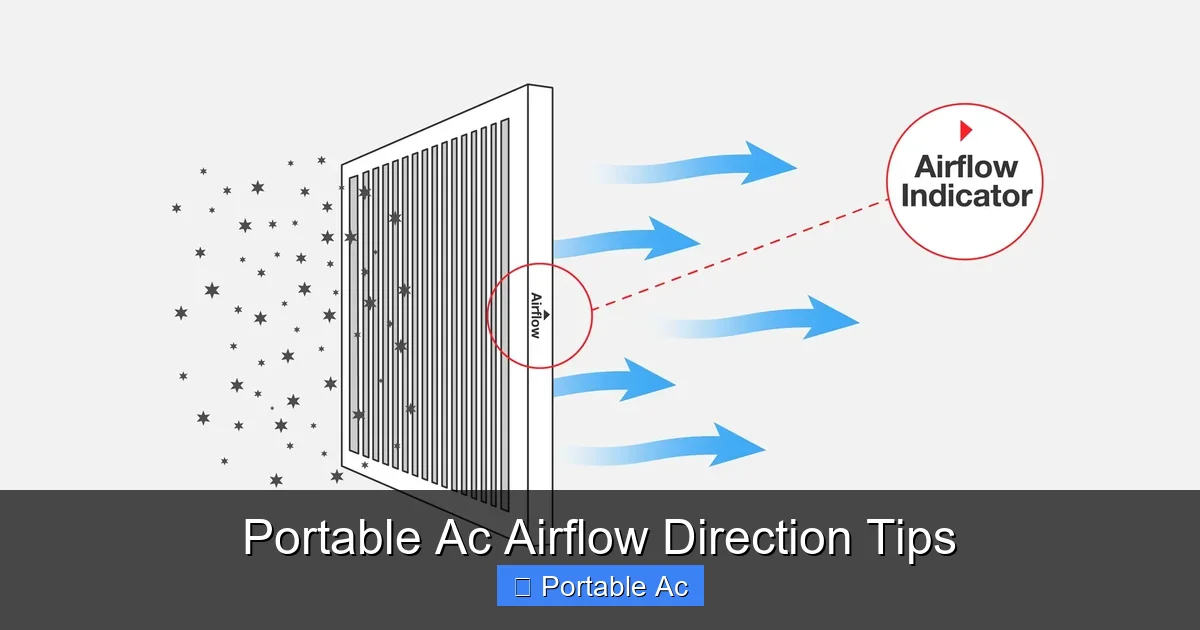
Before adjusting anything, let’s quickly break down how airflow works in a typical portable AC. There are two main paths:
1. **Intake:** Warm air is drawn in through the front grille.
2. **Cooling & Output:** The air passes over cold coils and is blown back into the room through adjustable louvers.
3. **Exhaust:** Hot, moist air exits through the rear exhaust hose connected to a window or vent.
Each part must function smoothly. If the filter is clogged, the intake suffers. If the exhaust hose kinks, pressure builds, and cooling drops. And if the output vent is pointed wrong, even perfect internal mechanics won’t matter.
That’s why checking the airflow direction starts with understanding the system. Most units have a vertical or horizontal vent that you can manually rotate. Some even oscillate side to side automatically. Learning how to control these features makes all the difference.
How to Check and Adjust Airflow Direction
Visual guide about Portable Ac Airflow Direction Tips
Image source: hydesac.com
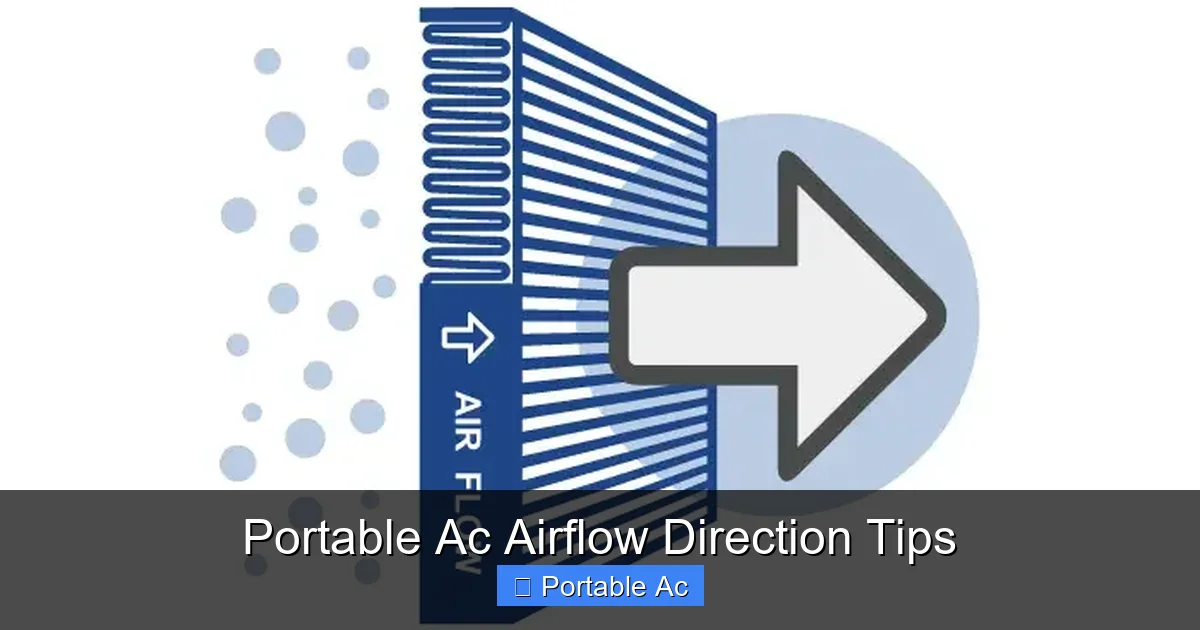
Start by testing your current setup. Stand in the room where you usually sit or sleep, and feel the air coming from the vent. Is it strong and cool? Does it reach you consistently? Or do you only feel it when you’re standing right in front of the unit?
If the airflow feels weak or inconsistent, it’s likely misdirected. Here’s how to fix it:
– **Locate the vent louvers:** These are usually at the front or top of the unit. Look for small slats or flaps you can tilt.
– **Adjust manually:** Gently push or pull the louvers to change the angle. Aim the strongest part of the breeze toward your seating area.
– **Use oscillation:** If your model has an auto-swing feature, turn it on. This spreads the cool air across a wider area, preventing hot spots.
– **Test different angles:** Try pointing the vent upward, downward, or sideways. In many rooms, a slight upward tilt creates a natural convection effect, helping the cold air rise and circulate.
Pro tip: Use a piece of paper or tissue to test airflow strength. Hold it near the vent—if it flutters, you’ve got good flow. If it stays still, the air might be too weak or misaligned.
Room Setup Tips to Improve Airflow
Visual guide about Portable Ac Airflow Direction Tips
Image source: voltcave.com
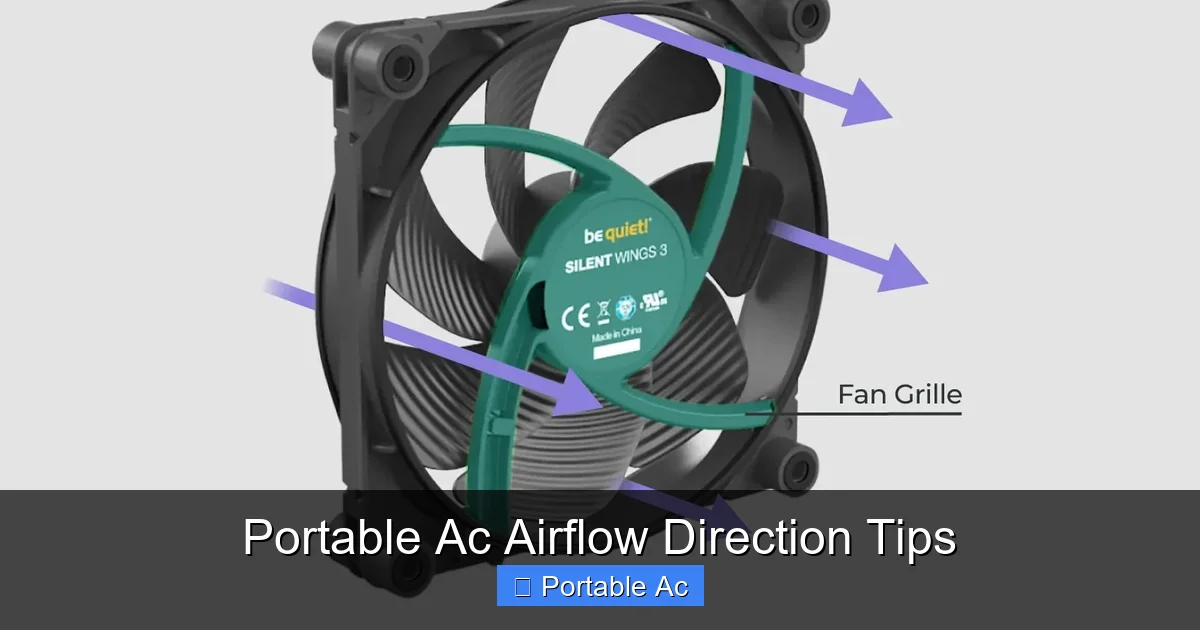
Your room layout plays a surprising role in how well your portable AC works. Consider these factors:
– **Placement matters:** Put the unit away from walls, furniture, or curtains that block airflow. Leave at least 6–12 inches of clearance around the front and sides.
– **Keep the exhaust hose straight:** Kinks or sharp bends reduce suction and hurt performance. Use a window kit to route the hose smoothly outside.
– **Seal gaps:** Even small drafts under doors or around windows let warm air flood in. Use draft stoppers or towels to block them.
– **Avoid obstructions:** Don’t put the AC behind couches or inside closets. You need clear pathways for both intake and output.
For smaller spaces like bedrooms or offices, consider using a fan on low to push the cool air further. A box fan placed near the vent can redirect airflow across the room without extra cost.
Advanced Techniques for Better Cooling
Once the basics are covered, try these advanced tricks to boost portable ac airflow direction performance:
– **Create a cross-breeze:** Open a window slightly opposite the AC. This draws fresh, cooler air into the room and improves circulation.
– **Use multiple fans:** Place one near the AC vent and another near a door or window to create airflow channels.
– **Pre-cool the room:** Turn on the AC 30–60 minutes before you arrive home. This reduces the workload and helps maintain steady temperatures.
– **Monitor humidity:** High humidity makes rooms feel warmer. Use a hygrometer to check levels. If they’re above 60%, run the dehumidifier mode (if available) to improve comfort.
These methods work especially well in larger or oddly shaped rooms where single-unit cooling can struggle.
Maintenance to Support Optimal Airflow
Even the best airflow direction won’t save a dirty or broken AC. Regular maintenance keeps everything running smoothly:
– **Clean or replace the filter monthly:** A clogged filter restricts airflow and forces the unit to work harder.
– **Vacuum the intake grille:** Dust buildup can block air intake. Use a soft brush attachment on your vacuum.
– **Inspect the exhaust hose:** Make sure it’s not crushed, twisted, or blocked by furniture.
– **Check for leaks:** Water pooling around the unit may mean the condensate drain is clogged. Clear it with a pipe cleaner or vinegar solution.
For long-term care, consider investing in a portable AC cleaning kit. It makes maintenance quick and hassle-free.
Remember, a well-maintained AC not only cools better but also lasts longer and uses less electricity.
When to Upgrade Your Portable AC
Sometimes, no amount of airflow adjustment solves the problem. If your room is too large for your unit’s BTU rating, or if the AC struggles to cool even with perfect direction and maintenance, it might be time to upgrade.
Look for models with higher BTUs, dual-hose systems, or built-in timers. For example, if you’re cooling a 400-square-foot room, a 10,000 BTU unit is ideal. Going lower means constant struggle; going higher wastes energy.
Check our guides like Best Portable AC Under $500 or Best Value Portable AC for Money to find reliable options that match your needs.
And don’t forget—proper airflow direction is easier to manage with a unit that has remote control or programmable settings. Look for features like remote-controlled directional vents for maximum convenience.
Frequently Asked Questions
How do I know if my portable AC airflow is too weak?
If you feel little to no cool air even close to the vent, or if the room stays warm despite long runtimes, your airflow may be restricted or misdirected. Check the filter and hose first.
Can I use a portable AC without a window kit?
Some models are designed to vent through a standard window without extra kits. Others require a specific setup. Always follow the manufacturer’s instructions for safe operation.
Will closing all doors improve airflow efficiency?
Yes. Sealing off unused rooms prevents warm air from entering and lets your AC focus on cooling only the space you’re using.
Is it normal for my portable AC to blow warm air sometimes?
Not during normal cooling mode. Warm air usually means the unit is in defrost mode (common in humid climates), or there’s an issue with the refrigerant or exhaust system.
Can I use a fan to help distribute the cool air?
Definitely. Placing a fan near the AC vent helps push cooled air across the room, improving circulation and making the space feel cooler overall.
How far should the portable AC be from the window?
As close as possible, ideally within 1–2 feet. Longer hose runs reduce efficiency due to increased resistance and heat gain.
