
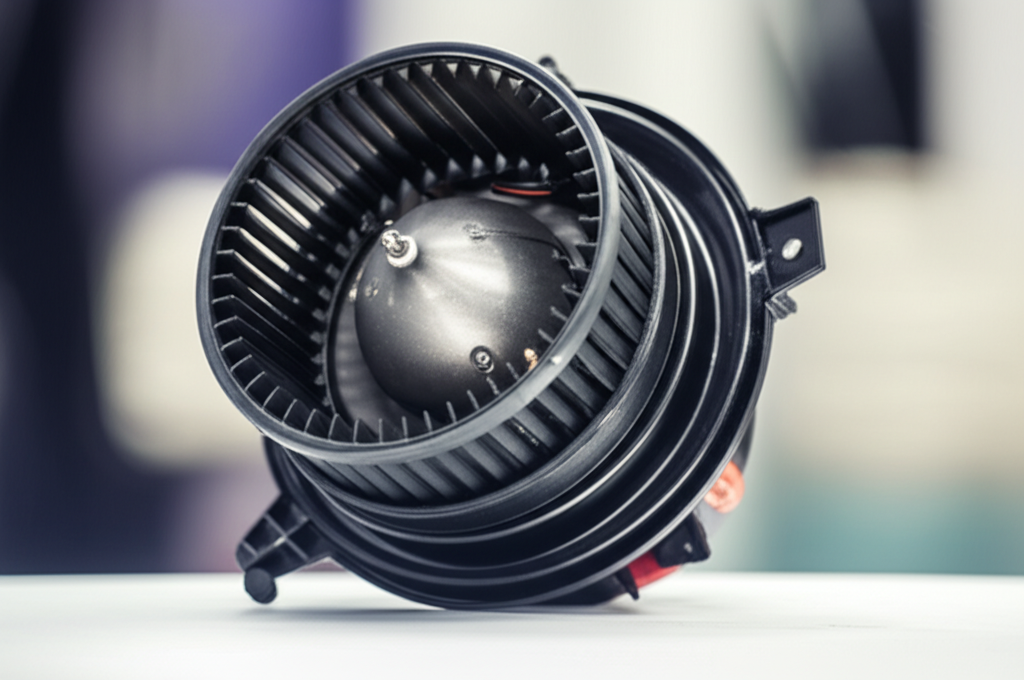
If your AC blows weak air or makes strange noises, testing the blower motor is key. You can often check the motor’s power and wiring yourself using a multimeter to see if it needs replacement or just a simple fix.
Is your air conditioner struggling to cool your home? Maybe the airflow feels weak, even when the unit is running. High energy bills can also signal a problem deep inside the system. Dealing with AC issues can feel confusing and expensive. Don’t worry; we are here to help you figure this out. I’m Jack from ACReviewHub.com, and I make AC repairs simple. Today, we are diving deep into the blower motor—the part that pushes the cool air through your vents. By the end of this guide, you will know exactly how to check if this crucial part is working right.
Why the Blower Motor is Your AC’s Best Friend
The blower motor is like the heart of your indoor AC unit. It sits inside the air handler or furnace. Its only job is to pull air across the cold coils. Then, it pushes that newly cooled air through the ducts into your rooms. If this motor fails, you get no cool air, or maybe just a tiny whisper of it.
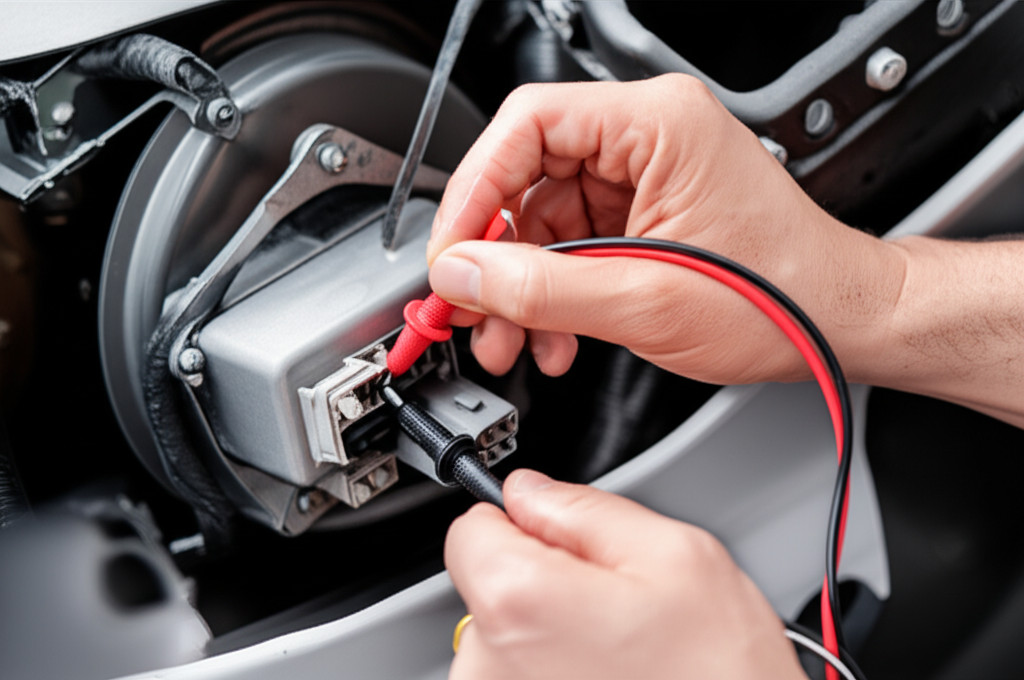
A bad blower motor can cause many frustrating symptoms. You might hear loud squealing or grinding sounds. Sometimes, the fan just won’t start at all. Knowing how to test it saves you a costly service call if the fix is simple.
Safety First: Turning Off Power to Your AC Unit
Working with electricity is serious business, even with home appliances. We must shut off the power before touching any wires or components inside the air handler. Safety is always step number one here.
Follow these steps carefully to ensure you are safe:
- Locate your home’s main electrical service panel, often called the breaker box.
- Find the breaker labeled for your AC unit or furnace. It is usually a double-pole breaker.
- Flip this breaker to the “OFF” position. This completely cuts power to the unit.
- For extra safety, find the service disconnect switch near your outdoor condenser unit and turn it off too.
Locating and Accessing the Blower Motor
The blower motor lives inside the indoor unit. This unit is often found in a closet, attic, or basement. You need to open the access panel to see the motor.
Here is how to find and open the housing:
- Identify the air handler cabinet. This is the large box where the refrigerant lines and ductwork connect.
- Look for screws holding a large access door or panel on the side or front.
- Use the correct screwdriver to remove these screws. Keep them safe!
- Carefully lift or slide the panel away to expose the internal components, including the fan cage and the motor housing.
The First Check: Visual Inspection for Easy Wins
Before grabbing tools, sometimes the problem is something obvious. Let’s look around the motor and fan assembly first.
Check these simple things:
- Dirt and Debris: Is the blower wheel (the squirrel cage fan) covered in thick dust or grime? Too much dirt slows it down significantly.
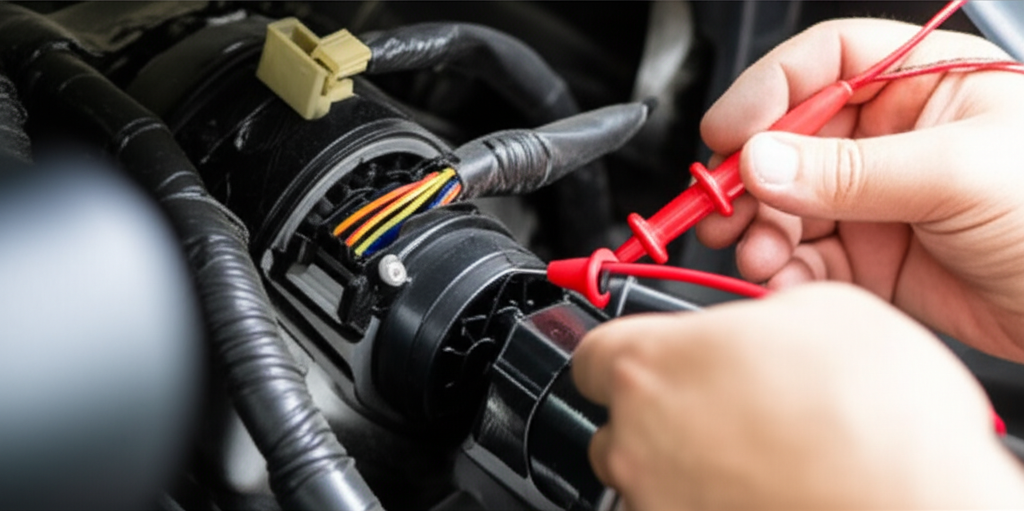
- Loose Wires: Look at the wiring harness connected to the motor. Are any wires loose, frayed, or disconnected? A loose connection can stop power flow.
- Obstructions: Is anything physically blocking the fan blades from spinning freely? Sometimes a stray piece of insulation gets sucked in.
How to Test the Blower Motor with a Multimeter (The Crucial Step)
This test tells us if the motor is getting electricity and if it has failed internally. You will need a multimeter set to measure AC voltage (VAC).
Step 1: Check for Incoming Power
We need to see if electricity is reaching the motor terminals while the system is supposed to be running. Remember, turn the breaker back ON just for this check, and be extremely careful around live wires.
- Set your multimeter to the appropriate AC Voltage setting (usually 240V or 120V, depending on your motor type).
- Turn the thermostat setting to “Cool” and turn the fan setting to “ON.” This should start the blower.
- Carefully touch the multimeter probes to the two main power wires leading into the motor housing.
- If the meter reads the correct voltage (e.g., 240V), the power supply is good. If it reads zero, the problem is upstream (like a bad control board or thermostat).
Step 2: Test Motor Run Capacitors (If Applicable)
Many blower motors use a capacitor to help them start and run smoothly. A weak capacitor often causes the motor to hum but not spin, or spin slowly.
Important: Capacitors store electricity even when the power is off. You must safely discharge it before touching it. Search online for your specific motor type to find the safe discharge method, or call a pro if you are unsure.
If you safely discharge the capacitor, you can test it for microfarads (µF) using the multimeter’s capacitance setting. Compare the reading to the value printed on the side of the capacitor.
Step 3: Check Motor Windings (Continuity Test)
This test checks the internal wires (windings) of the motor itself. Turn the power OFF again before doing this.
- Set your multimeter to the continuity setting (usually marked with a sound wave symbol or ohms Ω).
- Disconnect the wires from the motor terminals.
- Touch one probe to one motor terminal and the other probe to the next terminal, testing all combinations.
- A good motor will show continuity (a low resistance reading, perhaps 5–20 ohms). If you get an “OL” (Open Line/Infinite Resistance), the motor windings are broken, and the motor needs replacement.
Understanding Motor Speed Settings
Your blower motor often has multiple speed wires that connect to different taps on the motor. These wires control low, medium, and high fan speeds.
If the motor only runs on one speed, check the connections on the control board for the other speed wires. Sometimes a wire just comes loose from its designated terminal.
Here is a simplified look at what different speeds mean for your home:
| Speed Setting | Typical Use | Airflow Effect |
|---|---|---|
| Low | Quiet operation, dehumidification | Gentle, continuous air movement |
| Medium | Standard cooling during mild weather | Balanced cooling and noise level |
| High | Rapid cooling or high heat situations | Maximum air movement |
When to Call a Professional AC Technician
While DIY testing is great for saving money, some issues require an expert touch. If you have confirmed that the motor is getting power but still isn’t running, it is likely time to call in the pros.
You should call an HVAC technician if:
- You are uncomfortable testing live electrical components.
- The continuity test shows the motor is bad, and you are not comfortable installing a new one.
- You suspect the control board or thermostat is the real culprit, not the motor itself.
For more reliable information on energy efficiency and AC components, check out resources like Energy.gov on Air Conditioners.
Troubleshooting Common Blower Motor Symptoms
If you are still unsure, compare your symptoms to this quick chart:
| Symptom You See/Hear | Most Likely Cause |
|---|---|
| Motor hums but fan does not spin | Bad capacitor or motor stuck |
| Fan runs constantly, even when AC is off | Stuck relay on the control board |
| Weak airflow from vents only | Dirty blower wheel or clogged filter |
| Motor makes loud grinding or squealing | Bad motor bearings (requires replacement) |
Frequently Asked Questions About Blower Motors
Do I need to replace the whole blower assembly if the motor burns out?
Not always! Often, you can just replace the motor itself, which is usually cheaper. However, sometimes the squirrel cage fan and motor are sold as one unit, so check pricing first.
How long should an AC blower motor last?
A well-maintained blower motor should last between 10 and 15 years. Regular filter changes are the best way to keep it healthy.
Can I just clean the blower wheel instead of testing the motor?
Yes, cleaning the wheel can sometimes solve weak airflow problems immediately. If cleaning doesn’t help, then move on to electrical testing.
What is the difference between the condenser fan and the blower motor?
The blower motor is inside your house, pushing air over the cold coils. The condenser fan is outside, helping release heat from the hot coils.
If my multimeter shows 0 volts, what should I check next?
Check the thermostat setting first. If that’s okay, check the fuse or the breaker inside the furnace control panel, as the power isn’t making it to the motor.
Is it safe to run my AC without the blower motor working?
No. Running the AC without airflow can cause the evaporator coil to freeze up. This can seriously damage your compressor, which is very expensive to fix.
Final Thoughts on Keeping Your Air Cool
Testing your AC blower motor doesn’t have to be a scary process. By taking safety precautions and following a logical, step-by-step approach with your multimeter, you can diagnose a common and often fixable issue right away. Remember, consistency is key in AC care—change those filters!
Stay cool, stay informed, and don’t let confusing AC noises keep you up at night. You’ve got this!
