
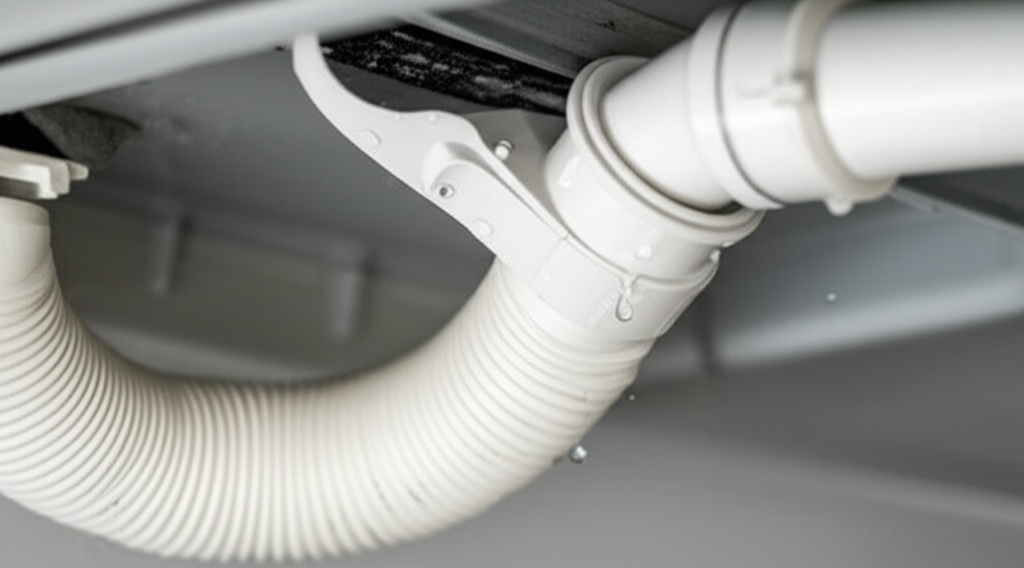
Don’t let a clogged AC drain pipe ruin your day! You can easily clear this blockage yourself using simple tools like a wet/dry vac or vinegar. This guide shows you the safe, step-by-step fix to get your AC dripping correctly again and stop water leaks fast.
Is your air conditioner making strange noises? Maybe you see a puddle of water near your indoor unit. These little problems can make you feel confused and worried about big repair bills. Dealing with AC issues doesn’t have to be stressful.
At ACReviewHub.com, we break down confusing AC talk into simple steps. You can handle many common AC fixes right now. We are going to learn the easiest way to clean that annoying AC drain pipe. Let’s get your cool air flowing and those water leaks stopped!
Why Does My AC Drain Pipe Get Clogged? (The Simple Truth)
Your air conditioner works hard to cool your home. As it cools the air, it also pulls out humidity. This water needs a path to leave your house. That path is the condensate drain line, or drain pipe.
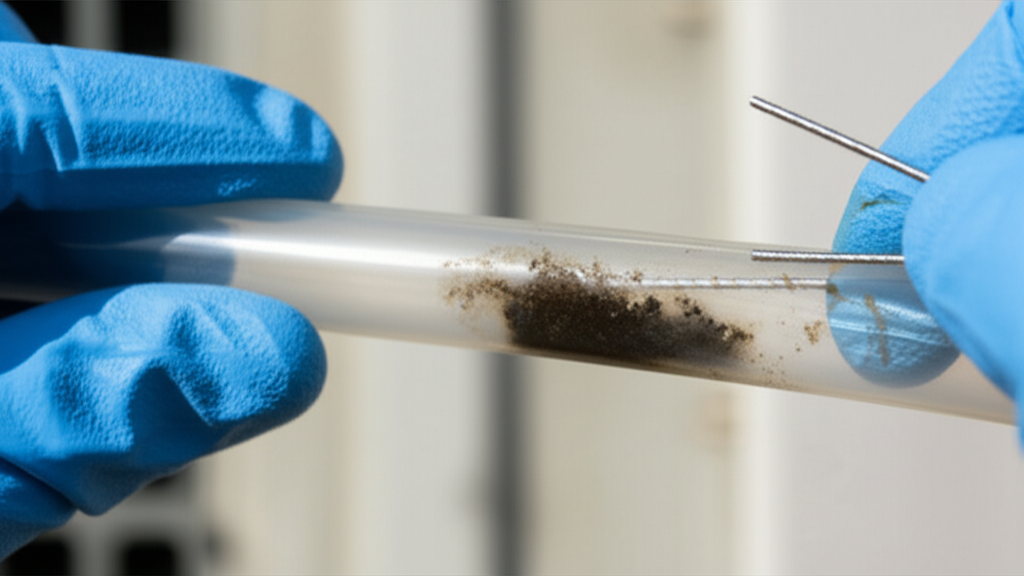
This pipe is supposed to carry water outside or to a drain. Over time, dust, dirt, and tiny bits of mold start to build up inside. Think of it like sludge building up in a kitchen sink drain. This gunk blocks the water flow.
When the water can’t escape, it backs up. This backup causes water to spill out of your indoor unit. That means drips in your ceiling or puddles on your floor. Not good!
What You Need Before You Start Cleaning
The good news is you probably have most of these things already. We only need simple tools for this fix. Always unplug your AC unit before starting any cleaning to be safe.
- Safety Glasses: Protect your eyes from dust or splashing water.
- Gloves: Keep your hands clean while working.
- Wet/Dry Shop Vacuum (The best tool!): Used to suck out the blockage.
- Small Funnel (Optional): Helps pour vinegar neatly.
- Distilled White Vinegar: A safe, natural cleaner for mold.
- Small Brush or Pipe Cleaner (Optional): For gently scrubbing the opening.
Step-by-Step: How to Clean Your AC Drain Pipe Like a Pro
We will clean this drain line in two main ways: sucking out the clog and flushing the line. Follow these steps carefully.
Step 1: Turn Off the Power First
Safety is always job number one. Find your indoor air handler unit (the furnace or blower part). Look for the switch near it. Turn the power completely off. If you cannot find a switch, turn off the breaker for the AC unit at your main electrical panel.
Step 2: Locate the Access Point
You need to find where the drain pipe connects to the indoor unit. It usually connects to the drain pan underneath the evaporator coil. Look for a PVC pipe (usually white plastic) coming out of the unit.
Some systems have a special access port or “T” fitting on the line. If you see a capped opening, that’s perfect! If not, you will attach the vacuum directly to the pipe where it exits the house.
Step 3: Suck Out the Sludge with a Wet/Dry Vac
This is where the shop vac shines. Take your vacuum hose and seal it tightly around the end of the drain pipe. You want a good seal so the suction is strong.
If the pipe is outside, seal the hose over the opening. If you found an indoor access point, attach the hose there.
Turn on the wet/dry vacuum to the wet setting. Let it run for about two minutes. You might hear a gurgling sound. This means the vacuum is pulling out the slimy gunk and debris.
Turn the vacuum off and check the vacuum canister. If you see dirty water or sludge, you’ve successfully removed the blockage!
Step 4: Flush the Line with Vinegar
Now that the big clog is gone, we need to kill any remaining mold or algae. This keeps the pipe clear longer. Get your distilled white vinegar ready.
Go to the indoor access point (or the opening closest to the unit). Carefully pour about one cup of vinegar into the pipe opening. Use a small funnel if you have one to avoid spills.
Wait about 30 minutes. The vinegar needs time to work its magic on the mold lining the pipe walls.
Step 5: Test the Flow
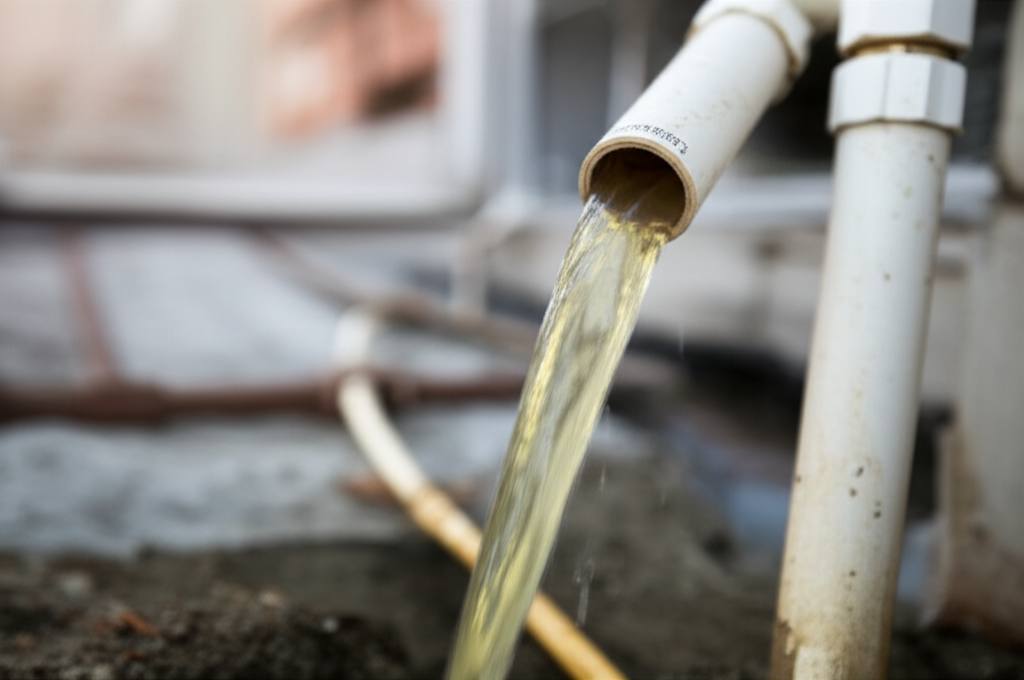
After waiting, pour a little bit of clean water down the pipe. Go outside and look at the end of the drain line. You should see a steady, clear stream of water flowing out. If the water flows freely, you fixed it!
If it’s still slow, repeat Step 3 (vacuuming) and Step 4 (vinegar flushing) once more.
When to Call a Professional HVAC Technician
Most clogs are easy to fix this way. However, sometimes the problem is deeper. You should call an expert if:
- You cannot find the drain line access point easily.
- The wet/dry vac pulls up nothing, but water is still backing up. (This means the clog is deep inside the main unit or the line is broken.)
- The water leak returns within a week, even after cleaning.
Knowing when to step back is smart. Professionals have special tools to clear deep clogs safely.
Comparing Cleaning Methods: Vacuum vs. Chemicals
Many people wonder if they should use strong drain cleaners. I strongly advise against it for your AC drain line.
| Cleaning Agent | Pros | Cons & Risks |
|---|---|---|
| Wet/Dry Vac + Vinegar | Safe for PVC pipes and pans. Kills mold naturally. Very low cost. | Requires access to the pipe ends. |
| Bleach or Harsh Chemical Cleaners | Can dissolve tough clogs quickly. | Can corrode PVC pipes over time. Dangerous fumes. Bad for the environment. |
Stick to the vinegar flush and vacuum method. It keeps your system healthy for years.
Simple Tips to Keep Your Drain Line Clear Longer
Prevention is much easier than fixing a problem later. Here are a few habits that keep the gunk away:
- Schedule Annual Check-ups: A technician will clean the coils and pan thoroughly once a year.
- Check the Filter Monthly: Dirty air filters let more dust pass through to the coil, making more slime.
- Inspect the Outside Drain Regularly: Make sure the exit point isn’t blocked by leaves or grass clippings.
- Flush Quarterly: Pour a half-cup of vinegar down the line every three months just as a routine cleaning.
For more detailed efficiency tips, you can always check out resources like the Department of Energy on saving energy at home.
Frequently Asked Questions (FAQ) About AC Drains
Got a quick question? Here are the answers you need right now.
- Q: How much vinegar should I use?
- A: About one cup of distilled white vinegar is perfect for a routine flush. Don’t overdo it!
- Q: Can I use bleach instead of vinegar?
- A: It’s best not to. Bleach can be too harsh and damage your plastic pipes or the drain pan over time.
- Q: How long should it take for water to drain after cleaning?
- A: If the clog is gone, water should flow immediately when you test it. If it drains slowly, repeat the vacuum step.
- Q: What if my AC is leaking from the ceiling?
- A: Turn the AC off immediately at the breaker! Water leaks from the ceiling mean the drain pan is completely full. Get the vacuum ready right away to prevent more damage.
- Q: Is it okay if water drips outside my house?
- A: Yes! That dripping (called condensate) is normal when the AC is running on a humid day. It just means your system is removing moisture correctly.
See? That wasn’t so scary after all. Cleaning your AC drain pipe is a simple maintenance task. It saves you money and keeps your home comfortable.
Remember, small steps keep big problems away. Keep checking that drain line a couple of times a year. Happy cooling from your friend Jack at ACReviewHub.com!
