

Air Cooler Vs Tower Fan: The Brutal Truth
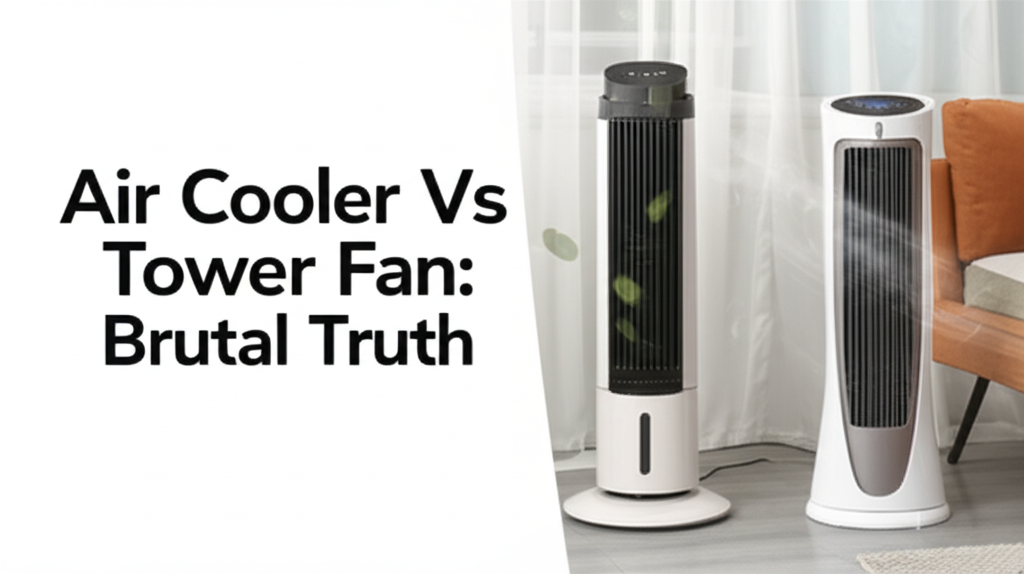
Air coolers actually cool air using water evaporation, making them better for dry heat, but they add humidity. Tower fans only circulate air; they don’t lower the temperature, but they use much less energy. Choose based on your climate and cooling needs.
Are you standing in the store feeling totally lost? You need to cool down your room, but you see so many options. Air coolers and tower fans look similar on the outside. Maybe you are worried about high electric bills this summer. It is tough to know which one is right for your space.
Don’t worry; I am Jack from ACReviewHub.com, and I have fixed hundreds of cooling headaches. We are going to break down these two machines simply. You will learn exactly what each one does best. Get ready to pick the perfect cooling buddy for your home!
What Is the Real Difference Between an Air Cooler and a Tower Fan?
People often mix these two up because they both move air. But trust me, they work in very different ways. One uses water, and the other just pushes air around. Understanding this core difference saves you money and frustration.
How Does an Air Cooler (Evaporative Cooler) Work?
Think about how you feel when you step out of a pool on a breezy day. You feel cooler, right? That is the magic behind an air cooler. They use a process called evaporation.
- Air is pulled through water-soaked pads.
- The water turns into vapor (evaporates).
- This process naturally takes heat out of the air.
- The result is air that feels genuinely cooler.
The big catch here is humidity. If you live where it is already sticky and humid, an air cooler will just make things feel swampy. They need dry air to work well. For tips on checking your local humidity, check out the National Weather Service.
What Does a Tower Fan Actually Do?
A tower fan is much simpler, like a very tall, skinny desk fan. It does not use any water or ice. It just moves the air you already have.
- It pulls air in from the back.
- A tall, spinning cylinder inside pushes the air out the front.
- This movement creates a breeze on your skin.
- This breeze helps your sweat evaporate, which makes you feel cooler.
A tower fan will never lower the actual temperature of the room. It just makes the existing air feel better on you. They are cheap to buy and use almost no electricity.
Air Cooler vs. Tower Fan: The Cooling Showdown
Let’s put these two side-by-side. This comparison will help you see which machine fits your needs best for this summer.
| Feature | Air Cooler | Tower Fan |
|---|---|---|
| Cooling Method | Evaporative Cooling (Uses Water) | Air Circulation (No Water) |
| Temperature Drop | Yes, drops temperature by a few degrees | No, only creates a breeze |
| Humidity Impact | Increases humidity (bad for damp climates) | No change |
| Energy Use | Low to Moderate (runs a small pump) | Very Low (just a small motor) |
When Should You Choose an Air Cooler? (The Dry Climate Winner)
If you live in a place like Arizona, Nevada, or inland California, the air is often very dry. This is where an air cooler shines.
You should pick an air cooler if these things sound true for your situation:
- Your summer weather is mostly dry and hot.
- You want the air temperature to actually drop, even a little bit.
- You don’t mind refilling a water tank every day or two.
- You want a cheaper option than a full air conditioner (AC).
Remember, you must keep windows cracked open slightly when using an air cooler. This lets the humid air escape. Otherwise, your room will get too damp.
When Is a Tower Fan Your Best Friend? (The Budget Champion)
If you live in a place that is already sticky, like Florida or near the coast, do not even think about an air cooler. You need air movement.
A tower fan is perfect for these cooling goals:
- You live in a humid area and need air circulation only.
- You want the absolute cheapest way to feel relief.
- You need something light and easy to move from room to room.
- You are cooling a small office space where you just need a gentle breeze.
Tower fans are also great helpers for your main air conditioner. Pointing one at you lets you set your thermostat a few degrees higher, saving you real money on your electric bill. Check out how much you can save by learning about efficient cooling practices from the Department of Energy.
Simple Setup: Getting Your New Cooler or Fan Running
Setting up either machine is super easy. You won’t need a toolbox or a complicated manual.
Setting Up Your New Tower Fan
- Take the fan out of the box carefully.
- Attach the base pieces together, usually by twisting them until they lock.
- Plug the power cord into a wall socket.
- Press the power button and choose your speed (Low, Medium, High).
Setting Up Your New Air Cooler
- Place the cooler where you want it. Make sure there is space behind it.
- Fill the water reservoir to the marked “Max” line. Use cool, clean water.
- Plug the power cord in.
- Turn the fan setting on first. Then, turn the “Cool” or “Pump” setting on.
Easy Maintenance Tips to Keep Them Working Great
Taking care of these machines means they last longer and cool better. It only takes a few minutes each week.
Tower Fan Quick Care Routine
- Unplug the fan before cleaning.
- Use a vacuum cleaner hose to suck dust off the outside grille.
- Wipe the outside casing with a damp cloth.
- If you notice a lot of noise, check that the base is tight.
Air Cooler Water Tank Care
- Turn off the pump setting daily when not using it for cooling.
- Once a week, empty any remaining water out of the tank.
- Wipe down the inside of the tank to prevent mold or mineral buildup.
- Clean or soak the cooling pads every two weeks according to the manual.
Troubleshooting: When Things Feel Off
If your machine is acting weird, do not panic. Most small issues have simple fixes you can do yourself right now.
| Symptom | Likely Cause | Quick Fix |
|---|---|---|
| Fan is blowing weakly. | Grille is clogged with dust. | Vacuum the intake grille thoroughly. |
| Air Cooler is not getting cooler. | Water tank is empty, or pads are too dry. | Refill water and ensure the pump is running. |
| Both machines smell musty. | Moisture buildup or stagnant water. | Clean the water tank and let the cooler run dry for a day. |
FAQ: Quick Answers for Beginners
Q1: Can an air cooler replace my AC unit?
A: No, not really. An air cooler makes a room feel fresher but cannot handle extreme heat or high humidity like a true air conditioner can.
Q2: Which one uses more electricity?
A: The tower fan uses much less electricity. Air coolers use a little more because they have a water pump running, but both are very cheap compared to a window AC unit.
Q3: Should I put ice in my air cooler?
A: Yes, you can! Adding ice or frozen water bottles to the water tank will give you a temporary extra blast of cold air. Just remember to refill often.
Q4: Can I use a tower fan in a humid basement?
A: Absolutely. Since it doesn’t add moisture, a tower fan is great for just moving air around in damp areas to prevent that stagnant feeling.
Q5: How long should I run my air cooler?
A: Run it whenever you need cooling, but always remember to turn the pump off at night if you only need gentle air movement.
Final Thoughts: Picking Comfort Over Confusion
See? That was not so scary after all. Choosing between an air cooler and a tower fan comes down to one main question: What is your weather like?
If it is dry, think cool water (Air Cooler). If it is already sticky or you just need a breeze, think simple air movement (Tower Fan). Keep up with the simple cleaning steps we talked about.
Stay cool, stay informed, and enjoy the relief you picked out yourself!
