
Evaporative Coolers (Swamp Coolers) are great for dry heat and low energy use, but they add humidity. Air Conditioners (ACs) cool better in all weather by removing heat and moisture, but they use more energy. The “shocking truth” is choosing the right one depends entirely on your local climate.
Evaporative Cooler Vs Air Conditioner: Shocking Truth
Are you staring at confusing brochures trying to pick a cooling system? It is easy to feel lost when dealing with terms like BTUs and humidity. You just want to be cool without spending a fortune on electricity bills. Don’t worry; we are going to break down the differences between these two machines simply.
By the end of this guide, you will know exactly which cooler fits your home and your budget. Let’s demystify swamp coolers and real ACs together so you can stay comfortable all summer long.
What Is an Evaporative Cooler (Swamp Cooler)?
Think of an evaporative cooler like a big, wet sponge. It uses a simple, natural process to cool the air down. These units are also often called “swamp coolers.”
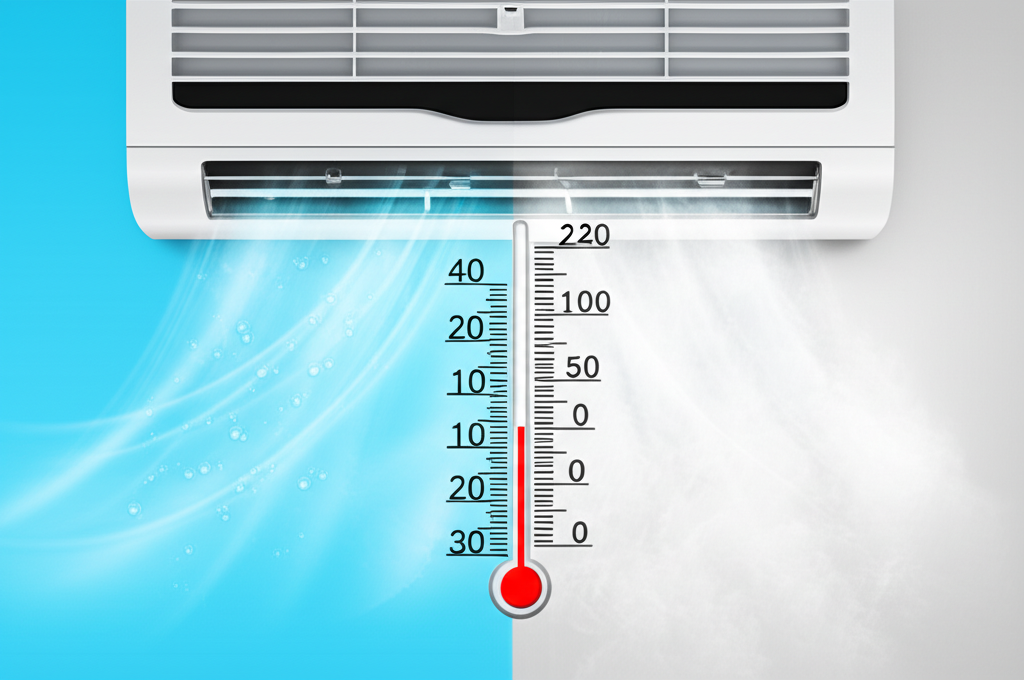
They pull hot, dry outside air through water-soaked pads. As the water evaporates (turns into vapor), it sucks heat right out of the air. This cooler, moist air blows into your home.
The Big Benefit: Energy Savings
Because they only use a fan and a small water pump, swamp coolers use much less electricity than a traditional AC. This is great news for your power bill!
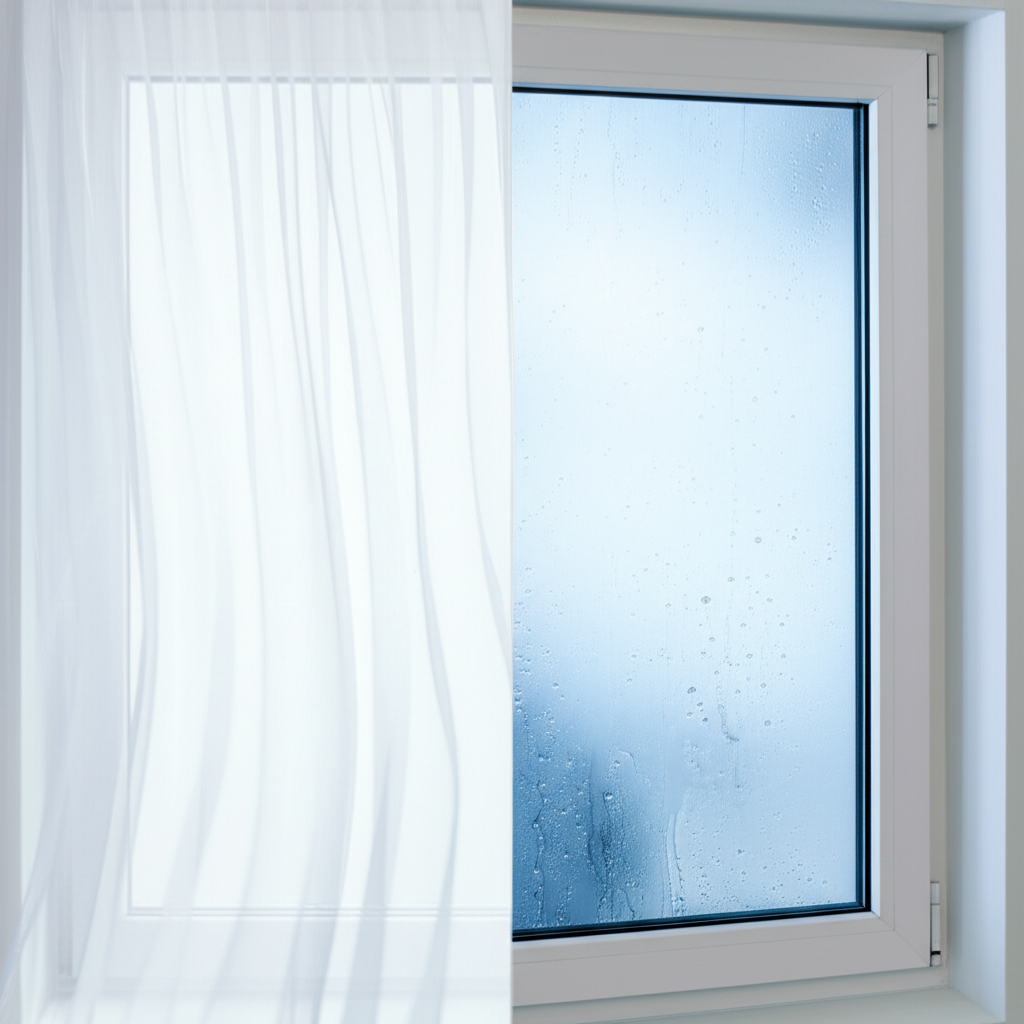
However, they need a constant supply of fresh air and water to work well. You must keep a window slightly open for the humid air to escape.
How Does a Standard Air Conditioner (AC) Actually Work?
A traditional air conditioner works like a heat-transfer machine. It does not just blow cool air; it actively removes heat and dampness from your indoor air.
It uses special chemicals called refrigerants to grab heat from inside your house. Then, it pushes that heat back outside. This is why the air coming out of your AC feels very dry.
The Cooling Power Difference
ACs are masters at cooling when it is super hot outside. They work well even when the air is very humid, like near the coast.
Swamp coolers struggle when humidity is already high because the water cannot evaporate easily. ACs keep working hard regardless of how sticky the weather is.
The Shocking Truth: Climate Is King
Here is the main point everyone misses when shopping for coolers. The best choice depends 100% on where you live.
If you live in a desert climate—very hot and very dry—a swamp cooler is often the best, cheapest option. Think Arizona or inland California summers.
If you live anywhere that is hot and humid—like the Southeast or coastal areas—you need a real air conditioner. A swamp cooler will just make your house feel like a steamy sauna.
Comparing Cooling Methods Side-by-Side
Let’s put these two head-to-head in a simple chart so you can see the differences clearly.
| Feature | Evaporative Cooler (Swamp Cooler) | Air Conditioner (AC) |
|---|---|---|
| Cooling Method | Water evaporation | Refrigerant heat exchange |
| Humidity Level | Increases humidity (Adds moisture) | Decreases humidity (Removes moisture) |
| Energy Use | Very Low | High |
| Best Climate For | Hot and DRY climates | Hot and HUMID climates |
| Installation | Simpler, often portable or window unit | Complex (Central) or specific window unit |
Tips for Choosing the Right System for Your Space
Picking the right size is just as important as picking the right type. An undersized unit runs all day and never cools well. An oversized unit cycles on and off too fast, which wastes energy.
How to Figure Out What Size You Need
Cooling power is measured in BTUs (British Thermal Units). Bigger rooms need more BTUs. Use this chart as a starting point for standard ceiling heights:
| Room Size (Square Feet) | Required Cooling Capacity (BTUs/hr) |
|---|---|
| 150 to 250 sq ft | 5,000 to 6,000 BTUs |
| 250 to 350 sq ft | 7,000 to 8,000 BTUs |
| 350 to 450 sq ft | 9,000 to 10,000 BTUs |
| 450 to 550 sq ft | 12,000 BTUs |
For the most accurate sizing, especially for central systems, always consult a professional technician. Getting the size right saves you money immediately.
Keep It Cool: Basic Maintenance Tips
Both systems need a little love from you to run efficiently. A little care goes a long way toward saving energy.
Evaporative Cooler Maintenance Checklist
- Change the water pads regularly (usually every season).
- Clean out the water reservoir to prevent algae or mineral buildup.
- Check the fan belt tension if you have a larger, older model.
- Drain the unit completely before winter storage.
Air Conditioner Maintenance Checklist
- Clean or replace the air filters every 30 to 90 days. This is the easiest way to save energy!
- Keep the outdoor condenser unit clear of leaves, grass clippings, and debris.
- Schedule a professional tune-up once a year before summer hits.
Did you know dirty filters make your AC work up to 15% harder? That is wasted money right there! For more official tips on saving energy, check out Energy.gov’s guide on cooling.
Common Beginner Mistakes to Avoid
It is easy to make a small error that costs you comfort or cash. Here are a few pitfalls I see homeowners fall into all the time.
Evaporative Cooler Mistakes
- Trying to use it when it is raining or very humid outside. It just won’t work right.
- Not opening enough windows or vents to let the old air out. This stops the cooling cycle.
- Letting the water pads get crusty and hard from mineral deposits.
Air Conditioner Mistakes
- Setting the thermostat way too low when you first turn it on. This just makes the system run constantly.
- Ignoring that strange rattling or hissing sound. Small noises often mean big repairs are coming.
- Forgetting to clean the outside coils if you have a window unit or heat pump.
Frequently Asked Questions (FAQs)
Q1: Can I use an evaporative cooler in a basement?
A: Generally, no. Basements stay cooler and hold more moisture. Adding more moisture with a swamp cooler can lead to mold and dampness issues quickly.
Q2: How much more energy does an AC use than a swamp cooler?
A: A lot more! A typical small window AC might use 500 to 1,500 watts. A swamp cooler might only use 100 to 400 watts for the same cooling effect in the right climate.
Q3: Does an AC need water to run?
A: No, not directly for cooling. Central AC units do use water for cooling the condenser if they are water-cooled, but most residential units use air to cool the outside coils.
Q4: What is the ideal humidity level for comfort?
A: Most experts agree that the ideal indoor humidity level is between 40% and 60%. ACs help you stay in this range; swamp coolers push you higher.
Q5: If I buy a portable AC unit, do I need to vent it?
A: Yes, absolutely! Portable ACs are still real ACs. They must vent the hot air they remove out of a window using a large hose, or they just reheat the room.
Final Thoughts on Staying Cool Comfortably
Choosing between an evaporative cooler and a true air conditioner is not about which one is “better.” It is about matching the tool to the job required by your local weather.
If you live in a dry place, embrace the efficiency of water cooling. If you live somewhere sticky, invest in the dehumidifying power of an AC.
Remember those simple maintenance steps—change that filter! Keep up the small habits, and you will enjoy reliable, cost-effective cooling for many seasons to come. Stay cool out there!
