
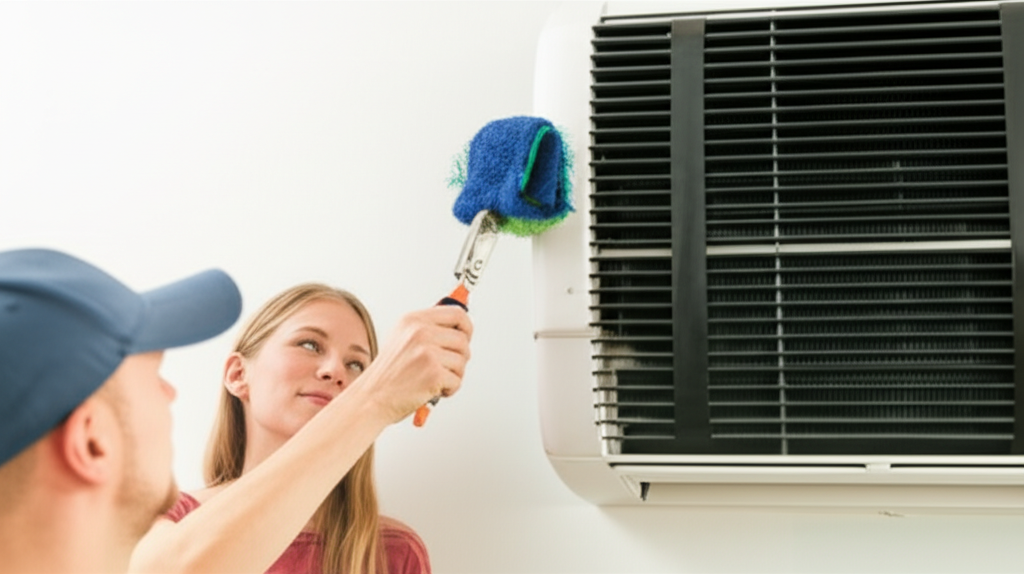
Quick Summary: Cleaning your evaporative cooler (swamp cooler) is easy! Simply turn off the power, drain the old water, scrub the pads and basin with a mild cleaner, and refill with fresh water to boost cooling and keep things smelling fresh.
Are you noticing your swamp cooler isn’t blowing as cold as it used to? Maybe it smells a little musty when you turn it on. It happens to everyone when the weather gets hot. Dealing with air conditioners can feel complicated, but I promise it doesn’t have to be confusing.
I’m Jack from ACReviewHub.com, and I’m here to make sure you understand your cooling system. We are going to walk through cleaning your evaporative cooler step-by-step. You will save money and feel much cooler after this simple guide.
Why Your Evaporative Cooler Needs Regular Cleaning
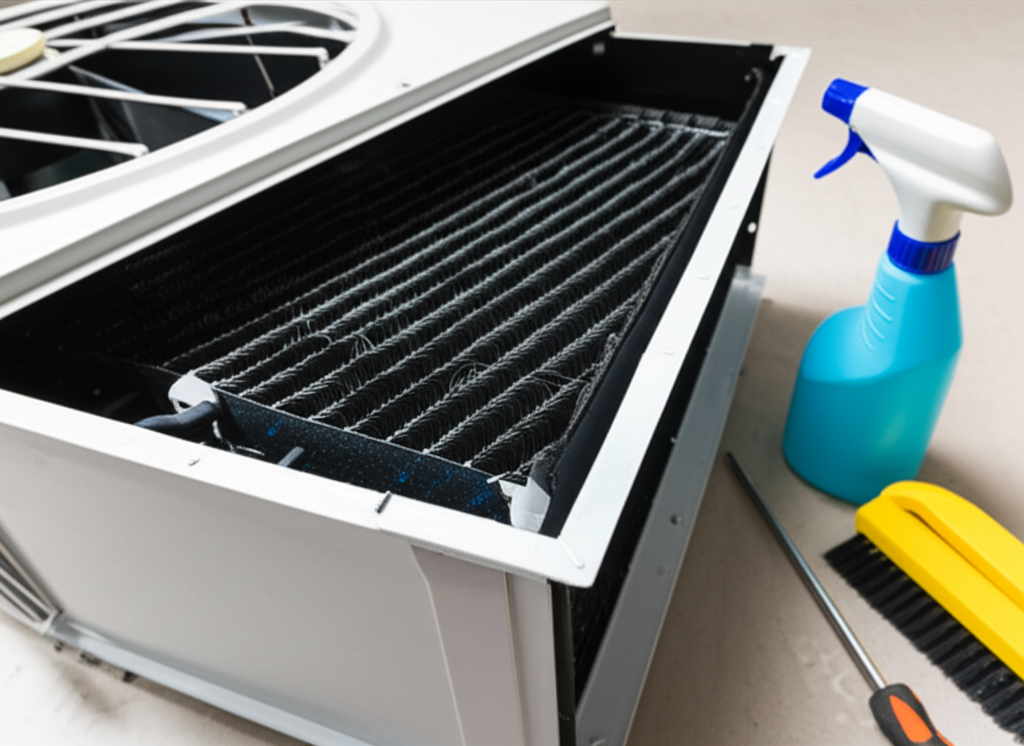
Evaporative coolers work by using water to cool the air. This is different from regular AC units that use chemical refrigerants. Because they use water, they attract dust, minerals, and sometimes algae.
When these things build up, two main problems happen. First, the water cannot evaporate easily. This means your cooling power drops way down. Second, dirty water can smell bad. Nobody wants smelly cool air!
Cleaning your cooler helps it run efficiently. Efficient running means lower energy bills. It also keeps your home feeling fresh and comfortable all summer long. Think of it as giving your cooler a refreshing shower.
Safety First: Turning Off Power Before You Clean
Before you touch any part of your cooler, safety is the most important step. We need to make sure no electricity can accidentally turn on while you are working inside.
Always shut off the power at the wall switch or the circuit breaker. Do not just rely on the thermostat setting. You need to physically disconnect the electricity source to be totally safe.
If your unit has a separate water pump switch, turn that off too. It’s best to unplug the unit completely if you can safely reach the plug.
Step-by-Step Guide: How To Clean Evaporative Cooler Pads and Basin
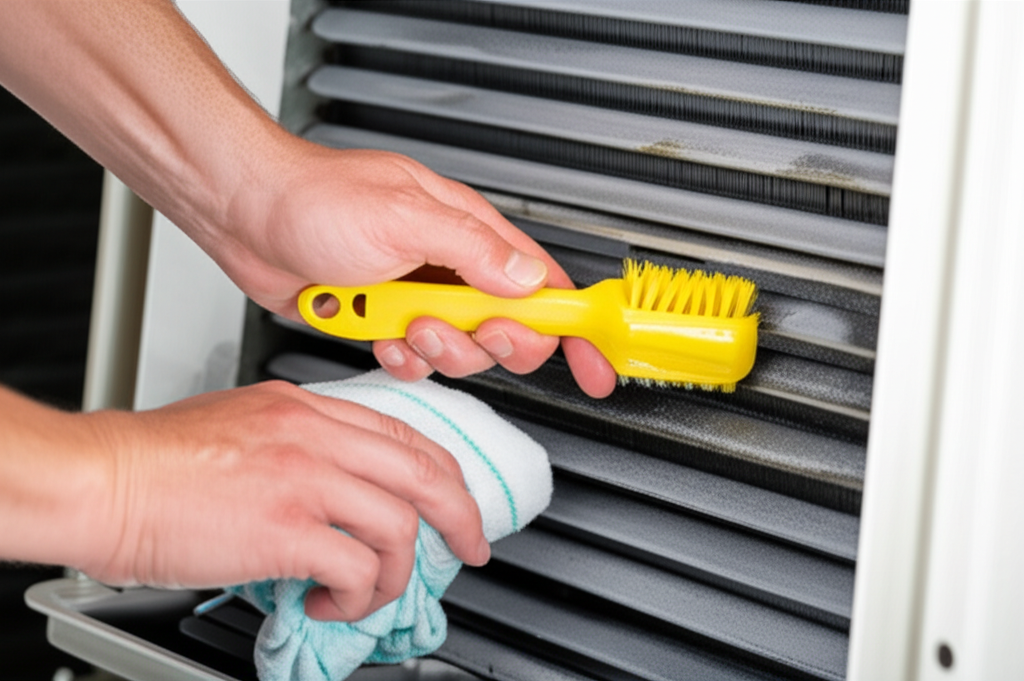
This is the main part of the job. We will clean the parts that hold the water and the parts that soak it up. Gather your supplies first. You will need gloves, a soft brush, a sponge, and a mild cleaning solution.
Tip: Avoid harsh chemicals like bleach. They can damage the plastic or metal parts over time. Simple white vinegar or a mild dish soap works perfectly.
1. Drain All the Old Water
Your cooler has a drain plug, usually near the bottom of the basin (the water pan). Place a bucket underneath it if the water will spill onto the floor.
Slowly open the drain plug and let all the stagnant, dirty water empty out completely. This water is usually full of scale and sediment.
2. Clean the Water Basin (The Tub)
Once empty, use your sponge and mild soap solution to scrub the inside of the basin. Pay special attention to the bottom corners where sediment likes to settle.
If you see white, crusty buildup (that’s mineral scale from hard water), use a little bit of vinegar mixed with water. Let it sit for 15 minutes, then scrub it gently.
3. Inspect and Clean the Cooling Pads
The cooling pads (sometimes called media) are usually stacked on the sides of the unit. Carefully remove these pads. They might be heavy when wet, so support them well.
Look closely at the pads. If they are just dusty, you can often hose them down gently from the outside in. If they are covered in green or black slime, you need a deeper clean.
You can soak the pads briefly in a tub of water mixed with a little bit of vinegar. Do not scrub too hard, or you might tear the pad material. Rinse them thoroughly until the water runs clear.
4. Reassemble and Refill
Put the clean pads back into their slots securely. Make sure they are seated correctly so air flows through them evenly.
Close the drain plug tightly. Now, refill the basin with fresh, clean water up to the normal operating level.
When Should You Replace Evaporative Cooler Pads?
Cleaning is great, but sometimes the pads are just too worn out or clogged to work well anymore. Think about replacing them every 1 to 3 years, depending on how dusty your area is.
Here are signs it’s time for new pads:
- The pads feel stiff or brittle, not soft and absorbent.
- You see significant, hard mineral scale that won’t scrub off.
- You smell mold or mildew even right after cleaning.
- Your cooling performance doesn’t improve much after a thorough cleaning.
Quick Troubleshooting: Why Isn’t My Cooler Blowing Cold Air?
If you cleaned everything and it still isn’t working right, don’t panic. Here are a few simple checks to run through:
| Symptom | Likely Cause |
|---|---|
| Air is warm, but the fan is running. | Water pump is off or broken. |
| Water level is too low. | Float valve needs adjusting or the drain is leaking. |
| Unit is making strange noises. | Fan belt is loose or needs replacement. |
| Water overflows the pan. | Float valve is stuck open, letting too much water in. |
For more detailed maintenance tips on different types of cooling systems, you can check out resources like Energy.gov on Evaporative Coolers.
Common Mistakes Beginners Make When Cleaning Coolers
As a friendly expert, I want to save you some headaches. Beginners often rush these steps, which causes problems later.
Here are the top three mistakes to avoid:
- Forgetting to turn off the breaker: Always double-check the main power disconnect. Safety first, always!
- Using abrasive tools on pads: Hard scrubbing tears the media, reducing its ability to hold water and cool air.
- Not cleaning the float valve: This small part controls the water level. If it gets clogged with scale, your cooler will either overflow or run dry. Give it a quick wipe down while the water is drained.
Frequently Asked Questions (FAQ) About Swamp Cooler Care
Here are quick answers to the questions I hear most often from new swamp cooler owners.
Q: How often should I refill the water?
A: You should check the water level daily in very hot weather. The unit will usually refill automatically, but you must ensure the water supply line is on.
Q: Can I use an evaporative cooler if it is humid outside?
A: Evaporative coolers work best in dry climates (low humidity). In high humidity, they just blow moist air around, which won’t cool you down much.
Q: Do I need to drain the water completely every day?
A: It’s best practice to completely drain and refill the water basin every morning, or at least every few days, especially if you are leaving for vacation. Stagnant water grows bacteria.
Q: What is the “limescale” I see?
A: Limescale is just mineral buildup from the water itself, like the crust you see inside an old kettle. It blocks water flow.
Q: How long does it take to clean the whole thing?
A: For a standard cleaning, set aside about 30 to 45 minutes, not including the time needed for pads to dry if you remove them completely.
Q: Should I clean the fan blades too?
A: Yes, if you can easily reach them! Dust on the fan blades reduces airflow, just like dirty pads do. Wipe them down gently.
Q: Where can I find official guidelines?
A: The American Society of Heating, Refrigerating and Air-Conditioning Engineers (ASHRAE) has great technical standards for HVAC maintenance.
Taking care of your evaporative cooler is truly simple once you know the basic steps. Cleaning the pads and basin regularly is the biggest secret to saving money on energy bills and staying comfortable.
Be consistent with this small amount of maintenance, and your cooler will serve you faithfully all summer long. Keep cool, and enjoy the fresh air!
