
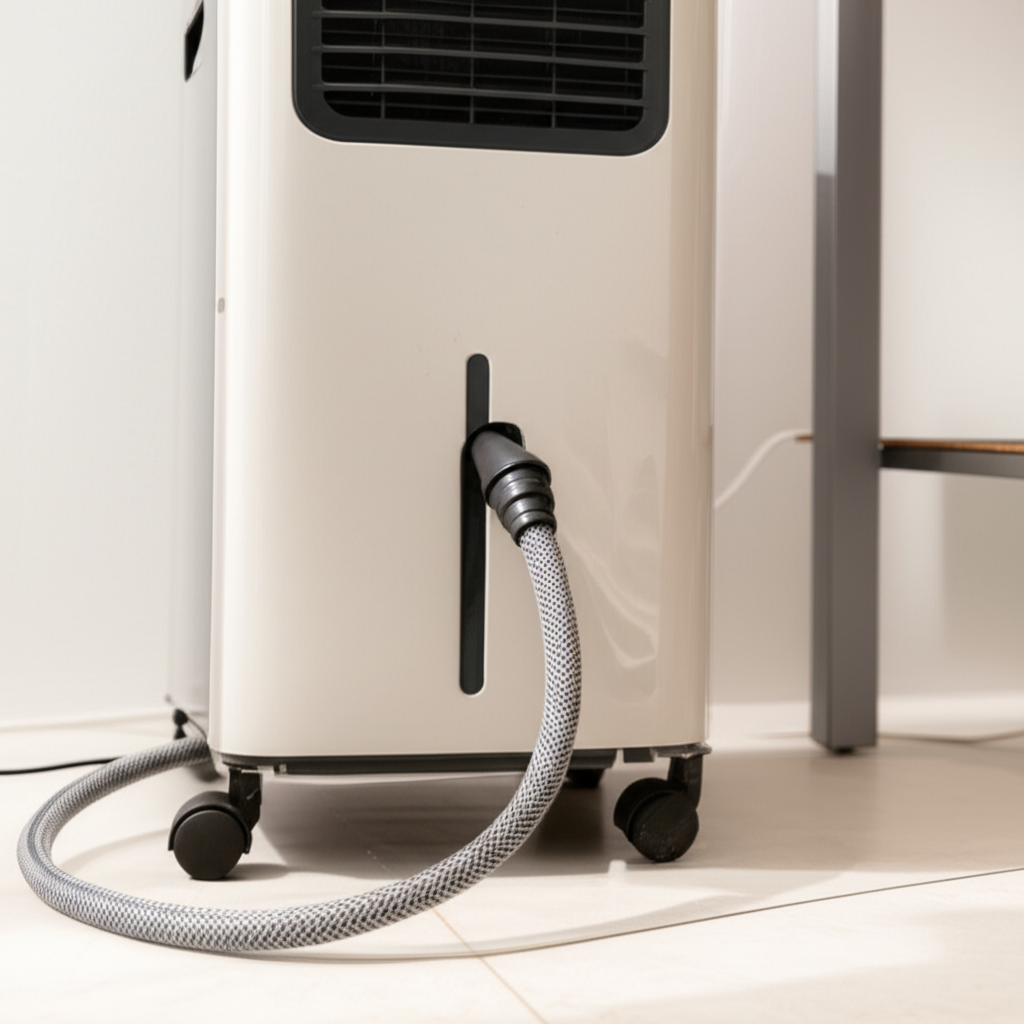
To drain your portable AC, simply locate the drain plug (usually at the bottom rear), place a shallow pan underneath, and let gravity empty the collected water. For self-evaporating models, you might just need to tip it slightly or let the unit run dry.
Is your portable air conditioner suddenly dripping water all over the floor? That can be annoying! Maybe the unit stopped cooling as well as it used to. Don’t worry about complicated AC manuals. I am Jack from ACReviewHub.com, and I help people just like you handle these small AC puzzles easily. We are going to walk through draining that water together, step by step. You will feel much better knowing exactly what to do!
Why Does My Portable AC Need Draining Anyway?
Portable air conditioners work hard to cool your room. As they cool the air, they also pull out the humidity. Think of humidity like tiny water droplets in the air. The AC collects all this extra water inside a tank or reservoir.
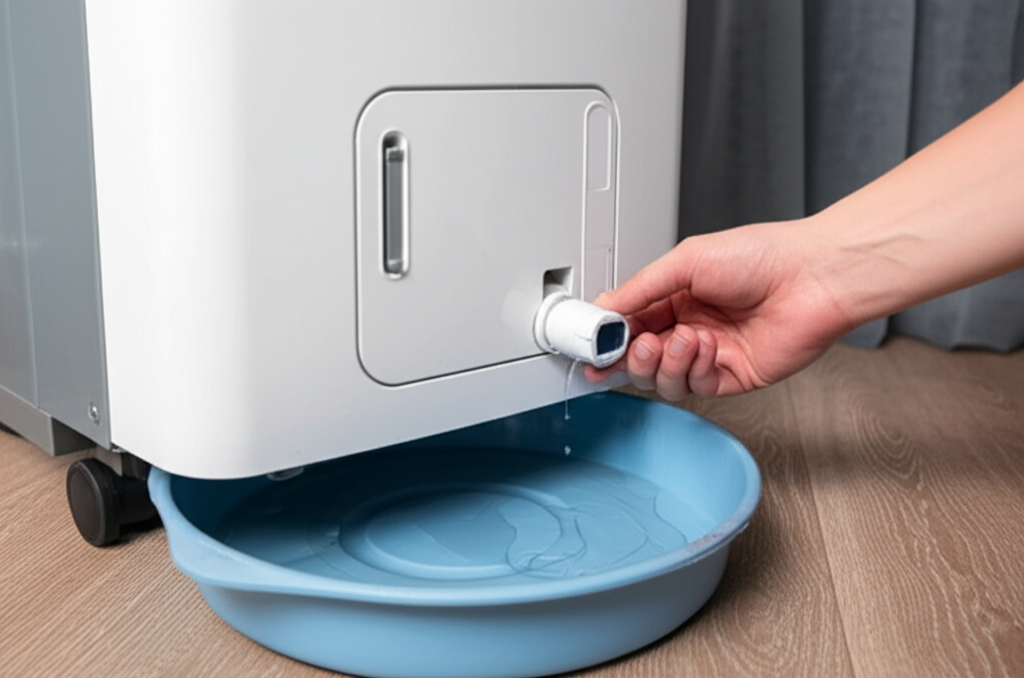
This collected water is called condensate. If the tank gets too full, the AC will usually shut off to prevent leaks. Some modern units handle this water automatically, but older or smaller models need a little human help.
Understanding Portable AC Drainage Types
Not all portable ACs drain the same way. Knowing what type you have saves time. It is like knowing if your car takes regular or premium gas!
Here are the three main ways portable ACs manage water:
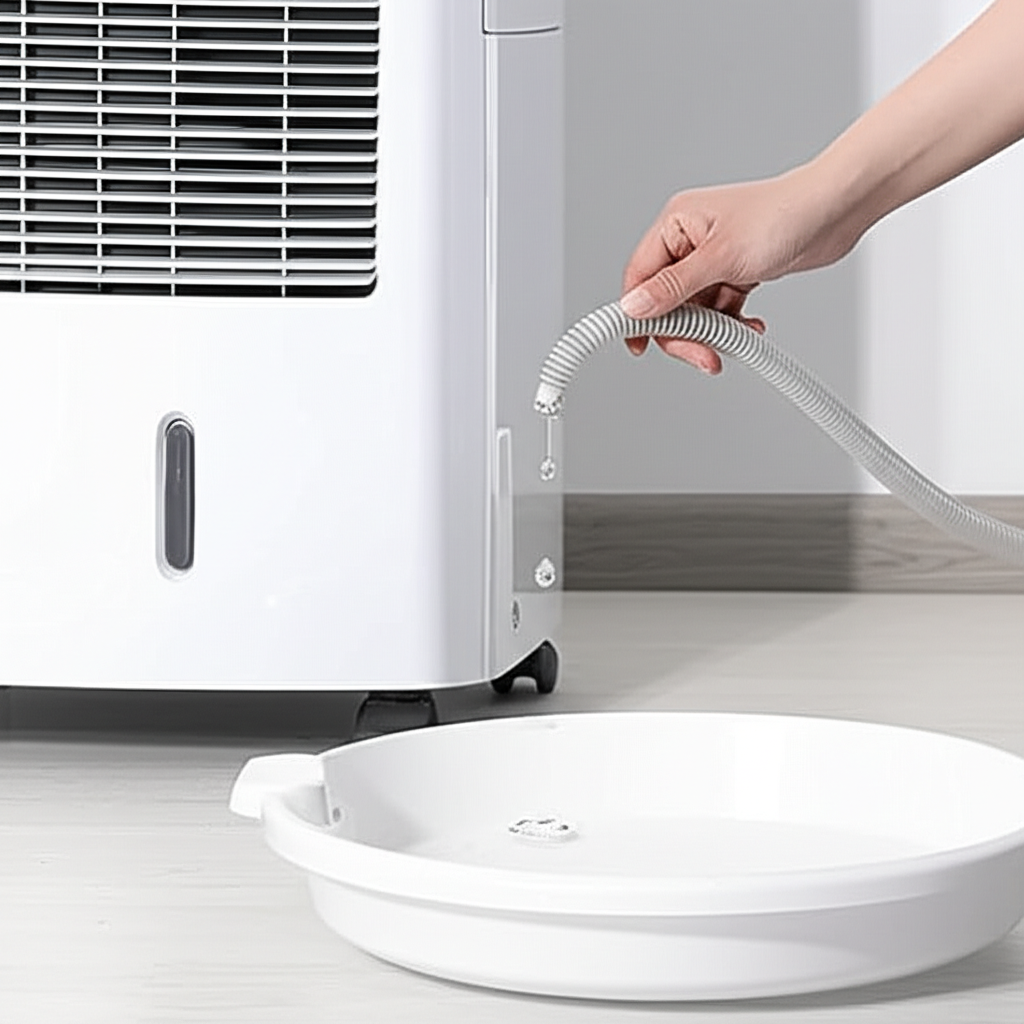
- Gravity Drain (Manual): The unit has a plug or hose connection near the bottom. You must manually drain the water into a bucket.
- Self-Evaporating (Most Common): These smart units use the heat from the condenser to evaporate most of the water out through the exhaust hose. This means less manual draining.
- Internal Collection Tank: The water collects in a small internal bucket. The AC will usually stop working and give you a warning light when this tank is full.
Step-by-Step Guide: How to Drain Your Portable AC Manually
If your unit is dripping or showing a “Full Tank” light, it is time to drain it. This process is simple and takes just a few minutes. Always turn the AC off and unplug it first for safety.
Preparation is Key: What You Need
Gather these simple items before you start the job:
- A towel or old rag for small spills.
- A shallow pan, dish, or bucket that fits under the drain hole.
- Gloves (optional, but good if you have sensitive skin).
The Draining Process (Gravity Models)
Follow these steps exactly:
- Power Down: Turn off the AC unit completely and unplug it from the wall outlet. Safety first!
- Locate the Drain Plug: Look on the back or bottom edge of the unit. You are searching for a small rubber stopper or cap. It might be near the bottom vent.
- Position Your Container: Slide your shallow pan or bucket directly under the drain hole. Make sure the container is stable.
- Remove the Plug: Gently pull out the rubber plug. Some water might start dripping immediately.
- Let It Flow: Tilt the unit slightly backward if needed to help all the water drain out. Let it empty completely. This might take 5 to 10 minutes.
- Replace the Plug: Once the water stops, firmly push the rubber plug back into the hole. Ensure it seals tightly to prevent future leaks.
- Wipe Up: Dry any spilled water on the floor or the unit with your towel.
What If My Unit is Self-Evaporating?
If you have a self-evaporating model, you might rarely need to drain it manually. However, sometimes in very humid climates, the evaporation can’t keep up.
If you see dripping, try this quick check:
- Check the exhaust hose connection. Make sure it is not blocked or kinked. A blocked hose can force water back inside.
- If the problem continues, look for a secondary drain port, usually near the main one, and drain that just in case.
Checking AC Cooling Power (BTUs Explained)
Sometimes, low cooling isn’t about water—it’s about size! If your AC is too small for the room, it will run constantly and might not evaporate water effectively. Here is a quick guide to sizing your portable unit:
| Room Size (Square Feet) | Recommended BTU Range |
|---|---|
| 150 – 250 sq. ft. (Small Bedroom) | 5,000 – 7,000 BTU |
| 250 – 400 sq. ft. (Medium Room) | 8,000 – 10,000 BTU |
| 400 – 550 sq. ft. (Large Living Room) | 12,000 – 14,000 BTU |
For more details on how to match your AC size to your space, check out these helpful guidelines from Energy.gov.
Common Portable AC Troubleshooting: Water Issues
If draining the water does not fix your cooling problem, look here. These issues are common for beginners.
| Symptom | Likely Cause |
|---|---|
| AC won’t turn on | The float switch (safety sensor) thinks the tank is full. |
| Water leaking from the front/top | The unit was tilted too far during setup or movement. |
| Unit blows warm air | The exhaust hose is disconnected or blocked, causing hot air to recycle. |
| Freezing up on the vents | The unit is too small, or the filter is very dirty. |
Remember to always keep the exhaust hose venting outside. If you vent it inside, you are just cooling the hot air that came out of the AC!
Essential AC Maintenance Tips for Dry Running
Preventing drainage issues is easier than fixing them later. A little bit of regular care goes a long way in keeping your portable unit happy.
- Clean the Filter Monthly: A clogged air filter makes the AC work harder and can cause freezing, leading to excess water buildup. Pop it out and rinse it gently under cool water.
- Check the Drain Plug Before Use: Before the hottest part of summer, check that the drain plug is secure.
- Inspect the Hose: Make sure the exhaust hose is straight and pointing out a window or vent. No sharp bends!
- Store It Right: If you put your AC away for the winter, drain it completely first, then leave the plug out for a day to air dry before storing it.
Frequently Asked Questions (FAQ) for New AC Owners
Here are the quick answers to the things I hear most often about portable ACs:
Q: Do I have to drain my portable AC every day?
A: Not usually! Self-evaporating models handle most of it. You only need to check if you live somewhere super humid or if the unit tells you it is full.
Q: Can I just let the water leak out onto the floor?
A: Please don’t! That water can damage your flooring and create slip hazards. Always use a pan or a proper drainage setup.
Q: What if I lose the drain plug?
A: Contact the manufacturer for a replacement part. Do not use tape or something that won’t seal properly, or you will have leaks.
Q: How long should it take for the water to evaporate?
A: In average humidity, it should handle most of it. If it takes more than 8 hours to evaporate a small amount, you might have a blockage in the hose.
Q: Can I run the AC without the drain hose connected?
A: Only for a few minutes, and only if you are actively draining it manually. Running it long-term without the hose means it blows hot air back into your room!
Q: Is it bad if I don’t drain it for a week?
A: If it is a self-evaporating model, no. If it is a manual drain type, yes—it will shut off when full, and you will lose your cool air!
Taking care of your portable AC really comes down to simple checks. You have now learned exactly where the water goes and how to get it out safely. Keep that drain plug tight, your filters clean, and you will save energy and stay cool all summer long. Happy cooling!
