
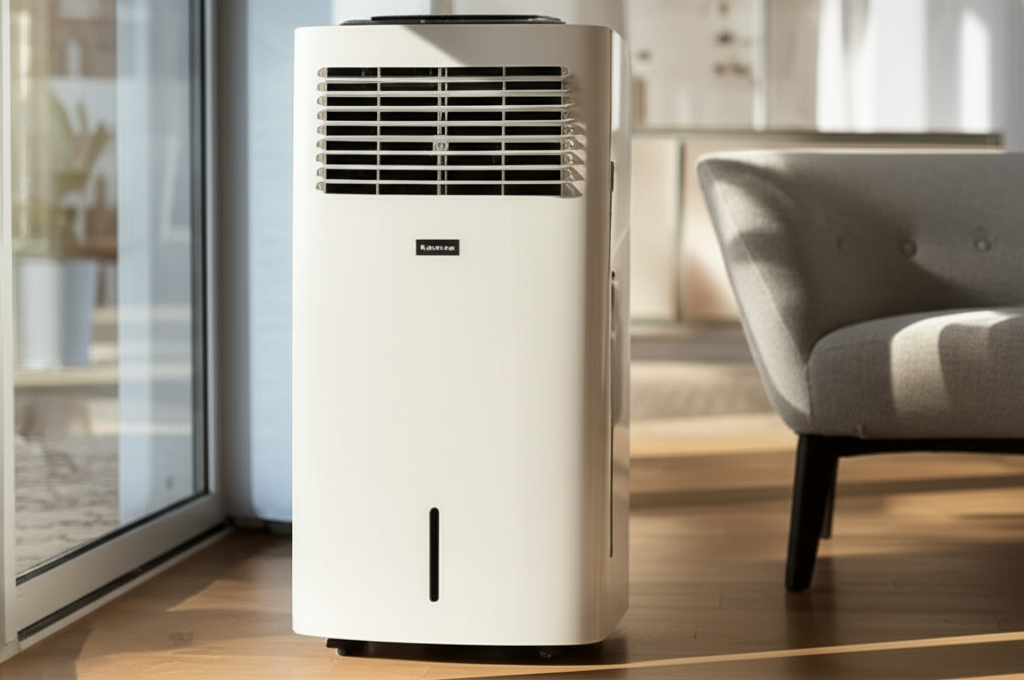
To make your portable AC colder, focus on proper venting, ensuring a tight seal around the exhaust hose, cleaning the filter regularly, and using ice or cold water near the air intake for an immediate boost. Simple fixes make a huge difference!
How To Make Portable AC Colder: Jack’s Guide to Super Chilling
Is your portable air conditioner running, but the air coming out feels just… okay? You are not alone. Many people struggle to get that deep, satisfying cold air from their portable units. These machines are great, but they need a little help to really shine. Don’t worry about confusing manuals or high electric bills today. I am Jack, and I will show you simple ways to boost your AC’s cooling power.
We are going to look at easy setup tricks and quick maintenance tips. You will learn how to seal leaks and where to place your unit for the best results. Get ready to feel truly cool this summer!
Step 1: Perfecting the Exhaust Setup (This is Crucial!)
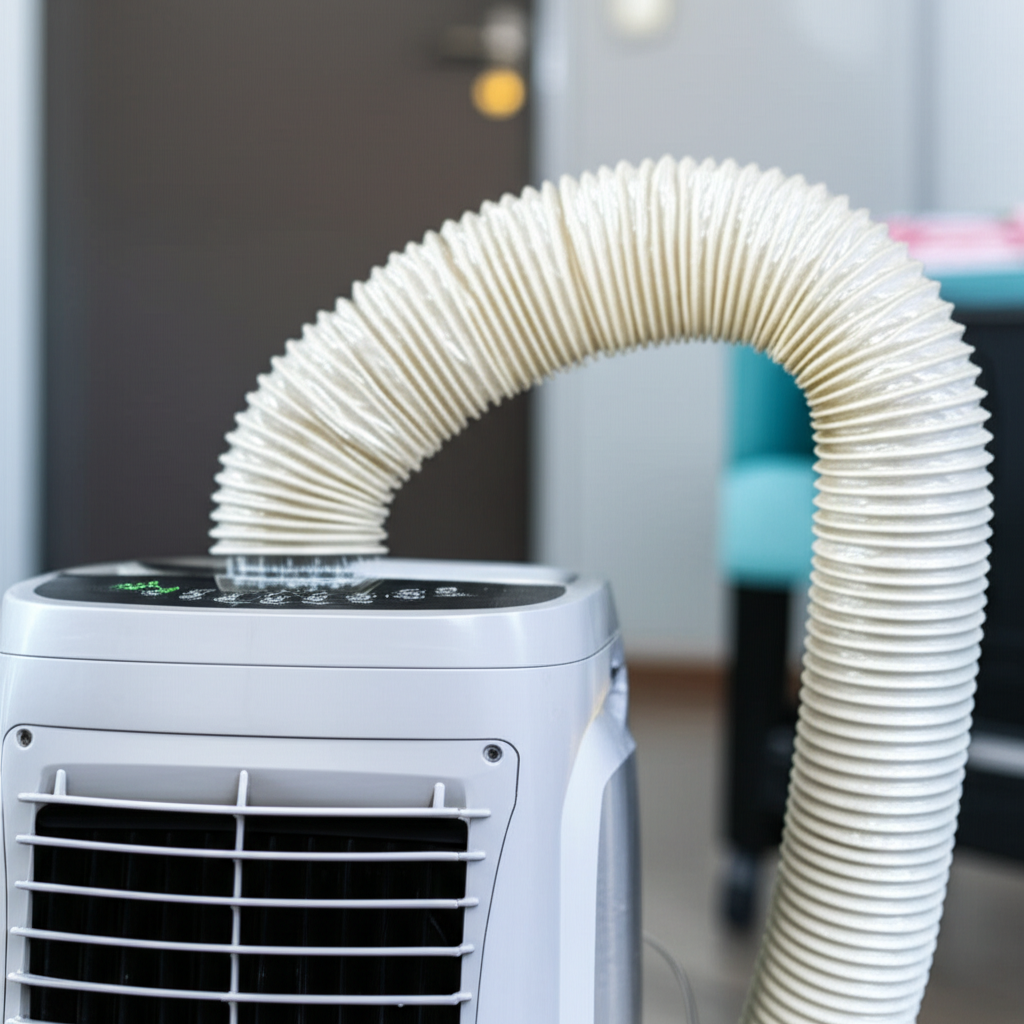
Portable AC units work by taking hot air from your room, cooling it down, and blowing the cold air back out. But that hot air has to go somewhere—that is what the big hose is for.
If the hot air leaks back into the room, your AC works twice as hard for half the cooling. This is the number one reason for weak cooling.
How to Seal Your Window Vent Kit
Your portable AC comes with a window kit. You must install this kit correctly. It stops the hot air from sneaking back in.
- Check the Hose Connection: Make sure the exhaust hose snaps tightly onto the back of the AC unit. Wiggle it gently to confirm it is secure.
- Position the Window Panel: Slide the plastic panel into your window opening. It should fit snugly.
- Seal the Gaps: Use the foam weather stripping that came with the kit. Stick this foam around the edges where the panel meets the window frame and the sash.
- Close the Window Tightly: Pull the window sash down as far as it will safely go against the panel. A tight seal blocks hot outdoor air from sneaking in.
Think of it like trying to blow up a balloon—if there is a hole, you lose pressure. A good seal means strong, cold air pressure.
Step 2: Regular Cleaning for Maximum Chill
Dirt and dust are the enemies of cold air. They clog up the machine, making it less efficient.
Clean Your Air Filter Every Two Weeks
Your air filter catches dust. If it gets too dusty, the AC cannot suck in enough air to cool it down. This is simple maintenance that saves energy.
- Locate the filter, usually on the side or back of the unit.
- Slide or pop the filter out carefully.
- Rinse it gently under lukewarm water until the water runs clear. Do not use harsh soaps.
- Let the filter dry completely before putting it back in. Never run the AC with a wet filter.
If your unit has cooling coils (like the back of a fridge), try to gently dust them too. Look for the instruction manual for coil cleaning tips.
Step 3: Smart Placement Makes a Big Difference
Where you put your portable AC matters just as much as how you set it up. You want it to cool the room, not the sunny wall.
Avoid Direct Sunlight and Obstructions
Never place the unit where the sun shines directly on it for hours. The unit’s body will absorb heat, making the cooling job harder.
- Keep the AC at least 2 feet away from walls, curtains, and furniture.
- Ensure nothing blocks the front air intake or the rear exhaust opening.
- If possible, place the unit in the center of the room, not tucked away in a corner.
Also, remember that portable ACs create condensation (water). Make sure the drain pan or hose is set up correctly so water is draining outside or into the collection bucket.
Step 4: Quick Hacks for an Instant Temperature Drop
Sometimes you need that blast of cold air right now. These tricks use physics to help your unit along temporarily.
The Ice Bath Trick (For Evaporative Cooling Boost)
While portable ACs are not swamp coolers, adding a little extra cold mass can help the air feel colder for a short time. This works best on single-hose units, but can help others too.
- Find a shallow, sturdy pan or bucket.
- Fill it with ice or frozen water bottles.
- Place this bucket directly in front of the unit’s intake vent (where the air goes in).
- As the AC draws air across the ice, the air temperature drops slightly before it is blown out.
Important Note: This is a temporary boost. Do not try to pour water directly into the machine unless your manual specifically says it is a feature (like some evaporative coolers).
Understanding Your AC’s Power
If your room is huge and your AC is small, no trick will make it ice cold. You need the right size unit for the space.
BTUs (British Thermal Units) measure cooling power. A bigger room needs more BTUs.
| Room Size (Sq. Ft.) | Recommended Portable AC Size (BTUs) |
|---|---|
| 150 to 250 sq. ft. | 5,000 to 6,000 BTUs |
| 250 to 400 sq. ft. | 7,000 to 8,000 BTUs |
| 400 to 550 sq. ft. | 9,000 to 10,000 BTUs |
| 550 to 1,000 sq. ft. | 12,000+ BTUs |
If you live in a very hot, humid climate, you might want to size up by about 10% to ensure the AC can keep up. For more detailed sizing information, check out resources from the U.S. Department of Energy: Energy.gov.
Common Mistakes That Kill Portable AC Cooling
Sometimes making things colder is about stopping the things that make it warmer. Beginners often make these small mistakes.
- Using the Timer Too Much: If you set the AC to shut off, it stops removing humidity. High humidity makes the air feel much warmer than it really is.
- Forgetting the Dehumidifier Setting: If it is muggy outside, run the AC on a lower fan speed, which lets it focus more on pulling water out of the air.
- Setting the Thermostat Too Low: Setting it to 60°F won’t make it colder faster. Set it to your comfort level (like 72°F) and let it run efficiently.
- Using It in a Large Open Space: Portable ACs are best for single, enclosed rooms. They struggle to cool large open-plan living areas effectively.
Troubleshooting Weak Cooling
If you have cleaned everything and sealed the hose, but the air still feels weak, check this simple chart.
| Symptom | Most Likely Cause |
|---|---|
| Air is cool but not very cold. | Dirty filter or poor window seal (hot air leaking in). |
| Unit runs constantly but temperature doesn’t drop. | AC unit is undersized for the room, or condenser coils are blocked. |
| Water is leaking onto the floor. | Drain hose is kinked, clogged, or the collection bucket is full. |
If you suspect a major mechanical issue, it is always best to check the manufacturer’s troubleshooting guide or contact support. You can often find great user-generated solutions on sites like Consumer Reports, too: Consumer Reports.
Your Path to Perfect Portable Cooling
Getting a portable AC to deliver its best performance is not rocket science. It is mostly about good setup and simple upkeep. Remember to keep that exhaust hose sealed tight—that is your biggest battle against hot air!
Keep those filters clean, and give your unit space to breathe. A few minutes of maintenance each month will keep your portable AC chilling like a champ all summer long. Stay cool, my friend!
