
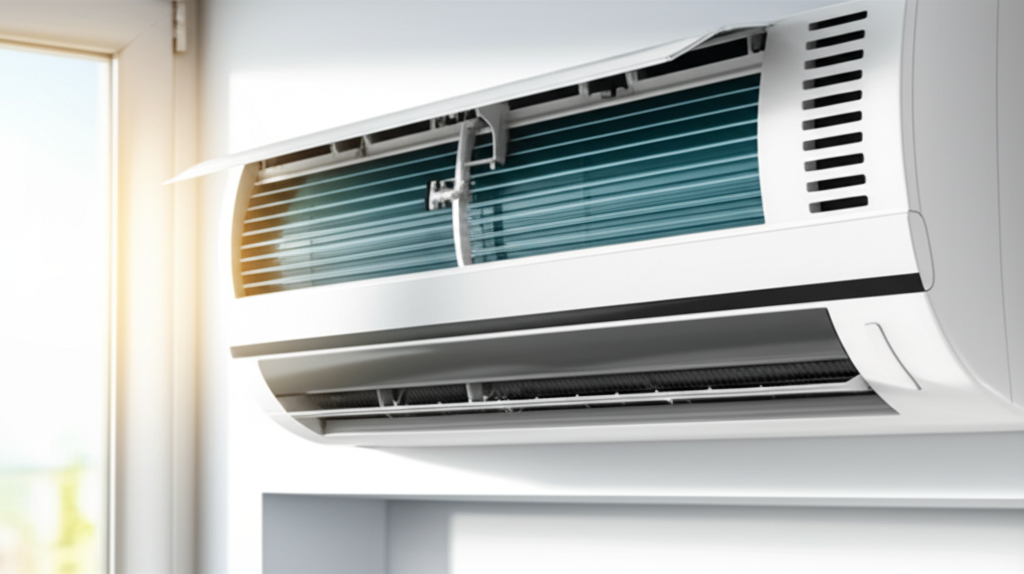
Quick Summary: To boost your window AC efficiency, keep the filter clean, ensure proper sealing around the unit, and use a smart thermostat. These simple steps slash energy waste and keep you cooler for less money.
Are you sweating a little too much while looking at your high electric bill? That is never fun. Window air conditioners are great for quick cooling, but sometimes they seem to struggle or cost too much to run. You do not need to be an HVAC genius to fix these issues.
I’m Jack from ACReviewHub.com, and I’m here to help you out. We are going to walk through easy, real-world fixes that make a big difference. Get ready to learn simple secrets that maximize your cool air and minimize your energy drain.
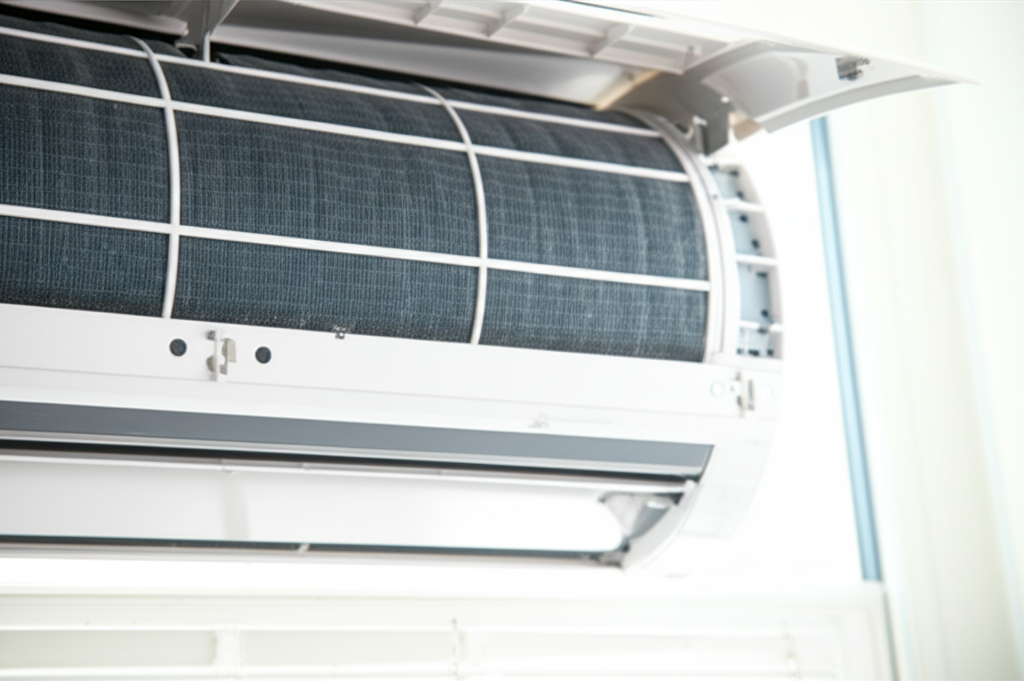
The Golden Rule: Clean That Filter!
This is the absolute first step for better efficiency. A dirty filter blocks airflow like a clogged straw stops you from sipping your drink. When air can’t move freely, your AC has to work much harder.
How Often Should You Clean or Replace Your Filter?
It depends on how often you use the unit and if you have pets. Here is a simple guide:
- Light Use (Occasional): Check monthly, replace/clean every 2–3 months.
- Heavy Use (Daily): Check every two weeks, clean/replace every month.
- Dusty Environments (Construction nearby): Check weekly!
Simple Filter Cleaning Steps
Most window AC filters just slide out. Don’t overcomplicate this process.
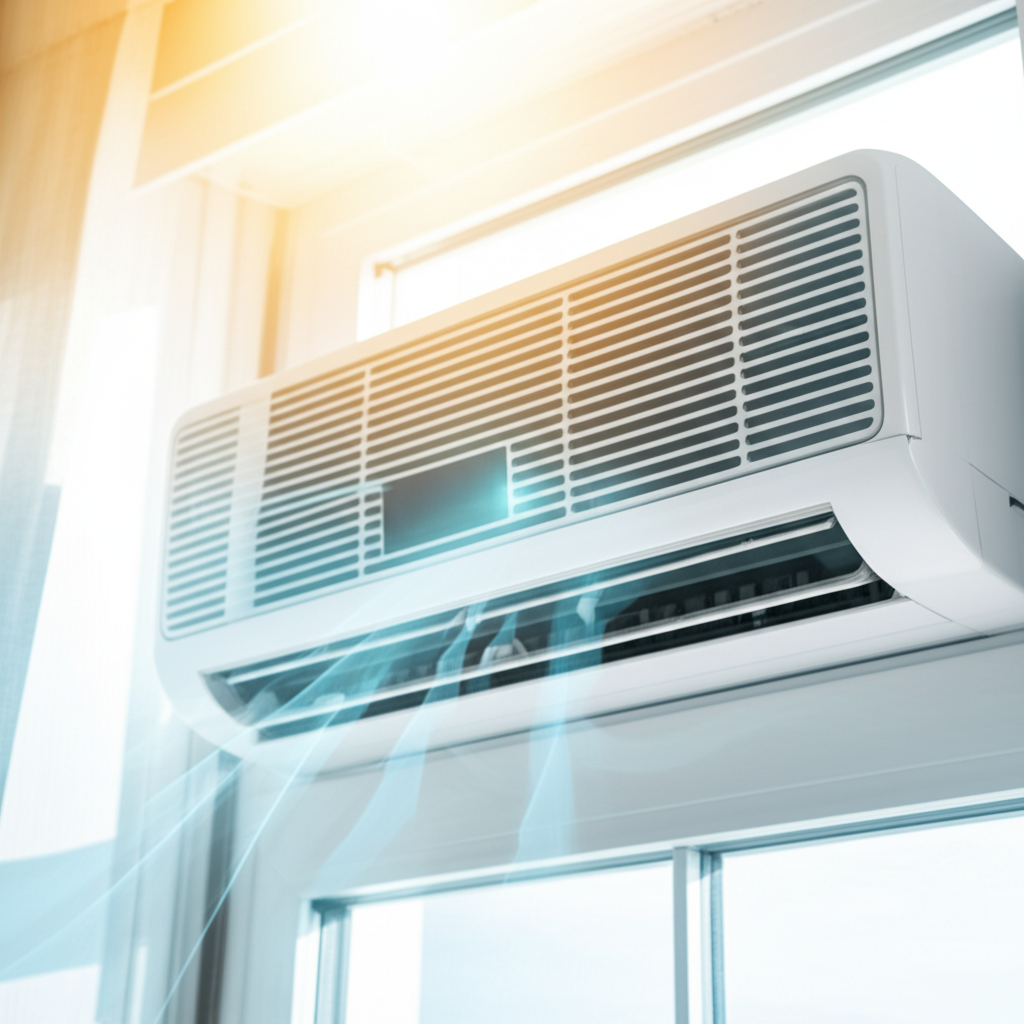
- Unplug the air conditioner for safety first.
- Gently slide out the filter panel.
- If it’s a washable filter, rinse it gently under cool, running water. Do not use hot water.
- If it’s a disposable filter, throw it away and insert a new one of the correct size.
- Let the filter dry completely before putting it back in the unit.
Seal the Gaps: Stop Wasting Cold Air
Your window AC is only as good as its seal against the outside air. If you have gaps around the unit, you are paying to cool your neighbor’s yard.
Checking Your Installation Seals
The accordion panels that extend out from the sides of the unit are common culprits for leaks. They need to fit snugly against the window frame.
Quick Fixes for Air Leaks
We are aiming for a tight, insulated fit. Here are the best materials to use:
- Weatherstripping Foam Tape: This is cheap and easy to stick along the edges of the window frame where the AC meets the glass or frame.
- Foam Installation Blocks: Some kits come with these. Make sure they are fully extended and tight.
- Window Seal Kits (for truly drafty windows): These often involve a plastic panel that seals the gap above the unit, which is great for older windows.
Coil Care: The Hidden Efficiency Killers
Your AC has two sets of coils: the evaporator coil (inside, gets cold) and the condenser coil (outside, releases heat). Both need to be clean.
Cleaning the Outdoor Condenser Coils
If the outside coils are caked with dirt, leaves, or dust, the unit cannot dump heat effectively. This is a huge efficiency killer.
- Unplug the unit again! Safety first, always.
- Use a soft brush to gently sweep away large debris from the outside fins.
- Use a garden hose (low pressure only!) to spray water through the coils from the inside out. You want the dirt to flow out the way it came in.
- Never use a pressure washer; you will bend the delicate fins.
For a deeper clean, you can buy specialized, no-rinse coil cleaner sprays available at hardware stores. Just follow the can’s directions carefully.
Smart Temperature Management
How you set the thermostat makes a massive difference in how often your AC runs.
The Ideal Temperature Setting
The U.S. Department of Energy suggests setting your thermostat to the highest comfortable temperature. For most people, that is around 78°F (25.5°C) when home.
For every degree you lower the setting below 78°F, you use about 3% more energy. That adds up fast!
Using Fans to Boost Comfort
Ceiling fans or portable fans don’t cool the air, but they make you feel cooler by circulating air across your skin (the wind chill effect). This means you can often set your AC 2–4 degrees higher while feeling just as comfortable.
| Cooling Strategy | Energy Impact | Jack’s Quick Tip |
|---|---|---|
| Setting AC to 72°F | High Energy Use | Only go this low when it’s extremely humid. |
| Setting AC to 78°F + Fan | Moderate Energy Use | This is the sweet spot for savings and comfort. |
| Using AC only at night | Variable | Pre-cool the room before you go to bed, then raise the temp. |
When to Upgrade: Knowing Your BTUs
If your unit is old, oversized, or undersized, efficiency tanks, no matter how clean the filter is. An improperly sized unit runs constantly or never cools effectively.
Understanding BTUs (British Thermal Units)
BTUs measure cooling power. You need the right amount for your room size. Too small, it runs forever; too big, it cools too fast without removing humidity, leaving you feeling clammy.
| Room Size (Square Feet) | Recommended Cooling Capacity (BTUs) |
|---|---|
| 150 to 250 sq ft | 5,000 – 6,000 BTUs |
| 250 to 350 sq ft | 7,000 – 8,000 BTUs |
| 350 to 450 sq ft | 9,000 – 10,000 BTUs |
If you are replacing an old unit, look for the Energy Star label. These models are specifically tested to use less electricity while providing the same cooling power. You can find great sizing guides on resources like the Energy Star website.
Preventative Habits for Long-Term Gains
Efficiency isn’t just about fixing problems; it’s about smart daily habits. Think of these as your AC’s preventative medicine.
Daily and Weekly Efficiency Habits
- Block Direct Sunlight: Keep blinds or curtains closed on windows that get direct afternoon sun. This stops your room from heating up in the first place.
- Use Timers: If your AC has a timer function, use it! Don’t cool an empty house for hours.
- Check the Drainage Hole: Make sure the small hole on the back (outside part) of the unit is clear so condensation can drain properly.
- Avoid Over-Cooling: Resist the urge to set it to 68°F. Stick to the 76°F–78°F range.
For more technical background on how AC efficiency works, the experts at ASHRAE (American Society of Heating, Refrigerating and Air-Conditioning Engineers) offer detailed standards, but for us beginners, sticking to clean filters and good seals is 90% of the battle.
Frequently Asked Questions (FAQs)
Q1: Why is my window AC running non-stop but not cooling well?
A: Usually, this means the coils are very dirty, the filter is blocked, or the refrigerant level is low. Start by cleaning everything thoroughly.
Q2: Should I turn my AC off completely when I leave for a few hours?
A: It’s often better to set it a few degrees higher (like 82°F) than turning it off completely, especially if it’s humid. Turning it off lets the house heat up too much, forcing it to work extra hard to cool down later.
Q3: Can I cover the outside part of my window unit in the winter?
A: Yes, covering the exterior portion prevents cold winter air from blowing right through the unit and into your house, saving on heating bills.
Q4: Is it okay if water drips slightly from the indoor side?
A: A little condensation is normal, but constant dripping means the drain pan might be clogged or the unit is tilted incorrectly. Make sure the unit is slightly tilted toward the outside.
Q5: Does opening interior doors help my window AC cool the whole house?
A: Yes, opening doors allows the cool air to circulate into hallways and adjacent rooms, making your cooling more even and efficient overall.
Final Thoughts on Maximizing Your Cool
See? Making your window AC work smarter, not harder, is totally achievable. It all comes down to regular, simple maintenance—especially cleaning that filter and keeping those outside coils clear of junk.
These small actions prevent major energy losses throughout the cooling season. Don’t wait for the unit to fail before you check on it. A little attention goes a long, cool way.
You’ve got this — and cool, comfortable air is just a few simple steps away.
