
Quick Summary: To remove mold from your window AC, unplug it immediately. Gently clean visible mold with a 50/50 white vinegar and water solution, scrubbing with a soft brush, and ensure the unit is completely dry before restarting. Safety first!
Is your window AC blowing air that smells a little… musty? That smell usually means mold or mildew is growing inside where it’s dark and damp. Nobody wants to breathe that in while trying to stay cool. Dealing with air conditioning can feel confusing, especially when strange smells pop up.
Don’t worry one bit. I’m Jack from ACReviewHub.com, and I’m here to make this whole cleaning process simple. We are going to tackle this mold issue step-by-step, safely, so you can get back to enjoying clean, cool air without breaking a sweat. Let’s dive into how to shock that mold away!
Why Does Mold Love My Window AC Unit?
Mold needs three main things to grow: moisture, food (like dust), and the right temperature. Your air conditioner provides the perfect environment for it.
When the AC cools your room, it pulls humidity out of the air. This moisture collects inside the unit, especially on the coils and in the drain pan. If this water sits there too long, mold spores find a cozy home.
This usually happens when the AC sits unused for months, like during the winter, or if you never clean the filters. A dirty filter traps moisture and dust, giving mold a feast.
Safety First: Essential Steps Before You Start Cleaning
Before you touch any part of that unit, we must prioritize safety. Electricity and water do not mix well, especially when cleaning appliances.
Follow these three crucial safety steps:
- Unplug It: Locate the power cord and physically pull the plug from the wall socket. Don’t just turn it off with the remote or the unit’s button.
- Remove It (If Possible): If your window unit is small enough, carefully remove it from the window and place it on a protected surface like a tarp or old towels on the floor.
- Gather Supplies: Get your cleaning gear ready so you don’t have to stop halfway through.
What You Need: Your Mold Removal Toolkit
You don’t need harsh chemicals for this job. Simple household items work perfectly and are much safer for your lungs.
| Item | Purpose |
|---|---|
| White Vinegar (Distilled) | Natural, effective mold killer |
| Water | To dilute the vinegar |
| Soft Scrub Brush or Old Toothbrush | For gently scrubbing fins and accessible areas |
| Microfiber Cloths or Sponges | For wiping down surfaces |
| Spray Bottle | To apply the vinegar solution evenly |
| Safety Gear (Gloves, Mask) | To protect your skin and lungs |
The Shocking Fix: Step-by-Step Mold Removal Guide
This is where we actively fight the mold. Remember, be gentle with the delicate fins inside the unit—they bend easily!
Here is the simple process for tackling visible mold:
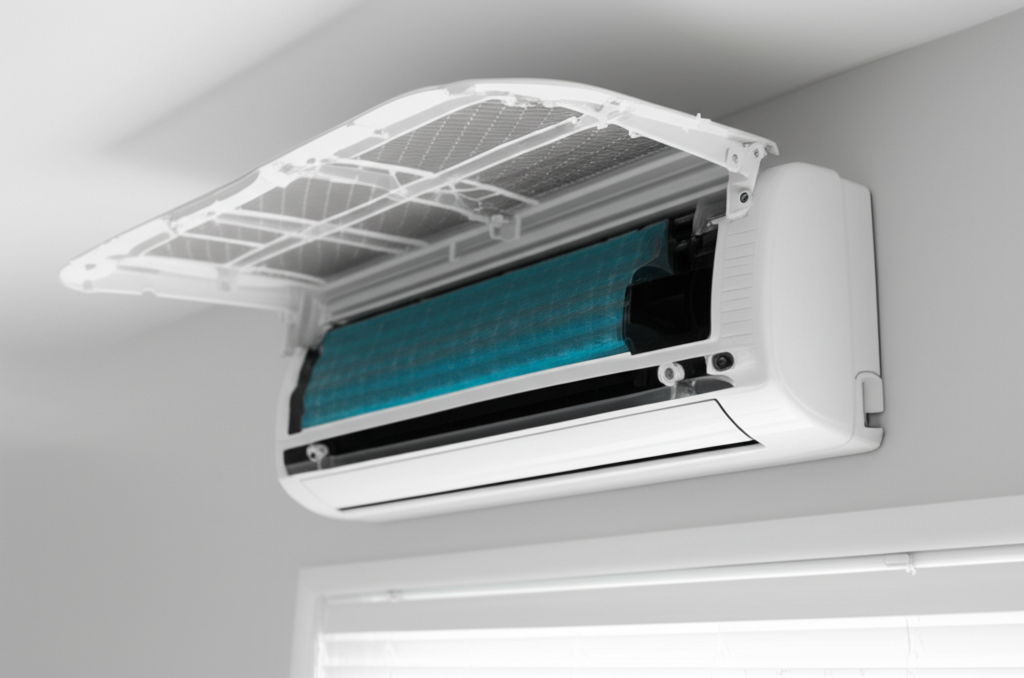
- Remove Outer Panels and Filters: Carefully pop off the front grille or cover. Take out the reusable air filters. If your filters look heavily molded, it’s best to replace them.
- Clean the Filters: Wash reusable filters in warm, soapy water. Rinse thoroughly and let them air dry completely.
- Mix Your Solution: In your spray bottle, mix equal parts white vinegar and water (50/50). This is your mold-busting spray.
- Spray Accessible Areas: Lightly spray the visible mold spots, especially on the plastic housing and the easily reachable parts of the cooling fins. Do not soak the internal electrical components.
- Let It Sit: Allow the vinegar solution to sit on the mold for about 10 to 15 minutes. Vinegar needs time to work its magic and kill the spores.
- Gentle Scrubbing: Use your soft brush or toothbrush to gently scrub away the loosened mold and grime from the surfaces you sprayed. Focus on the plastic housing and the drip tray if you can see it.
- Wipe Clean: Use a damp cloth (just water) to wipe away the vinegar residue and the dead mold.
- Dry, Dry, Dry: This is the most important step! Let the unit air dry completely for several hours, or even overnight if possible. You can use a fan pointed at the unit to speed this up. Mold cannot grow without moisture.
Expert Tip: Dealing with Hidden Mold
If the smell persists after cleaning the accessible parts, the mold might be deep inside on the evaporator coil. For safety, beginners should usually stop here. If you must proceed, you can purchase a no-rinse coil cleaner from an AC supply store, but be extremely careful to keep liquids away from the fan motor and electrical connections.
Preventing Mold’s Return: Long-Term AC Health
Once it’s clean, we want to keep it that way! A little bit of preventative care goes a long way in saving you money and keeping your air fresh.
Make this simple routine part of your cooling season:
- Clean Filters Monthly: Clean or replace your air filters at least once a month during heavy use. This removes the ‘food’ source for mold.
- Run the Fan Before Shutting Off: Before you turn the AC off for the season, run the fan-only mode for about 30 minutes. This helps dry out the internal components.
- Use the “Dry” Mode (If Available): If your AC has a dedicated “Dry” mode, use it occasionally on humid days to pull out excess moisture without over-cooling the room.
- Inspect Annually: Before you install the unit each spring, give it a quick visual inspection inside and out.
For deeper maintenance guidelines, you can always check out resources like Energy.gov on keeping appliances efficient.
Quick Troubleshooting: AC Smells Beyond Mold
Sometimes a bad smell isn’t mold. Here’s a quick guide to figure out what might be happening:
| Symptom | Most Likely Cause |
|---|---|
| Mildew/Musty Smell | Mold or mildew growth inside (addressed above) |
| Burning Smell (Electrical) | Wiring issue or overheating motor—Unplug immediately! |
| Rotten Egg Smell (Sulfur) | Natural gas leak nearby (Do not use AC; evacuate and call utility company) |
| Sweet or Chemical Smell | Refrigerant leak (Call a professional technician) |
Frequently Asked Questions from AC Owners
Q1: How often should I clean my window AC?
You should clean the filters at least once a month, and give the visible parts of the unit a deep clean once per year, before you start using it heavily.
Q2: Is vinegar safe for my AC coils?
Yes, a diluted vinegar solution is generally safe for the plastic housing and accessible fins. Just avoid soaking the electrical parts or the motor housing.
Q3: Can I use bleach instead of vinegar?
I strongly advise against using bleach inside your AC. Bleach is corrosive, can damage the metal components over time, and the fumes are very harsh to breathe.
Q4: My AC still smells after cleaning. What now?
If the smell lingers, the mold is likely deep inside where you cannot reach. It might be time to call a professional HVAC technician for a thorough internal cleaning.
Q5: Can I just leave the AC off all winter?
Yes, but make sure you clean it and let it dry completely before you cover it or store it. Moisture trapped inside during cold months can lead to bigger mold problems later.
Q6: Do I need to worry about black mold specifically?
Any mold should be cleaned promptly. While black mold gets a scary reputation, the main concern with any AC mold is breathing in the spores, which can cause allergy or respiratory issues.
Final Thoughts on Keeping Your AC Fresh
See? Removing that nasty mold smell isn’t rocket science. It just takes a little bit of simple, focused effort using common household supplies. By unplugging safely and using that vinegar trick, you’ve taken big steps to protect your air quality.
The key to avoiding this problem next time is consistency. Check those filters often, and make sure the unit dries out before storing it away. Small maintenance habits save you big headaches (and money) down the road.
You’ve got this — and cool, comfortable air is just a few simple steps away.
