
Quick Summary: To quiet a noisy window AC, first, check that it’s securely installed and level. Then, tighten any loose screws, clean the filters, and use foam or rubber pads to absorb vibrations between the unit and the window frame.
Is your window air conditioner making more noise than a tiny jet engine? You are certainly not alone in this. That constant rattling, buzzing, or humming can really disrupt a quiet evening. Dealing with AC noise can feel overwhelming, especially when you are not sure where to even start looking for the problem. Don’t worry; I am Jack from ACReviewHub.com, and I promise to break down these noisy issues into simple, easy fixes you can handle today. We are going to get your cool air back without all the distracting racket!
Why Is My Window AC So Loud? Simple Causes Explained
Window AC units are usually pretty tough, but over time, things wiggle loose or get dirty. Most loud noises come from just a few common culprits. We will tackle these one by one, starting with the easiest things to check.
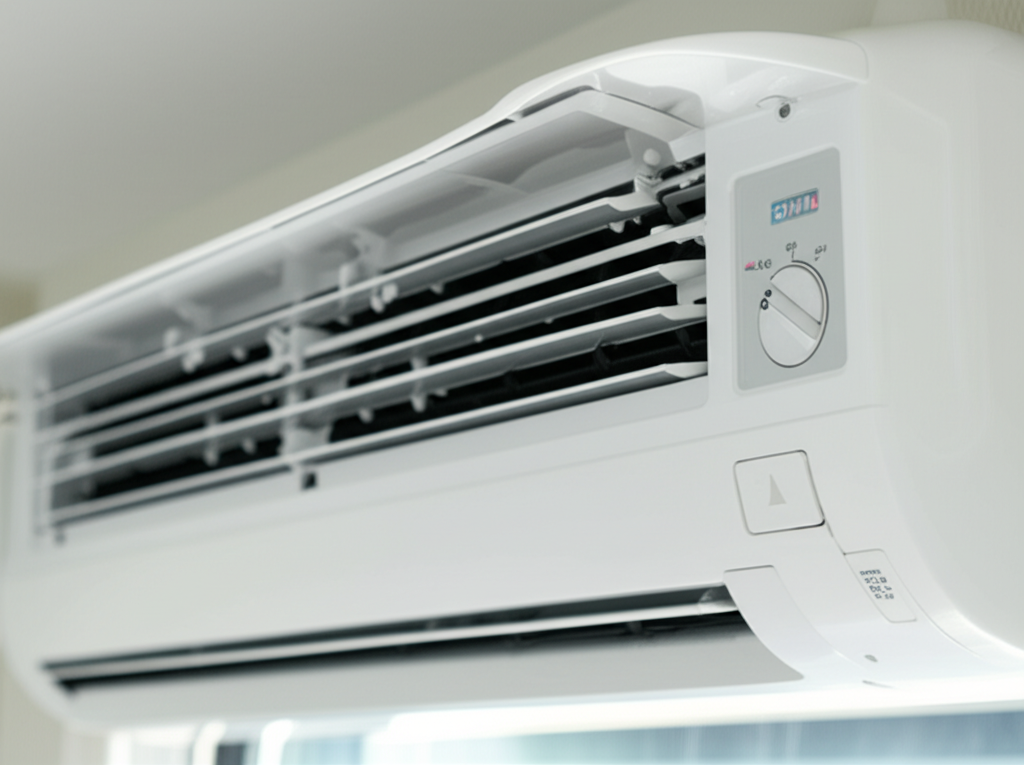
The fan blades might be hitting something inside the casing. Dirt and debris can also build up and throw the motor off balance. Sometimes, the noise isn’t the AC itself, but how it’s sitting in the window. A loose installation lets the whole unit vibrate against the house structure.
Step 1: The Security Check – Is Your AC Snug?
The number one cause of rattling is a loose fit. If the unit rocks even a tiny bit, it will create a loud drumming sound against the window frame.
How to Secure Your Window AC Unit
- Check the Mounting Screws: Look on both the inside and outside brackets that hold the unit in place. Use a screwdriver to gently tighten any screws that feel loose. Don’t over-tighten, just make them snug.
- Inspect the Side Panels: Make sure the accordion-style side panels are fully extended and locked in place against the window frame. These panels are designed to keep the unit stable.
- Examine the Support Bracket (If Used): If you use an external support bracket, ensure its bolts are tight and that it is making firm contact with the wall or sill.
Step 2: Vibration Dampening – Absorbing the Shakes
Even a perfectly installed AC unit will vibrate slightly when running. We need to put something soft between the hard plastic/metal of the AC and the hard window frame to stop that sound from traveling.
Think of it like putting a rubber mat under a noisy washing machine. The same principle applies here. We are aiming to stop physical contact noise.
Easy Materials to Silence Rattles
| Material | Best For | Notes |
|---|---|---|
| Weather Stripping Foam Tape | Gaps between unit and frame | Inexpensive and easy to cut to size. |
| Rubber Grommets/Pads | Under the unit feet | Excellent for dampening floor/sill vibration. |
| Dense Foam Insulation | Inside gaps for soundproofing | Use only in non-airflow areas or behind the front grille. |
You can often find thin, dense foam tape at any hardware store. Carefully slide small pieces into any noticeable gaps between the AC casing and the window sash.
Step 3: Indoor Noise Control – Fixing the Front
Sometimes the noise is coming from the internal parts you can see right near you.
Cleaning and Checking the Front Grille
The front grille (the part with the vents) often vibrates if it’s not clicked in correctly or if the screws holding it are loose.
- Remove the Filter: Pull out your air filter. If it’s clogged, the fan has to work harder, which creates more noise. Clean or replace it immediately.
- Inspect the Grille Screws: Look closely at the screws holding the front panel on. Gently tighten any that are loose.
- Check the Fan Blade: With the unit unplugged for safety, look inside where the filter was. If you see any visible debris touching the fan blades, carefully remove it.
Step 4: The Outdoor Unit – When Noise Comes From Outside
If the noise is clearly coming from the back (the part sticking outside), the issue is usually the fan motor or the compressor.
The compressor is the heart of the AC, and it naturally makes a low humming sound. However, if that hum turns into a loud banging or grinding, it needs professional attention.
When to Call a Pro (Grinding or Loud Clanking)
If you hear metal grinding, loud rattling when the compressor kicks on, or persistent, heavy knocking, stop running the unit and call a technician. This often means a fan blade is hitting the housing or a motor bearing is failing.
For more in-depth information on energy efficiency and general AC health, you can check out resources like the U.S. Department of Energy for great tips on keeping your appliances running smoothly.
Troubleshooting Common AC Sounds
It helps to know what kind of sound means what problem. This table can give you a quick starting point before you grab your screwdriver.
| Symptom (Sound) | Most Likely Cause | Beginner Fix |
|---|---|---|
| Rattling/Vibration | Loose mounting or grille | Tighten screws and use foam padding. |
| Buzzing/Humming (Constant) | Dirty filter or blocked airflow | Clean the filter and check for obstructions. |
| Squealing/High-Pitched Whine | Motor bearings wearing out | Requires professional lubrication or replacement. |
| Banging/Clanking (When starting) | Loose fan blade or debris | Unplug and inspect fan blades carefully. |
Avoiding Future AC Noise: Maintenance Tips
The best way to keep your AC quiet is to stick to a simple routine. A little preventative care goes a long way in keeping those decibels down.
Your Monthly Quiet-Cool Maintenance Checklist
- Clean Filters: Aim to clean or replace the filter at least once a month during heavy use.
- Visual Inspection: Every few weeks, quickly check the outside installation for any visible shifts or new gaps.
- Wipe Down Coils: Dust buildup on the coils outside can make the unit work harder and louder. Use a soft brush to clean the outdoor fins gently.
- Level Check: Ensure the unit remains slightly tilted outward (which is normal for drainage), but not leaning excessively, which causes internal stress.
Frequently Asked Questions About Noisy ACs
Q1: Can I just put cardboard in the gaps to stop the noise?
A: Cardboard works in a pinch, but it can absorb moisture and break down. Foam weather stripping is much better and lasts longer for sound dampening.
Q2: My AC only rattles when the compressor kicks on. Why?
A: That usually means the heavier internal components (the compressor) are causing the whole frame to shake. Tighten the exterior mounting screws first.
Q3: Is it normal for a new AC to be noisy?
A: Some noise is normal, especially the sound of air rushing out. But loud rattling or grinding is not normal for a new unit; check the installation immediately.
Q4: How often should I clean the outdoor fins?
A: If you have trees or live near a dusty area, check them monthly. Otherwise, a thorough clean before and halfway through summer is usually enough.
Q5: Will raising the thermostat make the AC quieter?
A: Not directly. Setting a higher temperature means the unit runs less often, so you hear the noise less often. The noise level itself won’t change.
Q6: Is it safe to run a slightly noisy AC?
A: If it’s a light rattle, yes, it’s usually safe but annoying. If you hear loud grinding or scraping, turn it off right away to prevent major damage.
See? That wasn’t so complicated after all! Most of the time, a noisy window AC is just asking for a little tightening or a good cleaning. Being proactive with these small maintenance steps is the key to keeping your cool without the constant racket.
You’ve got this — and cool, comfortable air is just a few simple steps away.
