
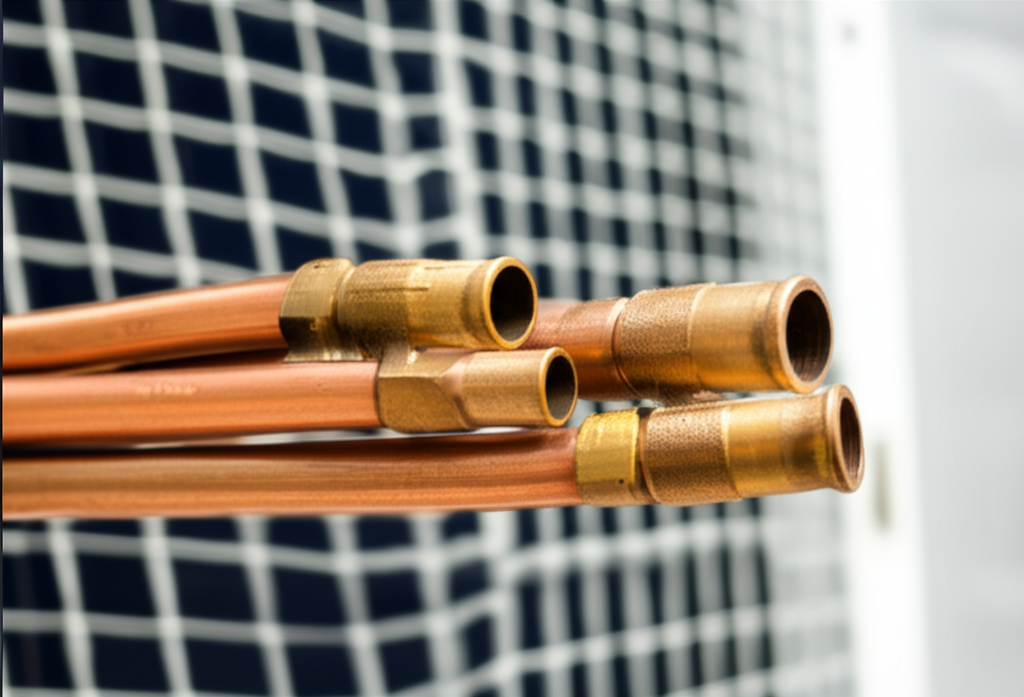
The Mini-Split Line Set Length Limit is crucial! Too long, and your AC won’t cool well or might break early. Keep the lines between the indoor and outdoor units within the manufacturer’s recommended distance (usually 25 to 75 feet) for happy cooling.
Are you trying to install a new mini-split system? Maybe you are just looking at the manual and feeling lost. These systems are amazing for cooling tricky spots, but they have a secret rule you must know. This rule is about the copper pipes, called the line set, that connect the inside part to the outside part.
If these lines get too long, your air conditioner will struggle hard. This means higher bills and less cool air when you need it most. Don’t worry; I’m Jack from ACReviewHub.com, and I promise to make this easy. We will break down exactly what the line set is and how long it can be so you can set up your mini-split perfectly.
What Exactly is the Mini-Split Line Set?
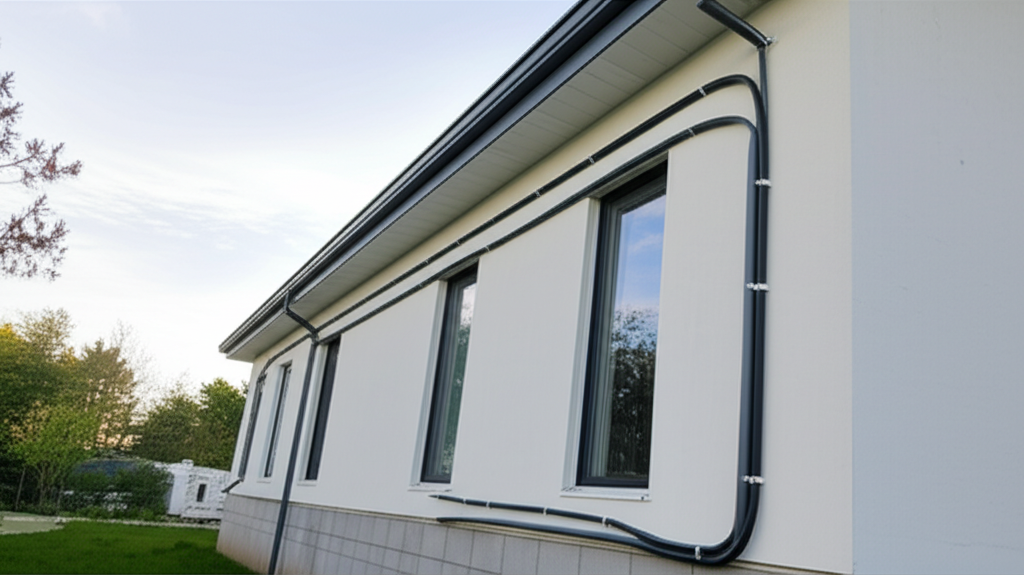
Think of the line set as the AC’s lifeline. It is not just one pipe; it is usually two copper tubes bundled together with some wiring.
One tube carries the cold, low-pressure refrigerant gas to the indoor unit. The other tube carries the warm, high-pressure refrigerant gas back to the outdoor compressor. They must work together perfectly for cooling to happen.
This line set also has a drain line attached. This small hose carries away the water (condensation) the indoor unit collects when it pulls humidity out of your air. Everything needs to be connected just right.
Why Does Line Length Matter So Much?
This is the part where things get a little technical, but I’ll keep it simple, promise. Refrigerant needs to move easily. It’s like a runner needing a clear track.
If the track (the line set) is too long, two main problems happen:
- Pressure Drop: Pushing the refrigerant that extra distance takes a lot of energy. The compressor has to work much harder, which wastes electricity.
- Refrigerant Issues: If the lines are too long, the refrigerant might turn back into a liquid too soon before reaching the indoor unit. This is called “slugging,” and it can seriously damage the compressor—the heart of your AC.
Manufacturers test their units carefully. They set a maximum length based on how powerful the compressor is. Ignoring this limit is the fastest way to cause trouble.
Finding Your Mini-Split’s Magic Number (The Limit)
Every single mini-split model has its own specific rules. You cannot guess this number. You must find it in the paperwork that came with your unit.
Look for these terms in the installation manual:
- Maximum Line Set Length
- Total Refrigerant Piping Length
- Maximum Pipe Run
Most standard residential mini-splits have a maximum length between 25 feet and 75 feet. If you are running lines longer than 50 feet, you usually have to add extra refrigerant.
Table 1: Typical Mini-Split Line Set Length Ranges
| System Type | Common Max Length (Feet) | Notes |
|---|---|---|
| Small Single Zone (9k–12k BTU) | 25 – 50 feet | Check oil return requirements carefully. |
| Medium Single Zone (18k–24k BTU) | 50 – 75 feet | Often requires minor refrigerant adjustments. |
| Multi-Zone Systems | Varies Widely | Each indoor head has its own length limit to the main outdoor unit. |
What If I Need Longer Lines? The Fix Explained
Sometimes, you have no choice. Your perfect indoor spot is just too far from the best outdoor spot. This is where professional installers earn their pay.
If your required length goes past the stated maximum, you must add refrigerant. This process is called “recharging.”
Warning: Do not attempt to add refrigerant yourself. It must be weighed in precisely by a certified technician using special equipment. Adding too much is just as bad as having the line too long!
Here is the general rule for adding refrigerant (always confirm with your manual):
- Find the length that exceeds the manufacturer’s base limit (e.g., if the limit is 50 feet and you need 60 feet, you have 10 feet extra).
- The manual will state how much refrigerant (usually measured in ounces) to add for every foot over the limit.
- A licensed HVAC tech performs this critical step to ensure efficiency and prevent compressor damage.
Installation Tips for Keeping Lines Short and Safe
When planning your setup, remember that shorter is always better for efficiency. A shorter line set means less energy loss.
Here are simple setup steps focused on line length:
- Choose the Closest Spot: Always aim to place the outdoor unit as close to the indoor unit as possible. Think straight lines, not long detours.
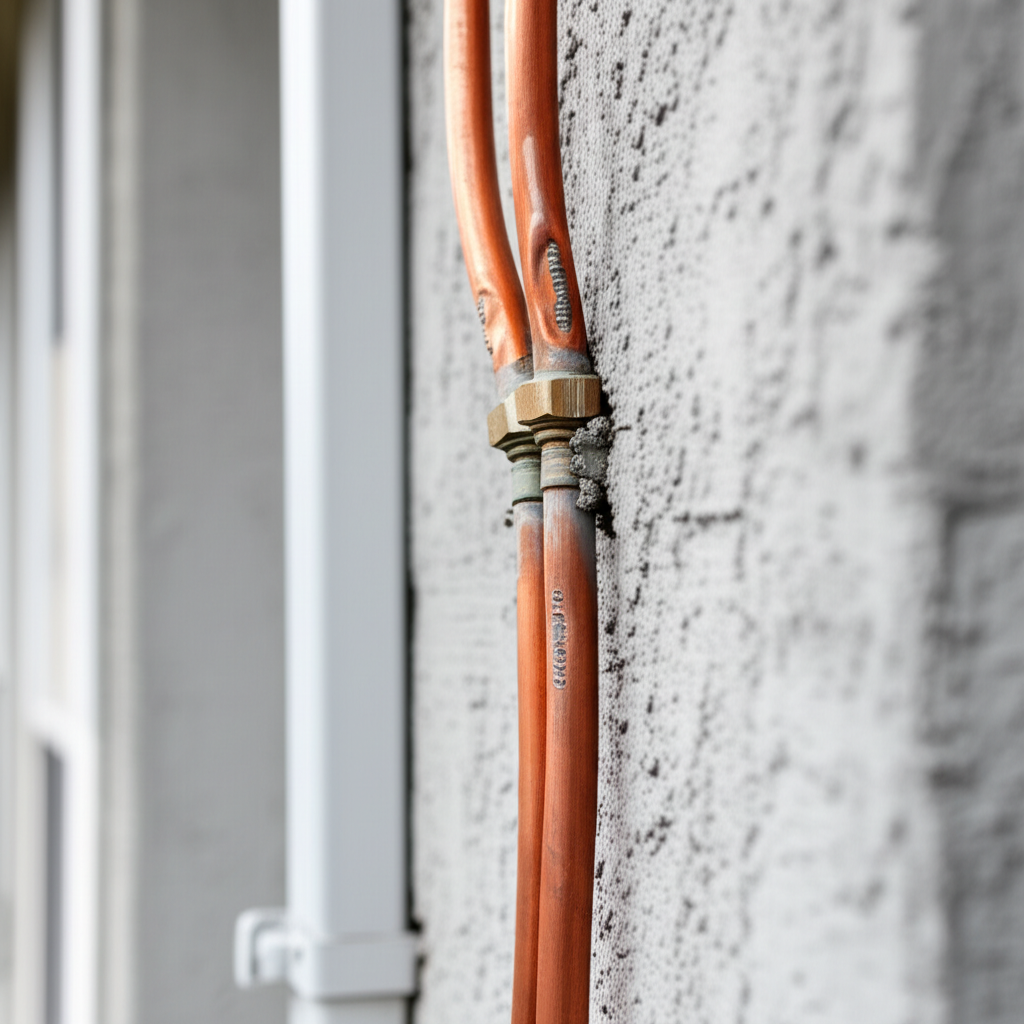
- Avoid Sharp Bends: While the lines are flexible, tight, sharp kinks put stress on the copper and can restrict refrigerant flow. Use gentle curves.
- Properly Insulate: Even if the line is the right length, make sure the insulation around the copper tubes is intact. This stops temperature changes while the refrigerant travels.
- Use Correct Sizing: Make sure the line set diameter matches the sizes specified for your specific BTU rating. Using lines that are too small for a large AC will cause problems, regardless of length.
For more reliable guidelines on sizing and efficiency, checking out resources from the Department of Energy can be very helpful: Energy.gov Cooling Systems Info.
Common Mistakes Beginners Make with Line Sets
I have seen homeowners make these mistakes many times, leading to costly repairs down the road. Learning to avoid these pitfalls saves you money!
- Guessing the Length: Measuring by eye instead of using a tape measure. Always measure the exact path the line will take.
- Using Old Lines: Never reuse old line sets from a previous AC system. They might have contaminants or be the wrong size.
- Not Flaring Properly: The connections (flares) at the ends of the copper pipes must be perfect seals. A tiny leak means lost refrigerant and poor cooling.
- Ignoring Vertical Rise Limits: Some manuals also limit how high the lines can rise vertically between the indoor and outdoor units. This is also about fighting gravity and pressure.
To ensure you are using the right sizes for your unit’s power, always refer to the ASHRAE standards or your specific manufacturer’s requirements for optimal performance: ASHRAE Official Site.
Frequently Asked Questions About Mini-Split Lines
Got a quick question? Here are the answers you need right now.
Q: Can I use regular copper tubing instead of the pre-insulated line set?
A: No way! You must use line set specifically designed for AC refrigerant. It has the right thickness and built-in insulation to keep things cool.
Q: What happens if my line set is too short?
A: If it’s too short, the unit might cycle on and off too fast, or the refrigerant pressures could get too high, which is hard on the compressor. Coil it up gently if you must.
Q: How much extra refrigerant should I add for every extra foot?
A: This changes based on the BTU size and the type of refrigerant (like R-410A or R-32). You must check the specific table in your manual for the exact amount.
Q: Is it okay if the line set runs outdoors exposed to the sun?
A: It’s better if you can cover it! Direct sunlight heats up the lines, making the AC work harder. A simple UV-resistant conduit or protective wrapping helps keep efficiency up.
Q: Does the line length affect the warranty?
A: Absolutely. If a technician finds that the line set exceeded the maximum length without the required refrigerant adjustment, the manufacturer can deny a warranty claim if the compressor fails.
Keep Your Cool by Staying Informed
Dealing with AC specifications can feel like reading a foreign language, but the line set length limit is one of the easiest rules to follow. Remember, your mini-split is a precise machine.
By respecting that maximum distance, you are protecting your investment, keeping your energy bills low, and ensuring you get that wonderful, ice-cold air all summer long. Small attention to detail now saves big headaches later. Stay cool, and happy cooling!
