
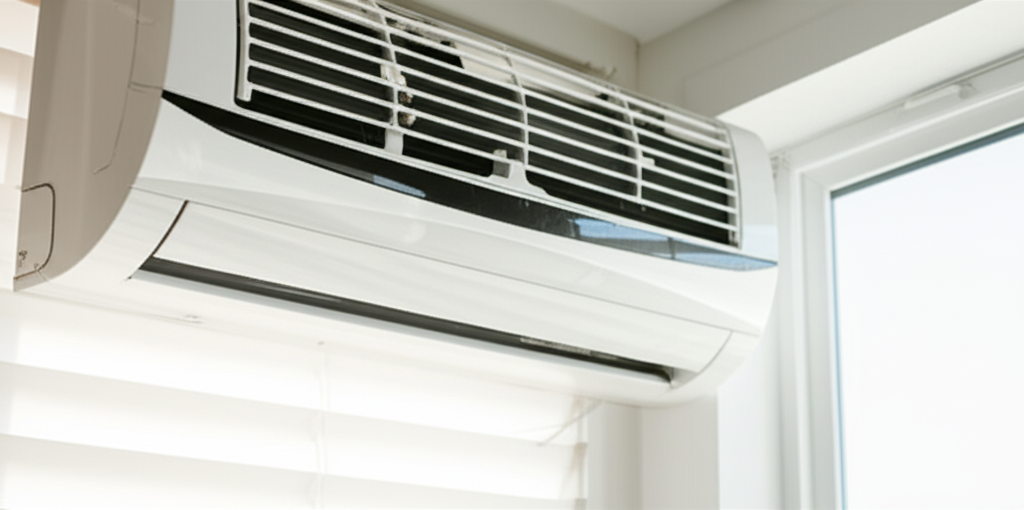
Quick Summary: That stinky smell from your window AC is usually mold, mildew, or dirty water trapped inside the unit. Cleaning the filter and drain pan is the easiest fix to bring back that fresh, cool air.
Is your window air conditioner blasting cold air, but it smells… well, gross? You look forward to that cool relief, but instead, you get a musty, sour odor. It’s frustrating when your AC seems broken, even when it’s still cooling.
Don’t worry; this is a super common issue. We’re going to break down exactly what causes that terrible smell. You’ll learn the simple fixes, so you can stop smelling mildew and start enjoying clean, crisp air again.
Why Window AC Smells Bad: The Horrible Truth Behind the Funk
When your window AC starts smelling bad, it’s usually not a sign of a major mechanical failure. It’s usually a sign that some common, harmless things have gotten a little too cozy inside your machine.
Think of your AC like a damp sponge sitting in a dark corner. If you leave a wet sponge out, what happens? Mold and mildew start to grow, right? Your AC works the same way.
The Big Culprit: Mold and Mildew Growth
The primary reason for that musty, rotten smell is biological growth. This happens because air conditioners create moisture as they cool the air.

As warm, humid air passes over the cold evaporator coils, water condenses—just like sweat forming on a cold glass of iced tea. This water needs a place to go.
Where Does the Stinky Water Hide?
If the water doesn’t drain away properly, it sits in dark, damp spots inside the unit. This creates the perfect breeding ground for bacteria, mold, and mildew.
- The Drain Pan: This pan catches the condensation water. If it gets clogged or tilted, water sits too long.
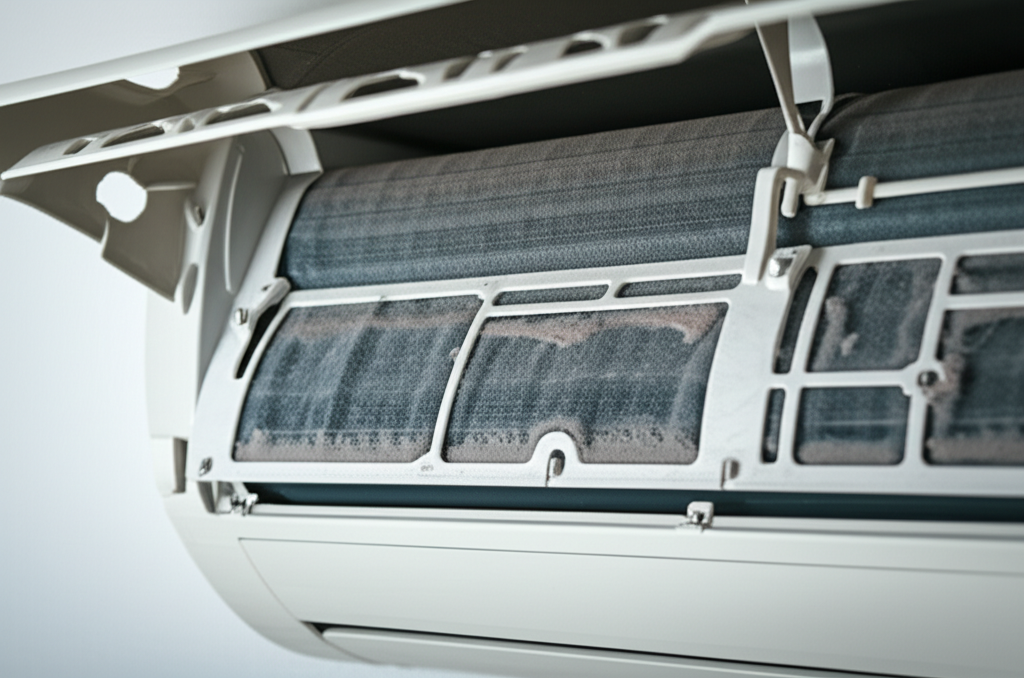
- The Evaporator Coils: These cold coils are where moisture collects first. If they stay wet between uses, mold can form directly on the fins.
- The Air Filter: Filters trap dust and debris. When they get saturated with moisture, they become food for mold spores.
Smell Breakdown: What Kind of Stink Are You Sniffing?
Different smells usually point to different problems. Knowing the scent can help you pinpoint the cleaning area faster. Here is a quick guide:
| Smell Type | What It Usually Means | Severity |
|---|---|---|
| Musty or Earthy | Mold or mildew buildup in the drain pan or coils. | Common, easy to clean. |
| Sour or Rotten Egg | Stagnant water or bacteria growth in the drain pan. | Needs immediate cleaning. |
| Burning or Electrical Smell | Overheating motor or dirty electrical components (Caution!). | Turn off immediately and call a pro. |
| Chemical or Vinegar Smell | Sometimes caused by cleaning products reacting with residue, or a refrigerant leak (rare in window units). | Check recent cleanings first. |
Why Does My AC Only Smell When I First Turn It On?
This is the classic sign of mold or mildew that has settled on the coils or in the drain pan while the unit was off. When you turn it on, the fan blows those trapped spores right out into your room.
If you turn the AC off for a few weeks, the interior dries out slowly. But if it stays humid, the smell builds up until the next startup.
Easy Fixes: How to Get Rid of That AC Smell Today
The good news is that most stinky AC issues are totally fixable by you, without calling a technician. We just need to clean out the damp spots.
Step 1: Clean or Replace the Air Filter
This is the easiest and most important first step. A dirty filter holds onto moisture and dust.
- Unplug your window AC unit completely for safety.
- Locate and slide out the reusable filter panel (usually behind the front grille).
- If it’s a thin paper filter, replace it with a new one.
- If it’s a washable filter, clean it gently with mild soap and warm water. Let it dry completely before putting it back.
Step 2: Inspect and Clean the Drain Pan
The drain pan collects the water. If it’s slimy, that’s your smell source.
Pro Tip: Most window units are designed to slant slightly outward so water drains outside. If yours is tilted inward, water pools inside.
- Unplug the unit again.
- Access the inside of the unit where you can see the bottom pan (this might require removing the outer casing screws—be careful!).
- Gently wipe out any standing water or visible slime using a cloth dampened with a mild solution of water and white vinegar (a natural disinfectant).
- Ensure the drain holes at the bottom of the pan are clear of debris.
Step 3: Deodorize the Coils (The Deep Clean)
For a deeper clean that tackles the source of the mildew, you can treat the coils. Never spray harsh chemicals directly onto the coils.
- Use a specialized, no-rinse foaming coil cleaner designed for air conditioners (available at hardware stores). Follow the product instructions exactly.
- Alternatively, you can spray a very light mist of diluted white vinegar (50/50 with water) onto the coils while the unit is unplugged. This helps kill the odor-causing bacteria.
- Allow the unit to air dry completely before plugging it back in.
Preventing Future Smells: The Best Defense
Once your AC smells fresh, let’s keep it that way! Prevention is always easier than repair.
To help you keep things running smoothly, here is a simple prevention checklist:
| Maintenance Task | Frequency | Why It Matters |
|---|---|---|
| Clean/Replace Filter | Every 2–4 weeks during heavy use | Stops dirt and mold growth. |
| Run AC on ‘Fan Only’ Mode | For 15–30 minutes before shutting off | This dries out the internal components. |
| Check for Proper Tilt | Seasonally | Ensures condensation drains outside, not inside. |
| Deep Coil Cleaning | Once per season | Removes deep-seated grime and spores. |
For more detailed information on general AC efficiency and maintenance, check out the tips provided by the U.S. Department of Energy on keeping your cooling systems running well here.
When To Call a Professional AC Expert
If you’ve cleaned everything thoroughly and the smell persists, or if you notice a strange burning smell, it’s time to call in the cavalry.
A persistent smell might mean mold is deep inside the sealed components, or you might have a different issue entirely, like a refrigerant leak or an electrical problem. These require specialized tools and knowledge.
Frequently Asked Questions from AC Beginners
I know you might have a few lingering questions. Here are the quick answers to what most new AC owners ask me.
Q: Can I just spray Lysol inside my window AC?
A: Nope! Avoid strong chemical sprays. They can damage the sensitive coils or leave behind a worse chemical smell when heated.
Q: My AC smells like sewage sometimes. What gives?
A: That usually means the drain line outside is blocked or backed up, causing dirty water to linger near the exhaust area.
Q: How long should I run the fan before turning the AC off?
A: Aim for 15 to 30 minutes on the “Fan Only” setting. This is your best defense against dampness.
Q: Does using the ‘Dry Mode’ help with smells?
A: Yes, Dry Mode removes humidity without blowing cold air, which helps keep things drier inside the unit between cooling cycles.
Q: Is it safe to breathe air from a slightly smelly AC?
A: If the smell is just musty, it’s probably fine for short periods, but it’s not healthy long-term. Clean it right away to avoid allergy flare-ups.
Q: My AC is brand new, why does it smell?
A: Sometimes, new units have a “manufacturing smell” from plastics or lubricants that burns off during the first few hours of use. If it lasts longer than a day, check the filter.
Q: How often should I check the tilt of my unit?
A: Check it once when you install it for the season. If you live in an area with heavy storms or vibrations, give it a quick visual check mid-season.
Final Cool Thoughts
Dealing with a stinky window AC can feel overwhelming, but as we’ve seen, the cause is almost always simple trapped moisture and grime. By keeping those filters clean and allowing your unit to dry out before shutting it down, you stop mold in its tracks.
Remember, consistent, small maintenance steps save you big headaches (and bad odors) later on. Keep an eye on that filter, and your AC will reward you with clean, cool comfort.
You’ve got this — and cool, comfortable air is just a few simple steps away.
