
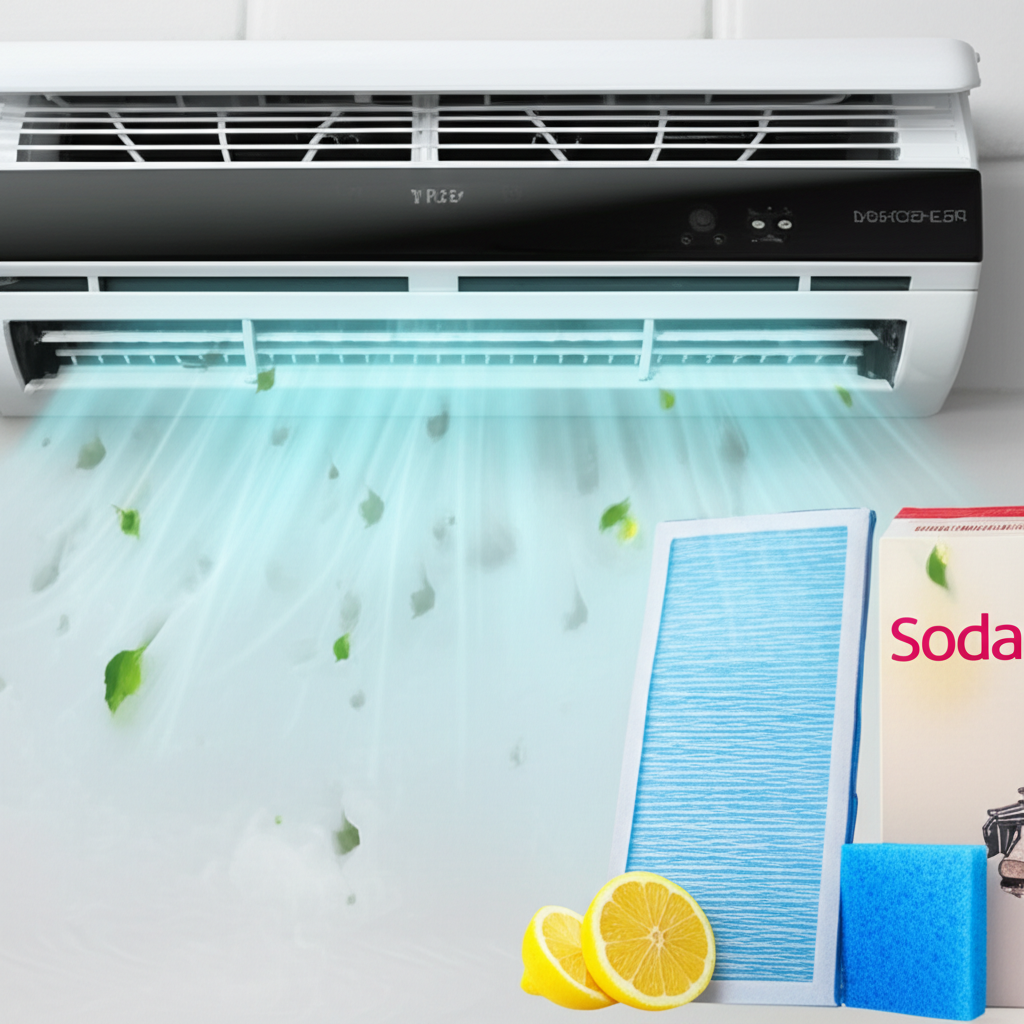
Stinky AC air is usually caused by mold or mildew growing inside. To fix it easily, clean or replace your air filter first. Then, deep clean the coils and drain pan. A simple yearly cleaning stops bad smells for good.
Is your air conditioner blowing out air that smells… well, just plain funky? You are not alone. That musty or sour smell is super common, especially when you first turn the AC on for the season. It makes your cool air feel less refreshing. Dealing with AC issues can feel confusing and expensive. But I promise, most bad smells are simple fixes you can handle yourself. We are going to walk through exactly what causes that smell and the easy steps to make your AC smell fresh again.
Why Does My AC Smell Bad? Simple Causes Explained
That musty smell usually means something is growing inside your system. Think of your AC like a cool, damp basement—perfect for tiny unwelcome guests. These guests are usually mold or mildew. They love the moisture created when your AC cools your home. Here are the top three reasons you smell them.
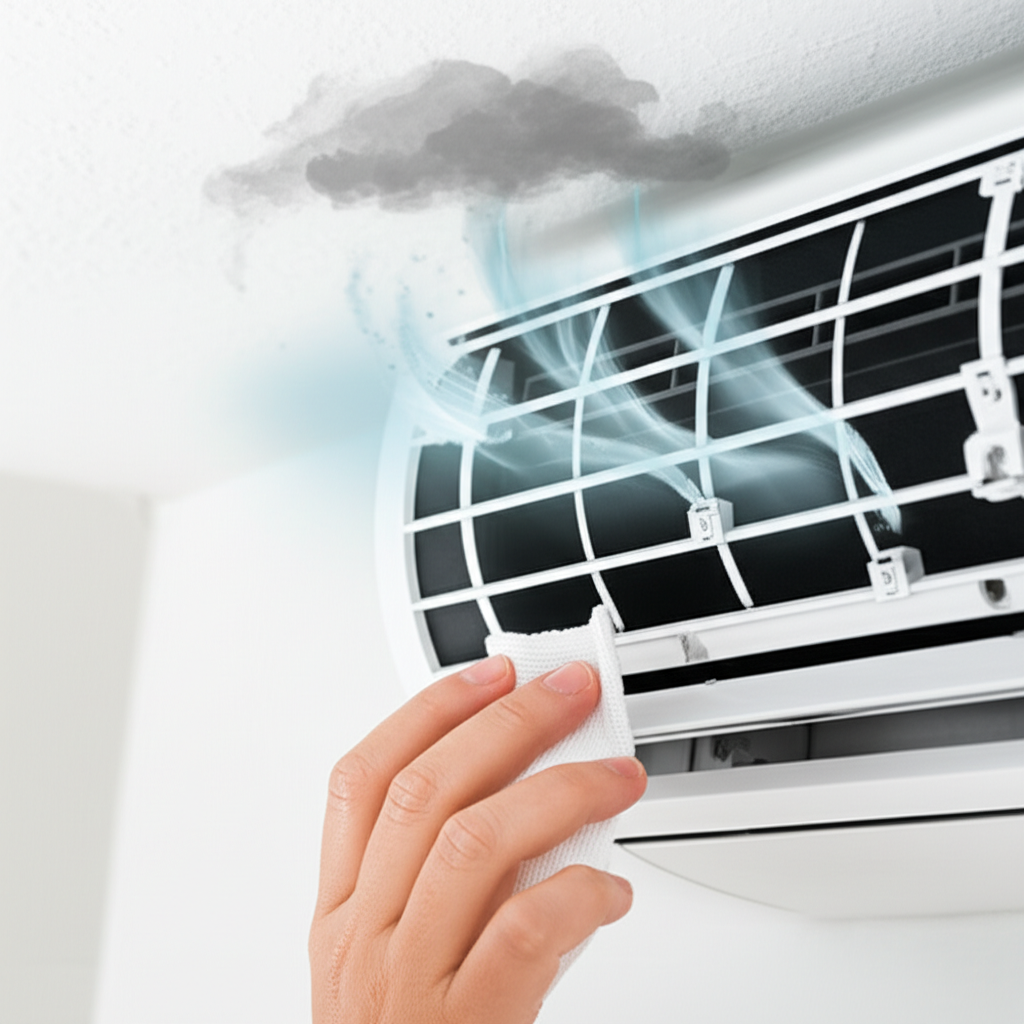
The Dirty Filter is the Culprit
Your air filter’s job is to catch dust, pet dander, and grime. When it gets too clogged, it holds onto moisture. This trapped dirt becomes food for mold. A dirty filter is the number one cause of smelly air.
Moisture Buildup in the Drain Pan
Your AC removes humidity from the air. This water drips into a special tray called the drain pan. If the drain line clogs up, water sits there too long. Stagnant, dirty water breeds algae and mildew quickly. This creates a very strong, often swampy, odor.
Mold on the Evaporator Coils
The evaporator coils get very cold. When warm, humid air passes over them, condensation happens. If these coils are dirty, mold can grow directly on the cold metal. This smell blows right into your room.
Easy Fix 1: Changing Your Air Filter (The Quickest Solution)
Let’s start with the easiest step first. If you haven’t changed your filter recently, this is likely your fix. You do not need a toolbox for this—just a new filter!
Steps to Replace Your AC Filter
- Turn Off the Power: Always turn your air conditioner completely off at the thermostat. For extra safety, find the breaker box and flip the switch for the AC unit.
- Locate the Filter Slot: For a central system, the filter is usually in the return air vent on a wall or ceiling, or sometimes inside the air handler unit itself. For a window unit, it’s right behind the front grille.
- Slide the Old Filter Out: Note which way the arrow on the filter is pointing. Usually, the arrow points toward the unit (where the air is being pulled).
- Insert the New Filter: Make sure the arrow on the new filter points the right way. Slide it in gently until it fits snugly.
- Restore Power: Turn the AC back on at the thermostat and check for fresh air!
Expert Tip: Check your filter monthly, especially during heavy use months. Most homes need a filter change every 30 to 90 days. This simple habit saves you money on energy bills, too!
Easy Fix 2: Deodorizing the Coils and Drain System
If a new filter does not solve the problem, the smell is deeper inside. We need to tackle the coils and the drain pan. We will use simple, safe household items for this.
Cleaning the Evaporator Coils
You should only do this if you have easy access to the indoor unit (the air handler). If you have a central AC, sometimes this job is best left to a professional technician. But for window units or easy-to-reach coils, you can try this:
- Unplug the Unit: Completely disconnect power to the AC unit.
- Access the Coils: Gently remove the outer casing or panel to see the metal cooling fins.
- Spray Coil Cleaner: Buy a no-rinse evaporator coil cleaner from any hardware store. Spray it evenly over the coils according to the bottle directions. It will foam up and drip away the dirt.
- Let it Sit: Allow the cleaner to work for the recommended time. The residue will drain away with the normal condensation.
Clearing Out the Drain Line
A clogged drain line causes water to back up, leading to major smells. This is often a slimy blockage.
You can try pouring a mixture of one cup of white vinegar mixed with one cup of water down the access port of the drain line. The vinegar acts as a mild disinfectant against algae. Do this when the AC is off. This helps clear out slow clogs and kill smell-causing buildup.
When to Call in the Professionals (Knowing Your Limits)
Sometimes, the smell is a sign of a bigger issue that needs professional tools. Don’t worry about the cost; fixing it early saves money later. Here are signs you should call ACReviewHub’s favorite certified technician:
- The smell is like rotting garbage or sewage (could be a duct issue or a dead animal).
- The AC is blowing warm air even after you changed the filter.
- You see visible, thick black mold growth inside the unit.
- The unit is leaking water from places it shouldn’t be leaking from.
For those who want to compare their AC system size before calling a pro, this chart can help you understand the basics of cooling power.
| Room Size (Square Feet) | Required Cooling Capacity (BTUs) | Typical AC Type |
|---|---|---|
| 150–250 sq. ft. | 5,000–6,000 BTUs | Small Window Unit |
| 350–450 sq. ft. | 8,000–10,000 BTUs | Medium Window Unit or Mini-Split |
| 700–1,000 sq. ft. | 18,000 BTUs | Large Window Unit or Central AC Zone |
Understanding how your unit is sized helps you maintain it correctly. For more detailed information on selecting the right size for your home, check out helpful guides from the Department of Energy: Energy.gov.
Preventing Smells Before They Start: Maintenance Checklist
The best way to fix a bad smell is to never have one! Regular, simple maintenance is your best friend. Think of this as giving your AC a quick checkup every season.
Your Seasonal AC Deodorizing Routine
- Filter Check: Inspect and change the filter every month during peak cooling season.
- Coil Wipe Down: Gently wipe the exterior of the air handler or window unit coils twice a year.
- Drain Line Flush: Once in the spring, pour that vinegar/water mix down the drain line access port.
- Clear Vents: Make sure no furniture or curtains are blocking your supply or return vents inside the house. Good airflow means less trapped moisture.
- Annual Professional Tune-Up: Schedule a full service check every year before summer hits. They check the deep components you cannot reach.
Troubleshooting Smells: What Does That Odor Mean?
Different smells often point to different problems. Knowing the smell helps you decide if you need a filter change or a service call. Here is a quick guide to common AC odors.
| Smell Type | Likely Cause | Beginner Fix |
|---|---|---|
| Musty, Earthy, or Mildew | Mold/mildew on coils or in drain pan. | Clean/replace filter; flush drain line with vinegar. |
| Rotten Eggs or Sewage | Dead rodent trapped in ductwork or unit. | Call a professional immediately. |
| Sour or “Dirty Sock Syndrome” (DSS) | Bacteria buildup on the evaporator coil. | Use specialized coil cleaner spray. |
| Burning Plastic or Electrical Smell | Overheating wiring or motor issue. | Shut off power at the breaker and call a technician. |
Frequently Asked Questions About AC Smells
Here are answers to the questions I hear most often from new AC owners.
Q: How long should it take for the smell to go away after changing the filter?
A: If the filter was the main problem, the smell should disappear within an hour or two of running the unit with good airflow.
Q: Can I just spray Lysol into my vents to kill the smell?
A: Please don’t! Aerosol sprays don’t reach the source (the coils or pan). They can leave a sticky residue that actually attracts more dirt later on.
Q: My AC smells fine when it’s running, but smells when it’s off. Why?
A: This usually means moisture is sitting in the drain pan or on the coils right after the system shuts down. Make sure the drain line is draining perfectly.
Q: Is running the fan mode instead of “Cool” mode helpful?
A: Yes! Running just the fan for 15–30 minutes after you turn the cooling off helps dry out the wet coils. This is a great habit to prevent mildew growth.
Q: How often should I deep clean my AC coils?
A: For most homes, an annual professional cleaning is enough. If you have pets or allergies, consider twice a year.
Q: Will a dirty drain pan cause my AC to stop cooling?
A: A severely clogged drain pan can cause water to back up and trip a safety float switch, which will shut the cooling down to prevent flooding.
Keep Your Cool and Keep It Clean
See? Fixing a smelly AC is much less scary than it sounds. Most of the time, the solution is simple maintenance—a new filter or a quick drain line flush. By taking these small, consistent steps, you keep your air fresh and your unit running efficiently all summer long. Stay cool, and happy cleaning!
