
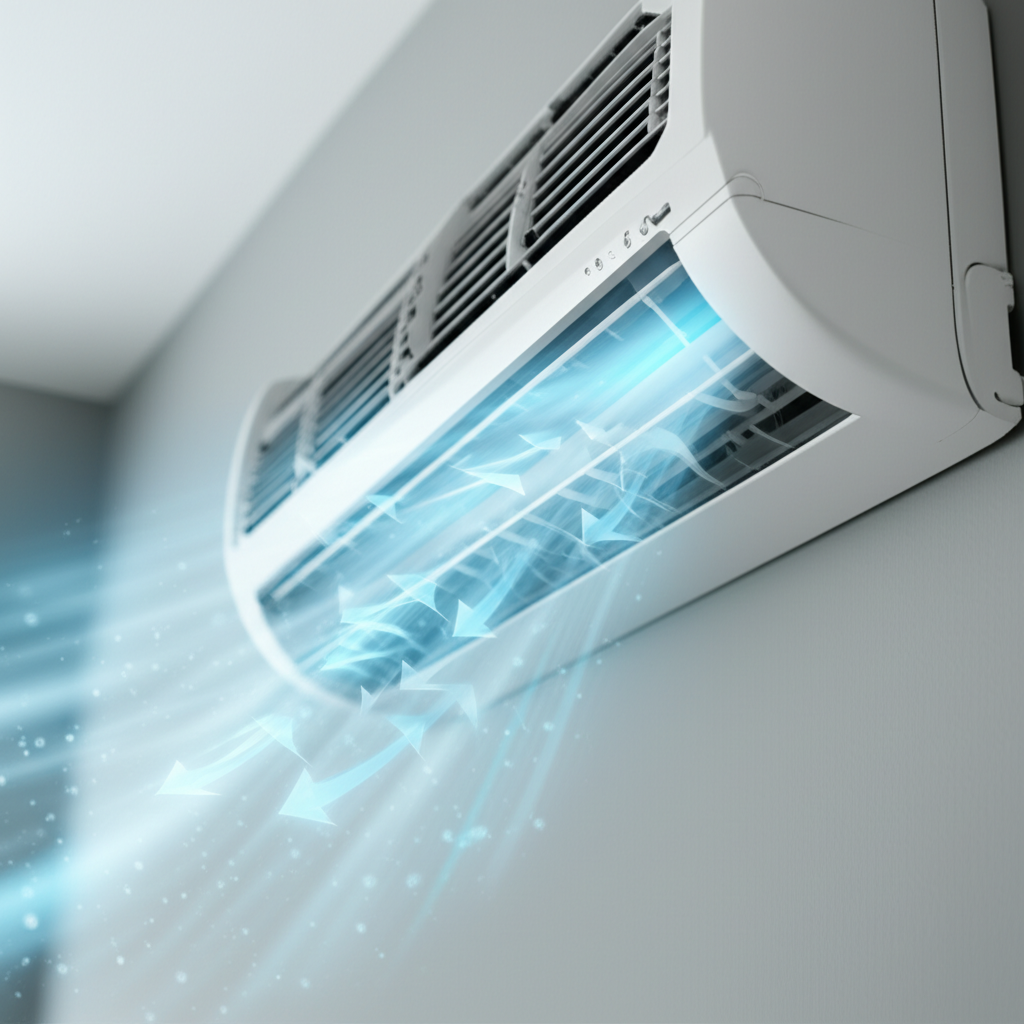
Quick Summary: To improve AC airflow, always start by cleaning or replacing your air filter monthly. Then, make sure vents are open and unobstructed. Finally, keep outdoor unit coils clean so your AC can breathe easily and blow cold air everywhere.
Is your air conditioner running, but the air coming out feels weak? Maybe some rooms stay warm even when the thermostat says it is cool. This is frustrating, especially when the weather gets hot outside. If you’re looking for supplementary cooling or solutions for specific areas, exploring options like the best portable ACs might be beneficial. You do not need to be an HVAC expert to fix these simple airflow problems. I am Jack from ACReviewHub.com, and I promise to show you easy ways to get that cold air flowing strong again. We will cover simple checks you can do today to boost your cooling power and lower your electric bill.
Why Airflow Matters for Your AC Comfort
Think of your AC like your lungs. If your lungs cannot breathe in fresh air easily, you feel tired. If your AC cannot move enough air, it cannot cool your house well. Good airflow means your AC works less hard. This saves you money on electricity. Poor airflow makes the system freeze up or wear out faster. We want your AC to be happy and efficient!
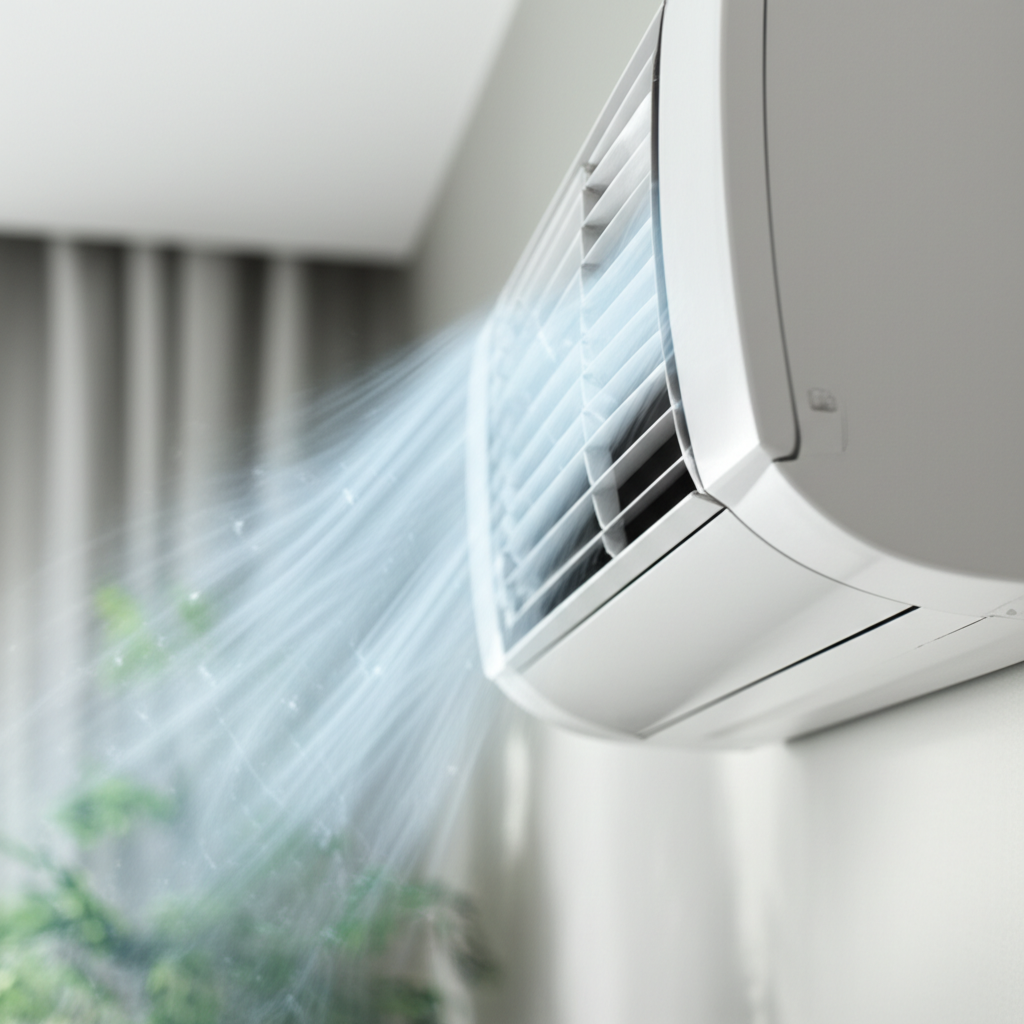
When air moves slowly, two main things happen:
- The system cannot move enough cool air into your rooms.
- The inside coil gets too cold and can start freezing into a block of ice.
Effortless Tip 1: The Magical Air Filter Check
The air filter is the simplest thing to check. It catches dust and dirt before it enters your AC system. A dirty filter blocks the air path completely. This is the number one cause of weak airflow for homeowners.
How Often Should You Change That Filter?
It depends on your home life. If you have pets or allergies, change it more often. For most homes, the routine looks like this:
| Home Situation | Recommended Change Frequency |
|---|---|
| Normal Use (No Pets) | Every 60 to 90 days |
| Homes with Pets or Smokers | Every 30 to 45 days |
| Heavy Construction Nearby | Check Monthly |
Always look at your filter door. It usually tells you where the filter is located. It might be in the air handler unit itself or in a return vent on the wall or ceiling.
Effortless Tip 2: Unblocking the Vents and Returns
Once the air is cooled inside, it needs a clear path to travel to your rooms. These paths are your vents and return grilles. People often accidentally block these spots.
Checking Supply Vents (Where Cold Air Blows Out)
These are the small vents blowing cool air. Make sure they are fully open. Do not close them completely, even in rooms you use less. Closing too many vents puts stress on the whole system. Also, check that furniture or rugs are not sitting right in front of them.
Checking Return Grilles (Where Air Gets Sucked In)
These are the bigger grilles that pull room air back to the AC unit to be cooled again. They need the most air volume. If a big couch is pushed against the return grille, the AC is basically trying to breathe through a straw.
- Move all furniture at least one foot away from return grilles.
- Do not hang curtains or drapes over them.
- If you have decorative screens, make sure they are clean and open.
Effortless Tip 3: Keeping the Outside Unit Clean (The Condenser)
Your outdoor AC unit, called the condenser, needs fresh air to get rid of the heat it pulls from your house. If the fins around the unit are covered in dirt, leaves, or grass clippings, it cannot “exhale” properly.
This is an easy outdoor job. Safety first: always turn off the power to the unit at the breaker box before touching it. You do not want it turning on while you are cleaning!
Simple Steps for Outdoor Cleaning
- Turn off the power to the AC unit at the main electrical panel.
- Use a gentle garden hose (no high-pressure washer!) to spray down the sides of the unit. Spray from the top down, pushing debris out.
- Remove any tall grass or weeds growing within two feet of the unit. Your AC needs space to breathe on all sides.
- Restore power and test the system.
For more detailed efficiency tips, the experts at Energy.gov have great guides on saving energy with your cooling system. They make complex topics easy to understand, just like we are doing here.
Troubleshooting Weak Airflow: Quick Fixes
Sometimes, airflow issues are a sign of something slightly bigger, but still easy to check yourself before calling a pro. Here is a quick chart:
| Symptom | Most Likely Cause (Beginner Check) |
|---|---|
| Airflow is weak everywhere, but unit is running. | Dirty air filter or blocked return vent. |
| Airflow is fine, but the air isn’t cold enough. | Dirty outdoor condenser coils or low refrigerant (needs a pro). |
| Airflow is strong from one vent, weak from others. | A closed damper or blocked ductwork in that specific area. |
| Ice forming on the refrigerant line near the indoor unit. | Extremely dirty filter or low refrigerant (Turn unit OFF immediately). |
Common Mistakes That Kill AC Airflow
Many people accidentally make their AC work harder than it needs to. Avoid these common traps:
- Keeping the Thermostat Too Low: Setting it to 65°F when it is 90°F outside does not cool the house faster. It just makes the system run non-stop, which wastes energy.
- Using Only One or Two Vents: As mentioned, closing too many vents creates pressure imbalances that hurt overall airflow.
- Ignoring the Filter: Thinking you can skip a month because you are busy is a recipe for a clogged system.
- Letting Shrubs Grow Too Close: Plants are nice, but they choke the outdoor unit. Keep plants trimmed back!
Frequently Asked Questions (FAQ)
Q1: Should I turn my AC off completely when I go on vacation?
A: Yes, turn it off or set it very high (like 85°F). You do not want to pay to cool an empty house. Turn it back on a few hours before you return home.
Q2: My vents are blowing warm air. What should I check first?
A: Check the filter immediately. If the filter is fine, check the outdoor unit to see if it is running at all. If the outdoor unit is off, it might be a tripped breaker.
Q3: What is a “damper” and do I need to adjust mine?
A: A damper is like a little door inside your ductwork that controls airflow to certain zones. Unless you have a zoned system you set up yourself, leave these alone. Messing with them can cause major balance issues.
Q4: Can ceiling fans help my AC airflow?
A: Absolutely! Run ceiling fans counter-clockwise in the summer. They push the cool air down toward you, making you feel 4–6 degrees cooler without changing the thermostat. Additionally, pedestal fans can also be a great way to improve air circulation and comfort in specific rooms.
Q5: How do I know if my AC needs more refrigerant?
A: If you suspect low refrigerant (lines are freezing up, system runs constantly but blows warm air), you must call a licensed technician. Refrigerant leaks are not a DIY fix.
Q6: Is it okay to run the AC and the furnace fan at the same time?
A: Most thermostats have a setting called “Fan On” versus “Fan Auto.” Use “Auto” for cooling. “On” runs the fan 24/7, which can just stir up dust and humidity when the cooling isn’t needed. Ensuring your thermostat is accurately set and functioning correctly is key to overall AC efficiency, and you may want to learn how to calibrate your AC thermostat for optimal performance.
Taking good care of your air conditioner does not require a degree in engineering. It just takes simple, regular attention to the basics. By keeping that filter clean, clearing the vents, and giving your outdoor unit space to breathe, you ensure strong, consistent airflow all summer long. Keep up these easy habits, and you will stay cool and save money!
