
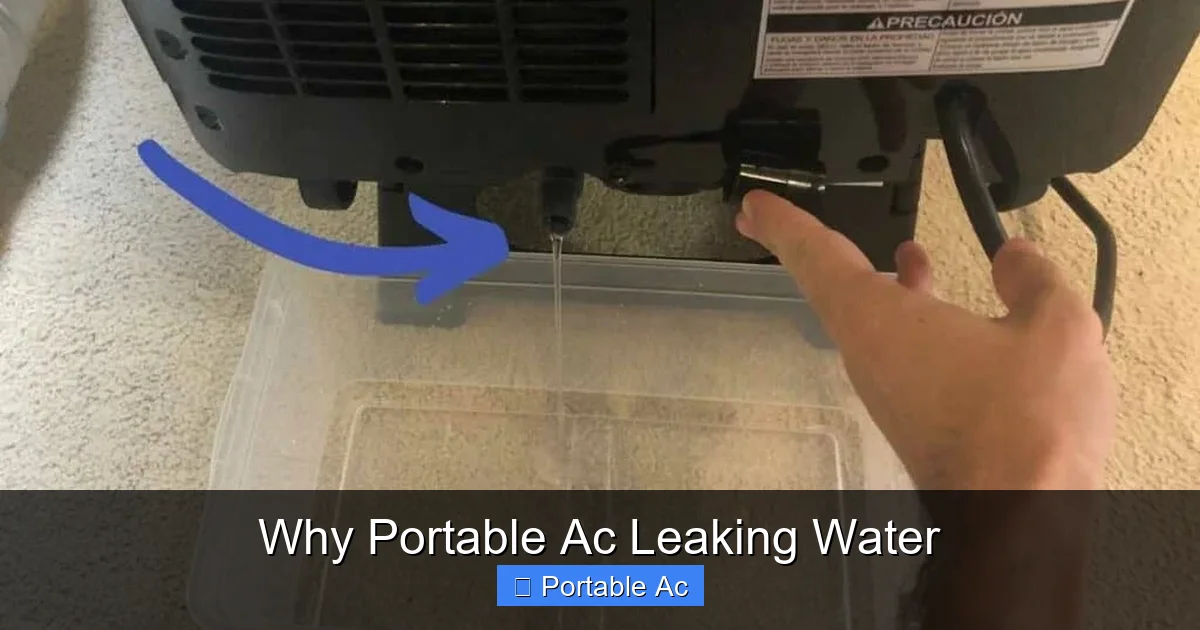
Portable ACs leak water for common but fixable reasons—from clogged filters to improper setup. Understanding the cause is key to stopping the drip and protecting your floors. This guide walks you through each issue with clear steps and preventive tips.
Have you ever walked into your living room and found a small puddle forming under your portable AC? It’s not just annoying—it’s a warning sign. Portable ACs are designed to remove humidity from the air, and that process creates condensation. But when that water doesn’t drain properly, it starts leaking instead. This is one of the most common complaints among homeowners and renters who rely on portable air conditioners for relief during hot weather.
Most water leaks from portable ACs aren’t serious—yet they can damage floors, warp furniture, or even lead to mold if left unchecked. The good news? Understanding why your portable AC is leaking water is the first step to fixing it quickly and safely. In this guide, we’ll walk you through every possible cause, explain how to diagnose the problem, and give you practical, easy-to-follow solutions. Whether you’re dealing with a slow drip or a full-blown flood, you’ll learn exactly what to do next.
Let’s dive into the most frequent reasons your portable AC is leaking water—and how to stop it for good.
Key Takeaways
- Clogged or dirty filters restrict airflow, causing condensation to back up and leak—clean or replace them monthly.
- Improper hose setup is a top cause of leaks; ensure the exhaust hose is straight, sealed, and extends fully outside.
- Low refrigerant levels or a failing compressor can disrupt cooling and lead to excess condensation—this needs professional help.
- Blocked or frozen evaporator coils prevent proper drainage; defrost and clean coils regularly to avoid leaks.
- Incorrect unit placement—like on carpet or near walls—can block drainage or airflow, leading to overflow.
- Drainage blockages in the internal tray or external drain line often cause leaks; flush the system monthly.
- Using the unit without a drain pan in humid climates increases leak risk; always use a pan or towel under the unit.
Quick Answers to Common Questions
Why is my portable AC leaking water even when it’s off?
Even when powered off, a clogged drain line or full internal tray can cause residual water to leak out. This usually happens after the unit has been running and then turned off. Flush the drain line and empty the tray to fix it.
Can a portable AC leak water if it’s not cooling?
Yes. If the evaporator coils freeze due to poor airflow or low refrigerant, they can release a large amount of water when they thaw. A unit that isn’t cooling properly is often the culprit behind sudden leaks.
Is it safe to use a portable AC that’s leaking water?
No. Water near electrical components can cause short circuits or damage. Stop using the unit immediately and inspect it. Leaks indicate a problem that could worsen or pose a safety risk.
How often should I clean my portable AC filter?
Clean the filter every 1–2 weeks during heavy use. In dusty or pet-heavy homes, do it weekly. A dirty filter restricts airflow and causes more condensation than the system can handle.
Can a kinked exhaust hose cause water to leak?
Yes. A kinked or bent hose restricts airflow and can cause condensation to back up into the unit. Always ensure the hose is straight, fully extended outside, and securely connected to prevent leaks.
📑 Table of Contents
Why Portable ACs Leak Water in the First Place
Portable ACs work by pulling warm, humid air through cooling coils. As the air cools, moisture condenses into water. That water is supposed to collect in a tray inside the unit and flow out through a drain hose—usually into a bucket or directly outside your window. When any part of that drainage system fails, water backs up and leaks out the front or sides.
The root causes fall into three main categories: mechanical issues, setup problems, and maintenance oversights. Most leaks are simple to fix, but ignoring them can lead to bigger damage. Let’s break them down.
Condensation Is Normal—But Drainage Must Work
It’s important to remember: condensation is a natural byproduct of cooling air. Your portable AC isn’t broken just because it makes water. The real issue is whether that water is being removed efficiently. Think of it like a refrigerator—it drips water into a pan, which then drains away. Your portable AC works similarly, but with a few more moving parts.
If the unit is running cool but still leaking, the problem isn’t the cooling—it’s the drainage.
Common Causes of Portable AC Water Leaks
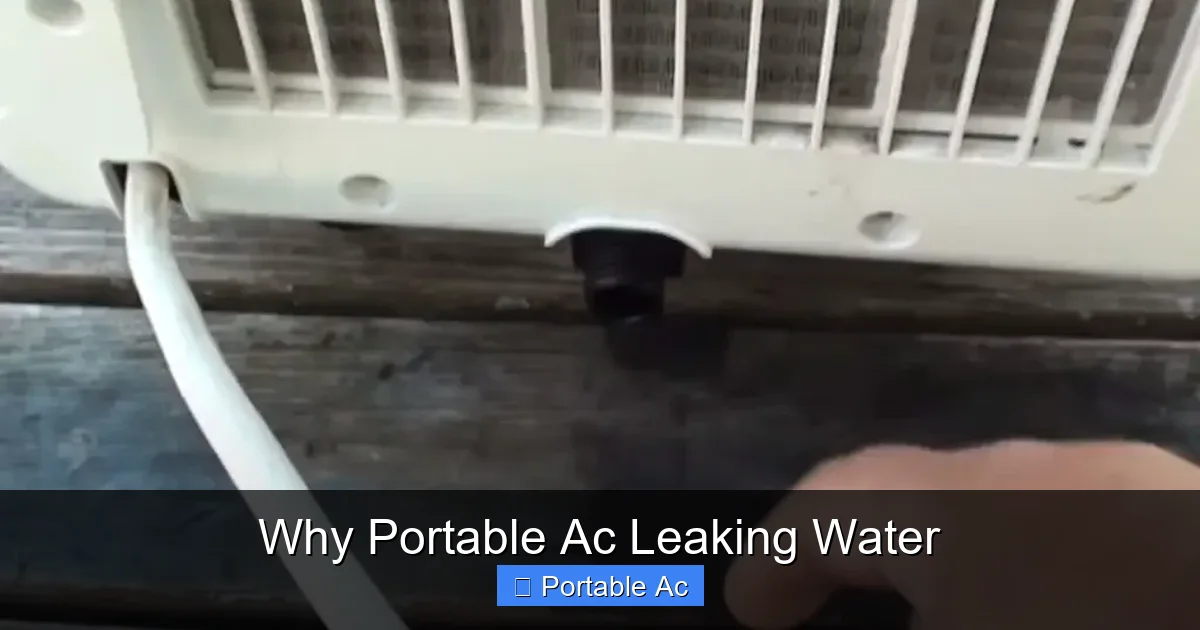
Visual guide about Why Portable Ac Leaking Water
Image source: smartacsolutions.com
Let’s go deeper into the most frequent reasons your portable AC is leaking water. Each has a fix, and most can be resolved without calling a technician.
1. Clogged or Dirty Air Filters
One of the simplest yet most overlooked causes is a dirty air filter. When the filter is clogged, airflow is restricted. This reduces the efficiency of the cooling coils, causing them to get too cold. When coils get too cold, more condensation forms than the drainage system can handle, leading to overflow.
For example, imagine a narrow pipe—when you block part of it, pressure builds up and causes leaks. It’s the same with your AC’s internal airflow. Cleaning the filter every 1–2 weeks (or more often in dusty homes) prevents this buildup.
2. Improper Exhaust Hose Installation
The exhaust hose carries hot air and moisture out of the room. But if it’s not installed correctly, it can cause water to back up. Common mistakes include kinking the hose, not sealing it tightly to the vent, or not extending it fully outside.
For instance, if the hose is bent too sharply or has a gap where it connects to the window kit, condensation can drip back into the unit. Always check that the hose is straight, securely attached, and long enough to reach outside without bending.
3. Frozen Evaporator Coils
When airflow is poor or refrigerant levels are low, the evaporator coils can freeze. Once they thaw, they release a large amount of water all at once—often more than the drain pan can handle. This sudden burst of water is a classic sign of a frozen coil.
You’ll notice the unit running but not cooling well, with ice forming on the coils. Turn off the AC immediately and let it thaw completely before restarting. This usually means the filter is dirty or the refrigerant needs checking.
4. Blocked Internal Drain Tray or Overflow Tube
Inside your portable AC, there’s a small tray that collects condensation. Over time, dust, mold, or mineral deposits can clog the drain tube. When the tube is blocked, water overflows from the tray, often out the front or bottom of the unit.
This is especially common in humid climates or homes with hard water. Flushing the drain line monthly with vinegar or a specialized cleaning kit can prevent this.
5. Incorrect Unit Placement
Where you put your portable AC matters. Placing it on carpet, near walls, or in a corner can block airflow and restrict drainage. The unit needs room to breathe and a clear path for the drain hose.
For example, if the unit sits too close to a wall, the exhaust hose might kink or the internal fan might not draw air properly. Always follow the manufacturer’s placement guidelines—usually at least 6 inches from walls and on a flat, level surface.
How to Diagnose and Fix a Leaking Portable AC
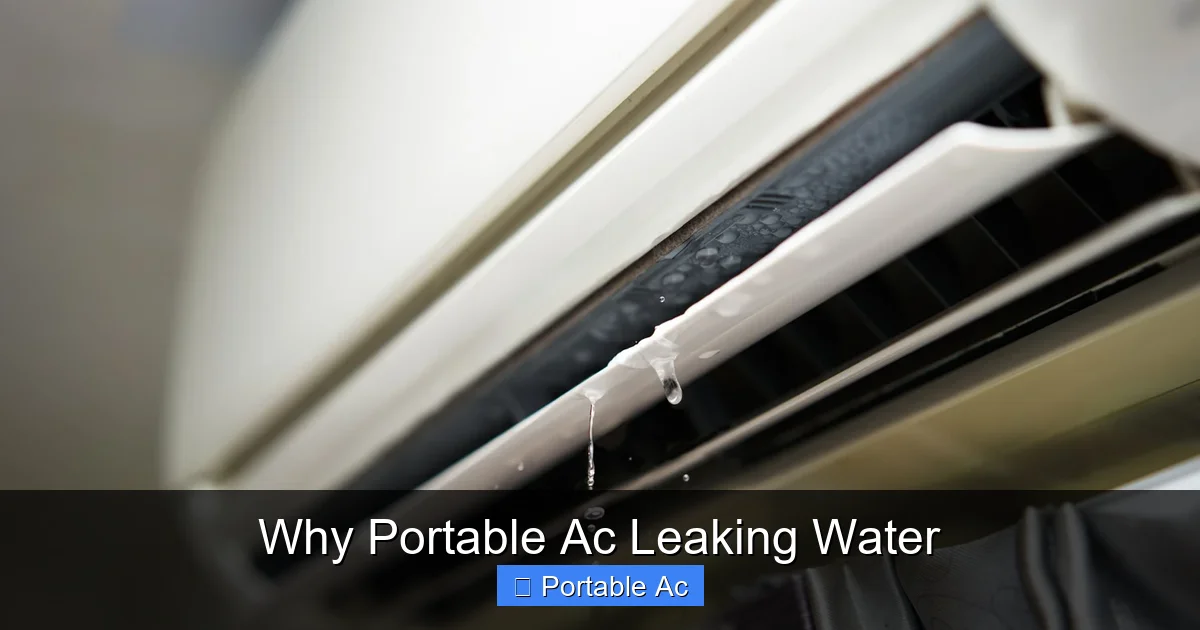
Visual guide about Why Portable Ac Leaking Water
Image source: hvacseer.com
Now that you know the common causes, let’s talk about how to fix them. Most leaks can be resolved in under 30 minutes with basic tools.
Step 1: Turn Off and Unplug the Unit
Safety first. Before inspecting or cleaning, always turn off and unplug your portable AC. This prevents electrical hazards and gives the unit time to cool down if coils were frozen.
Step 2: Check the Air Filter
Remove the filter and inspect it. If it’s dusty or clogged, clean it with warm water and mild soap. Let it dry completely before reinstalling. Replace it if it’s torn or worn out.
Step 3: Inspect the Exhaust Hose
Look for kinks, gaps, or loose connections. Make sure the hose is fully extended outside and sealed with the window kit. If you see water dripping from the hose, it’s likely backing up.
Step 4: Examine the Drain Tray
Locate the internal drain tray (usually behind the front panel). Check if it’s full or clogged. If it’s full, empty it and flush the drain tube with warm water or a cleaning solution.
Step 5: Clean the Coils
Use a soft brush or vacuum with a brush attachment to gently clean the evaporator coils. Dirty coils reduce efficiency and increase condensation.
Step 6: Level the Unit
Use a level to check if the AC is sitting flat. If one side is lower, water won’t drain properly. Adjust the feet or place a small shim under the low side.
Preventive Maintenance Tips
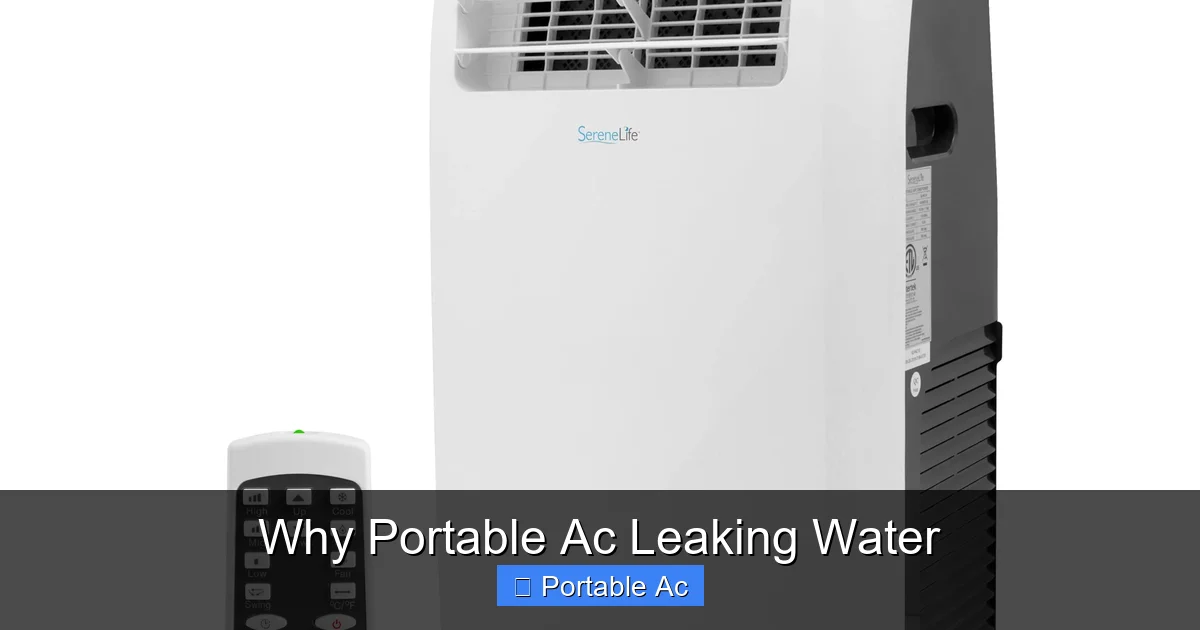
Visual guide about Why Portable Ac Leaking Water
Image source: acsupportspoint.com
Prevention is always better than repair. A few simple habits can keep your portable AC running smoothly and leak-free.
Clean Filters Weekly
Make filter cleaning a habit. In high-use seasons, check it every week. A clean filter ensures proper airflow and reduces strain on the system.
Flush the Drain Line Monthly
Use a mixture of vinegar and water to flush the internal drain line. This prevents mold and mineral buildup.
Use a Drain Pan or Towel
Even with a working drain system, it’s smart to place a pan or towel under the unit—especially in humid climates or during heavy use.
Follow Manufacturer Guidelines
Always read your user manual. It includes specific instructions for setup, maintenance, and troubleshooting unique to your model.
When to Call a Professional
Most leaks are DIY fixes, but some issues require a technician. Call a HVAC professional if you notice any of the following:
– The unit is not cooling at all, even after cleaning filters and coils
– You hear unusual noises like hissing or bubbling
– The exhaust hose is leaking air or steam
– The unit has been running continuously for more than 24 hours without stopping
These could indicate low refrigerant, a cracked coil, or internal damage. Trying to fix these without expertise can make the problem worse.
Conclusion
A leaking portable AC doesn’t have to ruin your day—or your floors. Most leaks happen because of simple issues like clogged filters, improper hose setup, or blocked drains. By understanding the root cause and taking quick action, you can stop the drip in minutes.
Regular maintenance is your best defense. Clean filters, a straight exhaust hose, and a monthly drain flush go a long way. And remember: condensation is normal—leaks are not. If you follow these steps, your portable AC will keep you cool and dry all summer long.
For more tips on keeping your portable AC in top shape, check out our guides on best portable AC cleaning kits or effortless AC drip fixes. And if you’re shopping for a new unit, we’ve tested the best portable ACs that don’t leak water—because peace of mind matters too.
Frequently Asked Questions
How do I stop my portable AC from leaking water?
Start by cleaning the air filter and checking the exhaust hose for kinks or loose connections. Flush the internal drain line and ensure the unit is level. Most leaks are caused by simple blockages or setup issues.
Can mineral buildup cause portable AC leaks?
Yes. In areas with hard water, minerals can clog the drain tube over time. Flushing the line monthly with vinegar or a cleaning solution helps prevent this buildup and keeps drainage working smoothly.
Why does my portable AC leak only when it’s running?
When the AC is running, it produces condensation. If the drain system is blocked or the coils are too cold, water can’t drain fast enough and leaks out. This is usually due to a dirty filter or clogged drain line.
Can I use a portable AC without a drain hose?
Some models are designed to work without a hose by using internal evaporation. However, these units still need proper ventilation and may require periodic draining. Always check your model’s specifications before operating without a hose.
Will a portable AC leak if placed on carpet?
Placing the unit on carpet can block airflow and prevent proper drainage. It may also absorb moisture, increasing the risk of leaks. Always use the unit on a hard, flat surface with a drain pan or towel underneath.
How long does it take to thaw frozen portable AC coils?
It can take 2–6 hours to thaw completely, depending on the extent of the freeze. Turn off the unit and let it sit undisturbed. Once thawed, clean the filter and restart. Never force thawing with heat or sharp objects.
