
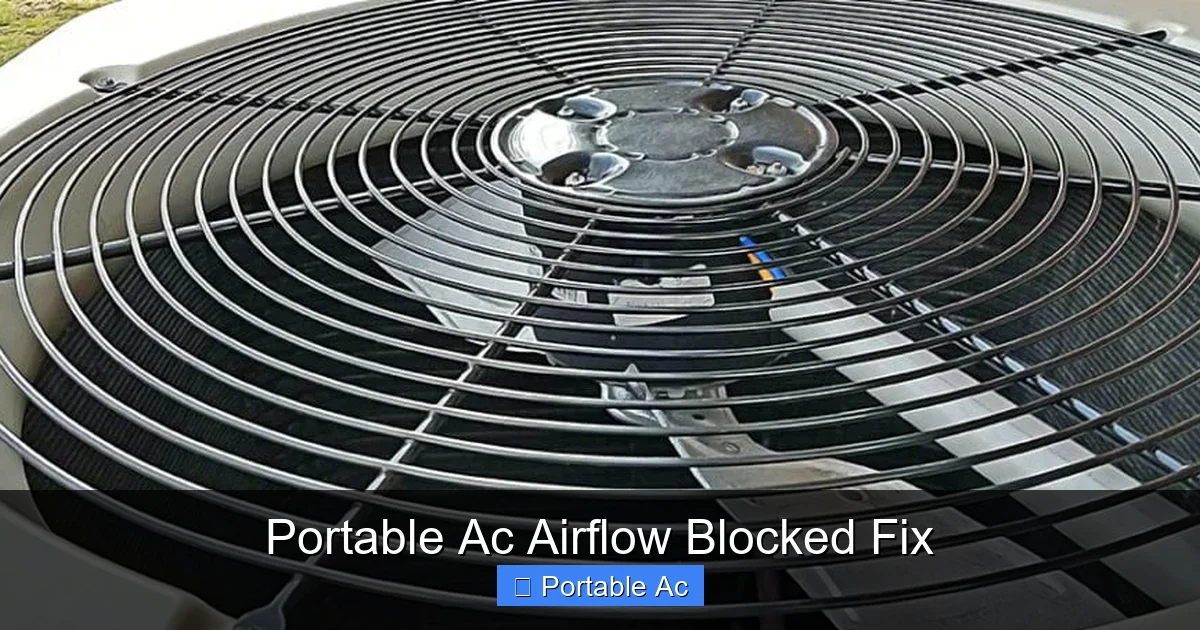
Is your portable AC blowing warm air or struggling to cool? A blocked airflow is often the culprit—and it’s usually simple to fix. This guide walks you through step-by-step solutions to clear blockages, clean components, and restore efficient cooling so your space stays comfortable all summer long.
Have you ever turned on your portable AC only to feel warm, stagnant air instead of that refreshing chill you were hoping for? It’s frustrating—especially during those peak summer days when every degree counts. You’ve double-checked the temperature settings, made sure the unit is plugged in, and even cleaned the exterior, yet something still feels off. The likely suspect? Blocked airflow in your portable AC.
Portable air conditioners rely heavily on smooth, unobstructed airflow to function efficiently. When vents, filters, or exhaust systems get clogged, the entire cooling process slows down. But don’t worry—most airflow blockage issues are DIY-friendly fixes that take less than an hour. Whether it’s a dusty filter, a kinked hose, or furniture blocking the outlet, this guide will walk you through practical steps to diagnose and solve the problem quickly. Let’s get your cool breeze flowing again!
Key Takeaways
- Check and clean the air filter: A dirty or clogged filter is one of the most common causes of reduced airflow in portable AC units.
- Inspect the exhaust hose for kinks or obstructions: Blocked or improperly routed hoses prevent hot air from venting properly, reducing cooling efficiency.
- Clear debris from intake and outlet vents: Dust, pet hair, or furniture near vents can restrict airflow and impact performance.
- Ensure proper window seal installation: Poor sealing allows warm outside air back into the room, counteracting cooling efforts.
- Use a vacuum or soft brush to clean internal components: Over time, dust builds up inside the unit and restricts fan operation and heat exchange.
- Verify fan motor function: If the internal fan isn’t spinning correctly, airflow will be weak even if everything else is clean.
- Consider professional help if issues persist: Persistent airflow problems may indicate deeper mechanical issues requiring expert diagnosis.
Quick Answers to Common Questions
Can I use my portable AC without a window kit?
Only if it has a built-in condenser fan that vents air directly outside. Otherwise, you’ll lose cooling efficiency because hot air recirculates indoors.
How often should I clean my portable AC filter?
At least once a month during heavy use. In dusty environments or with pets, clean it every two weeks for optimal airflow.
What does a clogged filter sound like?
The fan may run louder or struggle to draw air, producing a whining or strained noise instead of steady operation.
Will blocking the intake vent damage my AC?
Yes—it forces the unit to work harder, potentially overheating components and shortening its lifespan.
Can I replace my exhaust hose myself?
Absolutely. Just ensure the new hose matches the diameter of your AC’s connector and fits snugly in the window kit.
📑 Table of Contents
Why Airflow Matters in Portable AC Units
Airflow is the lifeblood of any air conditioning system—portable or otherwise. Without proper circulation, your AC can’t pull in cool air, expel hot air, or transfer heat effectively. Think of it like trying to breathe through a straw: the narrower the opening, the harder it gets. In portable ACs, restricted airflow leads to several issues:
– Reduced cooling capacity
– Higher energy bills due to extended runtime
– Increased wear on internal components
– Warm air blowing instead of cold
Understanding how airflow works helps you pinpoint where blockages might occur. Most portable ACs have three main airflow pathways: the intake (where cool air enters), the internal cooling coil (where heat is absorbed), and the exhaust (where hot air exits). Any disruption in these paths can cripple performance.
Common Causes of Blocked Airflow
Visual guide about Portable Ac Airflow Blocked Fix
Image source: cielowigle.com
Before diving into fixes, let’s identify the usual suspects behind blocked airflow. These causes range from simple oversights to gradual buildup over time.
Dusty or Clogged Filters
The air filter sits right at the intake point and captures dust, pollen, and allergens. But when it gets too dirty, it acts like a traffic jam for air. Many users forget to clean their filters regularly, leading to poor airflow and even musty odors.
Kinked or Misrouted Exhaust Hose
Your portable AC needs to vent hot air outside—usually through a window using an exhaust hose. If this hose is bent, twisted, or blocked at either end, hot air recirculates inside the room instead of escaping. This not only reduces cooling but also makes the unit work harder, raising your electricity bill.
Vents Obstructed by Furniture or Objects
Sometimes the issue isn’t inside the machine—it’s around it. Placing a bookshelf too close to the AC’s outlet vent or drapes covering the intake grille can severely limit airflow. Even a small gap matters; portable ACs need room to “breathe.”
Internal Fan or Motor Issues
Over time, dust can accumulate around the fan blades or bearings, slowing rotation. In rare cases, the fan motor itself may fail. Either way, if the fan isn’t moving air efficiently, cooling suffers.
Poor Window Seal or Installation
If the window kit doesn’t create a tight seal around the hose, warm outdoor air sneaks back in. This undermines the entire cooling cycle and mimics a blocked airflow symptom—warm output despite normal operation.
Step-by-Step Fix: How to Unblock Portable AC Airflow
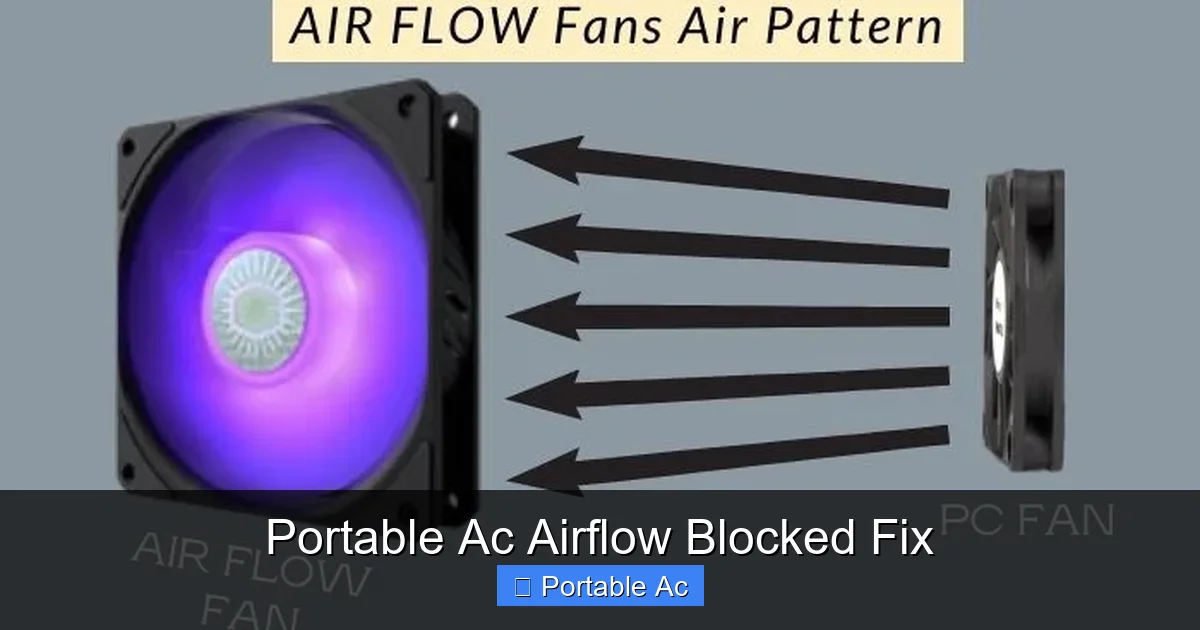
Visual guide about Portable Ac Airflow Blocked Fix
Image source: 10scopes.com
Now that we know what causes airflow blockage, here’s how to tackle each issue systematically. Follow these steps in order for best results.
1. Turn Off and Unplug the Unit
Safety first! Always disconnect your portable AC before performing any maintenance. This prevents electrical hazards and gives you peace of mind while working.
2. Remove and Clean the Air Filter
Locate the filter—usually behind a front panel or grille. Gently slide it out. Use a vacuum with a brush attachment or rinse under lukewarm water with mild soap. Let it air-dry completely before reinstalling. Never operate the AC without a clean filter.
3. Inspect and Clear the Exhaust Hose
Check both ends of the hose for kinks, clogs, or debris. Straighten any bends and ensure the outer cap (if applicable) isn’t blocked. For stubborn blockages, use compressed air or a flexible brush to clear the interior. Proper routing is key—avoid sharp angles or sagging sections that trap air.
4. Clean Intake and Outlet Vents
Use a dry cloth or soft brush to wipe away dust from visible vents. For deeper cleaning, gently vacuum around the edges. Avoid inserting tools into small openings—you might damage sensitive parts.
5. Check Surrounding Space
Move any objects within 2–3 feet of the AC. Ensure curtains, rugs, or furniture aren’t blocking airflow. Position the unit near a window if possible, but keep it at least 6 inches away from walls and other appliances.
6. Test the Fan Operation
After reassembling, plug in the unit and turn it on. Listen for unusual noises and watch for consistent air movement. If the fan seems sluggish, consider lubricating the motor (refer to your manual) or contacting support.
Pro Tips for Maintaining Optimal Airflow
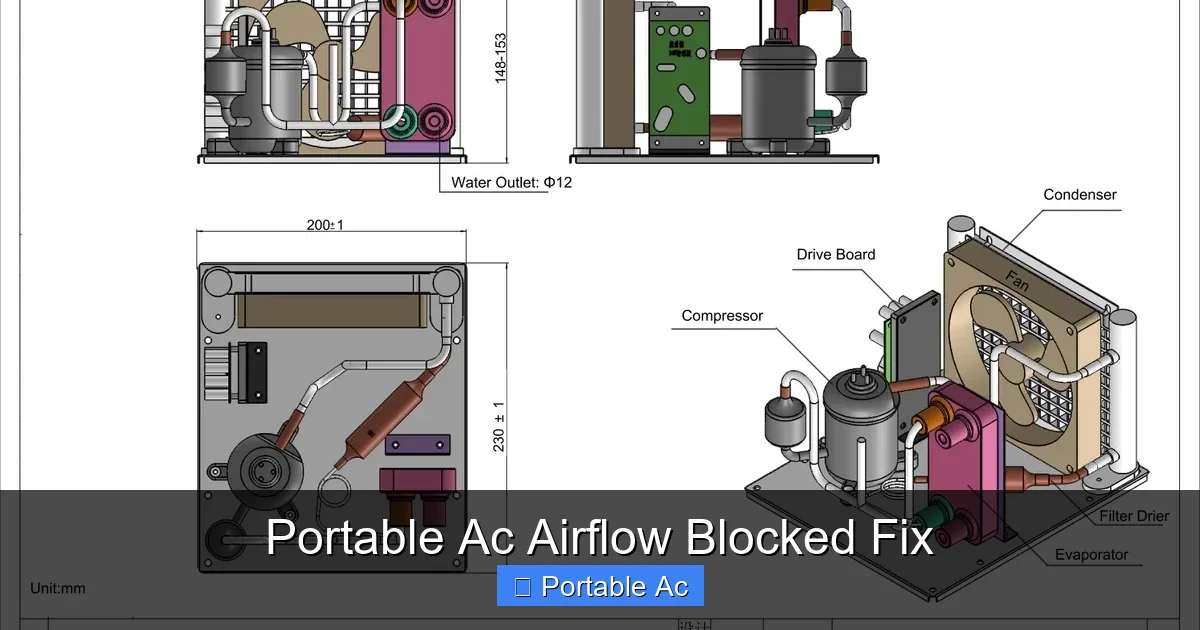
Visual guide about Portable Ac Airflow Blocked Fix
Image source: custom-images.strikinglycdn.com
Prevention beats repair every time. Here are some habits to keep your portable AC running smoothly:
– **Clean the filter monthly**—or more often if you have pets or allergies.
– **Inspect the exhaust hose weekly** for signs of wear or blockage.
– **Vacuum the unit’s exterior vents** every few weeks to prevent dust buildup.
– **Follow manufacturer guidelines** for deep-cleaning internal coils and fans.
– **Use a dehumidifier nearby** to reduce moisture, which can encourage mold in filters and ducts.
Regular maintenance not only improves airflow but also extends your AC’s lifespan and keeps it operating quietly and efficiently.
When to Call a Professional
Most airflow blockages are easy to resolve at home. However, if you’ve tried all the above steps and your portable AC still blows warm air, there may be a deeper issue. Signs it’s time to call a technician include:
– Strange grinding, buzzing, or rattling noises from inside the unit
– Frequent error codes related to temperature or airflow sensors
– Visible mold or rust inside the casing
– The fan runs but produces no airflow
Professional servicing ensures your safety and prevents further damage. Plus, they can check refrigerant levels and inspect electrical connections—elements beyond typical DIY scope.
Bonus: Upgrade Your Setup for Better Airflow
Sometimes, even with perfect maintenance, your current setup limits airflow. Consider these upgrades:
– **Install a window sealing kit** (like those found at How To Seal Window Kit For Portable Ac Amazing Fix) to eliminate drafts.
– **Add insulation to the exhaust hose** to reduce heat gain (How To Insulate Portable Ac Hose Amazing Fix).
– **Choose a higher-CFM (cubic feet per minute) model** if you frequently experience airflow issues—models like the Best Portable Ac Under $400 Dollars offer strong airflow without breaking the bank.
These enhancements maximize efficiency and make future troubleshooting easier.
Frequently Asked Questions
How do I know if my portable AC filter is clogged?
If you notice reduced airflow, warm air output, or musty smells, the filter likely needs cleaning. Some models even display a filter-replacement warning light.
Can a kinked exhaust hose cause my AC to overheat?
Yes. Restricted airflow raises internal temperatures, which can trigger safety shutoffs or damage the compressor over time.
Is it safe to clean my portable AC with water?
Only external parts like the filter and vents. Never spray water directly into electrical components or open panels unless the unit is fully unplugged and dried.
Why does my AC blow warm air after cleaning?
You may have missed a blockage, like a clogged drain line or misaligned hose. Also, ensure the thermostat is set to “cool” and not “fan-only” mode.
Can furniture placement affect portable AC performance?
Definitely. Keep at least 12 inches of clearance around all vents and avoid placing bulky items directly in front of the unit.
Does humidity impact airflow effectiveness?
High humidity reduces perceived coolness, making airflow feel weaker. Using a dehumidifier alongside your AC enhances comfort and efficiency.
