
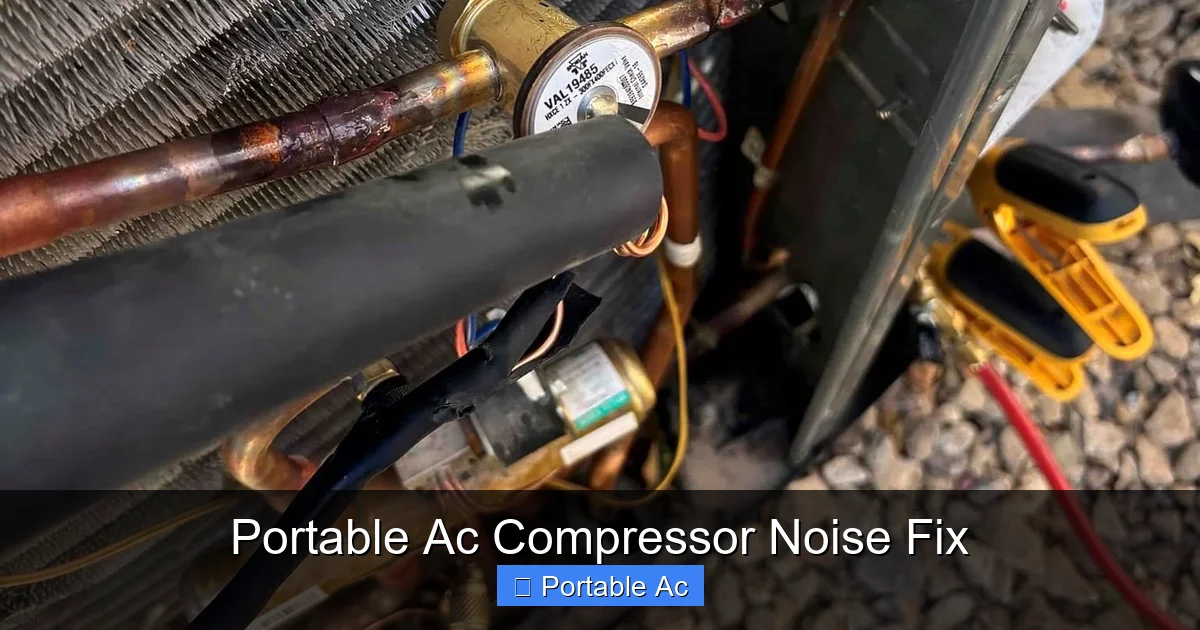
Is your portable AC’s compressor making more noise than comfort? A loud compressor can ruin your peace and signal underlying issues like loose parts or failing components. This guide walks you through practical, safe fixes to silence that noise and extend your unit’s life. From simple tightening tasks to advanced diagnostics, you’ll learn how to identify the source and apply the right solution—no technician needed.
Have you ever been in the middle of a quiet evening, only to be jolted by the loud, persistent hum of your portable AC’s compressor? You’re not alone. Many homeowners face this exact frustration—especially during summer heatwaves. That noise isn’t just annoying; it can signal real problems like loose components, worn parts, or even early compressor failure. The good news? Most portable AC compressor noise is fixable with a little know-how and the right tools.
Portable air conditioners are a lifesaver in small spaces, but their compact design means every part is tightly packed. Over time, vibrations, dust buildup, and wear and tear can cause the compressor—the heart of your AC—to rattle, buzz, or whine louder than usual. While some noise is normal, excessive sound usually means something needs attention. In this guide, we’ll walk you through practical, step-by-step solutions to fix portable AC compressor noise, so you can enjoy cool, quiet air again.
Key Takeaways
- Identify the noise source: Portable AC compressor noise often comes from loose bolts, worn belts, or failing bearings. Listen carefully to pinpoint whether it’s a hum, buzz, grind, or rattle.
- Check mounting hardware: Over time, compressor mounts can loosen, causing vibration and noise. Tightening or replacing rubber gaskets can dramatically reduce sound.
- Lubricate moving parts: Lack of lubrication increases friction and noise. Use manufacturer-recommended oil to maintain smooth compressor operation.
- Inspect the fan and motor: A wobbling fan blade or misaligned motor can create loud vibrations. Balancing or replacing the fan often solves the issue.
- Clean debris from vents: Dust and debris around the compressor or heat exchanger block airflow, forcing the unit to work harder and produce more noise.
- Consider professional help: If the compressor itself is failing, replacement may be the safest and most effective long-term fix.
Quick Answers to Common Questions
Why is my portable AC compressor so loud?
Portable AC compressor noise usually comes from loose mounting bolts, worn belts, or lack of lubrication. Over time, vibrations increase, and without proper maintenance, internal components wear out, causing louder operation.
Can I fix compressor noise without replacing the unit?
Yes, in most cases. Tightening bolts, cleaning debris, lubricating parts, and balancing the fan can significantly reduce noise. Only if the compressor itself is damaged should replacement be considered.
Is a loud compressor dangerous?
Not immediately, but it can indicate serious issues like internal wear or electrical faults. Ignoring loud noises may lead to complete compressor failure, which is costly to repair.
How often should I clean my portable AC?
At least once a month during heavy use. Clean or replace the filter, vacuum around vents, and inspect the compressor area for dust buildup.
Can soundproofing reduce compressor noise?
Yes. Adding rubber padding or acoustic foam around the compressor housing can absorb vibrations and reduce noise by several decibels, as long as it doesn’t block airflow.
📑 Table of Contents
Understanding Portable AC Compressor Noise
Before diving into fixes, it’s important to understand what causes compressor noise. The compressor is responsible for pressurizing the refrigerant, which cools the air. It’s a mechanical pump that runs constantly when your AC is on. Over time, several things can make it louder:
– Loose mounting brackets allow the compressor to vibrate more.
– Worn belts or pulleys create grinding or squealing sounds.
– Dirty or clogged filters force the compressor to work harder.
– Lack of lubrication increases internal friction.
– Damaged bearings or internal components lead to grinding or knocking.
Most of these issues are preventable with routine maintenance. But if ignored, they can lead to bigger problems like compressor failure—something that’s expensive and time-consuming to replace.
Step-by-Step Guide to Fixing Portable AC Compressor Noise
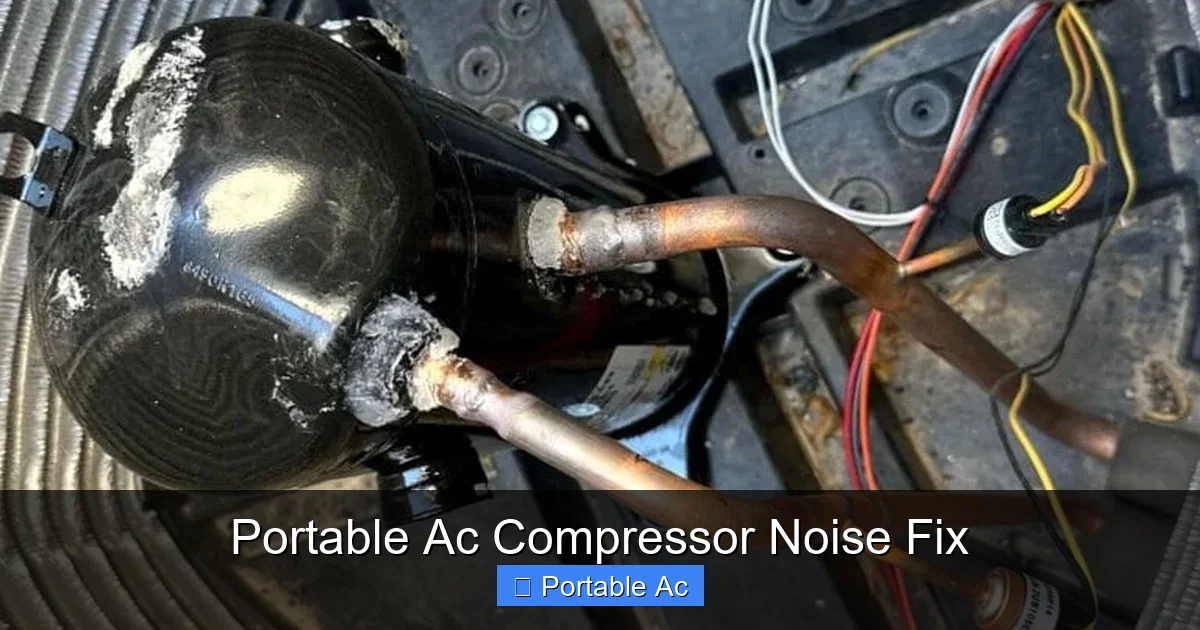
Visual guide about Portable Ac Compressor Noise Fix
Image source: bobsrepair.com
Let’s get hands-on. Here’s how to tackle compressor noise safely and effectively.
1. Turn Off and Unplug the Unit
Safety first. Always unplug your portable AC before inspecting or working on internal components. This prevents electrical shock and protects the unit from accidental startup.
2. Inspect for Loose Parts
Remove the side or top panel (refer to your manual for exact steps). Look for:
– Mounting bolts securing the compressor to the chassis.
– Rubber vibration dampeners around the compressor.
– Fan blades attached to the motor shaft.
If any bolts are loose, tighten them with a screwdriver or wrench. If rubber mounts are cracked or missing, replace them with aftermarket vibration isolators.
3. Clean the Compressor and Surrounding Area
Dust and debris can accumulate around the compressor, especially if the unit isn’t vented properly. Use a soft brush or compressed air to clean:
– The heat exchanger fins
– The fan housing
– The compressor casing
Clogged filters also restrict airflow, making the compressor work harder. Replace or clean your filter regularly—this alone can reduce noise by up to 30%.
4. Lubricate Moving Components
Check your user manual for lubrication points. Some compressors have oil ports where you can add manufacturer-recommended oil. Others are sealed and don’t require maintenance. If yours is open, add a few drops of compressor oil to reduce friction and noise.
5. Balance the Fan
A wobbling fan blade creates loud, irregular noise. Remove the fan cover and inspect the blade for warping or imbalance. You can balance it by adding a small weight (like a tiny bolt) to the low side. Alternatively, replace the fan if it’s cracked or bent.
6. Check for Blocked Vents
Ensure the exhaust hose is properly vented and not kinked. A blocked or improperly routed hose forces the compressor to overwork. For optimal performance, vent your portable AC through a window using a properly sealed window kit. This reduces strain and noise.
Advanced Fixes for Persistent Noise
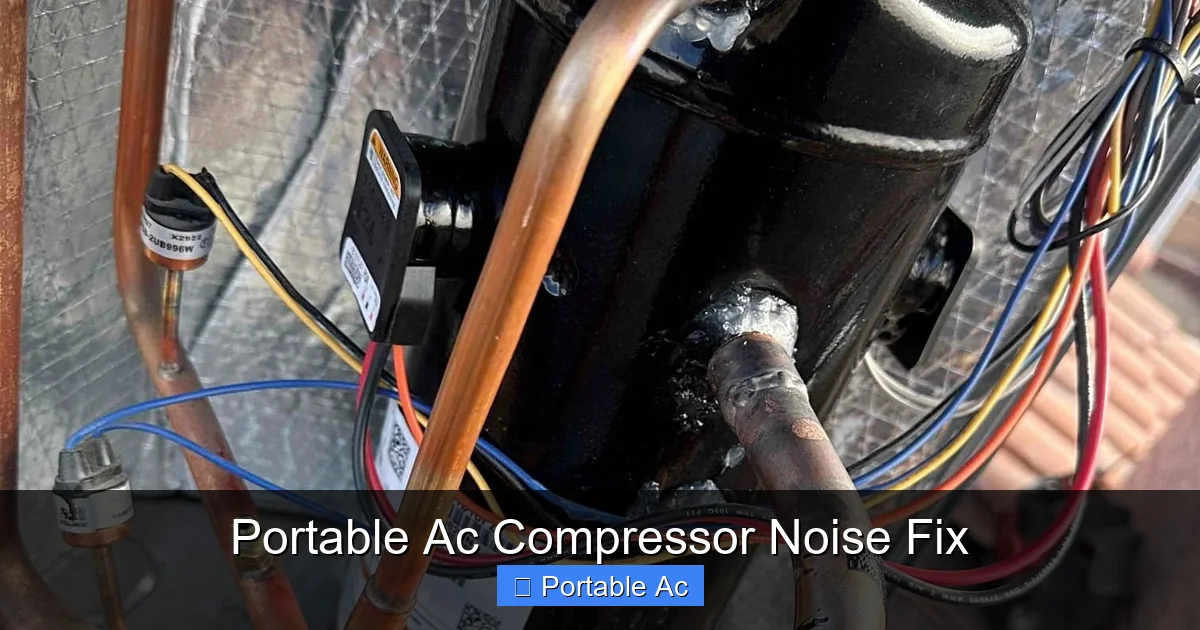
Visual guide about Portable Ac Compressor Noise Fix
Image source: bobsrepair.com
If basic steps don’t solve the problem, it’s time for deeper inspection.
Test the Compressor Windings
Use a multimeter to test the compressor’s electrical windings. Open windings or high resistance indicate internal damage. For a detailed guide, see our comprehensive compressor winding test.
Replace Worn Components
Over time, belts, bearings, and gaskets wear out. If you hear grinding, it might be a failing bearing. In that case, replacing the compressor assembly is often the most reliable fix.
Install Sound Dampening Materials
Add acoustic foam or rubber padding around the compressor housing. This absorbs vibrations and reduces noise transmission. Just ensure it doesn’t block airflow.
Preventative Maintenance to Reduce Noise
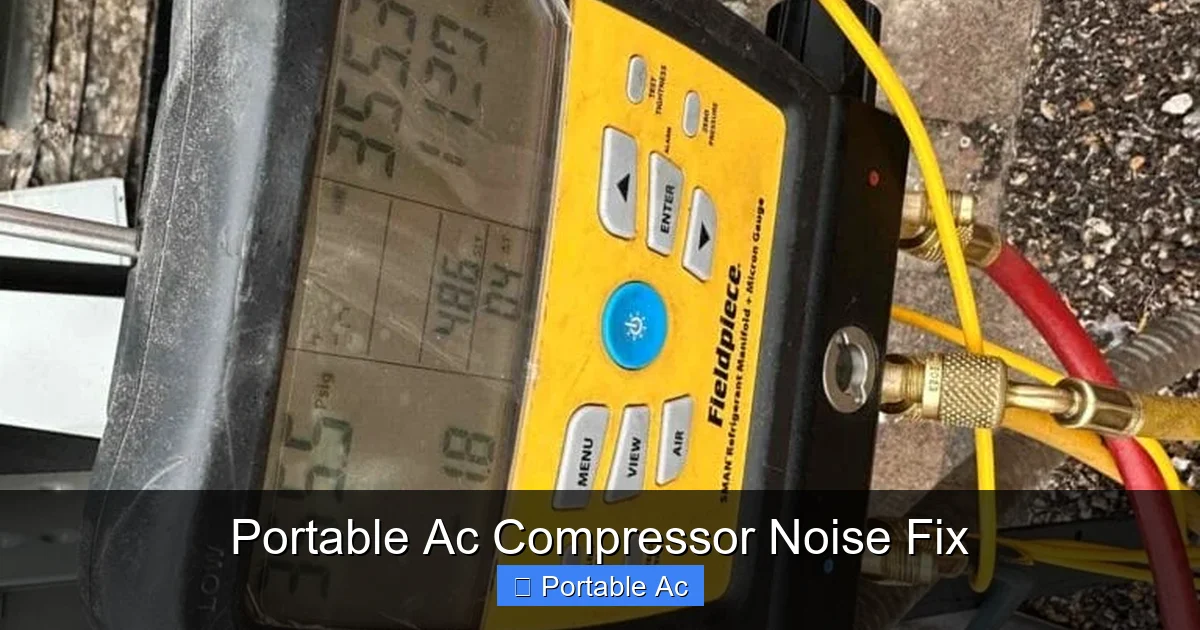
Visual guide about Portable Ac Compressor Noise Fix
Image source: bobsrepair.com
The best way to avoid compressor noise is regular upkeep. Here’s a simple maintenance schedule:
– Monthly: Clean or replace filters.
– Every 3 months: Vacuum around vents and compressor area.
– Annually: Inspect mounting hardware and lubricate moving parts.
– Before summer: Check exhaust hose and window seal.
Also, consider investing in a quiet portable AC model if noise remains an issue. Modern units use brushless motors and noise-dampening designs.
When to Call a Professional
While many compressor noise issues are DIY-friendly, some signs mean it’s time to call a technician:
– You hear metal grinding or knocking sounds.
– The compressor won’t start or trips the breaker.
– You smell burning or ozone (a sign of electrical failure).
Attempting to repair a failing compressor without expertise can lead to injury or further damage. A professional can assess whether repair or replacement is best.
Bonus: Reduce Noise Beyond the Compressor
Sometimes, the noise isn’t just from the compressor. The fan, fan motor, or even the exhaust hose can contribute. For example, a loose fan blade might create a rattling noise, which you can fix by tightening screws or balancing the blade. Similarly, a hissing noise might come from a refrigerant leak, which requires professional attention.
If you’re dealing with multiple noise types, check out our guides on fixing rattling, hissing, and buzzing noises for targeted solutions.
Frequently Asked Questions
How do I know if my portable AC compressor is failing?
Signs include loud grinding, knocking, or buzzing sounds, frequent tripping of the circuit breaker, and warm air output. If the compressor won’t start, it may be electrically damaged.
Can loose fan blades cause compressor noise?
Yes. A wobbling fan creates vibration that travels through the chassis, making the compressor seem louder. Balancing or replacing the fan often resolves this.
Is it safe to lubricate a portable AC compressor?
Only if your model has open lubrication points and the manual recommends it. Many modern compressors are sealed. Always consult your user guide before adding oil.
Will a clogged filter make the compressor louder?
Yes. A dirty filter restricts airflow, forcing the compressor to work harder and run longer, which increases noise and wear over time.
Can I use a quieter portable AC to avoid noise issues?
Absolutely. Models with brushless motors, dual fans, and noise-dampening designs operate much more quietly. Check our top quiet AC picks for peace of mind.
How much does it cost to fix a noisy portable AC compressor?
Simple fixes like tightening bolts or cleaning parts cost nothing. Replacing a compressor or fan may cost $100–$300, depending on the model. Professional repair adds labor fees, typically $50–$150.
