
Your AC needs simple TLC! Essential air cooler maintenance involves regularly cleaning or replacing the filter, checking for visible damage, and ensuring the drain line is clear. These easy fixes keep your unit running efficiently and save you money.
Is your air conditioner struggling to cool your home? Are those energy bills climbing higher than you expected? It is easy to feel overwhelmed when your AC starts acting up. Many common problems have simple fixes you can handle yourself. You do not need to be an HVAC expert to keep your system happy. We will walk through the easiest maintenance steps right now. Get ready to troubleshoot simple issues and keep your cool all season long!
Air Cooler Maintenance Tips: Essential Fixes You Can Do Today
I’m Jack from ACReviewHub.com, and I believe everyone deserves a cool, comfortable home without the hassle. Most AC issues pop up because of simple neglect. Think of your AC like your car; it needs regular check-ups. We are going to cover the fixes that beginners often overlook.
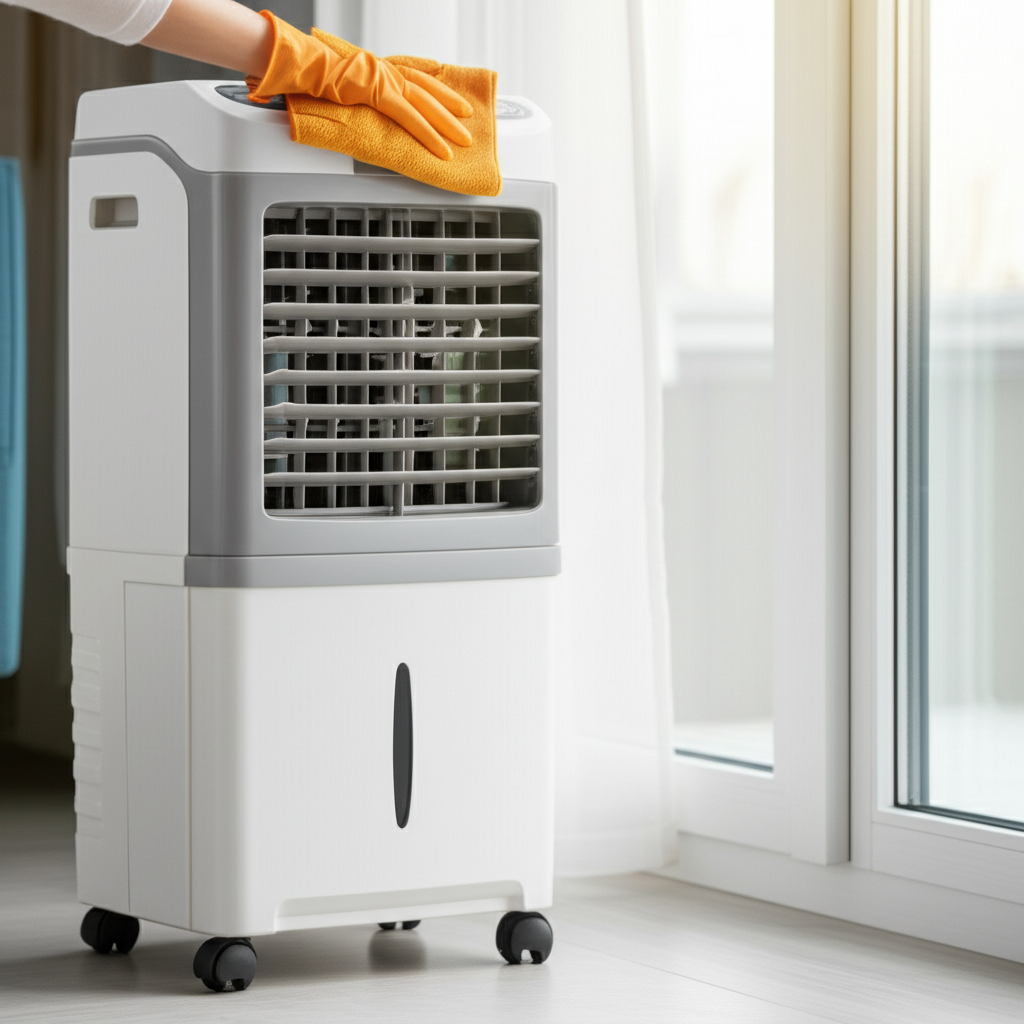
The #1 Fix: Cleaning or Changing Your Air Filter
The filter is the lungs of your air conditioner. It catches dust and dirt before it enters the machine. A clogged filter makes your AC work much harder to push air through.
This extra work wastes energy and can freeze up the cooling coils. That means less cold air for you!
How Often Should You Check the Filter?
- General Rule: Check once a month, especially during heavy use (summer).
- If you have pets: Check every two weeks.
- If you have bad allergies: Check every two weeks.
- Replace disposable filters every 1 to 3 months.
- Washable filters need cleaning every month.
Always turn off the power to the unit at the thermostat or breaker before touching the filter. Safety first!
Keeping the Outdoor Unit (Condenser) Clear
Your outdoor unit needs space to breathe. This unit spits out the heat that your indoor unit pulled from your house. If it is blocked, the heat stays trapped.
Clear away any debris, tall grass, or leaves around the condenser unit. Aim for at least two feet of clear space all around it.
Simple Outdoor Unit Cleaning Steps
- Turn off the power to the AC system at the main breaker box.
- Use a soft brush or vacuum attachment to gently remove leaves and grass clippings from the outside fins.
- If the fins look really dirty, you can carefully spray them with a garden hose from the inside out. Do not use a high-pressure washer; it can bend the delicate fins.
- Wait for everything to dry before turning the power back on.
Checking the Condensate Drain Line for Clogs
As your AC cools your home, it pulls moisture out of the air. This water collects and drains away through a small PVC pipe called the condensate drain line. If this line clogs, the water backs up.
A clogged drain can cause water leaks inside your home or shut your system down completely if it triggers a safety float switch.
Easy Drain Line Unclogging Trick
You can usually pour a mixture of one cup of distilled white vinegar and one cup of water down the access point of the drain line. This helps kill off mold and algae that cause clogs. Do this once or twice a season.
Quick Thermostat Checks (It’s Smarter Than You Think!)
Sometimes the problem isn’t the AC—it’s the control center! Make sure your thermostat settings are correct.
Thermostat Troubleshooting Checklist
| Symptom | Possible Cause | Easy Fix |
|---|---|---|
| AC won’t turn on | Batteries are dead (if applicable) | Replace batteries immediately. |
| Unit runs constantly | Thermostat set too low or fan set to “ON” | Set the fan to “AUTO” and raise the temperature 3 degrees. |
| Unit cycles on and off quickly (Short Cycling) | Thermostat too close to a heat source (like a sunny window) | Move the thermostat if possible, or check the temperature sensor. |
For more detailed energy saving tips, check out the resources available from the U.S. Department of Energy: Energy.gov Saving Tips.
When to Call a Professional Technician
While simple fixes are great, some things require expert tools and training. Knowing when to stop and call a pro saves you time and prevents bigger damage.
Signs You Need Professional Help
- You hear loud, unusual noises (screaming, grinding, or loud banging).
- The air coming out is not cold at all, even after checking the filter.
- You see ice forming on the refrigerant lines (the copper pipes).
- You smell a strange, sweet odor (this could mean a refrigerant leak).
- Your unit is blowing fuses or tripping the circuit breaker repeatedly.
Professionals handle refrigerant checks and complex electrical work safely. For more technical details on system performance, ASHRAE standards offer great benchmarks: ASHRAE Official Site.
Sizing Your Unit: A Key Maintenance Point
If your unit is constantly running even after maintenance, it might be the wrong size for your space. An undersized unit will never catch up. An oversized unit wastes energy by cycling on and off too quickly.
Getting the right size prevents wear and tear and saves you money. It is a core part of long-term maintenance!
BTU Requirements for Common Room Sizes (Approximate)
| Room Size (Square Feet) | Required Capacity (BTUs per hour) |
|---|---|
| 150 – 250 sq ft | 5,000 – 6,000 BTUs |
| 250 – 350 sq ft | 7,000 – 8,000 BTUs |
| 350 – 550 sq ft | 9,000 – 12,000 BTUs |
Common Beginner Mistakes to Avoid
We all make mistakes when learning something new. Here are the biggest traps new AC owners fall into:
- Setting the thermostat too low: Dropping the setting to 65°F won’t cool the room faster; it just makes the unit run longer. Set it where you are comfortable, usually 72°F to 78°F.
- Ignoring small leaks: A little drip today can become a big water stain tomorrow. Address drips immediately.
- Leaving the fan on “ON”: The “ON” setting runs the fan even when cooling stops. Use “AUTO” so the fan only runs when cooling, saving energy.
- Forgetting the outdoor unit: The outdoor unit is just as important as the indoor one. Don’t let weeds grow up around it!
Frequently Asked Questions (FAQ)
Got a few lingering questions? No sweat, I’ve got the quick answers for you right here.
Q1: Can I just hose down the whole outdoor unit?
A: No! Always turn off the power first. Then, use a gentle spray from the inside out. High pressure can damage the metal fins.
Q2: My AC is blowing air, but it’s not cold. What’s the first step?
A: Check your filter immediately. If that looks clean, check your thermostat setting. If neither of those works, it might be a refrigerant issue, and you should call a pro.
Q3: How much money can cleaning my filter save me?
A: Quite a bit! A dirty filter can increase your energy use by 5% to 15%. Clean filters keep your system running efficiently, saving you money every month.
Q4: What temperature should I set my thermostat to in the summer?
A: The Department of Energy suggests setting it as high as you comfortably can, often around 78°F when you are home. This balances comfort and cost.
Q5: Is it better to turn the AC completely off when I leave the house?
A: For short trips (under 4 hours), it is often better to raise the temperature 5–8 degrees rather than turning it completely off. It takes more energy to cool down a very hot house later.
Q6: How do I know if my AC needs coolant (refrigerant)?
A: If you see ice on the lines or the air isn’t getting cold, it might be low. However, only a licensed technician can legally and safely add coolant. Never try to add it yourself.
Final Thoughts on Keeping Your Cool
See? AC maintenance is not scary stuff. It comes down to simple habits: changing filters, keeping the outside unit clean, and watching for obvious issues. Consistency is the secret sauce to a long-lasting, efficient air conditioner. By taking these small steps regularly, you avoid big repair bills later.
Stay proactive with these easy fixes, and you will enjoy perfectly cool air all summer long. Happy cooling!
