

Don’t let AC drips ruin your day! This guide shows you easy, DIY fixes to stop leaks and keep your home cool and dry.
Is your air conditioner dripping water? It can be a real head-scratcher and a bit messy. You want to stay cool, but a leaky AC can cause water damage and make you worry. Don’t let AC confusion get you down. We’re here to make understanding and fixing your air conditioner simple, just like talking to a friendly neighbor.
In this guide, we’ll walk through the common reasons your AC might be dripping and show you exactly how to fix them. You’ll learn easy steps to stop those annoying leaks and keep your home comfortable without a fuss. Let’s get your AC back to its best!
Why is My AC Dripping Water? Common Culprits
A dripping air conditioner usually means something is a bit off. It’s often something simple that you can fix yourself. Let’s look at the usual suspects.
Clogged Condensate Drain Line: The Number One Reason
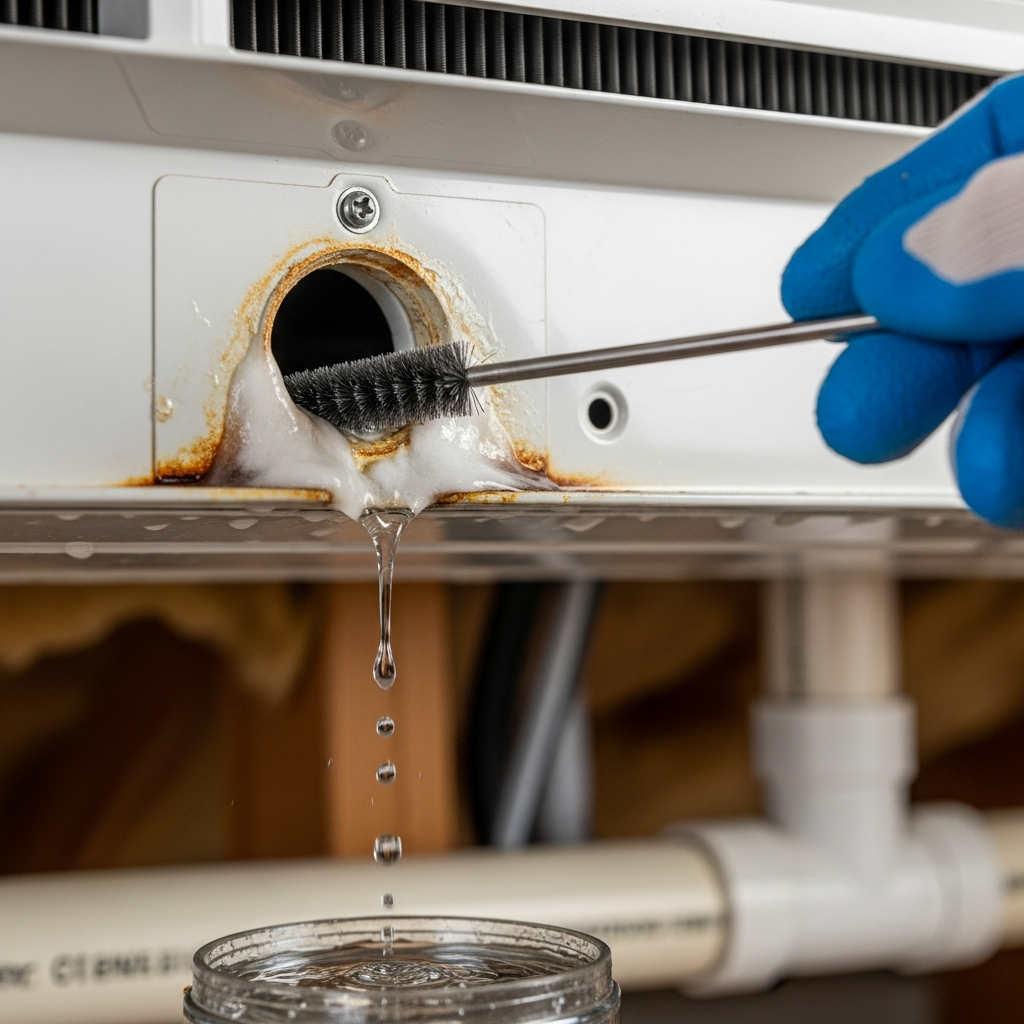
Your AC removes moisture from the air. This water, called condensation, goes down a special pipe called the condensate drain line. If this pipe gets clogged with dirt, algae, or other gunk, the water has nowhere to go but to back up and drip.
Imagine a sink with a clogged drain – water pools up, right? Your AC drain line works the same way. When it’s blocked, the water can overflow from the drain pan.
Frozen Evaporator Coils: Too Much of a Good Thing
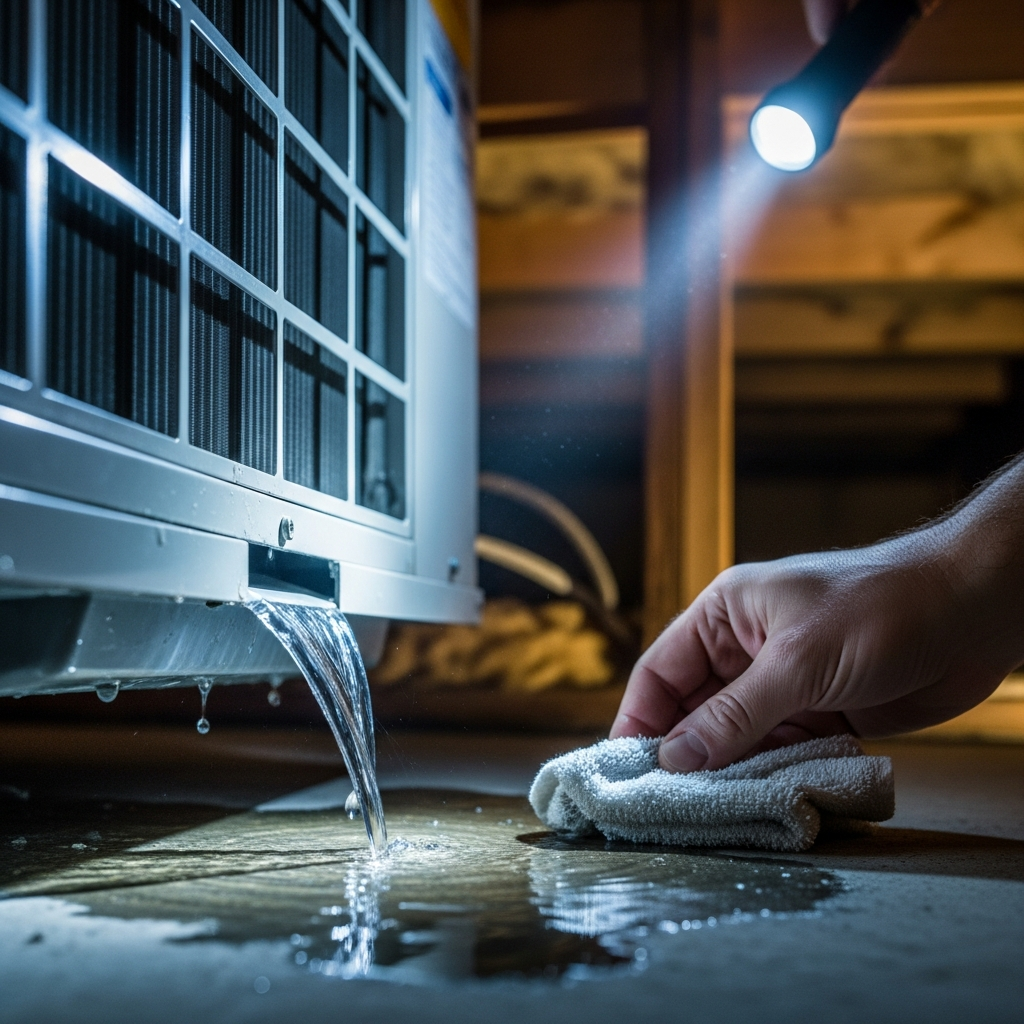
Your AC has a part called the evaporator coil. It gets very cold to cool your air. If your air filter is dirty or your system isn’t getting enough air, this coil can freeze up. When the AC turns off, the ice melts, and you get a lot of water dripping.
Think of a cold drink on a hot day – it gets covered in water. A frozen coil does something similar, but it’s a sign your AC is working too hard or not getting enough airflow.
Cracked or Overflowing Drain Pan
Underneath your indoor AC unit, there’s a drain pan. Its job is to catch any water from the evaporator coils and send it to the drain line. If this pan has a crack, or if the drain line is completely blocked, the pan can overflow and cause a drip.
This pan is like a small bucket. If the bucket has a hole or gets too full, the water will spill out.
Low Refrigerant Levels
Your air conditioner uses a special gas called refrigerant to cool the air. If the refrigerant level is too low, it can cause the evaporator coils to freeze up. This, as we’ve seen, leads to dripping water when the ice melts.
Low refrigerant is usually a sign of a leak somewhere in the system. It’s a good idea to call a pro for this one.
Easy DIY Fixes to Stop AC Drips
Many AC drips are simple to fix with a little effort. Here are some common DIY solutions.
How to Clear a Clogged Condensate Drain Line
This is often the easiest fix! You’ll need a wet/dry vacuum, a shop vac, or even a stiff wire or coat hanger.
- Find the Drain Line: Look for a PVC pipe sticking out of your indoor AC unit, usually near the outdoor unit. It might be a smaller pipe with a cap or a simple opening.
- Disconnect the Vacuum: If you have a wet/dry vac, attach a hose adapter and seal it around the end of the drain line.
- Vacuum Out Debris: Turn on the vacuum for a minute or two. This should suck out any clogs.
- Flush with Water (Optional): You can pour a cup of water mixed with a little bleach or vinegar down the line to help kill algae. Do this after vacuuming.
- Check for Flow: Turn on your AC and see if water is draining properly.
Sometimes, a simple coat hanger can be used to gently poke and loosen a clog if a vacuum isn’t available.
How to Prevent Frozen Evaporator Coils
The most common cause of frozen coils is a dirty air filter. Changing your filter regularly is super important!
- Turn Off Your AC: Safety first! Make sure the unit is off at the thermostat.
- Locate and Replace Filter: Your air filter is usually in a slot near your indoor unit or in a return air vent. Slide out the old one and slide in a new one of the same size.
- Check Airflow: Make sure vents aren’t blocked by furniture or curtains. Good airflow is key!
A clean filter lets your AC breathe easily, preventing coils from freezing.
Dealing with a Leaky Drain Pan
If your drain pan is cracked, you’ll likely need to replace it. This might be a job for a professional, but you can check it yourself.
- Locate the Pan: It’s usually found under the indoor evaporator coil.
- Inspect for Cracks: Look carefully for any signs of damage or rust.
- Check for Overflow: If it’s just overflowing because of a clogged drain line, fixing the line might solve the problem.
If the pan is indeed cracked, it needs to be replaced. A handyman or AC technician can do this for you.
When to Call a Professional AC Repair Person
While many AC drips are DIY-friendly, some issues are best left to the experts. Don’t hesitate to call a professional if:
- You suspect a refrigerant leak (you might hear a hissing sound or notice ice on the refrigerant lines).
- The drain pan is cracked and needs replacing.
- You’ve tried the DIY fixes, and the dripping continues.
- You’re uncomfortable performing any of the steps.
- Your AC is making strange noises or not cooling properly.
A trained technician has the tools and knowledge to diagnose and fix more complex problems safely and efficiently.
Understanding AC Cooling Capacity (BTU)
Choosing the right size AC for your room is crucial for efficient cooling and preventing issues like freezing. BTU stands for British Thermal Unit, which measures the amount of heat an AC unit can remove from a room.
| Room Size (Square Feet) | Recommended BTU Capacity |
|---|---|
| 100-150 | 5,000 BTU |
| 150-250 | 6,000 BTU |
| 250-350 | 8,000 BTU |
| 350-450 | 10,000 BTU |
| 450-550 | 12,000 BTU |
| 550-700 | 14,000 BTU |
| 700-1000 | 18,000 BTU |
An AC that’s too small will run constantly and struggle to cool, potentially leading to problems. An AC that’s too big will cool the room too quickly without removing enough humidity, leading to a cold, clammy feeling and potentially causing issues like frozen coils.
For more detailed information on choosing the right AC size, check out the U.S. Department of Energy’s guide.
Frequently Asked Questions About AC Drips
Got more questions? Here are some common ones beginners ask.
Q: How often should I change my AC filter?
A: For most homes, every 1-3 months is a good rule of thumb. Check it monthly and change it when it looks dirty!
Q: Can I just ignore a small AC drip?
A: Nope! Even a small drip can lead to water damage, mold, or attract pests. It’s best to fix it early.
Q: What does it mean if my AC is blowing warm air and dripping?
A: This could mean low refrigerant or a frozen coil. Try changing the filter first. If that doesn’t help, it’s time for a pro.
Q: How do I know if my AC needs professional cleaning?
A: If you notice reduced airflow, strange smells, or if your AC is older and hasn’t been serviced in a while, it’s a good idea to get it professionally cleaned.
Q: Is it normal for my AC to drip outside?
A: Yes, it’s normal for the outdoor unit to drip a little, especially on humid days. This is condensation from the outdoor coil. The issue is when you see significant dripping from the indoor unit.
Q: Can I use a shop vac to clear the drain line if the clog is far down?
A: A shop vac is great for clogs near the unit. For deeper clogs, you might need a drain line snake or professional help.
Q: How much does it cost to fix a clogged AC drain line?
A: If you DIY it, it’s usually free! If you call a technician, it might cost $100-$300 depending on the complexity and your location.
Keep Your Cool: Simple AC Maintenance Tips
Preventing problems is always easier than fixing them. A little regular maintenance goes a long way!
- Change Air Filters Regularly: This is the #1 thing you can do.
- Keep the Area Around Your Outdoor Unit Clear: Ensure good airflow by removing leaves, grass clippings, and debris.
- Check Your Condensate Drain Line Annually: A quick check and flush once a year can prevent clogs.
- Listen to Your AC: If you hear new or unusual noises, investigate.
- Schedule Professional Check-ups: Aim for a professional tune-up once a year, typically in the spring before cooling season.
Simple steps like these will help your AC run efficiently, save you money on energy bills, and prevent annoying drips.
Taking care of your air conditioner doesn’t have to be complicated. By understanding the common causes of AC drips and following these easy fixes, you can keep your home cool, dry, and comfortable. Remember, a little bit of care goes a long way in keeping your AC running smoothly and saving you money. You’ve got this!
