
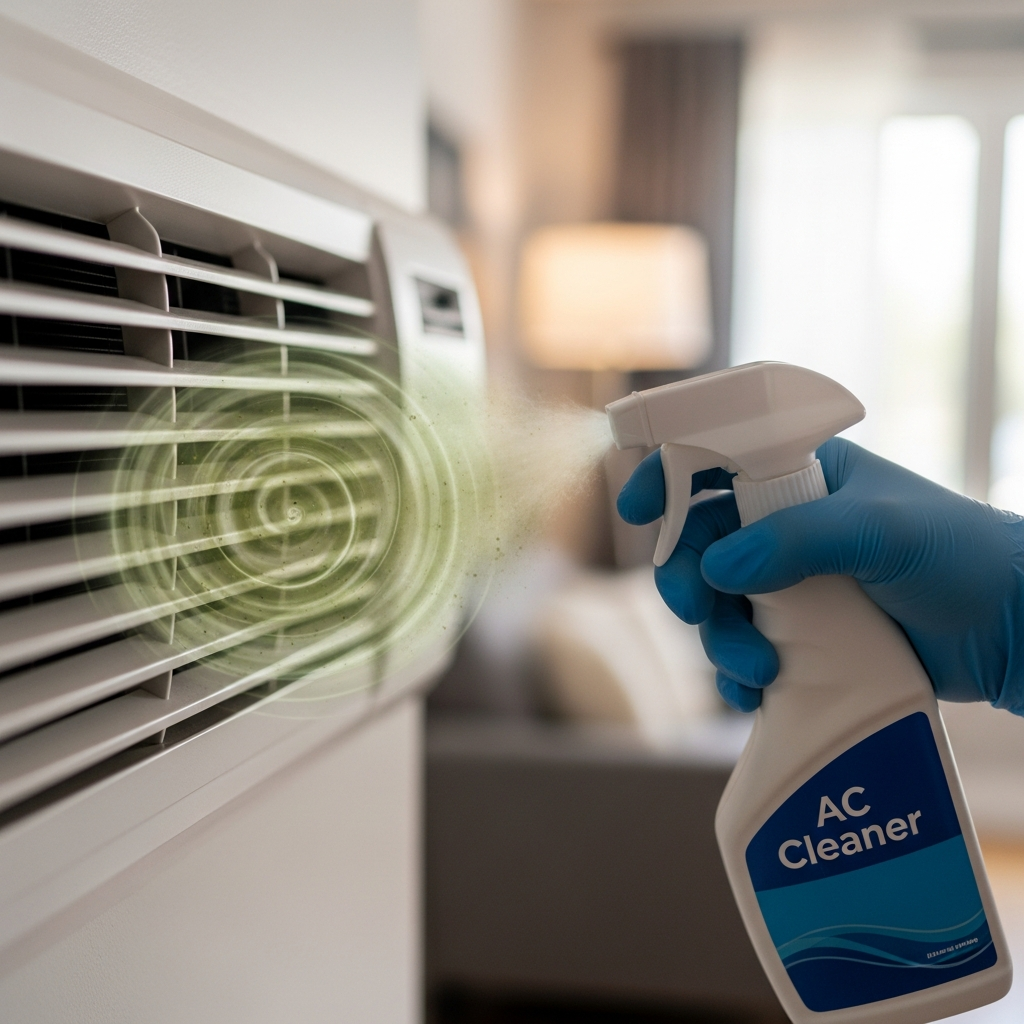
Don’t let a musty AC smell ruin your comfort! This guide will show you simple, easy ways to fix that annoying odor and enjoy fresh, clean air again.
Hey there! Ever turn on your air conditioner and get hit with a funny, musty smell? It’s a common problem, and it can make your home feel less inviting. You might be wondering what’s causing it and how to get rid of it without calling in a pro for every little thing. Well, you’ve come to the right place! I’m Jack, and I’m here to make understanding and taking care of your AC super simple. We’ll break down that musty smell mystery and find some easy fixes together.
Why Does My AC Smell Musty?
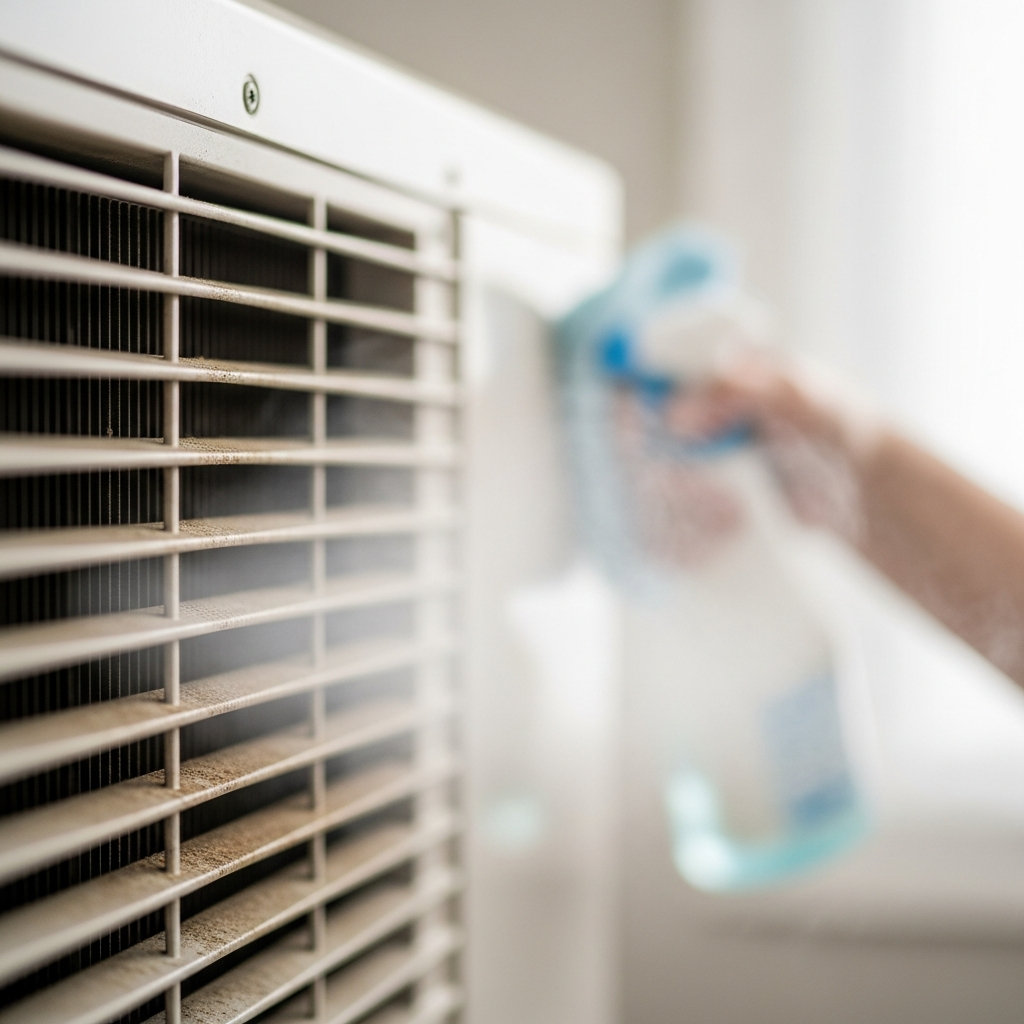
That musty smell usually comes from mold or mildew. Your AC system has parts that can get damp, and that’s where these little guys love to grow. Think of it like a damp sponge left in a corner – not a good smell!
Common Culprits Behind the Funk
There are a few main places mold and mildew can hide and cause that musty odor:
- Dirty Air Filter: This is the most common reason! A clogged filter traps moisture and dirt, creating a perfect breeding ground.
- Clogged Condensate Drain Line: Your AC removes moisture from the air. If the drain line gets blocked, water can back up and lead to mold growth.
- Dirty Evaporator Coils: These coils get cold and can collect condensation. If they’re dirty, mold can grow right on them.
- Humid Indoor Air: If your home is already a bit too humid, it can make the AC more prone to dampness and smells.
Easy Fix #1: Check and Replace Your Air Filter
This is the first and easiest step you can take. A dirty filter is a huge culprit for musty smells.
How to Replace Your Air Filter
- Turn off your AC. Safety first!
- Locate the filter. It’s usually in the return air vent or near your indoor unit.
- Slide out the old filter. Note the size and airflow direction arrow.
- Insert the new filter. Make sure the arrow points in the correct direction (usually towards the AC unit).
- Turn your AC back on.
You should replace your filter every 1-3 months, depending on the type of filter and how often you use your AC.
Easy Fix #2: Clean the Condensate Drain Line
If water can’t drain properly, it sits and breeds mold. Cleaning this line can make a big difference.
Steps to Clear a Clogged Drain Line
- Turn off your AC.
- Locate the drain line. It’s usually a PVC pipe coming from your indoor unit.
- Find the access point or the end of the line. Sometimes there’s a cap or a T-fitting.
- Use a wet/dry vacuum to suck out any gunk from the end of the line.
- Alternatively, you can carefully pour a cup of distilled white vinegar down the line (through an access point if available) to help kill mold and mildew. Let it sit for about 30 minutes, then flush with water.
- Test it by pouring a little water into the drain pan to see if it flows freely.
If you’re not comfortable with this, a professional can easily take care of it.
Easy Fix #3: Clean Your Evaporator Coils (Carefully!)
These coils are behind the access panel of your indoor unit. They can get pretty grimy.
How to Clean Evaporator Coils
- Turn off your AC.
- Locate and remove the access panel to your indoor unit.
- Gently vacuum loose dust and debris from the coils.
- Use a coil cleaner spray (available at hardware stores) and follow the product instructions.
- Wipe away any excess cleaner and grime.
- Replace the access panel.
Be very careful not to bend the delicate fins on the coils.
Easy Fix #4: Boost Air Circulation
Sometimes, stale air can hold onto smells. Using fans can help move air around and reduce humidity.
Tips for Better Airflow
- Use ceiling fans to keep air moving even when the AC is on.
- Open windows on days when the weather is nice and the humidity outside is low.
- Ensure furniture isn’t blocking air vents.
Easy Fix #5: Control Indoor Humidity
High humidity makes mold and mildew happy. Keeping it in check is key.
Simple Ways to Reduce Humidity
- Use a dehumidifier in particularly damp areas of your home.
- Fix any leaks in your plumbing or roof.
- Vent bathrooms and kitchens properly to the outside.
The ideal indoor humidity level is between 30% and 50%.
When to Call a Professional
While these DIY fixes can solve many musty smell issues, sometimes you need an expert.
Signs You Might Need a Pro
- The smell persists after you’ve tried these steps.
- You see visible signs of mold growth that you can’t reach.
- You’re uncomfortable performing any of the maintenance steps.
- Your AC is making strange noises or not cooling properly.
A qualified HVAC technician can perform a deep cleaning of your system and diagnose more complex issues. You can find helpful information on AC maintenance from the U.S. Department of Energy.
Troubleshooting: What if the Smell is Different?
Sometimes, the smell isn’t musty. Here’s a quick guide to other common AC smells:
| Smell | Possible Cause | What to Do |
|---|---|---|
| Rotten eggs/sulfur | Natural gas leak (if you have gas appliances) or sewer gas. | Leave your home immediately and call your gas company or 911. Do NOT use electronics or light matches. |
| Burning dust/wires | Dust burning off the heating elements (if it’s a heat pump or has electric heat) or an electrical issue. | If it smells like burning dust, run the AC for a bit. If it smells like burning wires, turn off the AC and call a technician immediately. |
| Chemical smell | Refrigerant leak or cleaning chemicals. | If you suspect a refrigerant leak, turn off the AC and call a technician. If it’s from cleaning products, air out the room. |
Frequently Asked Questions About Musty AC Smells
Q: How often should I replace my AC filter?
A: Usually every 1-3 months. Check your filter monthly and replace it when it looks dirty.
Q: Can I just spray air freshener to cover the smell?
A: That’s like putting a band-aid on a broken bone! It won’t fix the problem and might even make things worse by adding more chemicals.
Q: Is a musty smell dangerous?
A: While usually not an emergency, mold spores can cause allergy or asthma symptoms in some people. It’s best to get rid of it for healthier air.
Q: My AC still smells after changing the filter. What now?
A: Try cleaning the drain line or checking the coils next. If it still lingers, it might be time for a professional check-up.
Q: How can I prevent musty smells in the future?
A: Regular filter changes, keeping humidity down, and scheduling annual professional maintenance are your best bets!
Taking care of your air conditioner doesn’t have to be complicated. By tackling small tasks like changing your filter and keeping an eye on humidity, you can keep that musty smell away and enjoy fresh, cool air all year long. Stay cool and comfortable!
