
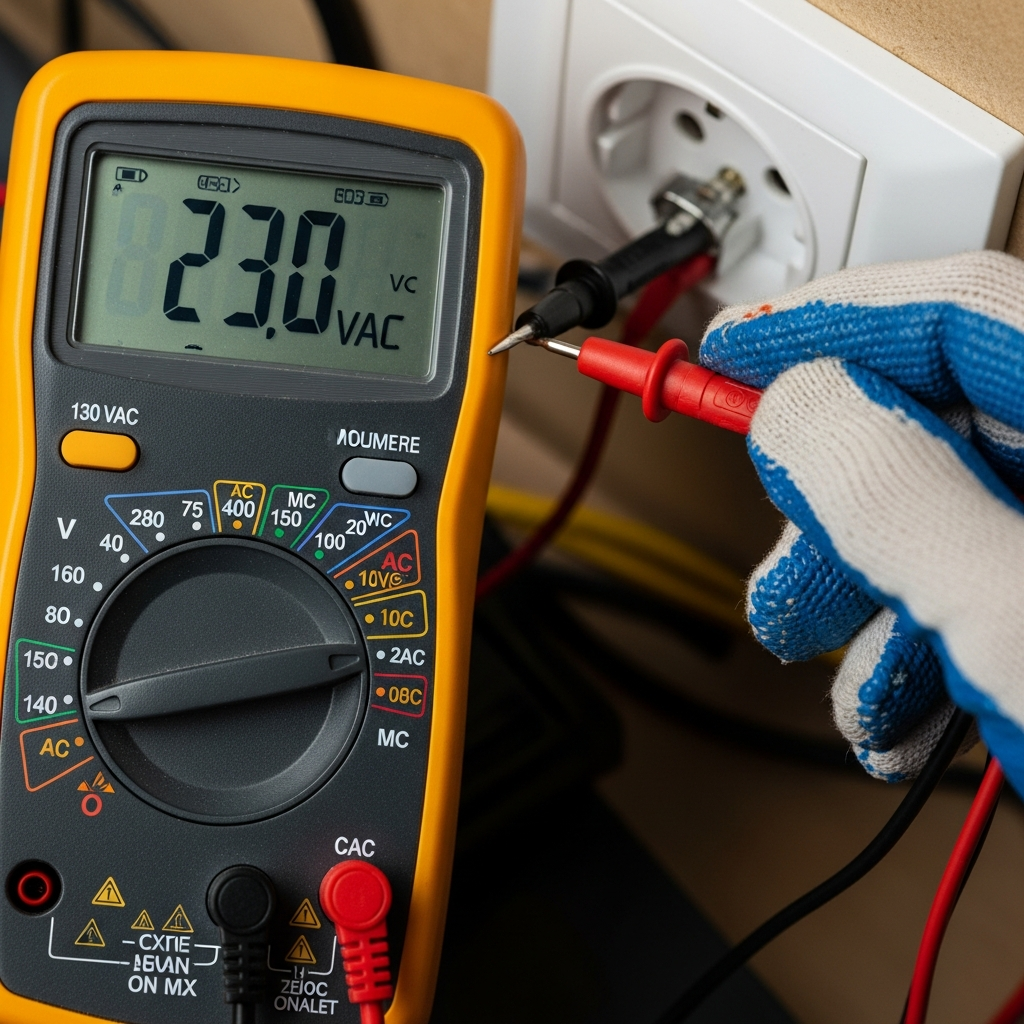
Check AC Voltage: Easy Guide
Don’t sweat those AC mysteries! This guide shows you how to check your AC’s voltage safely and easily, helping you understand its power needs and keep it running smoothly. Let’s get your AC powered up right!
Is your air conditioner acting up? Maybe it’s not cooling as well as it used to, or you’re worried about your electricity bill. It can be confusing when your AC isn’t working perfectly. But don’t worry, understanding how your AC gets its power is a great first step to solving many common issues.
I’m Jack, your go-to AC expert from ACReviewHub.com. I’m here to make ACs simple. We’ll break down things like voltage so you can feel confident about your home’s cooling system.
In this guide, we’ll walk through how to check your AC’s voltage. You’ll learn why it matters and how to do it safely. By the end, you’ll be one step closer to a perfectly cool and comfy home!
Why Checking AC Voltage Matters
Your air conditioner needs the right amount of electricity to work its best. This is called voltage. Think of it like giving your AC just the right amount of “juice” to do its job.
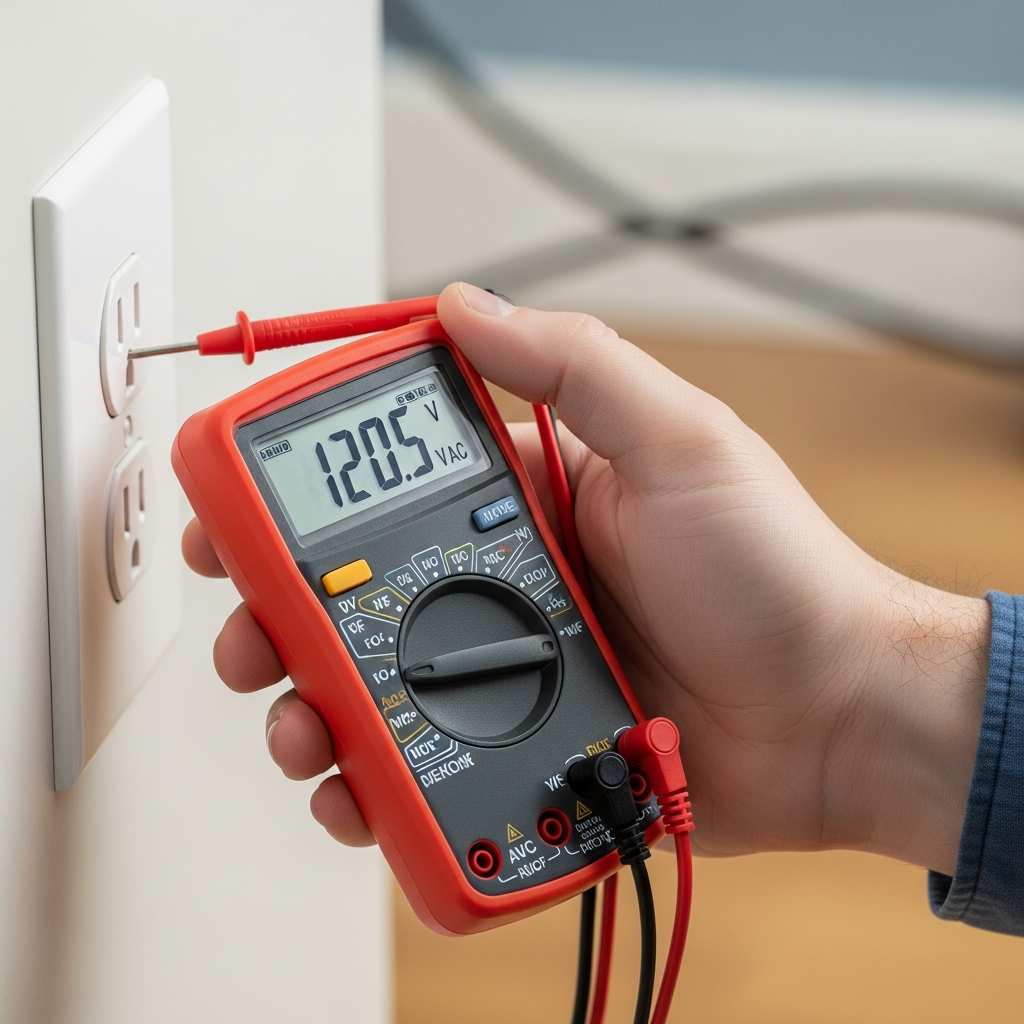
If the voltage is too low or too high, it can cause problems. Your AC might not cool your home well. It could even break down sooner than it should. Checking the voltage helps make sure your AC is getting the power it needs.
What is AC Voltage?
Voltage is a measure of electrical pressure. It’s what pushes electricity through the wires to your AC unit. Most home appliances, including air conditioners, are designed to run on a specific voltage.
In the US, homes typically get power at 120 volts or 240 volts. Your AC unit will have a label that tells you what voltage it needs. It’s important that the power coming to your AC matches what it’s designed for.
What You’ll Need to Check AC Voltage
Before you start, gather a few simple tools. Safety first is key when dealing with electricity!
- A voltage meter (also called a multimeter).
- Your AC unit’s manual or the label on the unit itself.
- Safety gloves and glasses (just in case!).
- A helper (optional, but good for safety).
How to Safely Check AC Voltage
This is where we get hands-on, but always with safety in mind. Remember, if you don’t feel comfortable, it’s always best to call a professional.
Step 1: Turn Off the Power
This is the most important step. Go to your home’s main electrical panel (breaker box). Find the breaker switch that controls your air conditioner. Flip it to the “OFF” position. This cuts off all power to the unit.
Step 2: Locate the Power Connection
For window AC units, the power cord plugs into an outlet. For central AC systems, the outdoor unit has a disconnect box. Open this box carefully to find where the wires connect.
Step 3: Set Your Voltage Meter
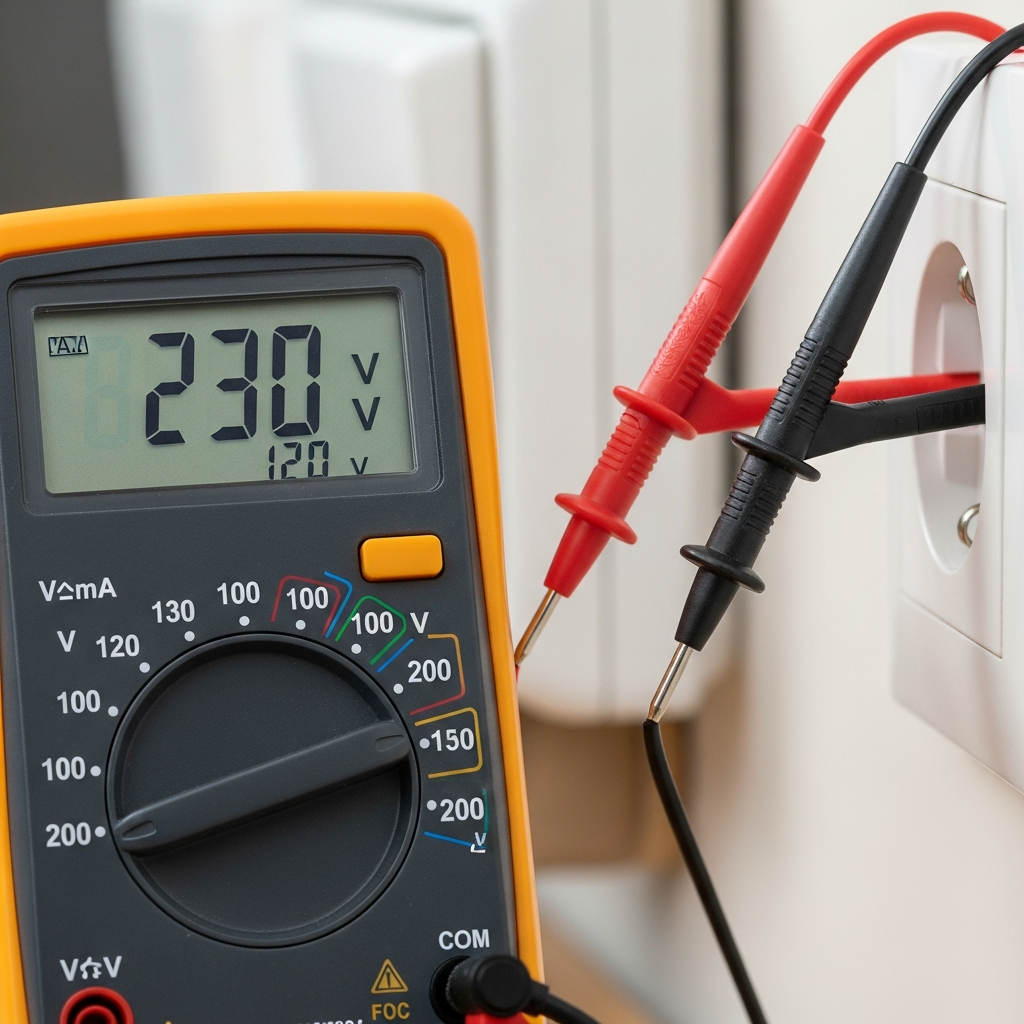
Take your voltage meter. Set it to measure AC voltage. You’ll see a symbol that looks like a “V” with a wavy line above it (~) for AC. Choose a range that is higher than what you expect, like 200 or 250 volts.
Step 4: Measure the Voltage
Carefully touch the two probes of your voltage meter to the electrical terminals where the power comes into your AC unit. Make sure the probes don’t touch each other or any other metal parts!
You should see a number appear on the meter’s screen. This number is the voltage your AC is receiving. Compare this to the voltage listed on your AC unit or in its manual.
Step 5: Turn Power Back On (After Checking)
Once you have your reading, carefully remove the voltage meter probes. Close up any panels or boxes you opened. Go back to your breaker box and flip the AC breaker back to the “ON” position.
Understanding Your AC’s Voltage Needs
Most smaller window AC units and portable ACs use 110-120 volts. Larger central air conditioning systems and bigger window units often need 220-240 volts. Your AC unit’s label will clearly state its required voltage.
Here’s a simple table to help you see the difference:
| AC Type | Typical Voltage Needed | Common Uses |
|---|---|---|
| Window AC (Small to Medium) | 110-120 Volts | Cooling single rooms |
| Window AC (Large) | 220-240 Volts | Cooling larger rooms or open spaces |
| Portable AC | 110-120 Volts | Cooling single rooms, flexible placement |
| Central AC System | 220-240 Volts | Cooling an entire house |
What if the Voltage is Wrong?
If the voltage meter shows a number that is too different from what your AC needs, it’s time to investigate. A little bit off might be okay, but a big difference is a concern.
For example, if your 240-volt AC is only getting 100 volts, it won’t run properly. If your 120-volt AC is getting 150 volts, it could get damaged. This is a sign you might need an electrician to check your home’s wiring or your AC’s components.
Tips for Keeping Your AC Happy
Beyond checking voltage, a little regular care goes a long way. Keeping your AC in good shape helps it run efficiently and last longer.
- Clean or Replace Air Filters: Do this every 1–3 months. Dirty filters block airflow and make your AC work harder.
- Keep the Outdoor Unit Clean: Make sure the area around your outdoor AC unit is clear of leaves, dirt, and plants. Gently hose down the fins if they look dirty.
- Check for Leaks: Look for any water leaks around the indoor or outdoor units.
- Listen for Strange Noises: If your AC starts making new, loud, or unusual sounds, it’s time to pay attention.
When to Call a Professional
While checking voltage is something you can often do yourself, some AC issues are best left to the experts. If you see sparks, smell burning, or aren’t comfortable with any electrical work, always call a qualified HVAC technician or an electrician.
It’s also wise to call a pro if you find the voltage is significantly off, if your AC is making strange noises, or if it’s not cooling effectively after you’ve checked the basics. They have the tools and knowledge to fix more complex problems safely.
Frequently Asked Questions
Q: Do all AC units need the same voltage?
A: Nope! Smaller units usually use 120 volts, while bigger ones and central ACs often use 240 volts. Always check your unit’s label.
Q: How often should I check my AC’s voltage?
A: You don’t need to check it often. Only check if you suspect a problem, like poor cooling or if your electricity bill seems too high. Regular maintenance is more important.
Q: Can I use an extension cord for my window AC?
A: It’s usually best not to. Extension cords can sometimes not handle the power needed and could be a fire hazard. Plug your AC directly into the wall outlet.
Q: My AC is blowing warm air. Is it a voltage problem?
A: It could be, but it could also be a dirty filter, a refrigerant issue, or a problem with the thermostat. Check your filter first, then consider voltage or call a pro.
Q: What is a “soft starter” for an AC?
A: A soft starter helps the AC’s motor start up more gently, using less power at that exact moment. It can help protect the motor and the electrical system.
Q: Is it safe to touch the wires when checking voltage?
A: Absolutely not! Always turn off the power first. Only touch the probes of your voltage meter to the correct terminals. If you’re unsure, call a pro.
Conclusion
See? Checking your AC’s voltage isn’t so scary! By following these simple steps and understanding the basics, you’re taking great care of your air conditioner. Staying on top of small things like voltage checks and regular filter changes means a more comfortable home and less worry.
Keep up the good work, and enjoy your cool, happy home!
