
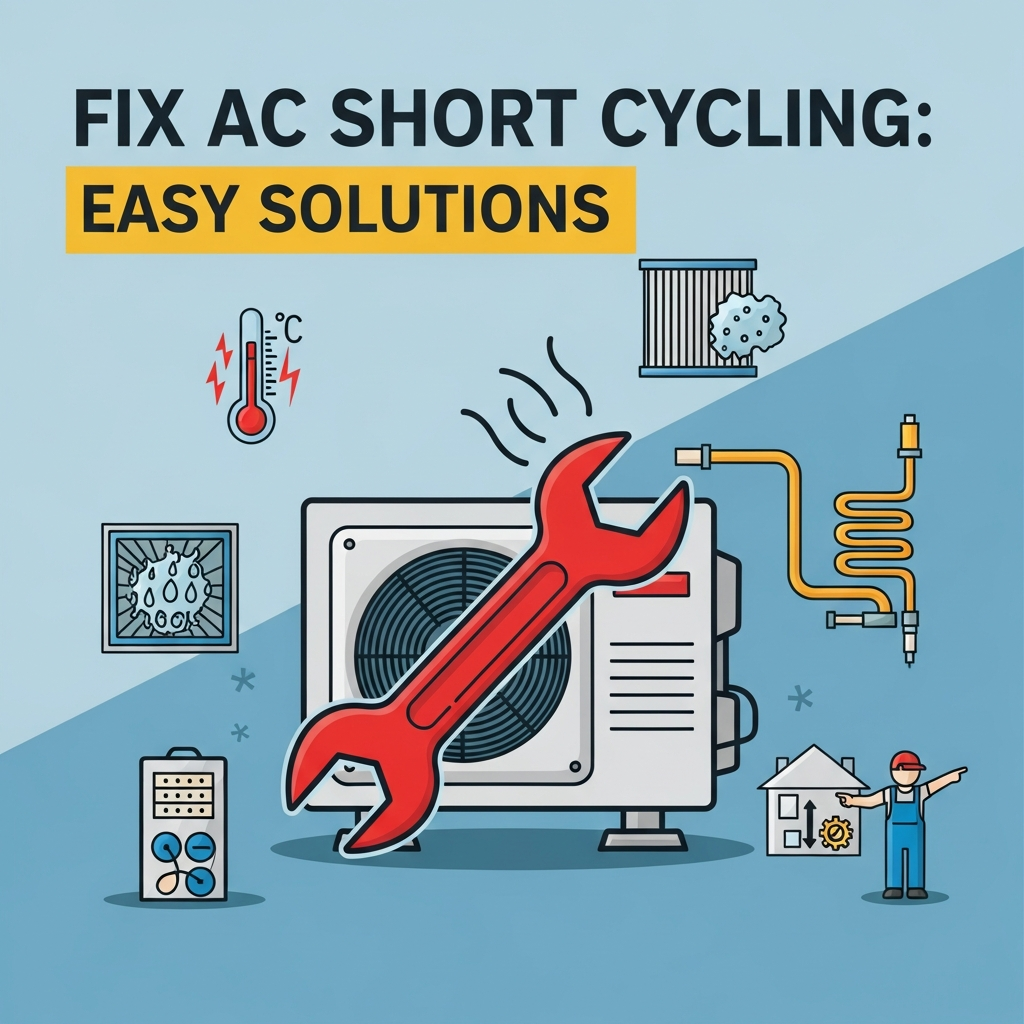
Don’t let your AC constantly turn on and off! Fixing AC short cycling is often simple. Check your air filter, thermostat, and refrigerant levels first. These easy steps can get your AC running smoothly again.
Is your air conditioner acting a bit funny? Does it feel like it’s always starting and stopping, never quite getting the room cool? It can be super confusing and make you worry about your energy bill. But don’t sweat it! I’m Jack, your friendly AC expert, and I’m here to break down AC problems into simple steps. We’ll figure out why your AC might be “short cycling” and how to fix it without any confusing jargon. Get ready to feel cool and confident about your air conditioner!
Why is My AC Turning On and Off So Much?
Your air conditioner is designed to run for a good amount of time to cool your home evenly. When it keeps starting and stopping very quickly, that’s called “short cycling.” It’s like a car that keeps revving its engine but never really goes anywhere. This isn’t good for your AC and can make your home feel uncomfortable.
Common Culprits Behind AC Short Cycling
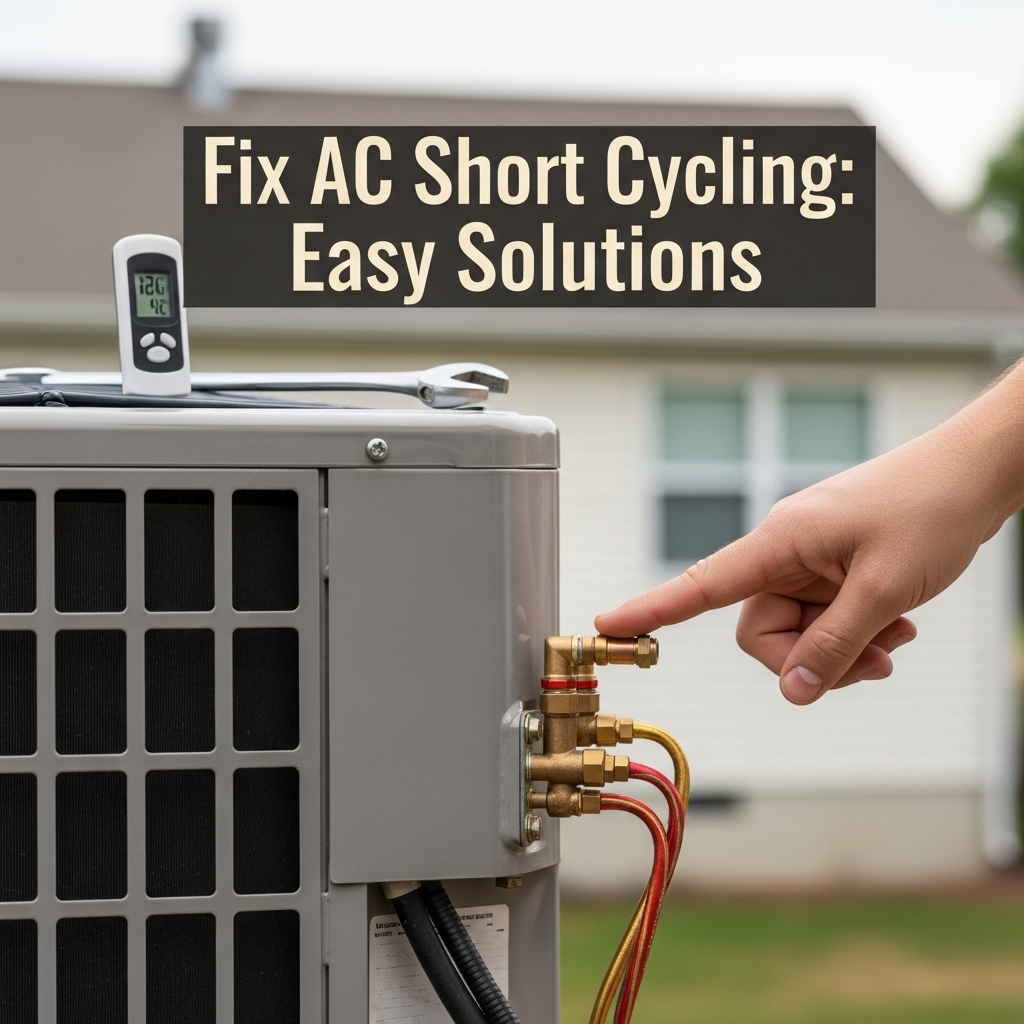
There are a few common reasons why your AC might be short cycling. Most of them are easy to spot and fix yourself. We’ll go through them one by one so you can get your cool air back.
Check Your Air Filter First!
This is the number one thing to check. A dirty or clogged air filter makes your AC work way harder. It can block airflow, which messes with the whole system.
How to Check and Change Your Air Filter
Locate the filter. It’s usually in the return air duct or near your furnace.
Slide out the old filter. Note the size and arrow direction.
Put in the new filter. Make sure the arrow points the right way.
Schedule regular changes. Do this every 1-3 months depending on your home.
Is Your Thermostat Playing Tricks?
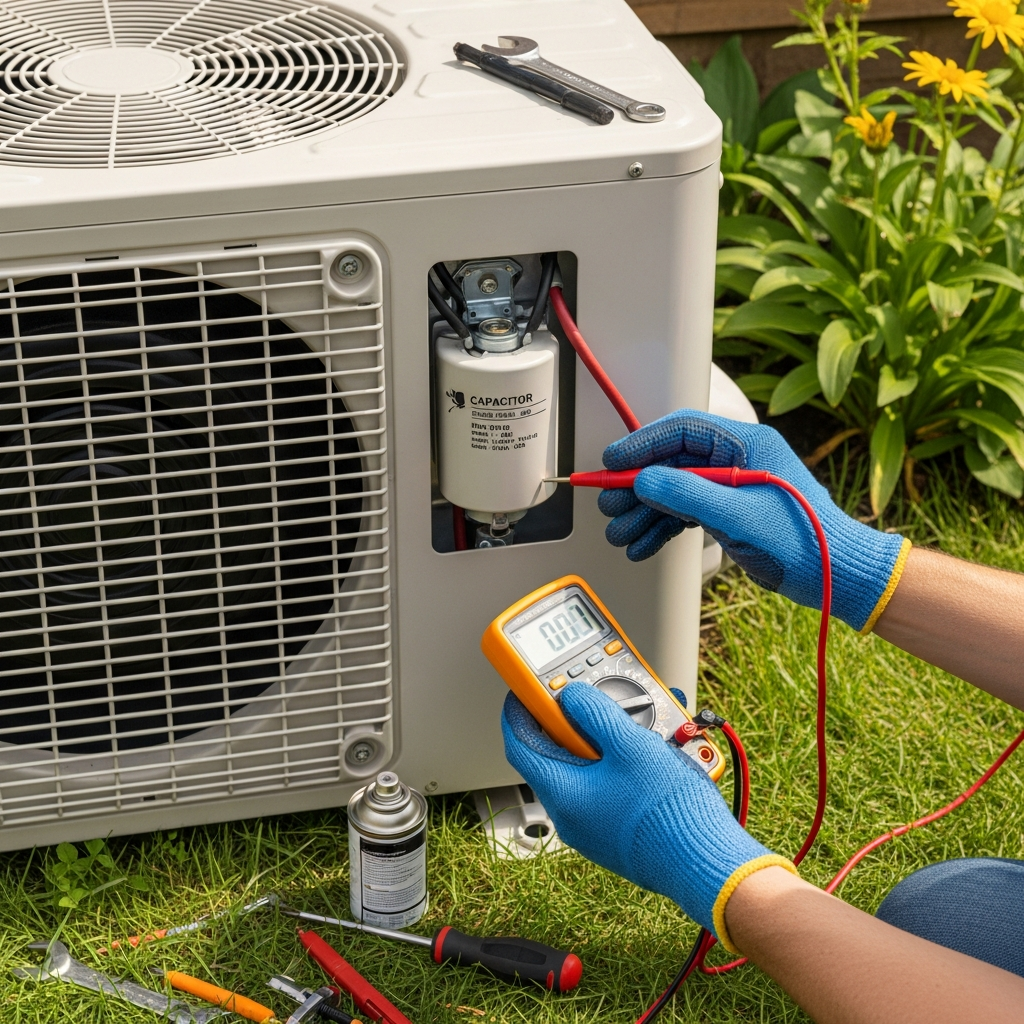
Your thermostat tells your AC when to turn on and off. If it’s set too high or not working right, it can cause short cycling. Sometimes, just adjusting the temperature can help.
Thermostat Settings to Consider
Set it and forget it. Avoid setting the temperature too low, as this can make the AC run too long and then shut off abruptly.
Check the batteries. If you have a digital thermostat, weak batteries can cause erratic behavior.
Is it in the sun? A thermostat in direct sunlight will read the room as warmer than it is, making the AC run more often.
Low Refrigerant Levels Can Cause Problems
Refrigerant is like the blood of your AC system. If there isn’t enough of it, your AC can’t cool properly and might short cycle. This usually means there’s a leak somewhere.
What to Do About Low Refrigerant
Listen for hissing sounds. This could indicate a refrigerant leak.
Check for ice buildup. Ice on the evaporator coils is a sign of low refrigerant or airflow issues.
Call a pro. Adding refrigerant is something a qualified technician should do. It’s not a DIY job.
Dirty Evaporator and Condenser Coils
The coils inside and outside your AC need to be clean to work well. When they get dirty, they can’t transfer heat effectively. This can lead to your AC overheating and shutting off too soon.
Cleaning Your AC Coils
Evaporator coils (inside): These are usually harder to access and may require a technician.
Condenser coils (outside): Gently hose them down from the outside. Make sure the power to the unit is off first!
Keep the area clear. Trim plants and grass away from the outdoor unit.
Your AC Unit Might Be Too Big for Your Home
Believe it or not, an AC that’s too powerful can also cause short cycling. A big unit cools the air down super fast but doesn’t run long enough to remove humidity. This leads to that clammy feeling and the AC shutting off too quickly.
When to Consider AC Size
BTU is key. BTU (British Thermal Unit) measures cooling power.
Match BTU to room size. A unit with too high a BTU for your space will short cycle.
Here’s a simple chart to give you an idea:
| Room Size (Square Feet) | Recommended Cooling Capacity (BTU) |
|---|---|
| 100–150 | 5,000 |
| 150–250 | 6,000 |
| 250–350 | 8,000 |
| 350–450 | 10,000 |
| 450–550 | 12,000 |
| 550–700 | 14,000 |
| 700–1,000 | 18,000 |
| 1,000–1,200 | 21,000 |
Blocked Airflow Can Be a Hidden Problem
Sometimes, things block the air from getting to or away from your AC. This can be furniture blocking vents or even something stuck in the outdoor unit.
Tips for Good Airflow
Keep vents clear. Don’t put furniture or rugs over your air vents.
Check outdoor unit. Make sure leaves, branches, or debris aren’t blocking the fan.
Clean return air grilles. Dust can build up here too.
When to Call a Professional
While many AC short cycling issues are simple fixes, some require a trained eye. If you’ve checked the easy things and your AC is still short cycling, it’s time to call in the experts.
Signs It’s Time for a Pro
You suspect a refrigerant leak. This needs special handling.
Electrical problems. If you see sparks or smell burning, turn off your AC immediately.
* The problem persists. After trying the DIY steps, a technician can diagnose more complex issues.
For more information on energy efficiency and AC maintenance, check out the U.S. Department of Energy.
Frequently Asked Questions About AC Short Cycling
Why is my AC turning on and off every few minutes?
That’s short cycling! It often means something is making your AC run too hard or too short, like a dirty filter, thermostat issues, or airflow problems.
Can I fix AC short cycling myself?
Yes, many common causes like changing the air filter or clearing blocked vents can be fixed by you!
How much does it cost to fix AC short cycling?
If it’s a simple fix like a filter, it’s very cheap. If you need a pro for a refrigerant leak, it could cost a few hundred dollars.
Will short cycling hurt my AC?
Yes, it puts extra strain on the compressor and can make your AC wear out faster and use more energy.
What if my AC is freezing up?
Freezing usually means there’s an airflow problem or low refrigerant. Check your filter first!
How often should my AC run?
A properly sized AC should run for cycles of 10-15 minutes at a time. It shouldn’t be constantly starting and stopping.
Keep Your Cool: Simple Steps for a Happy AC
Taking care of your air conditioner doesn’t have to be complicated. By regularly checking your air filter, keeping your vents clear, and paying attention to how your AC sounds and runs, you can prevent many common problems. These small, consistent steps will help your AC run efficiently, save you money on energy bills, and keep your home perfectly cool. You’ve got this!
Your AC expert, Jack, signing off. Stay cool!
