
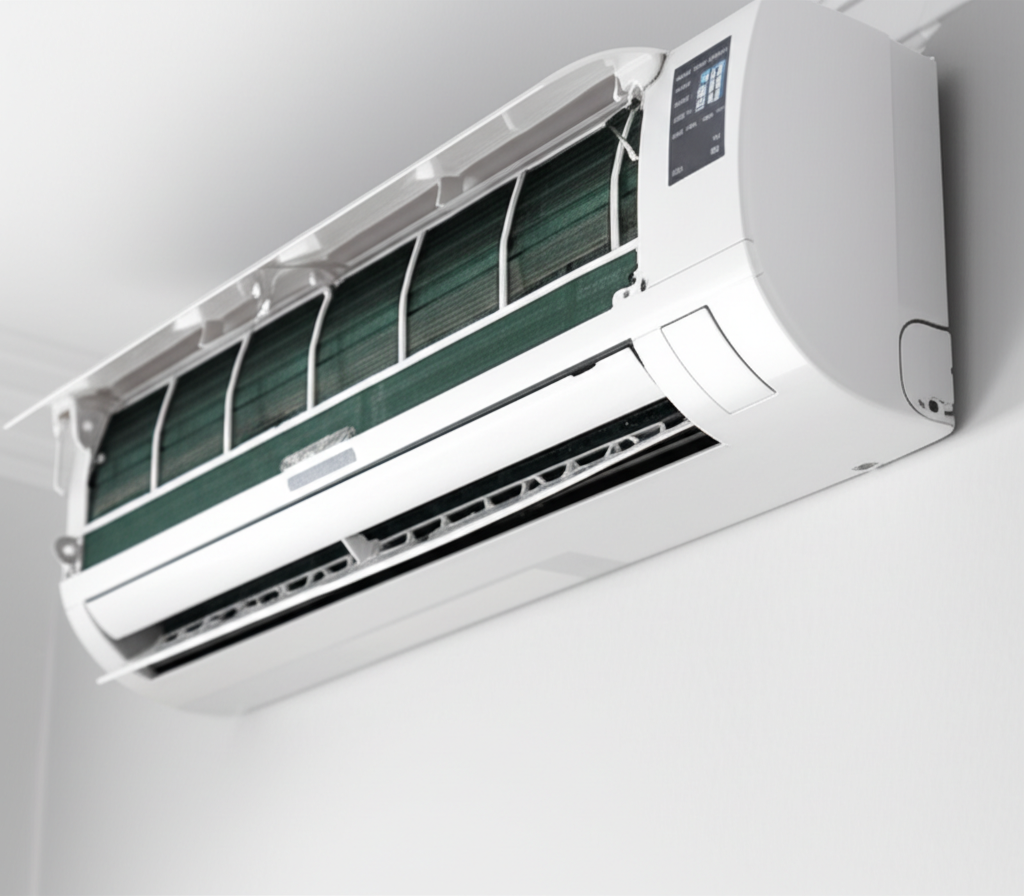
Quick Fix for Leaks: Most AC water leaks happen because the drain line is clogged with dirt or algae, or the unit is tilted wrong. Clear the drain or level the unit to stop the drip fast.
Hey there! I’m Jack from ACReviewHub.com. Seeing water drip from your air conditioner can feel like a mini-disaster. It makes you worry about big repair bills and water damage. Don’t panic; most AC leaks are simple fixes we can tackle together. We are going to walk through why this happens and how you can stop that annoying drip right away. By the end of this guide, you will know exactly how to keep your AC dry and running perfectly.
Understanding Why Your AC Is Leaking Water
Your AC unit is basically a giant dehumidifier. It pulls moisture out of the air as it cools it down. This water needs a safe place to go. Usually, it drains away through a small pipe called the condensate drain line. When that water ends up on your floor, something is blocking its exit route.
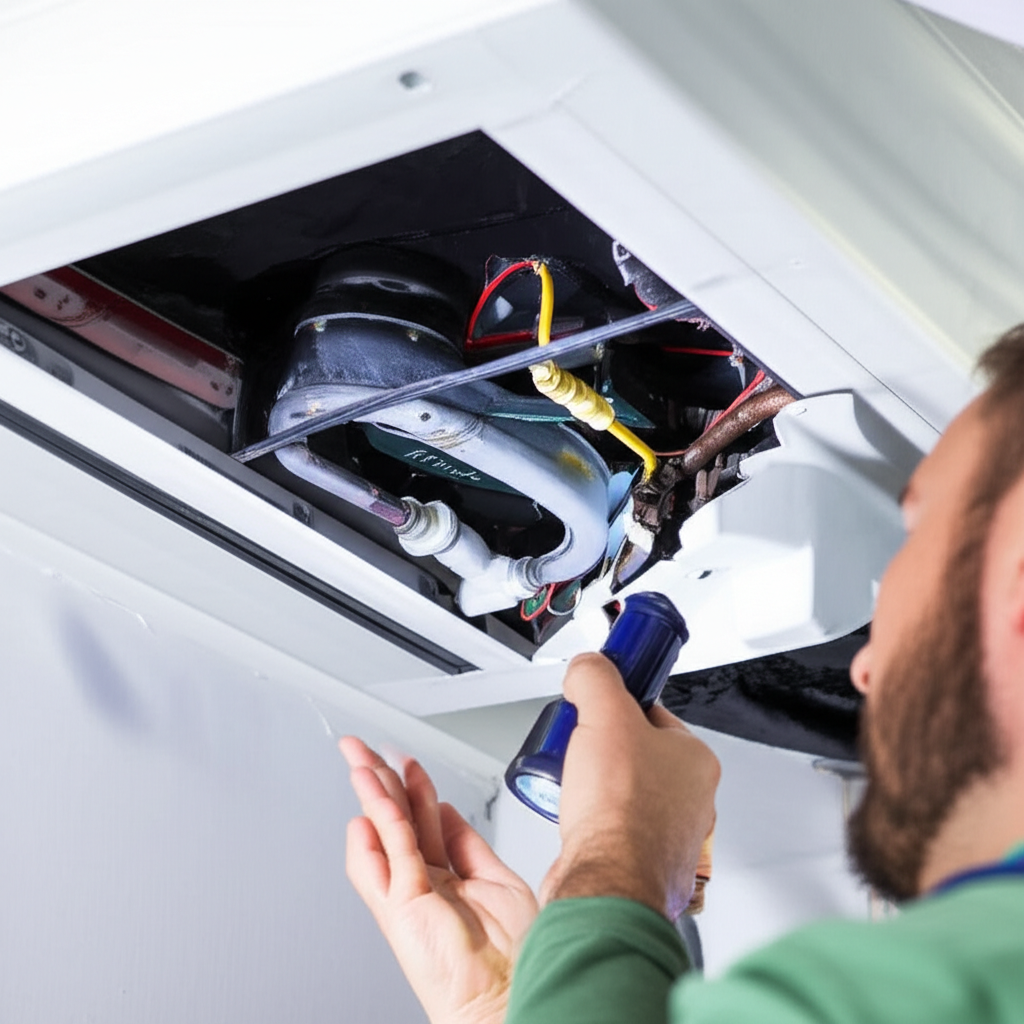
There are three main reasons this happens. They are usually easy to spot. We will look at clogs, frozen coils, and leveling issues. Knowing the cause helps us find the right quick fix.
The Top 3 Culprits Behind AC Water Leaks
Let’s break down the common causes. These are the things that usually cause that dreaded puddle.
- Clogged Condensate Drain Line: This is the number one problem. Dust, mold, and slimy algae build up inside the small drain pipe. The water backs up and overflows inside the unit.
- Frozen Evaporator Coils: If your AC is running non-stop or your filter is super dirty, the coils can freeze into a block of ice. When this ice melts, it creates too much water, too fast, overwhelming the drain pan.
- Incorrect Unit Installation: If the indoor unit (the air handler) is not perfectly level, the water might not flow correctly into the drain pan. It can spill over the edges instead.
Urgent Fix 1: Clearing a Clogged AC Drain Line
This is the fix most people can do themselves. A blocked drain line is like a traffic jam for water. We need to clear that path!
Step-by-Step Guide to Unclogging the Drain Line
First, always turn off the power to your AC unit at the thermostat and the main breaker. Safety first!
- Locate the Drain Line: This is usually a small PVC pipe sticking out of the side of your outdoor unit or near your indoor furnace/air handler.
- Find the Access Point: Some newer systems have a T-shaped vent near the indoor unit where you can pour a cleaning solution.
- The Vinegar Flush: Pour about a cup of plain white vinegar directly into the drain access point (or gently into the pipe if you can reach it). Vinegar kills the mold and algae.
- Wait and Check: Let the vinegar sit for about 30 minutes. Then, check the outside drain exit. If water starts flowing freely, you fixed it!
- If Vinegar Fails (Use Caution): If the clog is stubborn, you can try a wet/dry vacuum. Seal the vacuum hose tightly over the outdoor drain exit point and suck out the blockage. This can pull out the slimy gunk.
Pro Tip: Never pour harsh chemicals like bleach down the line. They can damage the pipes or the surrounding environment.
Urgent Fix 2: Dealing with Frozen Evaporator Coils
If your AC is blowing warm air and there is water pooling, you might have frozen coils. This is usually caused by bad airflow.
How to Thaw and Prevent Coil Freezing
You must let the ice melt completely before trying to run the AC again. Forcing it will cause more leaks.
- Turn the AC to ‘Off’: Switch the thermostat setting from ‘Cool’ to ‘Off.’
- Turn the Fan to ‘On’: Switch the fan setting from ‘Auto’ to ‘On.’ This blows room-temperature air over the ice block, speeding up the thaw.
- Wait Several Hours: Depending on how much ice there is, this can take 3 to 5 hours. You will see a lot of water draining during this time.
- Inspect the Air Filter: Once thawed, immediately check your air filter. A dirty filter is the #1 reason for freezing. Replace it if it looks dark gray or dusty.
A clean filter ensures the coils stay cold but don’t get too cold, preventing ice buildup. This simple step saves you headaches.
Urgent Fix 3: Checking for Unit Leveling Issues
This is less common if your unit has been fine for years, but important for new installs or if your house settles.
Your indoor air handler needs to be tilted slightly toward the drain pan opening. This ensures gravity pulls the condensate water correctly.
If you suspect this, you might need a professional. An HVAC tech uses a simple level tool to check the unit. They can add small shims under the unit to correct the slope. Don’t try to lift heavy AC components yourself!
When to Call a Professional AC Expert
While many drips are DIY-friendly, some problems need a trained eye. Call a pro if:
- The drain line is completely blocked and the vacuum method didn’t work.
- You see water leaking from the outdoor unit (this can signal a refrigerant issue).
- You suspect a crack in the primary drain pan.
- The unit keeps freezing up even after you change the filter.
For more in-depth maintenance tips, check out resources from the U.S. Department of Energy on AC and Heating Maintenance.
Simple AC Maintenance Checklist to Prevent Future Leaks
Staying ahead of problems is always easier than fixing them later. Here is a quick, easy routine to keep water where it belongs.
| Maintenance Task | Frequency | Why It Matters for Leaks |
|---|---|---|
| Change/Clean Air Filter | Every 30–90 Days | Prevents frozen coils due to poor airflow. |
| Inspect Drain Line Opening | Twice Per Cooling Season | Catching debris before it causes a total clog. |
| Clear Debris Around Outdoor Unit | Monthly | Ensures good air circulation around the condenser. |
| Check Thermostat Settings | Seasonally | Avoid running the AC too long on humid days. |
Remember, a healthy AC system moves air efficiently. Airflow problems cause temperature swings, and temperature swings cause ice.
Choosing the Right AC Size: A Preventative Step
Sometimes leaks happen because the AC unit is too big for the room. An oversized unit cools the room too fast, shuts off, and then drips water during the short cycles. It doesn’t run long enough to dehumidify properly.
When picking a new unit, make sure the cooling capacity matches your space. We use BTUs (British Thermal Units) to measure this.
| Room Size (Square Feet) | Recommended Capacity (BTUs) |
|---|---|
| 150–250 sq ft | 5,000–6,000 BTU |
| 250–350 sq ft | 7,000–8,000 BTU |
| 350–550 sq ft | 9,000–12,000 BTU |
Getting the right size prevents short-cycling and helps maintain steady humidity levels, which means less chance of ice and water buildup.
Frequently Asked Questions (FAQs) About AC Leaks
Here are quick answers to the questions I hear most often:
- Q: Is it normal for my AC to drip a little water outside?
- A: Yes! A little dripping from the outdoor unit is normal condensation when it’s very humid. Leaks inside the house are not normal.
- Q: Can I use a coat hanger to clear the drain line?
- A: You can try gently poking the end of the line with something soft, but be careful not to puncture the pipe. Vinegar or a wet/dry vac is usually safer.
- Q: My AC is leaking water, but it’s not hot outside. Why?
- A: If it’s cold outside but your heater is running, the AC shouldn’t be on. If you are running the heat pump in defrost mode, some dripping outside is normal.
- Q: How much does it cost to fix a clogged drain line?
- A: If you do it yourself, the cost is zero (or the price of vinegar!). A technician usually charges a service fee, often under $150 for a simple clog clearing.
- Q: Where should the drain line drain to?
- A: It should empty outside, away from your foundation, or into a dedicated plumbing drain line if required by local code.
Dealing with an AC leak can seem scary, but as you can see, it is usually just a simple clog or a dirty filter causing trouble. Don’t let a small drip turn into a big headache.
By following these simple inspection and cleaning routines, you are taking charge of your comfort. Keep those filters fresh and those drains clear, and you will stay cool and dry all season long. You’ve got this!
