
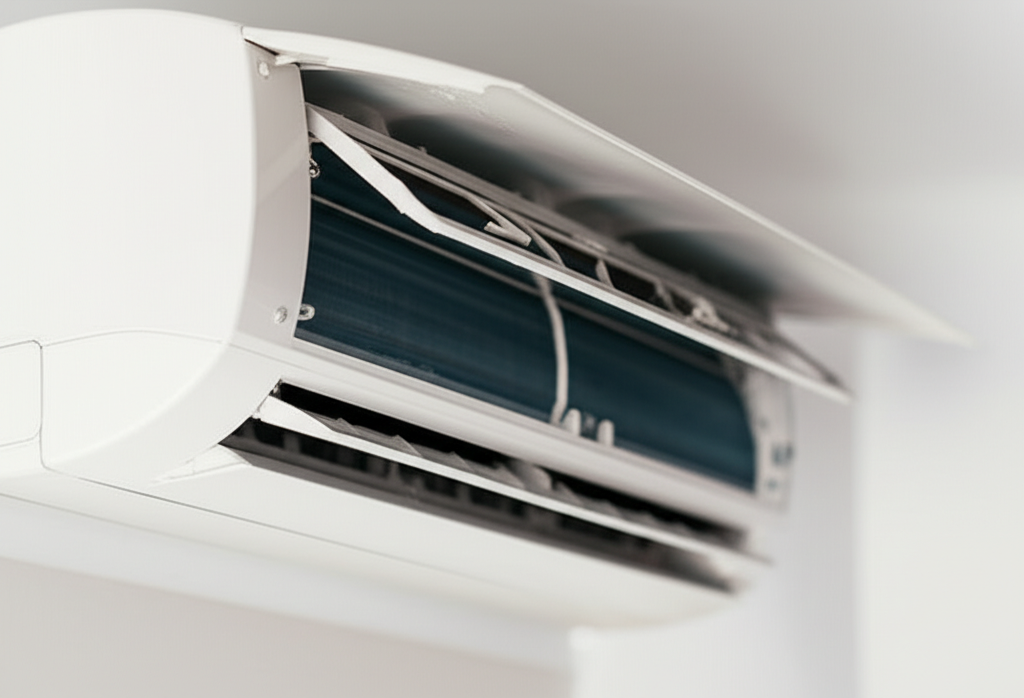
If your AC is blowing warm air, the fix is usually simple: check the air filter first, then make sure the thermostat is set correctly. Dirty coils or low refrigerant are next on the list. We’ll walk through these easy checks now!
Is your air conditioner struggling lately? Maybe it sounds like it is working hard, but the air coming out is just not cold enough. This is a very common problem when the weather heats up. Dealing with a weak AC unit can feel frustrating, especially when you are worried about high energy bills. Don’t worry; I am Jack from ACReviewHub.com, and I will show you exactly what to check first. We will start with the easiest fixes you can do yourself today, keeping your wallet happy and your home cool.
Urgent Fixes: 5 Things to Check When Your AC Isn’t Cooling Well
When the cooling power drops, it usually means one simple part is blocked or set wrong. We do not need complicated tools for these first checks. Think of this as giving your AC a quick health checkup right now.
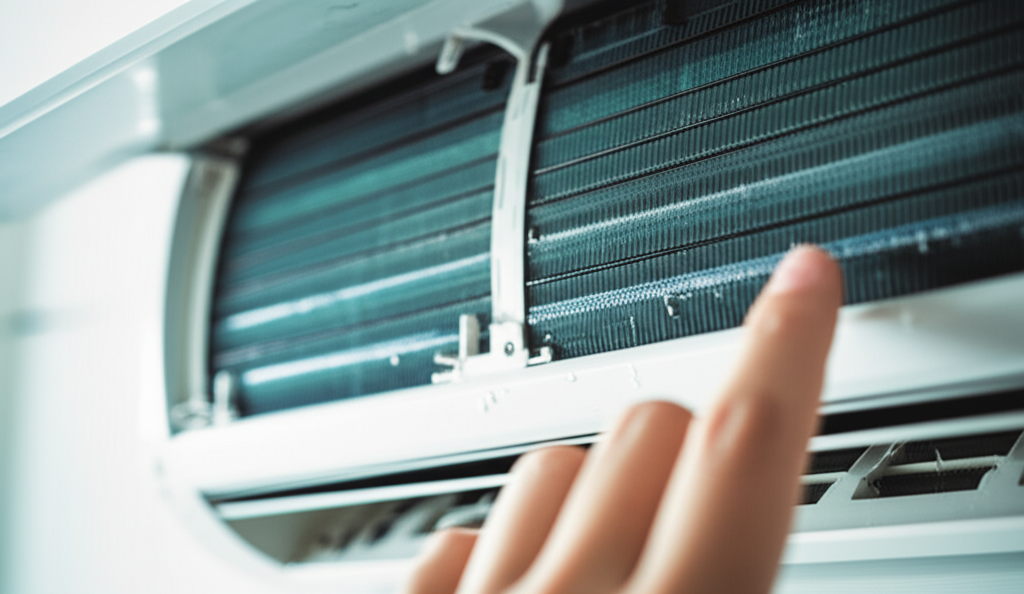
Step 1: Check and Change That Dirty Air Filter (The #1 Culprit)
The air filter is the gatekeeper for your whole system. If it gets clogged with dust and pet hair, air cannot flow through it properly. This stops the AC from cooling your house down.
Here is how to check and change your filter:
- Locate the return air vent or the slot on your indoor unit (the furnace or air handler).
- Gently slide out the old filter. If you can barely see light through it, it needs changing!
- Buy a new filter of the same size (the size is printed on the edge).
- Slide the new filter in, making sure the arrow on the filter points toward the AC unit (where the air is going).
Dirty filters make your AC work much harder. Changing it often saves energy immediately. Most folks should change this every 1 to 3 months.
Step 2: Verify Your Thermostat Settings
Sometimes the simplest thing is the culprit. Did someone accidentally switch the thermostat from “Cool” to “Fan” or “Heat”? It happens all the time!
Check these simple settings:
- Mode: Make sure it is set to COOL, not just FAN.
- Fan: Set this to AUTO, not ON. AUTO only runs the fan when cooling is needed.
- Temperature: Set the temperature lower than the current room temperature to ensure it kicks on.
If you have a smart thermostat, quickly check its battery level too. A dead battery can cause strange behavior.
Step 3: Look for Blockages Around the Outdoor Unit (The Condenser)
Your outdoor unit, called the condenser, needs lots of space to breathe. It throws the heat from inside your house outside. If plants or debris block it, the heat stays trapped, and cooling drops fast.
Follow these quick steps:
- Turn off the power to the outdoor unit at the outside disconnect box (usually a gray box on the wall near the unit). Safety first!
- Look all around the metal fins of the unit.
- Trim back any grass, weeds, or tree branches at least two feet away from the unit on all sides.
- If you see heavy dirt buildup, you can gently rinse the fins with a garden hose (low pressure only).
Step 4: Check for Frozen Evaporator Coils (The Icy Sign)
If you notice ice forming on the copper lines near your indoor unit or even on the big metal line leading outside, your AC has frozen up. Ice acts like insulation and stops cooling completely.
Freezing usually happens because of low airflow (Step 1) or low refrigerant (which means you have a leak). Here is the urgent fix:
- Turn the thermostat setting from COOL to OFF.
- Turn the Fan setting from AUTO to ON. This blows warm air over the ice to melt it faster.
- Let the system run like this for several hours until all the ice is gone.
- Once melted, switch the system back to COOL and AUTO.
If it freezes again quickly, you need a professional to check the refrigerant level.
Step 5: Understand Refrigerant Leaks (When to Call a Pro)
Refrigerant is the special liquid that actually absorbs heat from your home. Your AC system is sealed, so you should never “run out” of it. If the cooling is low and you suspect low refrigerant, it means you have a leak.
You might hear hissing sounds or see ice (from Step 4). Fixing a leak is not a DIY job; it requires EPA certification. However, knowing this points you to the right service call.
| Symptom | Most Likely Cause | Beginner Fix? |
|---|---|---|
| Air is slightly warm, system runs constantly. | Dirty Air Filter | Yes (Change it!) |
| System won’t turn on at all. | Tripped Circuit Breaker or Thermostat Issue | Yes (Check breaker/settings) |
| Ice visible on lines or indoor unit. | Restricted Airflow or Low Refrigerant | Yes (Thaw system first) |
| Unit blows warm air, but coils look clean. | Refrigerant Leak or Compressor Issue | No (Call Technician) |
When to Stop DIY and Call the AC Expert
After you have checked the filter, thermostat, and outdoor clearance, you have done the beginner’s part perfectly. If the unit is still weak, it is time to bring in the professionals. These issues usually require specialized tools or licensing.
You need a technician if you see any of these signs:
- Strange, loud noises coming from the unit (grinding or screeching).
- Water leaking from the indoor unit or near the furnace.
- The outdoor unit never turns off, even when the house is cool.
- You smell burning plastic or electrical smells.
For more detailed information on energy efficiency and when to service your unit, the experts at Energy.gov offer great resources.
Quick Guide: Choosing the Right AC Size (BTU Basics)
Sometimes, the unit cools poorly because it was the wrong size to begin with. An undersized unit runs nonstop and never catches up. An oversized unit cycles on and off too quickly, which doesn’t remove humidity well, making the house feel clammy.
Here is a very rough guide based on room size. Always consult a pro for exact calculations!
| Room Size (Square Feet) | Approximate Cooling Needed (BTUs) |
|---|---|
| 150 to 250 sq ft | 5,000 to 6,000 BTU |
| 250 to 350 sq ft | 7,000 to 8,000 BTU |
| 350 to 450 sq ft | 9,000 to 10,000 BTU |
| 550 to 700 sq ft | 12,000 to 14,000 BTU |
Keeping Your Cool: Simple Maintenance Habits
Preventing low cooling is easier than fixing it later. A little bit of regular care goes a long way toward keeping your system efficient all summer long.
Make this simple checklist part of your monthly routine during cooling season:
- Check the air filter every 30 days and replace it if dirty.
- Visually inspect the outdoor unit for debris once a month.
- Ensure all supply vents (where cold air comes out) and return vents (where air goes in) are open and not blocked by furniture or rugs.
- If you have a window unit, clean the exterior fins gently every spring before turning it on for the season.
Frequently Asked Questions for AC Beginners
Q1: How cold should the air coming out of the vent feel?
It should feel about 15 to 20 degrees cooler than the temperature set on your thermostat. If you measure 75 degrees outside the vent, you are doing great!
Q2: Can I just add more refrigerant myself?
No, you cannot. Refrigerant is a pressurized chemical. Adding it without finding and fixing the leak is illegal and won’t solve the underlying problem long-term.
Q3: Why is my AC running but not cooling much?
This is almost always a filter issue, a blocked outdoor unit, or a low refrigerant charge due to a leak.
Q4: Should I ever turn my AC off completely in the summer?
It is better to set the thermostat to a slightly warmer temperature (like 78°F) when you are gone, rather than turning it completely off. Turning it off completely lets humidity build up, making it take much longer and use more energy to cool the house back down later.
Q5: My breaker tripped! What do I do?
Wait five minutes, then flip the AC breaker back on firmly. If it trips again right away, stop trying and call an electrician or AC technician, as this usually means a bigger electrical issue in the unit.
Fixing weak AC cooling starts with simple checks right inside your home. Most of the time, it is just a little bit of dust blocking the airflow.
By staying consistent with filter changes and simple visual checks, you will keep your AC running smoothly and save money all season long. Stay cool, and remember, keeping up with these small steps makes a huge difference!
