
Quick Summary: To easily clear your AC drain pipe, turn off the power, find the access point, and gently pour a mix of bleach or vinegar down the pipe opening to flush out clogs. This simple fix stops leaks and keeps your AC happy.
Is your air conditioner dripping water inside your house? Maybe it is making a funny gurgling noise. These are common signs that the drain pipe is clogged. It can feel confusing when your AC acts up. Many people worry this means an expensive repair is coming.
Don’t worry one bit! I’m Jack from ACReviewHub.com. I help folks like you understand their cooling systems easily. We will walk through this drain pipe cleaning together, step by step. You will feel confident fixing this simple issue right now.
Why Cleaning Your AC Drain Pipe Matters (It’s Not Just About Water!)
Your AC unit works hard to cool your home. As it cools the air, it also removes humidity. This water has to go somewhere safe.
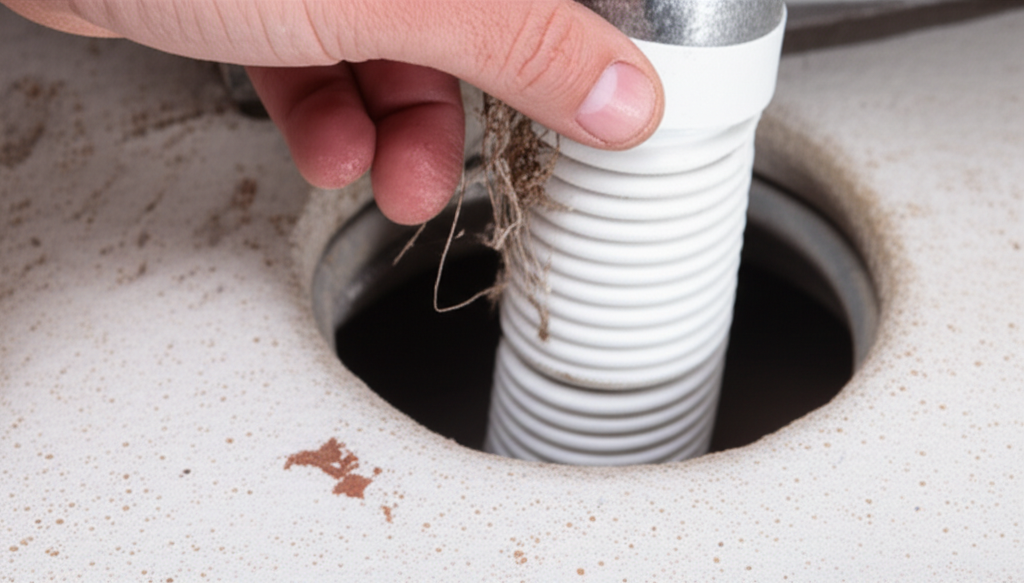
The drain pipe, or condensate line, carries this water safely outside. If this pipe gets blocked, the water has nowhere to go. It backs up inside your unit.
A clogged drain pipe leads to leaks indoors. It can also cause mold and mildew growth near the unit. In bad cases, it might even freeze up your whole system. Keeping this pipe clear is key to saving money and staying cool.
What Causes AC Drain Pipes to Get Clogged?
It is usually just simple stuff building up inside the pipe. Think of it like a kitchen sink drain getting slow.
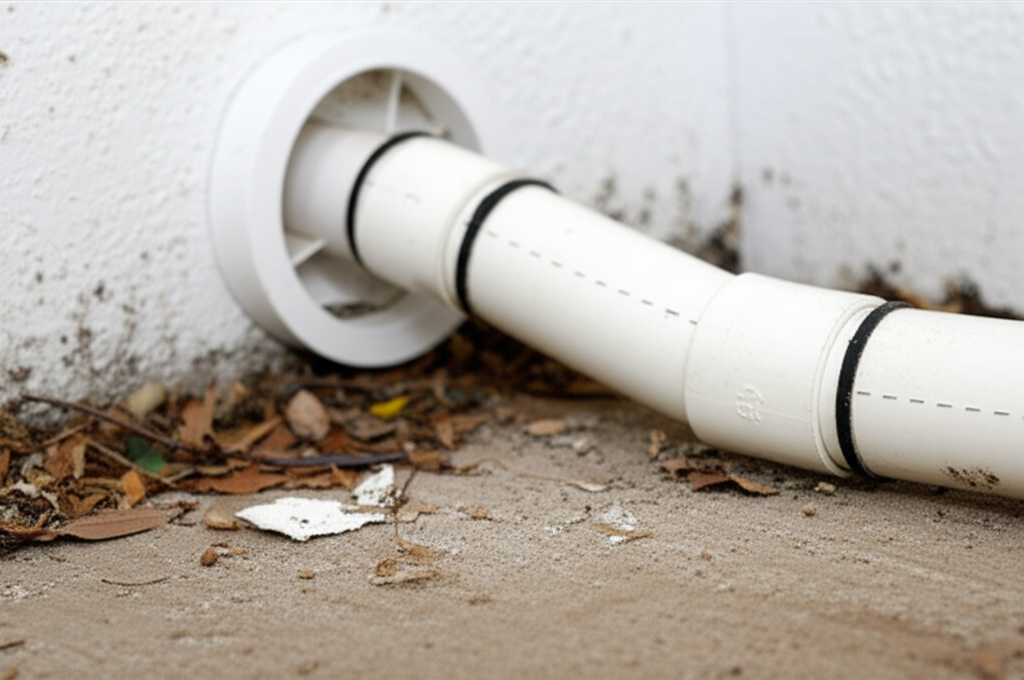
- Algae and Slime: Warm, moist environments inside the pipe are perfect for tiny organisms to grow.
- Dust and Dirt: Small bits of dust that get pulled in from the air can settle in the water.
- Mold Spores: These spores float in the air and stick to the inside of the drain line.
We need to flush these things out regularly. A little maintenance goes a long way here.
Effortless Guide: How to Clean Your AC Drain Pipe in 4 Simple Steps
This is easier than you might think. You do not need special tools for the main cleaning part. We are going to focus on the access point near your indoor unit.
Step 1: Safety First – Turn Off The Power
Before you touch anything near the AC unit, safety is number one. You must cut the power to prevent shocks or the unit from turning on unexpectedly.
Find the dedicated shut-off switch for your air conditioner. This is usually a simple light switch located on or near the furnace or air handler. Flip that switch to the OFF position.
Step 2: Locate and Prepare the Drain Opening
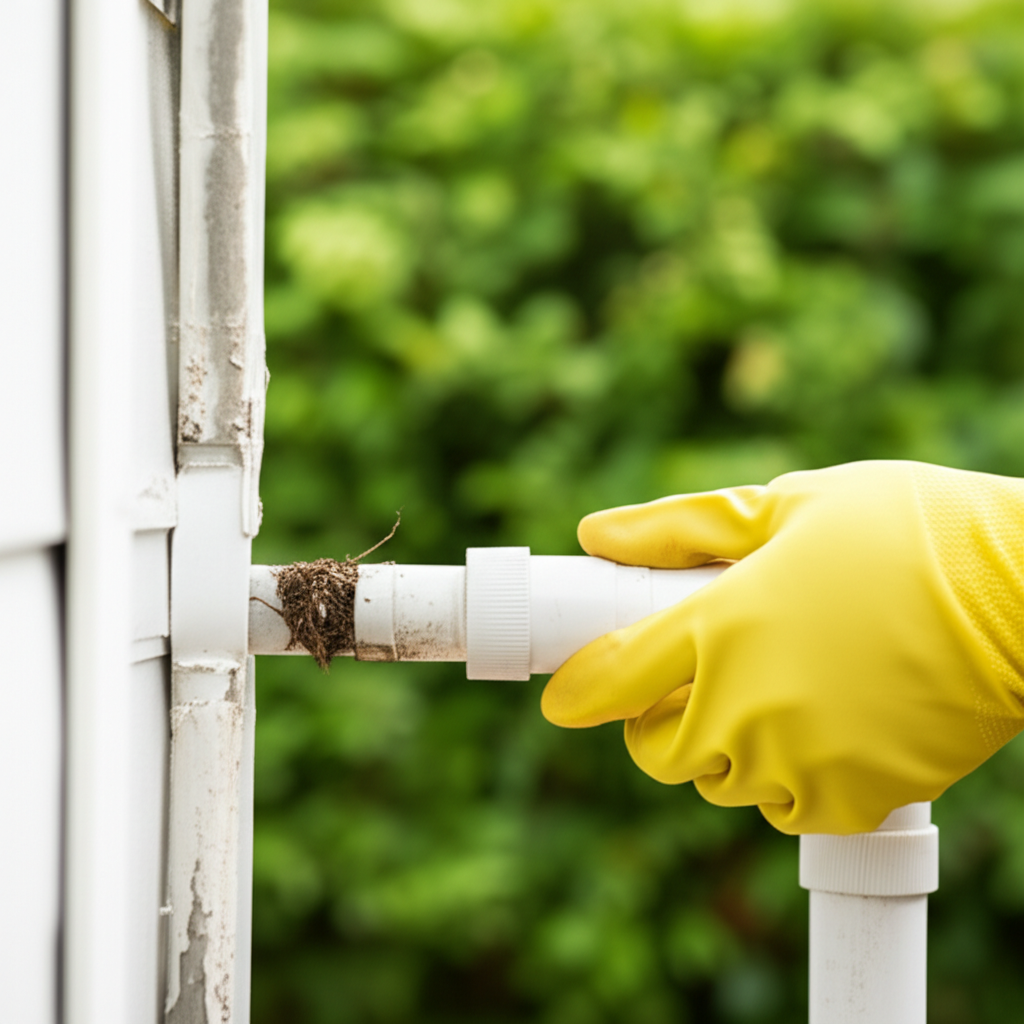
The drain line usually comes out near your indoor furnace or air handler. You are looking for a PVC pipe that drains water away from the unit, often leading outside or to a floor drain.
Look for a T-shaped vent or clean-out plug near the start of the line. This is your access point for flushing.
Place a bucket or some old towels right under this area. Even with careful pouring, a little water might splash out.
Step 3: Flush the Clog with a Cleaning Solution
Now for the main action. We are going to use a simple, safe cleaner to break down the slime and gunk.
Here are your best options for a safe flush:
- Vinegar Power: Use one cup of plain white vinegar. Pour it slowly into the clean-out opening. Vinegar kills algae without hurting your pipes.
- Bleach Option (Use Sparingly): If the clog seems stubborn, mix one part household bleach with four parts water. Pour about half a cup of this mix in. Remember to use less bleach than vinegar.
Pour slowly and wait a few minutes. You might hear bubbling or gurgling as the solution works. Let it sit for about 30 minutes to really dissolve the buildup.
Step 4: Test and Restore Power
After waiting, pour a cup of clean water down the opening to flush out the cleaner and any loosened debris. If the water flows freely, you did it!
Go back to your shut-off switch and flip the power back ON. Turn your thermostat down a few degrees and let the AC run for 15 minutes. Watch the drain line outside or listen for water flowing properly.
When Simple Flushing Isn’t Enough: Using a Wet/Dry Vacuum
Sometimes, the clog is further down the line and needs a bit more pulling power. This is where your shop vac comes in handy.
If water is still backing up after flushing, you can try vacuuming the clog out.
Find the outside exit point of the drain line. Seal the vacuum hose tightly around the drain pipe opening using a rag or duct tape. This creates a tight seal.
Turn the wet/dry vacuum on high suction for about two minutes. The vacuum should suck the blockage right out of the pipe!
For more technical help on understanding your system’s components, you can always check out reliable resources like the U.S. Department of Energy website.
Troubleshooting Common Drain Issues
Not every drain issue is a simple clog. Here is a quick look at what else might be happening.
| Symptom | Likely Cause | What to Check |
|---|---|---|
| Water leaking near the unit | Clogged drain or loose connection | Perform the drain flush described above. |
| AC blowing warm air | Low refrigerant or dirty filter | Check filter first; call a pro for refrigerant issues. |
| Ice on the copper lines | Blocked airflow or very low refrigerant | Clean the filter and ensure vents are open. |
Simple Ways to Prevent Future Clogs
The best way to handle drain lines is to stop clogs before they start. A little prevention saves you a lot of headache later.
Here are a few easy habits to adopt:
- Change Your Air Filter Monthly: This is the number one thing you can do. A clean filter stops dirt from ever reaching the AC coil where condensation forms.
- Schedule Annual Checkups: Have a technician inspect the whole system once a year before summer hits hard. They can often flush the line professionally.
- Monthly Vinegar Flush: During the cooling season, pour that cup of vinegar down the clean-out access point once a month. It keeps the algae away!
Remember, maintenance does not have to be hard. Think of it like brushing your teeth—small actions keep big problems away.
Frequently Asked Questions (FAQ)
Q1: How often should I clean my AC drain pipe?
If you use your AC a lot in the summer, flushing it once a month during those months is a great idea.
Q2: Can I use a wire hanger to clear the clog?
You can try it gently, but be very careful. You might push the blockage deeper or even puncture the PVC pipe, causing a bigger leak later.
Q3: Is it okay if my AC drain line drips outside?
Yes! That is exactly where the water should go. If it drips right under your outdoor unit, that is normal condensation.
Q4: What if I can’t find the clean-out plug?
If you cannot find the T-shaped plug, look for where the PVC pipe exits your house. You can sometimes pour the cleaner directly into that outside end, but it is less effective than accessing the line near the indoor unit.
Q5: Does this fix a frozen evaporator coil?
Cleaning the drain line helps because a full drain pan can cause freezing. But if you still have ice after cleaning, the issue is usually a dirty filter or low refrigerant.
Q6: How much does it cost to hire someone to clean this?
A simple drain line cleaning is usually a quick add-on service during a tune-up, often costing $50 to $100 if done separately. Doing it yourself saves you that cost!
See? Cleaning your AC drain pipe is nothing to sweat about. By taking these few simple, calm steps, you protect your system and keep your home cool and dry.
Stay consistent with that monthly vinegar flush, and your AC will thank you by running efficiently all season long. Happy cooling!
