
Quick Summary: Cleaning your indoor AC unit is easy! You just need to turn off the power, remove the filters, gently wash them with mild soap and water, let them dry completely, and then put everything back. This simple step keeps your air fresh and saves you money.
Is your air conditioner blowing warm air? Are your energy bills looking too high this summer? It is easy to feel confused when your AC is not working right. Many common problems start with a dirty indoor unit. You do not need to be an AC expert to fix this. I am Jack from ACReviewHub.com, and I will walk you through every simple step. Today, we are making indoor AC cleaning feel easy and stress-free. Get ready to breathe cleaner air soon!
Why Cleaning Your Indoor AC Unit is Super Important
Your indoor AC unit does a lot of hard work. It pulls warm air in and pushes cool air out. Over time, dust, dirt, and even mold can build up inside. This buildup causes big problems for your system.
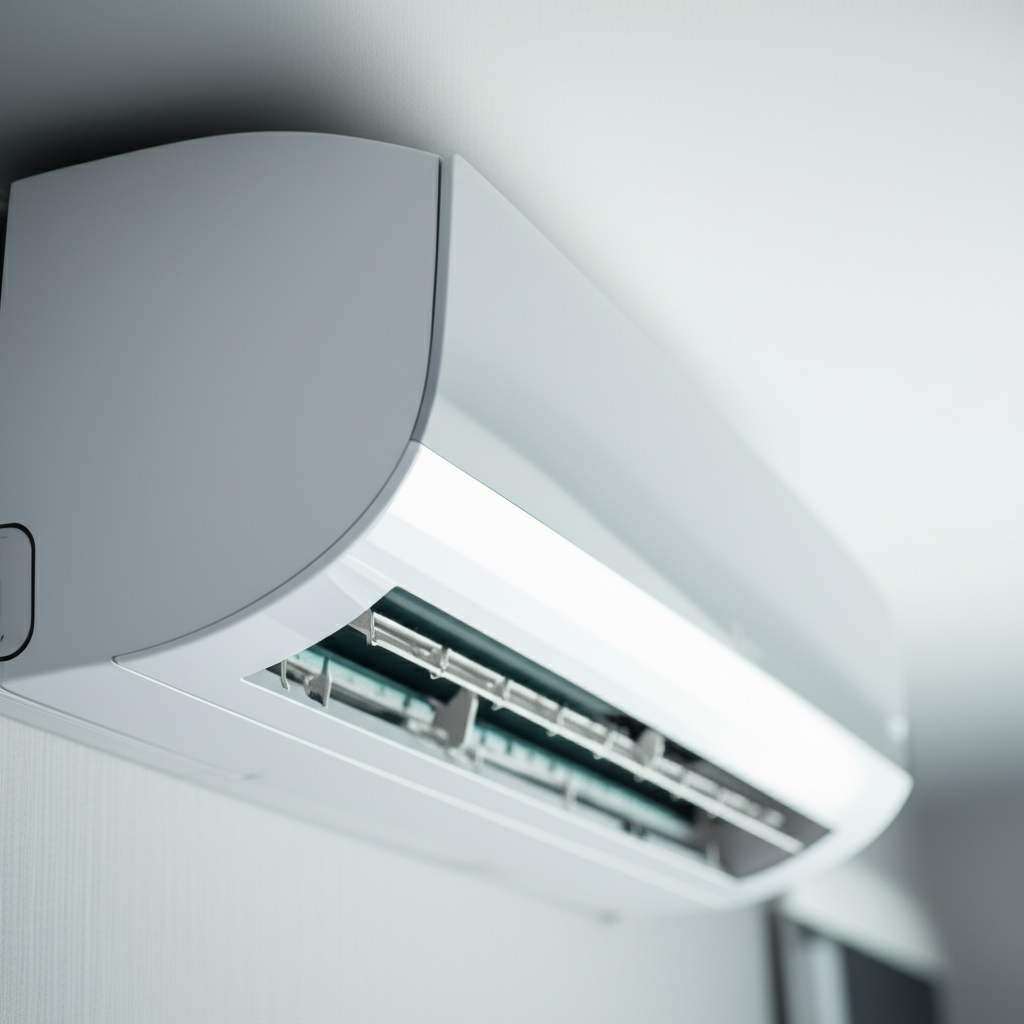
When things get dirty, your AC has to work much harder to cool your room. This uses way more electricity. A dirty unit also blows less cool air. It might even smell a bit musty when you turn it on.
Cleaning the indoor unit, especially the filters, is the number one way to keep your AC running efficiently. It is simple maintenance that saves you money and keeps your family healthy.
Tools You Need: Keep It Simple
You do not need fancy tools for this job. Gather these few simple things before you start. Think of this as a quick cleaning kit.
- Screwdriver (sometimes needed to open the front panel)
- Mild dish soap or a gentle cleaner
- Soft brush or a clean cloth
- Vacuum cleaner with a brush attachment
- Lukewarm water
- A dry towel or space to air dry
Step-by-Step Guide: Cleaning Your Indoor AC Unit
Safety first! Always turn off the power before touching any internal parts. This prevents electric shocks. We will focus mainly on the air filters, as these are the parts you clean most often.
Step 1: Safety First – Turn Off the Power
Find the breaker box for your home. Locate the switch labeled for your air conditioner or furnace. Flip that switch to the “Off” position. This stops all power to the unit. Double-check that the unit will not accidentally turn on while you work.
Step 2: Accessing the Filters
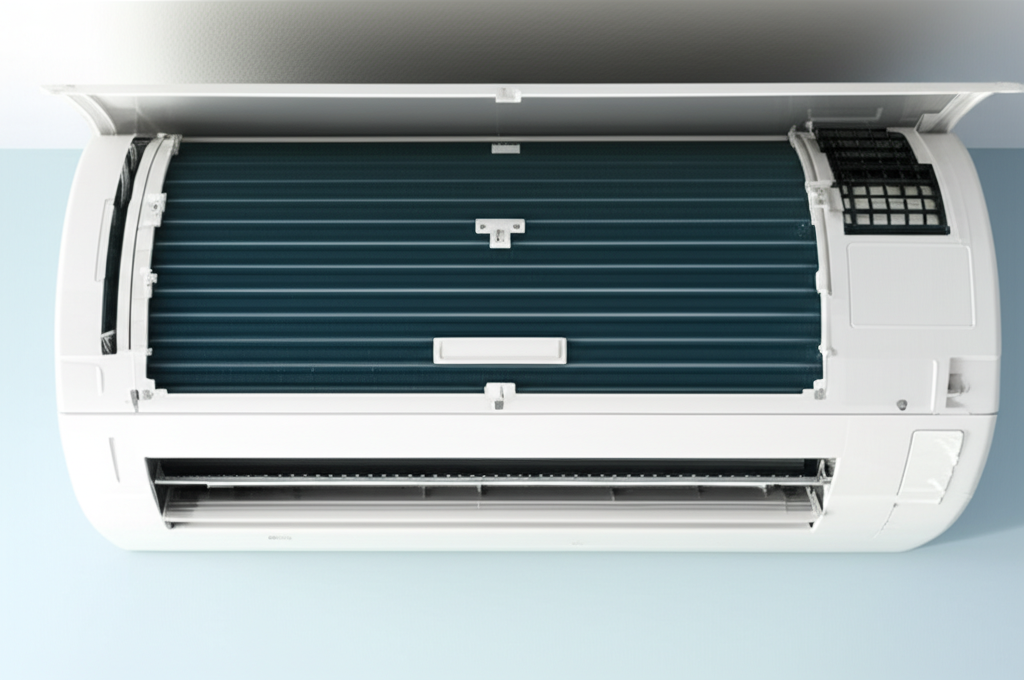
The filters are usually located behind the front panel of the indoor unit (often hanging on a wall or sitting in a closet). Gently open the front cover. Some units have small clips, others might have a couple of screws. Be gentle so you do not break the plastic casing.
Step 3: Removing the Dirty Filters
Once the panel is open, you will see the filters. They often look like long, thin cardboard frames with mesh inside. Carefully slide or lift them out. Notice which way the airflow arrow points on the filter frame. You need to put them back the same way.
Step 4: Cleaning the Filters (The Easy Way)
For basic cleaning, use your vacuum cleaner with the brush attachment. Gently vacuum the dust off both sides of the filter. This removes most of the loose dirt.
If the filters are very dirty or look greasy, you should wash them:
- Fill a sink or tub with lukewarm water.
- Add a few drops of mild dish soap.
- Gently swish the filter around in the soapy water. Do not scrub too hard.
- Rinse the filter thoroughly under clean, running water until all the soap is gone.
Step 5: Drying is Crucial
This is a step many beginners rush, and it causes problems! Never put a wet filter back into the AC unit. Moisture encourages mold and mildew growth.
Lay the clean filters flat on a clean towel or hang them up in a safe, dry area. Let them air dry completely for several hours. They must be bone dry before the next step.
Step 6: Reinstalling and Closing Up
Once the filters are dry, slide them back into their slots. Make sure the airflow arrow points in the correct direction—usually pointing toward the coils or the blower fan inside the unit.
Close the front panel securely. Go back to your breaker box and flip the AC power switch back to the “On” position.
Step 7: Checking Your Work
Turn your thermostat down a few degrees. Listen and feel if the unit is blowing strong, cool air. If it is running quietly and cooling well, you did a great job!
When to Clean Deeper: The Evaporator Coils
Filters catch the big stuff, but the evaporator coils get coated with fine dust. Dirty coils stop your AC from absorbing heat well. You usually need a professional for a deep coil cleaning, but you can check them yourself.
If you feel comfortable opening the unit further (after turning off power!), you might see the coils behind the filters. If they look dusty, you can use a specialized no-rinse coil cleaner spray or gently brush them with a soft, long brush. Always follow the cleaner instructions exactly.
For reference on how often to maintain your unit, check out the great energy-saving tips from the Department of Energy: Energy.gov AC Tips.
AC Maintenance Schedule for Beginners
Keeping things clean is about consistency. Here is a simple routine to follow:
| Task | Frequency | Why It Matters |
|---|---|---|
| Check/Clean Air Filters | Every 30–90 Days (More if pets/allergies) | Maintains airflow and efficiency. |
| Check Thermostat Settings | Seasonally | Ensures you are cooling efficiently. |
| Inspect Unit Exterior | Monthly | Look for debris blocking vents or airflow. |
| Professional Deep Clean | Once Per Year (Before Summer) | Cleans coils, checks refrigerant levels. |
Troubleshooting Common Post-Cleaning Issues
Sometimes, after cleaning, things feel a little off. Don’t panic! Here are quick fixes for common beginner hiccups.
| Symptom After Cleaning | Likely Cause | Quick Fix |
|---|---|---|
| AC Won’t Turn On | Power switch was left off, or panel not closed tightly. | Check the breaker box and ensure all panels are clicked shut. |
| Airflow Seems Weak | Filter is still damp or installed backward. | Remove filter, ensure it is bone dry, and check the airflow arrow direction. |
| Unit is Making Noise | A screw or clip on the panel was not tightened. | Turn power off and gently re-secure the access panel. |
If you notice water leaking, that usually means the drain line is clogged, which requires a different cleaning process (often involving a wet/dry vac on the outdoor pipe). If you are unsure, call a local HVAC tech.
Mistakes to Absolutely Avoid When Cleaning
We all learn by doing, but here are a few things to skip so you keep your AC happy:
- Never run the AC with dirty or missing filters.
- Do not use harsh chemical cleaners like bleach on the filters or coils.
- Do not spray water directly into the vents or electrical components.
- Avoid using cardboard or fiberglass filters if your system calls for pleated ones—they restrict airflow too much.
- Do not skip drying the filters completely.
Understanding Your AC Capacity (A Quick Lesson)
When buying a new AC or just understanding your current one, capacity matters. Capacity is measured in BTUs (British Thermal Units). Bigger rooms need more BTUs to cool down fast and stay cool.
If your unit is too small (low BTUs), it runs constantly and wastes energy. If it’s too big, it cools too fast but doesn’t remove humidity, leaving the air clammy. Here is a rough guide:
| Room Size (Square Feet) | Recommended Capacity (BTUs) |
|---|---|
| 150 to 250 sq ft | 5,000 to 6,000 BTU |
| 250 to 350 sq ft | 7,000 to 8,000 BTU |
| 350 to 450 sq ft | 9,000 to 10,000 BTU |
| 450 to 550 sq ft | 12,000 BTU |
For detailed information on sizing, the experts at ASHRAE (American Society of Heating, Refrigerating and Air-Conditioning Engineers) offer excellent technical standards, but for your home, this chart is a great starting point!
Taking care of your indoor AC unit does not have to be a mystery. By cleaning those simple filters regularly, you are doing 80% of the necessary maintenance yourself. You will notice better airflow, lower bills, and fresher air right away.
Keep up this simple cleaning habit every few months. Your AC will thank you by running smoothly all season long. Stay cool, and feel good about taking control of your home comfort!
Frequently Asked Questions (FAQ)
Q: How often should I really clean my filters?
A: If you use your AC a lot, check them monthly. If you only use it on weekends, every two months is usually fine. If you have pets, check them more often!
Q: Can I use a hairdryer to dry my filters faster?
A: I would avoid that. High heat can sometimes warp the filter frame or damage the fine mesh. Air drying is always the safest bet.
Q: What if my filters are made of metal or permanent material?
A: Those are great! You still wash them the same way with mild soap and water, but they never need replacing. Just ensure they are totally dry before putting them back.
Q: Should I clean the outside unit too?
A: Yes, absolutely! The outside unit needs clear space around it. Make sure bushes and grass are trimmed back at least two feet so it can breathe easily.
Q: My AC is blowing air, but it feels humid, not cold. What gives?
A: That often means the system is struggling to remove moisture, usually because the coils are dirty or the refrigerant is low. A filter cleaning helps, but if the humidity stays high, call a pro for a deeper check.
Q: Is it okay to use vinegar instead of soap to clean the filters?
A: A very weak vinegar solution can work to kill mold spores, but plain mild dish soap is usually enough for general dust and is gentler on the materials.
