
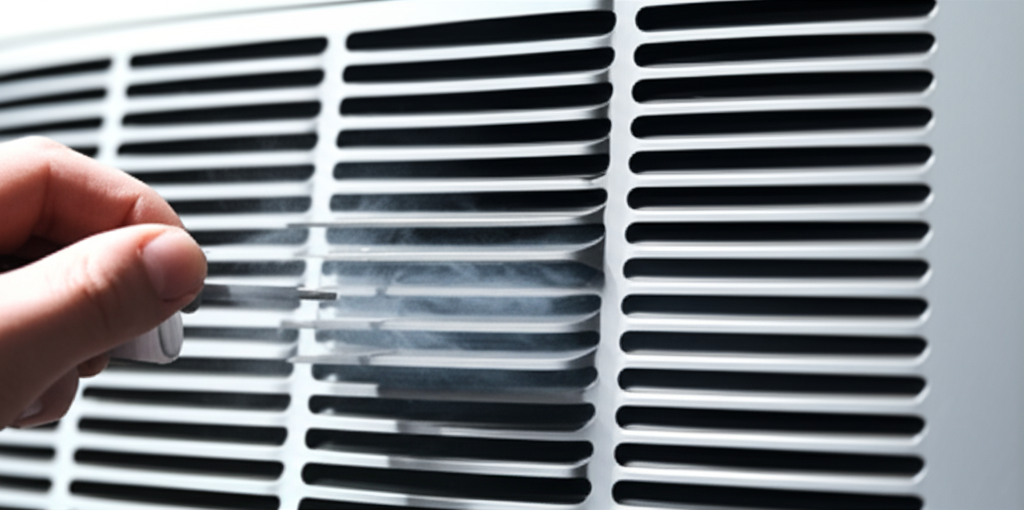
Grinding noises from your AC usually mean loose parts, worn-out bearings, or debris hitting the fan. The fix is often simple: turn off the power, check the fan blade, and tighten or lubricate the motor. Don’t sweat it; we’ll get your unit running quietly again!
Is your air conditioner making a scary grinding sound? That noise can really ruin a peaceful afternoon. You might worry that a huge repair bill is coming your way. Don’t panic just yet. Most loud noises are simple fixes that you can handle right now. I’m Jack from ACReviewHub.com, and I help folks like you keep their cooling systems running smoothly.
We will walk through this step-by-step. You will learn exactly what causes that grinding noise. More importantly, you will learn safe, easy ways to fix it. By the end of this guide, you will feel confident taking care of your AC unit.
Why Is My AC Unit Suddenly Grinding? The Top Culprits
That awful grinding sound is your AC unit telling you something needs attention. It is usually not the big, scary stuff right away. Think of it like a squeaky door hinge—it needs oil or tightening.
The noise usually comes from one of two main areas: the outdoor unit (condenser) or the indoor unit (air handler/furnace).
Here are the most common reasons for that terrible grinding:
- Debris in the Fan: Small sticks, leaves, or even small rocks can get sucked into the outdoor unit. When the fan blade hits them, it grinds.
- Worn-Out Motor Bearings: The fan motor has bearings that help it spin smoothly. When these wear out, they start to squeal or grind loudly.
- Loose Fan Blades: If the fan blades are not tightly fastened to the motor shaft, they can wobble and grind against the housing or other parts.
- Compressor Issues (More Serious): If the grinding is deep inside the large outdoor unit and accompanied by poor cooling, it might be the compressor struggling.
Safety First: Turning Off Your AC Power
Before you touch anything, safety is the number one rule. We need to make sure the power is completely off. You do not want the fan or motor to suddenly start while your hand is nearby.
Follow these steps to safely shut down your system:
- Thermostat Off: Set your indoor thermostat to the “Off” position. This stops the signal for the AC to run.
- Breaker Switch: Go to your home’s main electrical panel (breaker box). Find the breaker labeled for your AC unit or furnace/air handler. Flip that switch to the “Off” position. This cuts all power.
- Verify Power Loss: Go outside to the unit and try turning the AC on briefly. If nothing happens, you are safe to proceed.
Step-by-Step Fix: Inspecting the Outdoor Unit (Condenser)
The outdoor unit is where most fan-related grinding happens. You will need a screwdriver and maybe a flashlight for this check.
Step 1: Remove the Access Panel or Grate
Carefully unscrew the top grille or the side panel that covers the fan blades. Keep the screws safe in a small cup so you do not lose them. Set the cover aside.
Step 2: Check for Debris and Obstructions
Shine your flashlight down toward the fan blades. Look closely for anything stuck near or under the blades. This is often tiny twigs or pieces of plastic.
If you find debris, gently remove it by hand or use long tweezers. Be very careful not to bend the delicate aluminum fins surrounding the unit.
Step 3: Test the Fan Blade Tightness
Gently try to wiggle the fan blade. It should feel secure on the motor shaft. If it moves loosely or seems off-center, the set screw holding it in place might be loose.
If you find a loose set screw, tighten it carefully with the correct screwdriver. Do not overtighten, or you might damage the motor shaft.
Step 4: Check the Motor Bearings (The Squeaky Grind)
If everything looks clean and tight, the noise might be the motor itself. With the power still off, carefully spin the fan blade by hand.
Does it spin freely? Or does it feel stiff, gritty, or noisy when you turn it?
If it feels rough, the bearings are likely worn out. This usually requires replacing the fan motor, which is often a job best left to a professional HVAC technician. But knowing the cause saves you time!
Fixing Indoor Grinding Noises (Air Handler/Furnace)
If the grinding comes from inside your house, usually near the furnace or air handler closet, the problem is often related to the blower motor.
Blower Motor Inspection Basics
The blower wheel moves air throughout your ducts. It can also collect dirt or have bearing issues.
Accessing this part is harder because it involves more electrical components. If you see loose debris around the blower wheel, carefully clean it out. If the noise persists after cleaning, the blower motor bearings need attention.
For indoor motor repairs, I strongly suggest calling a pro. Messing with the blower motor can affect your entire home’s heating and cooling balance.
When to Call an AC Expert: Compressor Sounds
Sometimes, the grinding noise is deep, heavy, and comes directly from the large compressor unit inside the outdoor box. This is the unit that makes the refrigerant cold.
If you hear a deep, metallic grinding or knocking, especially when the AC starts up, stop using the unit immediately and call for service. Compressor failure is expensive, and running it while it’s damaged can cause total system breakdown.
Here is a quick way to decide your next step:
| Symptom/Noise Location | Likely Cause | Recommended Action |
|---|---|---|
| Light clicking/grinding near the top fan. | Small debris hitting the fan blade. | Clean debris (after turning off power). |
| Consistent high-pitched grinding from the motor housing. | Worn fan motor bearings. | Schedule professional motor replacement. |
| Deep, heavy, metallic clunking/grinding from the base unit. | Compressor internal failure. | Turn AC off immediately and call a technician. |
Simple Maintenance to Prevent Future Grinding
The best way to avoid grinding noises is consistent, simple maintenance. This keeps things clean and lubricated.
Here is your easy annual check-up list:
- Change Filters Regularly: This keeps the indoor blower wheel cleaner, reducing the chance of dirt buildup inside the air handler.
- Clear Outdoor Space: Make sure there are at least two feet of clear space around your condenser unit. Trim back bushes and tall grass.
- Annual Professional Tune-Up: Have a technician inspect the motor mounts and lubricate moving parts every spring before heavy use begins.
- Listen Closely: Pay attention to new sounds. A small squeak today can be a big grind next month.
For more detailed tips on keeping your outdoor unit clean and running efficiently, check out the great advice from Energy.gov on saving energy with your AC system. Energy.gov AC Maintenance Tips.
Frequently Asked Questions About AC Noises
Q1: How long does it take to fix a grinding noise?
If it is just debris, five minutes! If it requires replacing a motor, it usually takes a technician about one to two hours.
Q2: Can I just spray WD-40 on the noisy motor?
No, please don’t! Most modern fan motors are “sealed” and do not need oiling. Using the wrong lubricant can attract dirt and ruin the motor faster.
Q3: Is a grinding noise dangerous?
A light grinding from debris is not dangerous, just annoying. A heavy, deep grinding from the compressor is a serious sign that could lead to major damage if you ignore it.
Q4: Should I clean the outdoor unit fins myself?
Yes, gently! Make sure the power is off. You can use a soft brush or a gentle stream of water from a hose (spraying downwards) to clear dirt between the fins.
Q5: My fan seems okay, but the noise is still there. What now?
If the fan blade is fine, the next place to check is the capacitor or the motor itself. These are electrical components, so it is time to call your trusted HVAC professional.
See more great buying and maintenance advice from Consumer Reports here: Consumer Reports HVAC Advice.
Keeping Cool Without the Noise
See? Dealing with an AC grinding noise is usually manageable when you know where to look first. By taking a moment to cut the power and check for simple issues like loose parts or debris, you often solve the problem instantly.
Remember, regular, simple checks save you big repair costs down the road. Keep listening to your system, stay consistent with cleaning, and you will enjoy quiet, cool comfort all season long.
You’ve got this! Happy cooling!
