
When your AC trips the breaker, it usually means too much electricity is flowing. The fix is often a simple check of your filters, the thermostat setting, or sometimes, a quick call to an HVAC pro for bigger electrical issues. Don’t sweat it!
Hey there! I’m Jack from ACReviewHub.com. Dealing with a home that won’t cool down is frustrating. You hear that ‘pop,’ and suddenly, your house gets warm fast. It is easy to worry when the electricity acts up near your air conditioner. That tripping breaker is the safety switch doing its job.
But you do not need to be an electrician to figure out what is going on. We are going to walk through this step-by-step. By the end of this guide, you will know exactly why that breaker is flipping. We will cover the easy fixes you can do today. Let’s get your cool air back without calling for expensive repairs right away.
Why Does My AC Breaker Keep Tripping? The Simple Answer
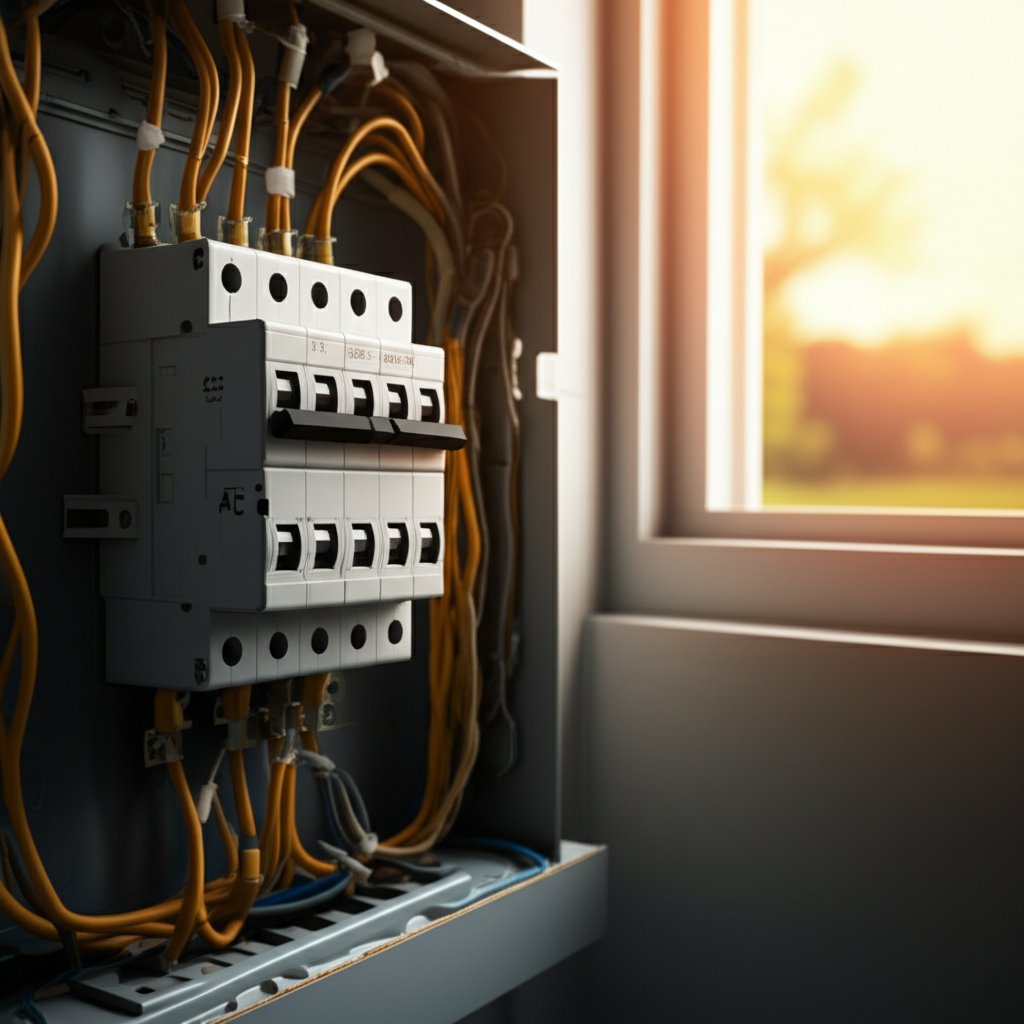
Your home’s electrical panel has circuit breakers. Think of them as tiny safety guards. They watch the electricity flow to different parts of your house. If too much power tries to go through one wire, the breaker “trips” to stop a fire. Your AC unit uses a lot of power, especially when it starts up.
When the breaker trips, it means your AC is pulling too much amperage (electrical flow) for that specific circuit. This is usually a sign of a problem, not just a random glitch. We need to find the “over-drinker” of electricity.
Step 1: The Quick Check – Is It Just Overheating?
The most common reason for a trip is temporary overload. This happens when the AC works too hard on a very hot day. Before you panic, try this simple reset.
How to Safely Reset a Tripped Breaker
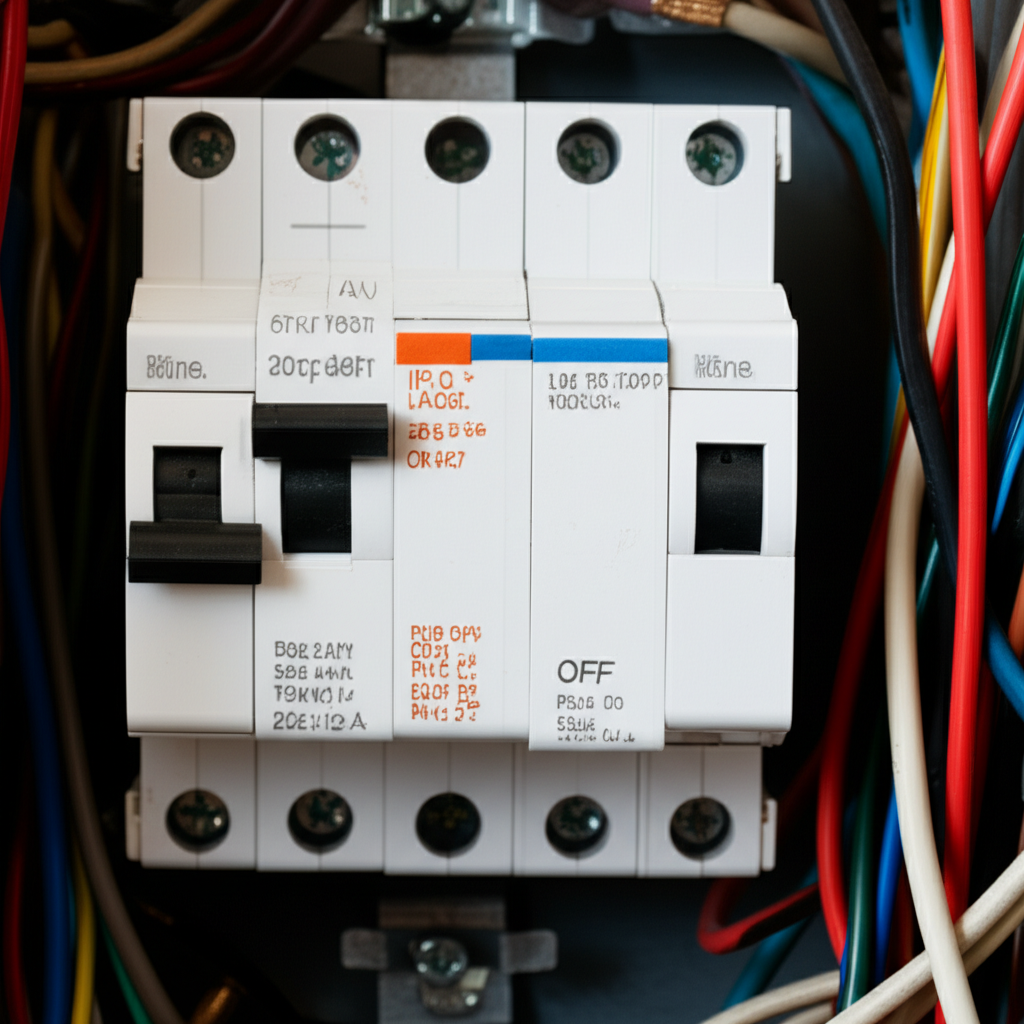
Safety first! Always turn the AC thermostat to the ‘Off’ position before touching the breaker box. This stops power from instantly rushing back to the unit.
- Locate your main electrical panel. It is usually in a garage, basement, or utility closet.
- Find the breaker labeled for your AC unit (it might be a double switch).
- If it is in the middle or ‘tripped’ position, firmly push the switch all the way to the ‘Off’ position first.
- Now, push it firmly back to the ‘On’ position.
Wait about 15 minutes. Turn the thermostat back on. If it trips again immediately, you have a bigger issue. If it stays on, great! You might have just had a momentary power surge.
Step 2: Check the AC Components That Demand Power
If the breaker trips again quickly, the problem is likely inside the AC unit itself. Two main parts suck up the most power: the compressor and the fan motor.
Troubleshooting the Air Filter (The Easiest Fix)
A clogged air filter makes the whole system struggle. The AC has to run longer and harder to pull air through the blockage. This strains the motor and draws excess current.
If your filter looks dusty or gray, change it immediately. This is the cheapest and easiest maintenance task you can do.
Looking at the Outdoor Unit (Condenser)
Go look at the big unit outside. Is it covered in leaves, grass clippings, or dirt? The coils need clean air to release heat. If they are blocked, the compressor overheats and pulls too much electricity.
If it’s dirty, turn the power off to the outside unit (there’s usually a visible shut-off box near it). Use a soft brush or a garden hose (low pressure only!) to gently clean the fins from the inside out. Never use a hard spray.
Step 3: Identifying Electrical Causes of Tripping
If cleaning doesn’t fix it, the issue is electrical. These problems require more caution, but knowing the cause helps you talk to a professional.
The two main electrical culprits are short circuits and ground faults. We can check for one easily.
The Capacitor Issue
The capacitor is like a temporary battery that gives the fan and compressor the initial jolt of power they need to start running. If the capacitor is failing, the motor struggles to start, drawing massive power and tripping the breaker.
Important Note: Capacitors hold a dangerous electrical charge even when the power is off. Unless you are very comfortable with electrical testing using a multimeter, it is best to call a technician for capacitor checks or replacement.
Wiring Problems
Sometimes, wires inside the unit or leading from the breaker box get loose, frayed, or corroded. Loose connections cause resistance, which heats up the wire and makes the system draw extra power, tripping the breaker.
This usually requires an HVAC technician to safely inspect the wiring harness within the air handler and the outdoor unit.
When to Call a Professional HVAC Technician
As Jack, I love helping you save money, but some jobs are best left to licensed pros. If you see these signs, stop troubleshooting and call for service:
- The breaker trips immediately every single time you turn the AC on.
- You smell burning plastic or electrical odors near the unit or panel.
- The breaker feels hot to the touch after it trips.
- You have already changed the filter and cleaned the unit.
A technician will check the starting components, test the windings on the compressor, and ensure the voltage coming to the unit is correct.
Understanding AC Power Needs: BTU vs. Breaker Size
Bigger ACs need bigger electrical circuits. If you recently upgraded your AC unit or installed a new window unit, make sure your home’s wiring can handle it. Here is a quick chart to give you an idea of typical requirements:
| AC Size (BTUs) | Typical Running Amps (Approx.) | Minimum Breaker Size Required |
|---|---|---|
| 10,000 BTU (Small Room) | 8 – 10 Amps | 15 Amps |
| 18,000 BTU (Medium Room) | 12 – 15 Amps | 20 Amps |
| 36,000 BTU (Large Central Unit) | 25 – 35 Amps | 40 or 50 Amps (Double Pole) |
If your 3-ton central AC (which needs a 40 or 50 amp breaker) is connected to an old 30-amp breaker, it will trip constantly. Sometimes the fix is upgrading the breaker and wiring—a job for an electrician!
Simple Steps to Keep Your AC Healthy (and Breakers Happy)
Consistency is key to preventing future trips. Treat your AC like you treat your car—regular, small check-ups save big repair bills.
- Monthly: Check and change the air filter, especially during heavy use months.
- Seasonally: Clear debris (leaves, sticks) away from the outdoor unit base.
- Annually (Spring): Have a professional perform a full tune-up before summer starts.
- Always: Set the thermostat a few degrees higher when you leave the house to reduce strain.
For more detailed energy efficiency tips from the experts, check out the U.S. Department of Energy’s cooling advice.
Frequently Asked Questions About AC Breakers
Q1: Can I just use a bigger breaker if the AC keeps tripping?
Absolutely not! That is dangerous. The breaker size matches the safe limit of the wire leading to the AC. A bigger breaker lets too much electricity flow, which can melt the wires and cause a fire. Stick to the size recommended by the manufacturer or your electrician.
Q2: Does turning the AC way down cause the breaker to trip?
Yes, sometimes! If you set the thermostat from 85°F down to 65°F on a scorching day, the compressor will run non-stop and pull maximum power for a long time, leading to overheating and tripping.
Q3: How do I know if the problem is the AC or the house wiring?
If only the AC trips the breaker, the problem is likely the AC unit. If turning on the AC also causes the lights in another room to dim or trip their breaker, you might have an overloaded circuit shared between two major appliances.
Q4: What is a “double-pole” breaker?
Most big AC units use 240 volts instead of the standard 120 volts. This requires a double-pole breaker, which is two switches linked together, taking up two slots in your panel. This is normal for central AC.
Q5: Should I leave the breaker on or off if it keeps tripping?
Turn it off and leave it off until you or a professional can fix the cause. Running an AC that constantly trips the breaker is like driving a car with the check engine light blinking—you risk serious, expensive damage to the compressor.
Taking care of your air conditioner doesn’t have to be a mystery. Most of the time, a simple filter change or a safe breaker reset solves the problem. If you tackle the small maintenance tasks consistently, you keep the big problems away.
Stay cool, and remember, you’ve got this! Happy cooling from Jack at ACReviewHub.com.
