
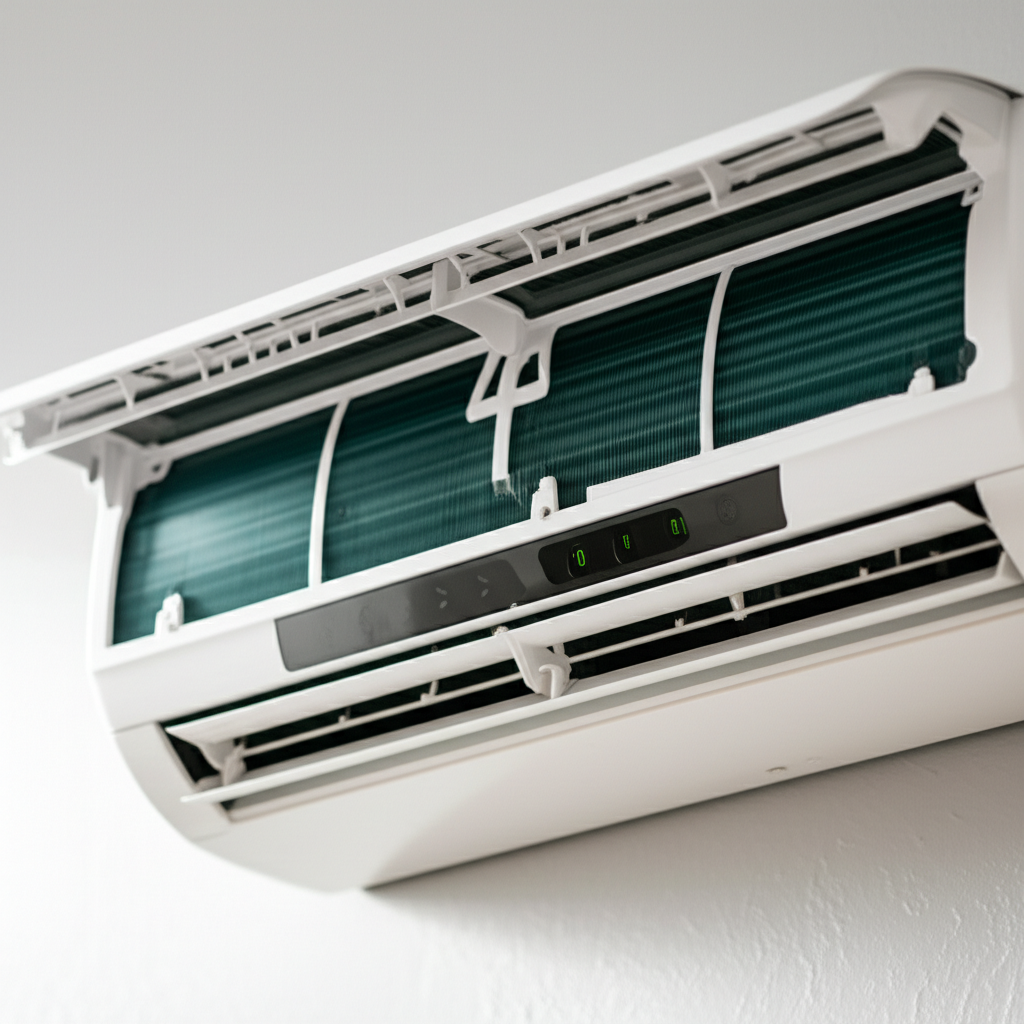
Is your AC blowing warm air or costing too much? Checking cooling capacity means making sure your unit matches your room size. We’ll show you simple checks to fix weak cooling fast!
Does your air conditioner just not seem to be cooling your home like it used to? It is frustrating when the temperature stays high, but your energy bill keeps climbing higher. Many folks get confused by AC jargon like BTUs and tonnage. Don’t worry about the big words today.
I’m Jack from ACReviewHub.com, and I make AC stuff easy. We are going to walk through exactly how to check if your AC is strong enough for your space. Then, we will cover quick fixes you can do right now to boost that cool air.
What is AC Cooling Capacity? (BTUs Explained Simply)
Cooling capacity is just a fancy way of saying how much heat an AC unit can remove from a room. Think of it like a bucket trying to scoop water out of a pool. A bigger bucket scoops more water faster.
AC power is measured in BTUs, which stands for British Thermal Units. A higher BTU number means the unit can cool a larger area more effectively. If your AC has too low a BTU for your room, it will run constantly and never feel truly cold.
This mismatch is the number one reason people think their AC is broken when it just needs the right size unit.
How to Check if Your AC Capacity is Right
You need to match the AC size to the room size. If you are buying a new unit or suspect your current one is weak, you need to measure up. This check is super important for saving energy.
Here is a simple guide to check if your current capacity is correct for the space it cools:
- Measure the square footage of the room you want to cool. Multiply the length by the width.
- Look at the sticker or manual for your current AC unit to find its BTU rating.
- Compare your room size to the chart below.
| Room Size (Square Feet) | Required Cooling Capacity (BTUs per Hour) |
|---|---|
| 150 to 250 sq ft | 5,000 – 6,000 BTUs |
| 250 to 350 sq ft | 7,000 – 8,000 BTUs |
| 350 to 450 sq ft | 9,000 – 10,000 BTUs |
| 450 to 550 sq ft | 12,000 BTUs |
| 700 to 1,000 sq ft | 18,000 BTUs |
If your room is 500 square feet but your AC is only 6,000 BTUs, you have a capacity problem! It will never keep up on a hot day.
Urgent Fixes for Weak Cooling (Before You Call a Pro)
Sometimes, weak cooling isn’t about the size of the unit. It is often a simple maintenance issue that you can fix yourself in minutes. These are my top urgent fixes when the air isn’t cold enough.
Step 1: Check and Clean Your Air Filter Immediately
A dirty filter is the biggest enemy of good airflow. It chokes your AC, making it work much harder to push air across the cold coils. This reduces cooling power fast.
Here is the quick clean-up plan:
- Turn off the power to the AC unit at the thermostat or breaker. Safety first!
- Locate the filter slot (usually behind the return vent or inside the indoor unit).
- Slide out the old filter.
- If it is a cheap, disposable filter, toss it and put in a new one.
- If it is a reusable filter, rinse it gently with warm water until all the dust washes away. Let it dry completely before putting it back in.
Step 2: Inspect the Outdoor Unit (Condenser)
The big unit outside needs clear space to dump the heat it pulls from your house. If it is covered in leaves or dirt, it cannot breathe, and your indoor cooling suffers.
Look for:
- Tall grass or weeds growing too close to the unit.
- Leaves, cottonwood fluff, or dirt piled up against the fins (the thin metal slats).
- Anything blocking the top fan from spinning freely.
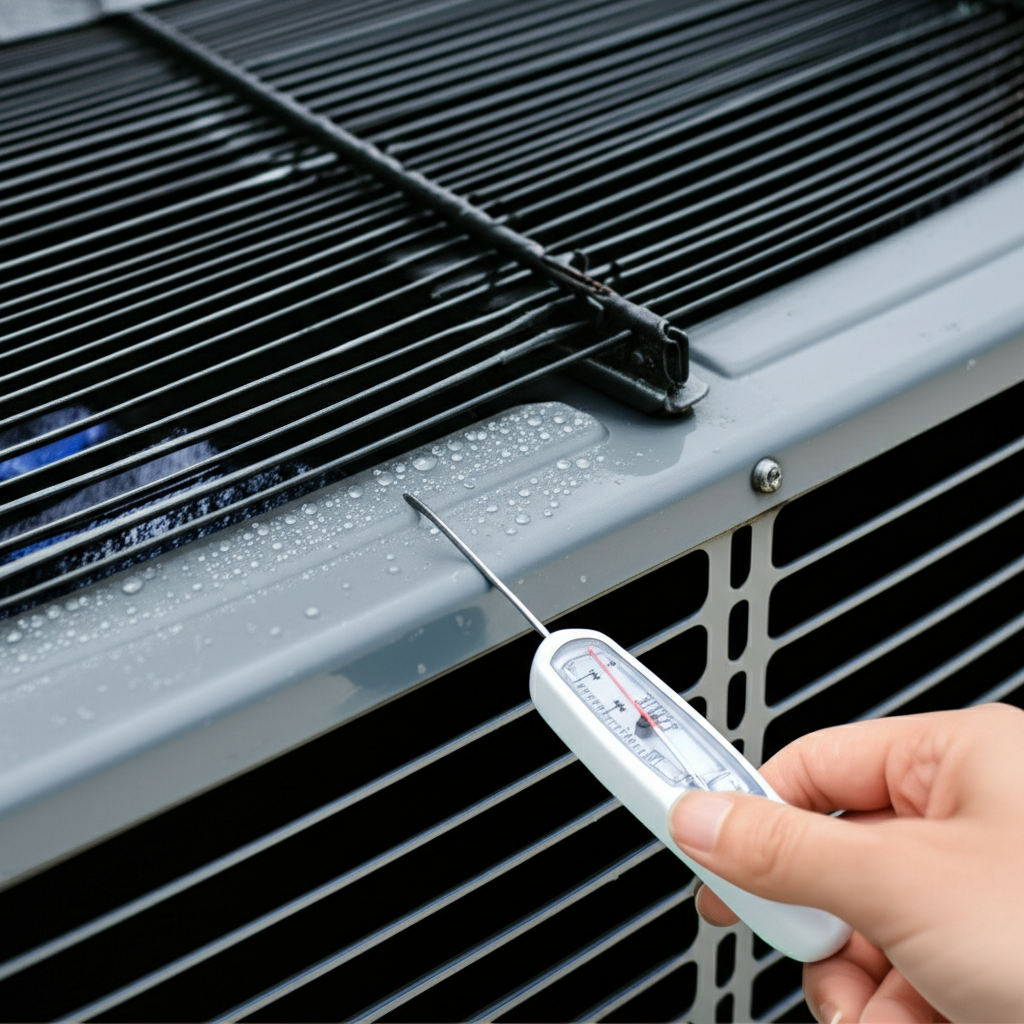
If you see debris, turn off the power at the breaker box. Gently use a soft brush or a garden hose (on a low spray setting) to clean the outside fins. Do not use a high-pressure washer, as this can bend the delicate fins.
Step 3: Look for Ice on the Indoor Unit
Seeing ice on your refrigerant lines or the indoor coil is a major red flag. Ice means the system is freezing up, which stops cooling completely.
This usually happens because of two things:
- Very low airflow (usually a dirty filter, see Step 1).
- Low refrigerant (this needs a professional).
If you see ice, turn the AC mode off at the thermostat. Switch it to the fan-only setting. Let the ice melt completely, which might take a few hours. Once melted, replace the filter and try cooling again. If it freezes up again quickly, you likely have a refrigerant leak that needs an HVAC technician.
When Capacity Issues Require Professional Help
If you have cleaned everything, confirmed your filter is new, and the air still feels weak, the problem might be deeper than a quick fix allows. These issues usually mean you need an expert to check the system’s core components.
| Symptom | Likely Cause (Needs Pro) |
|---|---|
| AC runs constantly but never reaches target temp | Undersized unit or major refrigerant leak. |
| Warm air coming from one vent only | Closed damper in the ductwork or a major duct leak. |
| System turns on and off too quickly (short cycling) | Thermostat malfunction or overcharged system. |
| Loud banging or hissing noises | Internal component failure (like the compressor). |
If you need to replace the entire unit because it is too small for your home, make sure you get a Manual J load calculation done. This calculation accurately determines the right BTU size for your specific home’s insulation, windows, and climate. You can learn more about energy efficiency standards from the Department of Energy here: Energy.gov.
Simple AC Buying Tip: Don’t Oversize!
It’s tempting to think bigger is always better, but buying an AC that is too large (too many BTUs) is a common mistake. An oversized unit cools the air too fast.
When an AC cools too fast, it shuts off before it runs long enough to remove humidity. You end up with air that feels cold but clammy and damp. This leads to higher energy bills and a less comfortable feeling overall. Always aim for the right size, not the biggest size.
Frequently Asked Questions for AC Beginners
Here are a few quick answers to common things I hear every day:
Q: How often should I change my AC filter?
A: Check it monthly. Change disposable ones every 1 to 3 months, depending on how much you use the AC and if you have pets.
Q: What temperature should I set my thermostat to?
A: For best efficiency, try setting it to 78°F (25.5°C) when you are home during the day. Every degree you raise it saves you energy!
Q: Is it okay if my AC runs all day long in the summer?
A: If it’s 95°F outside, running constantly might be normal if the unit is correctly sized. If it’s 85°F outside and it runs constantly, you have a problem.
Q: What is that dusty smell when I first turn the AC on?
A: That is usually just dust burning off the coils. If the smell stays strong, you might need a professional deep clean of the indoor unit.
Q: Can I just leave the fan on “ON” instead of “AUTO”?
A: Leaving the fan on “ON” keeps air moving all the time, even when cooling is off. This uses more electricity and can pull humid air back into the house, making it feel sticky.
Q: Does cleaning the outside unit really help my cooling power?
A: Absolutely! It lets the unit properly release heat, which directly impacts how cold the air coming inside can get.
Keep Your Cool with Simple Steps
Checking your AC’s cooling capacity doesn’t require a fancy degree; it just takes a little bit of looking around and routine care. Most weak cooling issues come down to a clogged filter or a dirty outdoor unit.
Remember to keep up with those easy maintenance tasks we talked about. A few minutes of cleaning each month saves you hours of discomfort and lots of money on repair calls. Stay vigilant, stay cool, and trust your gut if something feels off!
