
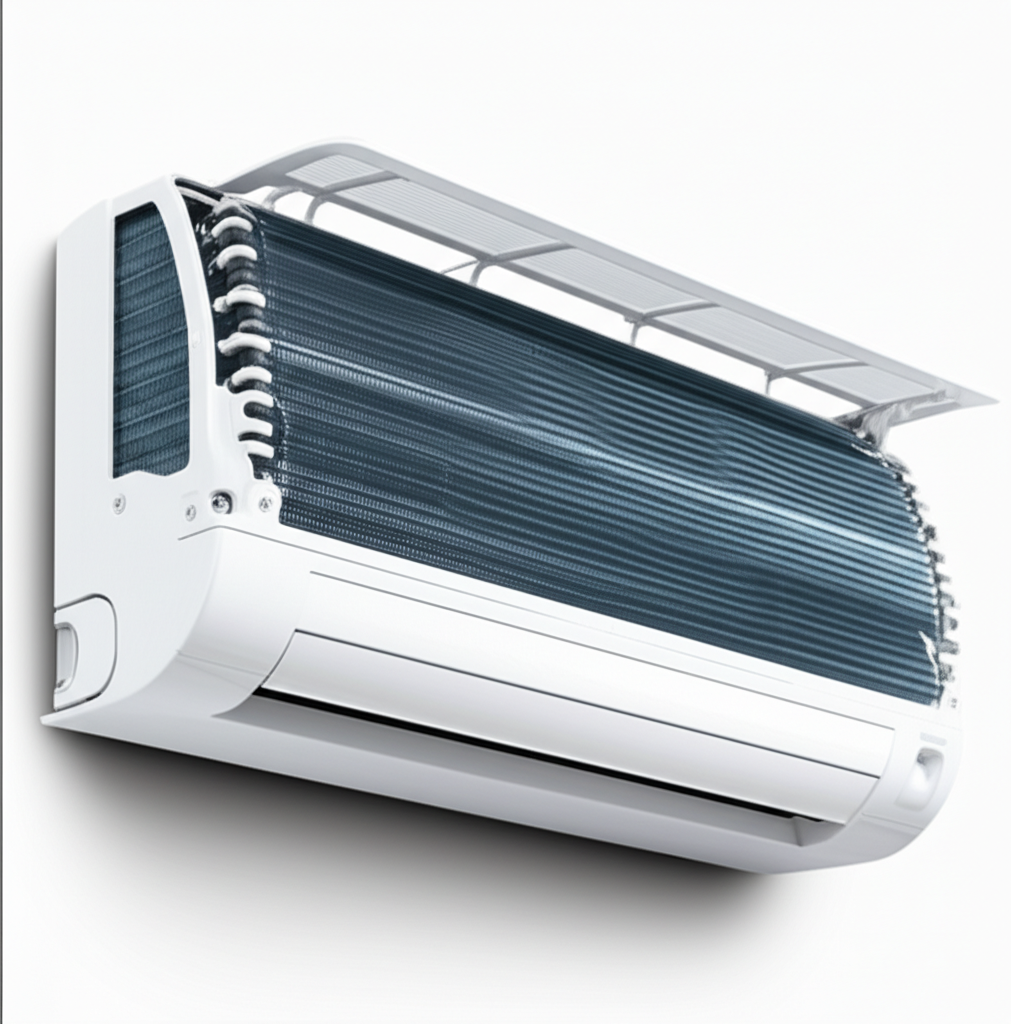
Quick Summary: Cleaning your indoor AC coil (the evaporator coil) is easy! Use a soft brush and a no-rinse coil cleaner spray once a year to clear dust, boost airflow, cut energy bills, and keep your home perfectly cool.
How To Clean Indoor AC Coil: Shocking Secrets Revealed (The Easy Way!)
Is your air conditioner blowing warm air? Are your energy bills creeping up every summer? It happens to everyone. Sometimes, the reason is hidden right inside your unit. Don’t worry about complex technical stuff. I’m Jack from ACReviewHub.com, and I make AC maintenance simple.
Today, we are diving into the indoor AC coil. This part is super important for cooling your home. Cleaning it is easier than you think. We will walk through every step so you can do this job safely and save money right away. Let’s get your AC running like new!
What is This “Indoor AC Coil” Anyway? (The Evaporator)
When you look inside your indoor AC unit (usually in the furnace or air handler), you see metal fins. That is the evaporator coil. Think of it like a cold sponge.
The refrigerant inside the coil gets very cold. As warm air from your house blows across it, the coil sucks the heat out of the air. This chilled air then blows back into your rooms.
The shocking secret? Dust, dirt, pet hair, and even mold love to stick to these cold fins. When dirt builds up, it acts like a blanket, stopping the coil from absorbing heat effectively. This makes your AC work much harder.
Why Cleaning the Indoor Coil is a Must-Do Job
Ignoring this coil costs you money and comfort. Here are the big reasons to clean it regularly. It is not just about keeping things tidy; it is about performance.
- Better Cooling: Clean coils transfer heat fast. Your home gets colder quicker.
- Lower Bills: When the AC doesn’t struggle, it uses less electricity. That saves you cash!
- Longer Life: Less strain on the system means your expensive unit lasts longer.
- Healthier Air: Dirt and moisture can lead to mold growth inside the coil. Cleaning helps prevent this.
Gathering Your Simple Cleaning Toolkit
You do not need fancy tools for this job. Most items you already have around the house or can grab at a local hardware store. Safety first, always!
Here is what you need to get ready:
- Safety Gear: Gloves and safety glasses are a must.
- Power Off: You must turn off the power at the thermostat AND the breaker box.
- Soft Brush: A clean, soft paintbrush or a dedicated coil brush works best. Avoid metal or stiff bristles.
- Vacuum Cleaner: One with a soft brush attachment is perfect for gentle sucking.
- Coil Cleaner: Get a “No-Rinse Evaporator Coil Cleaner.” These foam up and clean themselves away.
- Water Source: A spray bottle with clean water (only needed if your cleaner requires a light rinse).
Step-by-Step Guide: Safely Cleaning Your Indoor Coil
Follow these simple steps in order. Taking your time here ensures you do the job right without breaking anything.
Step 1: Power Down Completely (Safety Check!)
This is the most important step. Go to your main electrical panel (breaker box) and flip the switch labeled for your furnace or air handler. Double-check the thermostat is set to OFF. You are working with electricity and water, so safety is non-negotiable.
Step 2: Access the Coil
You need to open the access panel to your air handler or furnace. This is often found where the return air duct connects. Carefully remove the screws holding the panel. Set the panel and screws somewhere safe where they won’t get lost.
Step 3: Visual Inspection
Take a good look at the coil. You will probably see gray dust or maybe some dark spots. This confirms why you are doing this maintenance. Remember, the fins bend easily, so be gentle.
Step 4: Gentle Dry Dust Removal
Use your vacuum with the soft brush attachment. Gently vacuum across the fins to remove loose surface dirt. If you have a soft paintbrush, gently brush the dust toward the open end of the coil so the vacuum can catch it.
Jack’s Tip: Never push hard! The metal fins are delicate, like thin aluminum foil. Bent fins block airflow, which defeats the purpose of cleaning.
Step 5: Apply the Coil Cleaner
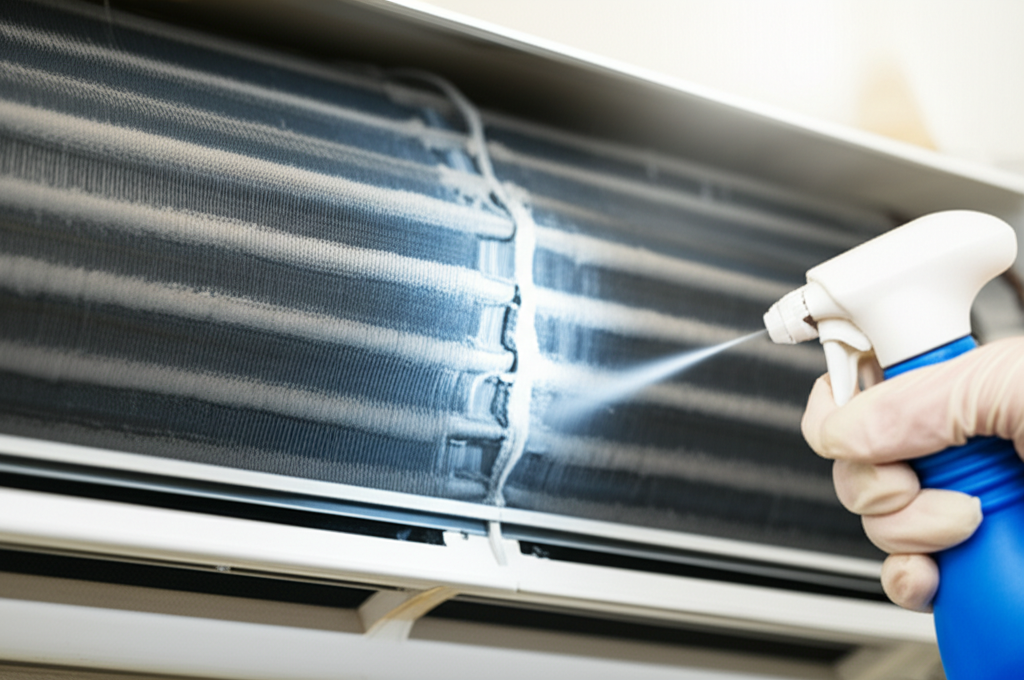
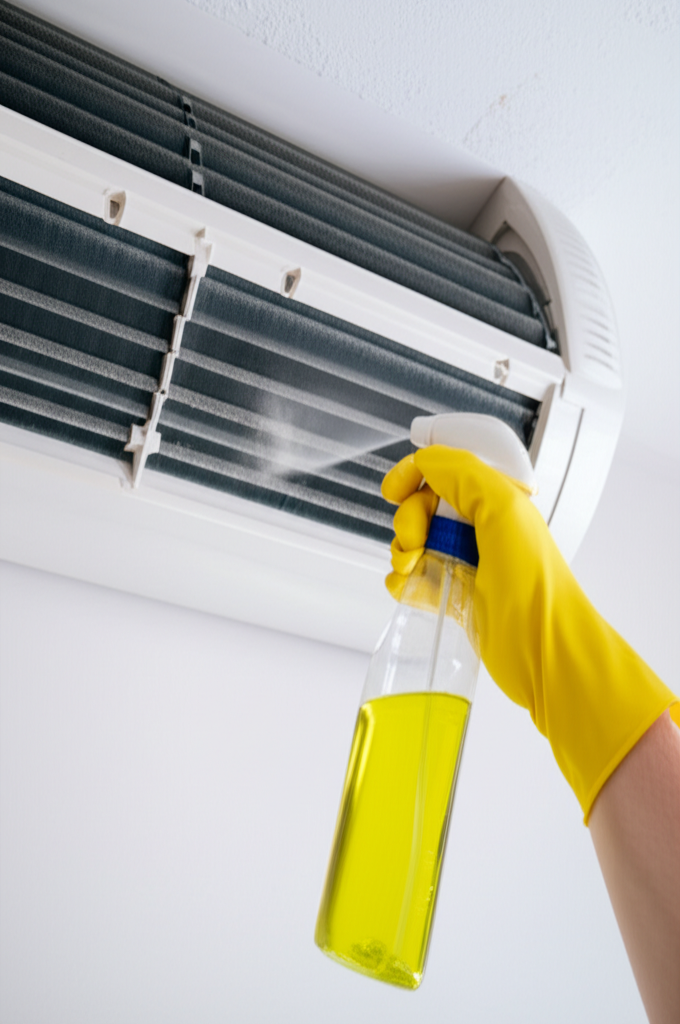
Read the instructions on your no-rinse cleaner. Most cleaners come in a spray can. Spray the cleaner evenly over the entire surface of the coil. The cleaner will start to foam up. This foam is dissolving the sticky grime and oils that vacuuming can’t reach.
The “no-rinse” feature means that as the cleaner breaks down dirt, it drips down into the drain pan below, where it gets flushed out with the normal condensation.
Step 6: Let It Dwell and Drain
Allow the cleaner to sit for the time recommended on the can, usually 10 to 15 minutes. You might see some dirty water dripping into the drain pan underneath the coil. This is good; it means the cleaner is working!
Step 7: Reassemble and Restore Power
Once you are sure the cleaner has done its job and dripped away, carefully put the access panel back on. Screw it in securely. Go back to the breaker box and flip the power back on. Set your thermostat to COOL.
The Shocking Difference: Before and After Cleaning
When the coil is clean, your AC can breathe easily again. You should notice a difference almost immediately. Here is a quick look at what clean coils help achieve:
| Condition | Airflow Impact | Energy Use |
|---|---|---|
| Dirty Coil | Restricted, weak air movement | High (AC runs longer) |
| Clean Coil | Maximum, strong air movement | Low (AC cycles efficiently) |
When Should You Clean Your Indoor Coil?
This is not a weekly chore. Because the evaporator coil is inside the system, it stays cleaner than the outside unit (the condenser). However, it still needs love.
Here is a simple maintenance schedule for beginners:
- Best Practice: Once every 12 months, ideally before the heavy cooling season starts (late spring).
- High-Use Homes: If you have multiple pets or live in a very dusty area, consider checking it every six months.
- Filter Check: Always make sure your furnace air filter is changed regularly (monthly is best). A clean filter is the first line of defense for your coil!
For more in-depth technical information on HVAC maintenance standards, check out resources from Energy.gov.
Common Mistakes Beginners Make When Cleaning Coils
I want you to succeed without any hassle. Avoid these common traps that can damage your system or waste your time.
- Forgetting the Breaker: Never start cleaning before turning off the main power source. Electricity is dangerous!
- Using High Pressure: Do not use a garden hose or pressure washer on the indoor coil. Water will soak your insulation and damage electrical components.
- Bending Fins: Brushing too hard will ruin the fins. Remember, they are delicate.
- Using Harsh Chemicals: Only use cleaners specifically labeled for “Evaporator Coils.” Household cleaners can damage the metal or leave toxic residue.
Frequently Asked Questions (FAQ) About AC Coils
Got a quick question buzzing in your head? Here are some simple answers.
- Q: Can I just spray the coil with water?
- A: You can, but water alone won’t remove oily grime. A special coil cleaner is much more effective at breaking down sticky dirt.
- Q: How do I know if my coil is dirty without opening the unit?
- A: If your AC is running constantly but the air coming out isn’t very cold, or if your energy bill spiked, the coil is a likely suspect.
- Q: Do I need to clean the outside unit (condenser) too?
- A: Yes! The outside unit needs cleaning too, usually with a garden hose, but the process and purpose are different from the indoor coil.
- Q: How long should this cleaning take?
- A: If you are careful, about 30 minutes total, including setup and power-up time.
- Q: What if the coil looks really black and moldy?
- A: If you see thick, black, fuzzy mold, it’s time to call a professional HVAC technician. That might mean the drain pan is clogged or you have a bigger moisture problem.
Final Cool Down: Consistency Keeps You Comfortable
See? Cleaning your indoor AC coil is not a scary, expert-only job. It is a simple maintenance task you can handle once a year. By keeping that evaporator coil clean, you are ensuring your AC works efficiently, saves you money, and keeps your family cool all summer long.
Remember to check that air filter every month—that little step protects your big coil! Stay cool, and keep up the great work on your home comfort system.
