
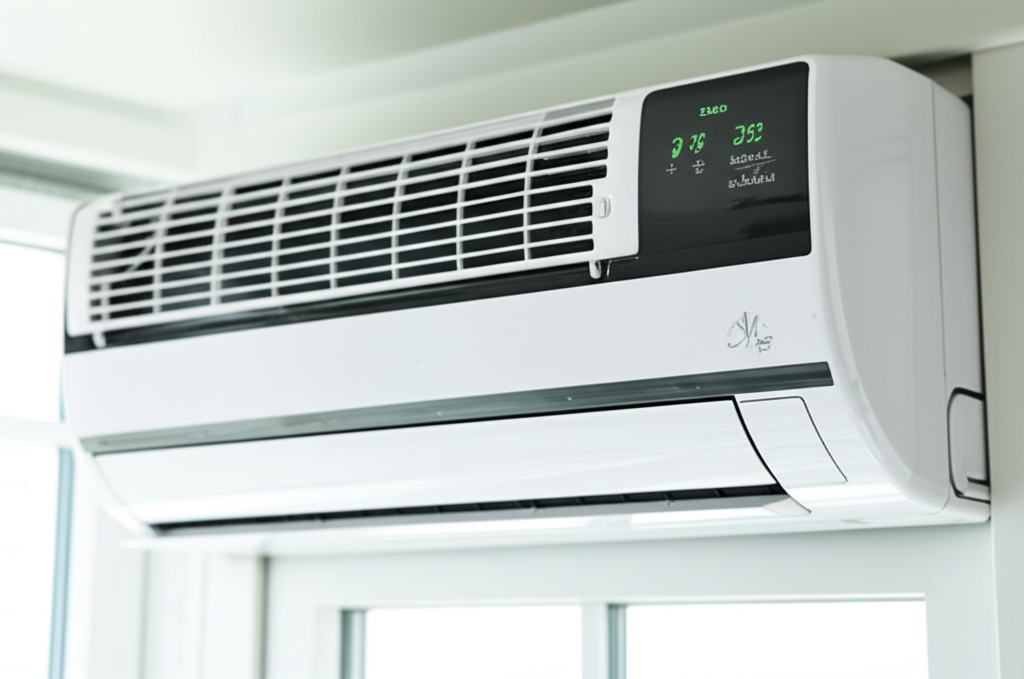
Quick Summary: If your window AC isn’t cooling, start simple: check the thermostat setting, clean the air filter, and ensure vents aren’t blocked. Often, a dirty filter is the real culprit stealing your cool air!
It’s hot, and your window air conditioner is running, but the air coming out feels lukewarm. That is frustrating, especially when you are expecting that crisp, cold relief. Many people worry this means they need an expensive repair or a brand-new unit. Don’t panic just yet!
Most times, a cooling issue is caused by something very easy to fix right now. I’m Jack from ACReviewHub.com, and I’m here to walk you through these simple checks. We will go step-by-step, using plain language, so you can get your AC blasting cold air again quickly.
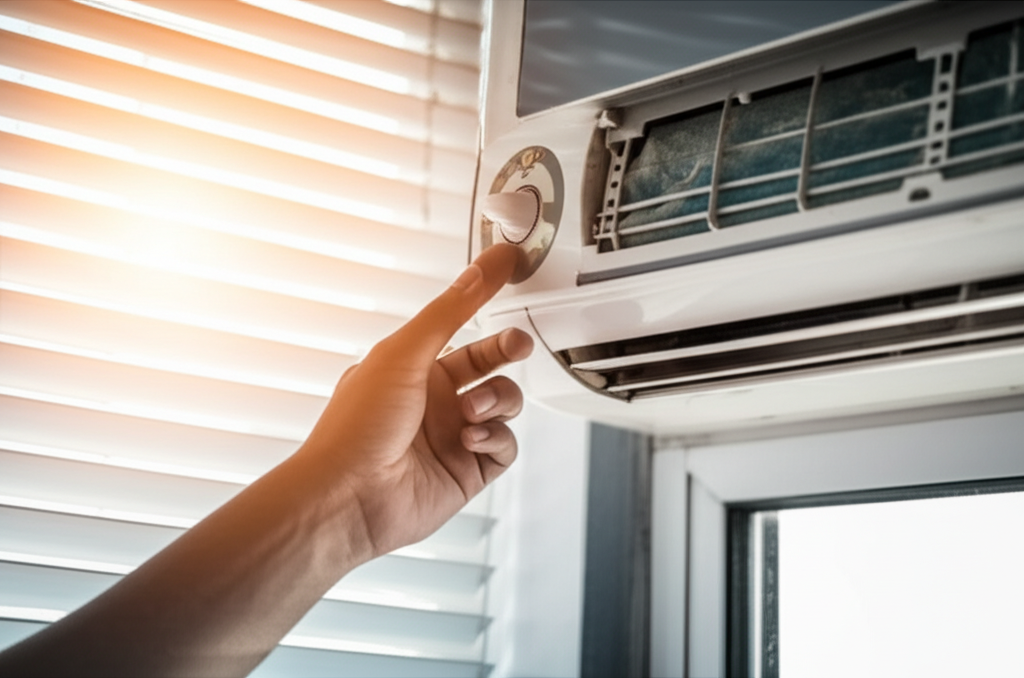
How To Fix Window AC Not Cooling: Urgent Fixes You Can Do Now
When the heat cranks up, your AC needs to keep up. If it seems weak, we need to check the basics first. These quick fixes require no special tools, just a little bit of your time.
Step 1: The Thermostat Check—Are You Asking for Enough Cold?
This might sound silly, but it happens all the time. Your AC is only as smart as the setting you give it. Double-check that dial or digital screen.
- Set it Low: Make sure your thermostat is set to “Cool” mode, not “Fan Only.”
- Aim Low: Set the temperature significantly lower than the current room temperature—try 68°F or 70°F to start.
- Give It Time: After adjusting the setting, wait at least 15 minutes. ACs don’t cool instantly; they need time to catch up.
Step 2: Clean the Filter—The #1 Cause of Weak Cooling
The air filter’s job is to catch dust and debris. When it gets clogged, air can’t flow properly over the cold coils inside the unit. This stops the cooling process dead in its tracks.
Cleaning the filter is the easiest money-saving tip I can give you. It improves airflow immediately.
How to Clean Your Window AC Filter:
- Unplug the AC unit completely for safety.
- Locate the front grille or panel where the air comes out.
- Gently slide or lift out the filter. It might be paper or a reusable mesh.
- If it’s a reusable mesh filter, rinse it under warm running water until the water runs clear.
- Let it air dry completely before sliding it back in. If it’s a disposable filter, replace it with a new one.
Step 3: Clear Obstructions Inside and Out
Your window AC has two sides: the inside side (where you feel the cool air) and the outside side (where the hot air blows out). Both need clear space.
Inside Checks:
Make sure nothing is blocking the air coming into the unit. Furniture, curtains, or piles of laundry right in front of the AC will choke its ability to pull in room air.
Outside Checks:
Go outside and look at the side of the unit sitting in the window. Are leaves, tall grass, or debris pressed right up against the exterior fins? If so, carefully clear a foot or two of space around the entire unit.
Step 4: Inspect the Coils (The Dirty Secret)
Inside the unit are two sets of metal coils: the evaporator coils (which get cold) and the condenser coils (which get hot). Dirt on either set hurts cooling.
If you see dust or grime coating the visible fins on the inside (evaporator coils), you need to clean them gently. Use a soft brush or a specialized coil cleaning spray—never spray water directly onto the electrical components.
Expert Tip: If the outside (condenser) coils are packed with dirt, it’s a sign the unit is struggling to release heat. If cleaning doesn’t help, professional cleaning might be necessary.
Step 5: Check the Drain Hole for Clogs
Window ACs pull moisture (humidity) out of your home as they cool. This water needs a place to go, usually through a small drain hole at the bottom of the unit’s exterior housing.
If this hole gets clogged with dust or mold, water can back up inside the unit. This not only causes leaks but can sometimes interfere with the cooling mechanism.
Use a pipe cleaner or a thin piece of wire to gently poke through the drain hole on the outside to ensure it’s clear. Don’t force anything hard!
When to Call for Help: Recognizing Serious Issues
If you’ve done all the simple checks above and your AC is still blowing warm air, the problem might be deeper. Here is a quick guide to help you decide if you need a professional technician (HVAC tech).
| Symptom | Likely Cause (Simple Fix) | When to Call a Pro |
|---|---|---|
| Air is slightly cool, but not cold | Dirty filter or blocked vents | After cleaning, still weak |
| Unit runs constantly, makes noise, but no cold air | Thermostat malfunction or low refrigerant | Suspected refrigerant leak (ACs are sealed systems) |
| Ice forming on the unit | Very dirty filter or low airflow | Ice persists after filter cleaning |
For more in-depth information on energy efficiency and AC maintenance, the U.S. Department of Energy offers great resources for homeowners.
Understanding AC Capacity: Is Your Unit Too Small?
Sometimes, the unit isn’t broken; it’s just undersized for the room it’s trying to cool. If your room is large and the AC struggles on the hottest days, you might need more power (BTUs).
Here is a basic guide to matching your AC size to your space:
| Room Size (Square Feet) | Required Cooling Capacity (BTUs per Hour) |
|---|---|
| 150 to 250 sq. ft. | 5,000 – 6,000 BTU |
| 250 to 350 sq. ft. | 7,000 – 8,000 BTU |
| 350 to 450 sq. ft. | 9,000 – 10,000 BTU |
If your unit is correctly sized and clean but still can’t keep up, it might have a refrigerant leak, which requires a certified technician to handle safely.
Frequently Asked Questions (FAQ) for Beginners
Here are a few more quick tips I hear often from folks just starting with AC care.
Q: How often should I clean my filter?
A: If you run the AC daily, check it every two weeks, and clean it at least once a month during heavy use.
Q: Why is my AC making a buzzing sound?
A: A light buzz is often normal, but a loud, continuous buzz might mean a fan motor is struggling or something is loose. Unplug it and check for loose panels.
Q: Should I turn my AC off completely when I leave for a few hours?
A: No, it’s better to keep it set a few degrees higher (like 78°F). Turning it completely off and then back on forces it to work very hard to cool the hot house down again.
Q: My AC is leaking water inside the house. What gives?
A: This usually means the drain pan is full or the unit is not level in the window. Make sure the unit tilts slightly outward to encourage drainage.
Q: Can I use a window AC in very humid weather?
A: Yes, that’s what they do! But if it’s struggling, it might be overloaded with humidity rather than just heat. Ensure the “Dry” mode is available and try using that for an hour.
Q: Is it cheaper to run the AC constantly or cycle it on and off?
A: For most window units, it’s generally more efficient to keep the temperature stable rather than letting the room get extremely hot and then trying to cool it down rapidly.
Taking care of your window AC doesn’t have to be a mystery. By sticking to a simple cleaning schedule and checking those easy spots first, you catch 90% of cooling problems before they become real headaches.
Remember, consistent small maintenance beats major emergency repairs every time. Stay consistent with your filter checks, and enjoy the savings!
You’ve got this — and cool, comfortable air is just a few simple steps away.
