
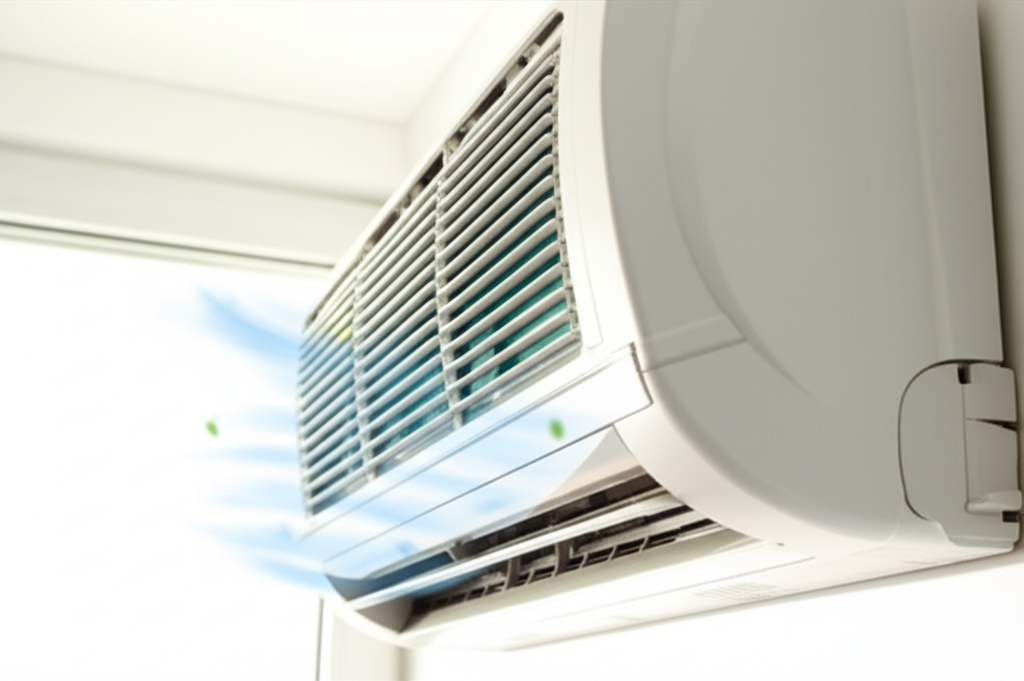
Quick Fix: To boost airflow in your window AC, start by cleaning the filter, ensuring vents are unobstructed, and checking the fan blades for dust buildup. A little regular cleaning goes a long way toward getting that cool air moving fast!
Is your window air conditioner running but the air coming out feels weak? You are not alone. Many people struggle with units that seem to be working hard but aren’t actually cooling the room well. This often happens because airflow is blocked somewhere along the line. It can feel confusing when you just want a comfortable space without wasting electricity.
Don’t worry; fixing weak airflow is usually much simpler than you think. We are going to walk through easy checks you can do yourself, no special tools required. By the end of this guide, you will know exactly how to get your window AC pushing out that crisp, cold air again.
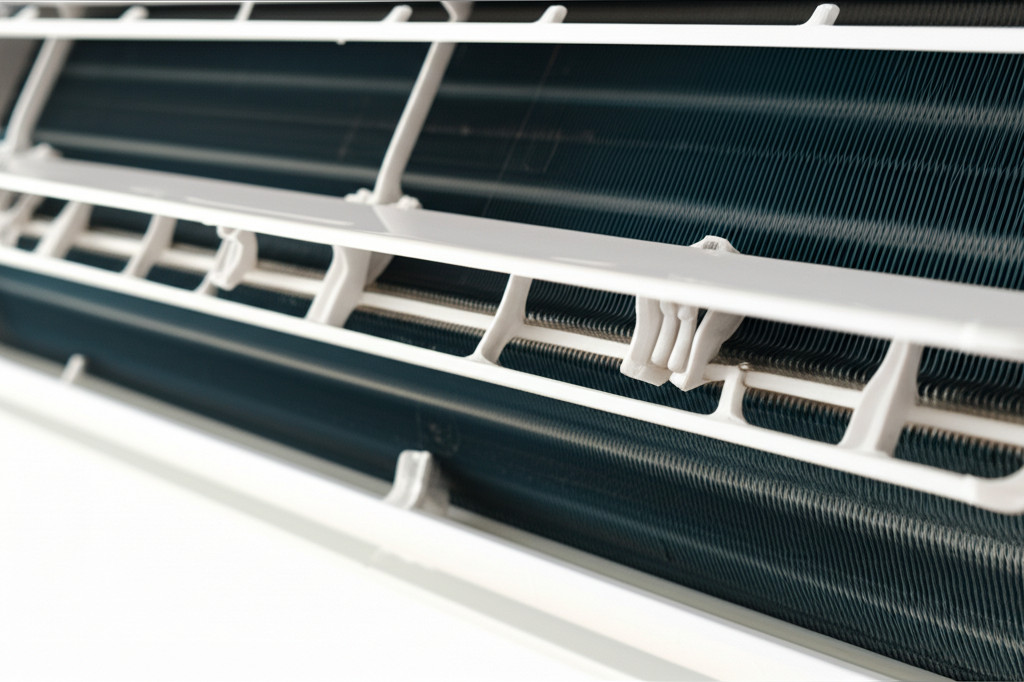
Why Does My Window AC Suddenly Blow Weak Air?
A drop in airflow is a cry for help from your unit. It means something is stopping the air from being pulled in or pushed out efficiently. Think of it like trying to breathe through a straw clogged with sand.
The most common culprits are simple maintenance oversights. These issues don’t require calling a technician right away. They are things every homeowner can handle with a little know-how.
Step 1: The Essential Air Filter Check and Cleaning
The air filter is the first line of defense. It catches dust, pet hair, and debris before they enter the AC system.
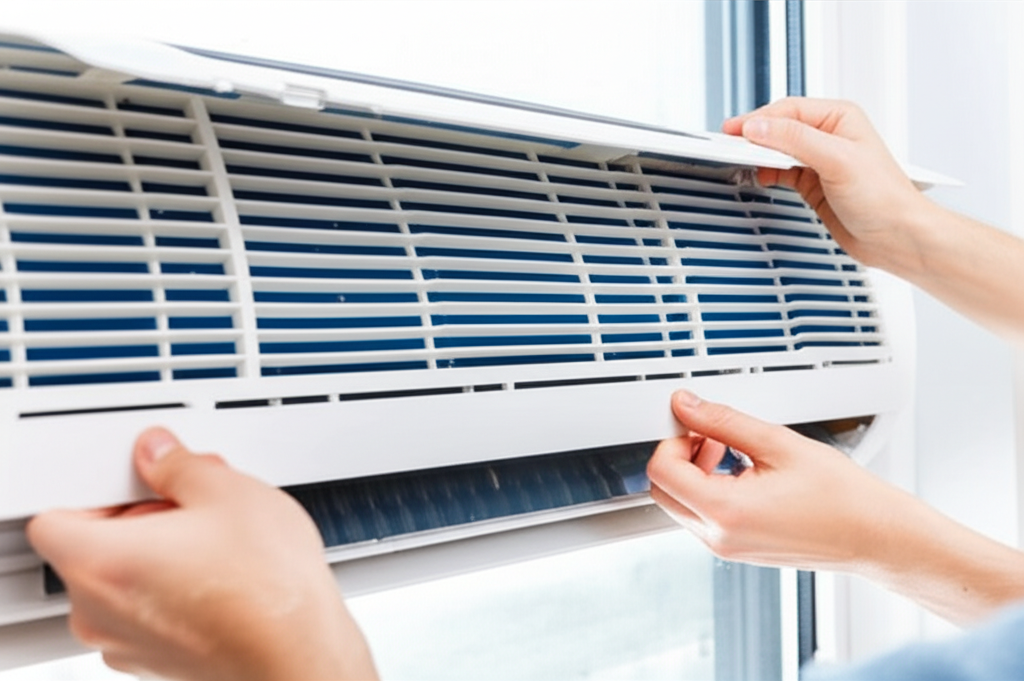
When this filter gets dirty, it chokes the unit. The fan has to work much harder to pull air through the gunk. This immediately reduces the amount of cool air that gets delivered to your room.
How to Clean Your Window AC Filter in Three Easy Steps
- Locate and Remove: Gently slide the filter out of the front grille of your unit. It usually slides right out, but check your manual if you get stuck.
- Rinse It Off: Take the filter to a sink. Rinse it under lukewarm running water until the water runs clear. Avoid using harsh soaps.
- Dry Completely: Let the filter air dry fully. Never put a damp filter back into the AC, as this can promote mold growth.
Step 2: Clear the Path—Unblocking Vents and Coils
After the filter, we look at where the air actually enters and exits the machine. Airflow needs a clear path both inside and outside the room.
Inside the Room: Check Your Vents
Make sure nothing is pushed up against the front of the unit inside your room. Furniture, curtains, or even stacks of books can block the cold air from circulating properly.
Outside the Unit: The Condenser Coils
The coils on the outside (the back side of the AC) need to release heat. If these coils are covered in leaves, dirt, or heavy dust, the AC cannot dump heat effectively.
If you can safely reach the outside portion, use a soft brush or a vacuum cleaner hose on a low setting to gently clean the fins. Remember to unplug the unit before doing any deep cleaning!
Step 3: Inspecting the Fan Blades
The fan is what physically moves the air. If the blades are covered in a thick layer of dust, they become less aerodynamic.
This is less common but happens often in dusty environments or if the unit hasn’t been used for a while. Dust buildup weighs the blades down slightly and disrupts the smooth flow of air.
If you suspect this, unplug the unit, remove the front panel if possible, and gently wipe down the fan blades with a damp cloth. Be very careful not to bend the blades.
Understanding AC Power: BTU and Room Size
Sometimes, the airflow isn’t the problem; the unit itself is simply too small for the space. If your AC is struggling to keep up, it can feel like the airflow is weak because it can’t reach the thermostat temperature.
BTU (British Thermal Units) measures cooling power. Using an undersized unit is a huge source of frustration.
| Room Size (Square Feet) | Recommended BTU Range |
|---|---|
| 150 to 250 sq ft | 5,000 – 6,000 BTU |
| 250 to 350 sq ft | 7,000 – 8,000 BTU |
| 350 to 550 sq ft | 9,000 – 10,000 BTU |
| 550 to 1,000 sq ft | 12,000 – 14,000 BTU |
For more detailed guidance on sizing your AC, the U.S. Department of Energy provides excellent resources on energy efficiency and proper sizing. Check out Energy.gov for sizing tips.
Advanced Check: Is the Fan Motor Running Correctly?
If you’ve cleaned everything and the air still feels anemic, the fan motor might be struggling. You might hear the compressor humming (the loud part), but the fan might be spinning slowly or not at all.
If the fan only blows weakly on the highest setting, the motor might be failing or getting insufficient power. This is usually where a professional might need to step in, but you can perform one quick check first.
Quick Troubleshooting: Fan vs. Compressor
| Symptom | Most Likely Cause |
|---|---|
| Unit is running, but no air is blowing. | Fan motor failure or extremely clogged filter. |
| Air is cold, but the volume is low. | Dirty coils or obstructed vents. |
| Unit runs constantly, but the air isn’t cold. | Low refrigerant or dirty condenser coils (heat transfer issue). |
Common Mistakes That Restrict Airflow
We all make small mistakes when setting up or using our window units. Avoiding these habits keeps your airflow strong all season long.
- Forgetting the Fan Setting: Ensure your unit is set to “Cool” mode, not just “Fan Only.” The “Fan Only” setting moves air but doesn’t cool it.
- Setting the Thermostat Too Low: Setting it to 60°F doesn’t make it cool faster; it just makes the compressor run longer. This can sometimes lead to ice buildup on the coils, which severely restricts airflow.
- Ignoring the Drain Pan: If the drain pan fills up, water can interfere with the blower wheel, causing rattling or reduced fan speed.
- Improper Installation: If the unit is tilted too far back toward the room, water condensation can pool inside the housing instead of draining outside, causing internal blockage.
Remember, routine maintenance is your best friend. A quick 15-minute check once a month during heavy use can prevent hours of discomfort later. For deep cleaning advice, the experts at ASHRAE (American Society of Heating, Refrigerating and Air-Conditioning Engineers) often publish guidelines on keeping HVAC systems clean.
Frequently Asked Questions (FAQ) for Better AC Airflow
Q1: How often should I clean the filter?
If you use the AC daily, check it every two weeks and clean it at least once a month. If you have pets, clean it more often!
Q2: Can I run my window AC without the filter?
No, please don’t. You will immediately start coating the delicate cooling fins with dust, leading to major performance drops and potential system damage.
Q3: Why is the air coming out weak, even though it’s very cold?
This usually means the air is getting too cold, likely due to a very dirty filter or extremely low fan speed setting. The cold air is being produced, but not enough volume is moving over it.
Q4: Should I set the fan to High or Auto?
If you need to cool a very hot room quickly, use “High.” Once the room is cool, switching to “Auto” often saves energy by cycling the fan only when needed.
Q5: My AC is rattling when the fan blows hard. What gives?
Rattling often means the fan blade is hitting something—either accumulated debris or a loose housing panel. Unplug it and check for anything loose inside the casing.
Taking charge of your air conditioner maintenance doesn’t have to be scary or complicated. By focusing on those three simple areas—the filter, the vents, and the coils—you are already doing 90% of what’s needed to keep your airflow strong.
Stay consistent with your cleaning schedule, and you’ll enjoy better cooling and lower energy bills all summer long. You’ve got this — and cool, comfortable air is just a few simple steps away.
