
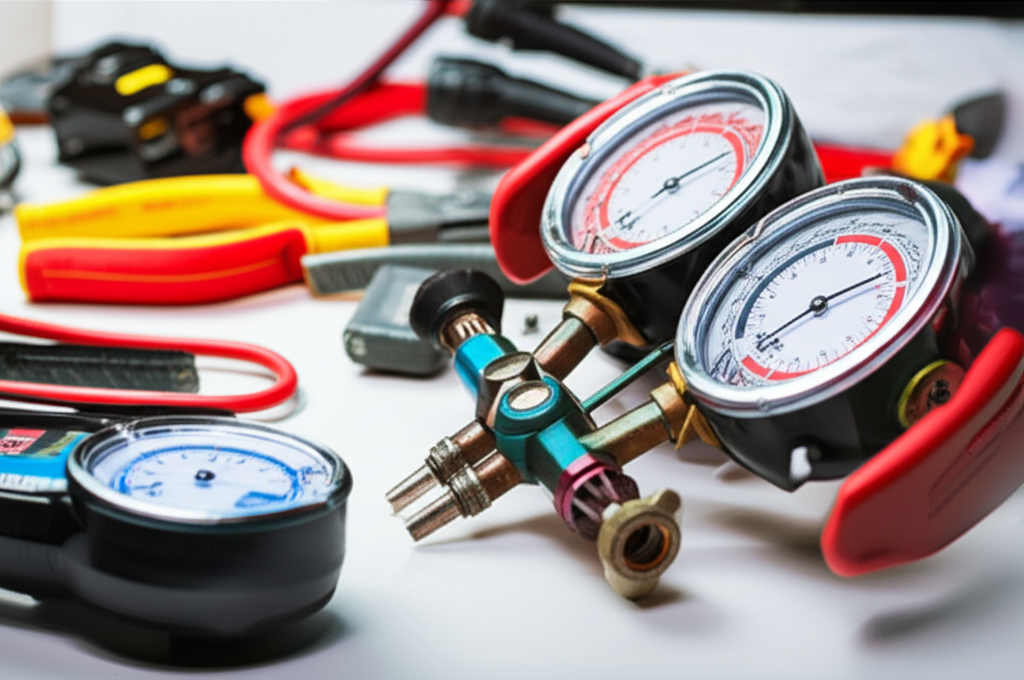
Don’t stress about your AC tools! Simple, regular cleaning and checking of your basic HVAC tools—like filters and coils—prevent big breakdowns. A little upkeep keeps your unit running cool and saves you money on repair bills.
Does your air conditioner seem weak lately? Are those energy bills creeping up higher than usual? It is easy to feel lost when dealing with AC problems. Many folks think fixing an AC means calling an expensive expert right away. But guess what? Some of the best fixes just need a few simple tools and easy steps.
I’m Jack from ACReviewHub.com. I want to show you how easy it is to take care of your system. We will skip the confusing tech talk. This guide will walk you through the must-do maintenance steps. Get ready to boost your cooling power and keep your wallet happy!
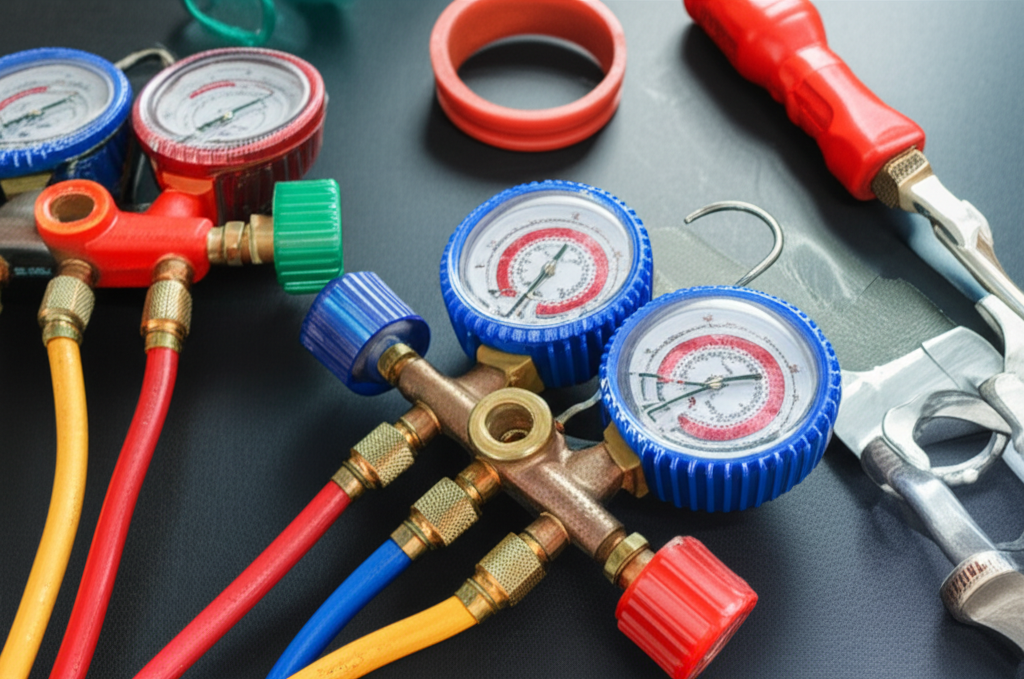
Essential HVAC Tools Every Homeowner Should Know About
You do not need a full mechanic’s toolbox to keep your AC happy. A few common household items make a huge difference. These tools help you see problems before they become real disasters.
Think of these as your first line of defense against warm air. They are cheap, easy to find, and super important for good cooling.
Your Starter AC Maintenance Toolkit
- Screwdriver Set: Needed for opening up the access panels on your unit.
- Soft Brush or Vacuum Cleaner Attachment: Perfect for gently cleaning dust off coils and fins.
- Friction Tape or Duct Tape: Useful for temporary sealing of small leaks or securing loose wires (only when the power is OFF!).
- Level: To check if your outdoor unit (condenser) is sitting flat.
- Thermometer or AC Thermostat: To verify the temperature your AC is actually producing.
Crucial Fix #1: Mastering the Air Filter Check
The air filter is the lungs of your AC system. If it gets clogged, your whole system struggles to breathe. This makes the AC work harder and use more electricity.
Simple Steps to Inspect and Replace Your Filter
- Turn Off Power: Always switch the power to the AC unit at the thermostat (set to OFF) and at the breaker box for safety.
- Locate the Filter: It is usually in the return air vent on a wall or ceiling, or inside the furnace/air handler unit itself.
- Pull It Out Gently: Note the direction the arrow is pointing on the old filter.
- Check Visibility: Hold the dirty filter up to a light. If you cannot see light through it, it is time for a change.
- Install New Filter: Make sure the arrow on the new filter points toward the furnace or air handler.
As a rule of thumb, change standard filters every 30 to 90 days. If you have pets or allergies, check them monthly!
Crucial Fix #2: Cleaning the Outdoor Condenser Coils
The outdoor unit needs space to dump the heat it pulls from your house. If the coils around it are covered in dirt, leaves, or grass clippings, it cannot release that heat effectively. This is a major cause of poor cooling.
How to Safely Clean the Condenser Unit
- Safety First: Turn Off Power! Shut off the electrical disconnect box near the outdoor unit. This is vital—never clean while electricity is running to the unit.
- Clear Debris: Use your hands or a soft brush to carefully remove any leaves, sticks, or tall grass from around the unit. Give it at least two feet of clear space on all sides.
- Gentle Rinse: Use a garden hose (not a high-pressure washer!) to spray the fins gently from the inside out. This pushes the dirt away from the coil.
- Straighten Bent Fins: If you see thin metal fins bent over, you can carefully straighten them using a specialized fin comb or a dull butter knife. Be very gentle here; they bend easily.
Crucial Fix #3: Checking the Drain Line for Clogs
Your AC removes humidity, and that water has to go somewhere—down the condensate drain line. If this line clogs with slime or algae, water backs up. This can cause your unit to shut down or, worse, leak water inside your house.
Clearing the Condensate Drain Line
This fix often sounds scary, but it is usually just a simple clog.
- Find the Access Point: Look for a T-shaped vent pipe near your indoor furnace or air handler unit.
- The Vinegar Flush: Pour about half a cup of distilled white vinegar down this access port. Vinegar naturally kills the mold and algae causing the blockage.
- Wait and Watch: Let the vinegar sit for about 30 minutes. You should see water dripping outside your home from the drain exit pipe.
- If It Still Won’t Drain: If the water backs up, you might need to use a wet/dry vacuum on the outside end of the drain line to suck the clog out.
When to Call a Pro: Recognizing Serious Issues
While these fixes save you time and money, some things require a certified technician. Don’t try to fix electrical or refrigerant issues yourself!
Symptoms That Demand a Professional Visit
- Ice on the Lines: If you see ice forming on the copper lines running into the unit, call for help immediately. This means low refrigerant or airflow problems.
- Loud, Strange Noises: Grinding, squealing, or loud banging means something mechanical is failing inside the unit.
- System Keeps Tripping the Breaker: If the unit keeps shutting off the power at the main box, there is a serious electrical short or motor problem.
- AC Won’t Turn On At All: If checking the thermostat and breaker doesn’t help, the issue is likely electrical control or the compressor itself.
For more in-depth guidance on understanding energy efficiency, check out tips from the Department of Energy: Energy.gov Air Conditioning Information.
Quick Reference: Troubleshooting Common AC Symptoms
Use this simple chart to see if your problem matches a quick fix or needs a pro.
| Symptom | Likely Cause (Beginner Fix?) | Next Step |
|---|---|---|
| AC is running but air is lukewarm | Dirty filter or dirty outdoor coils (Yes, fix this!) | Clean filter and rinse outdoor unit. |
| AC turns on and off too quickly (Short Cycling) | Thermostat is too close to a heat source, or low refrigerant (Maybe a pro) | Move thermostat if possible, or call technician. |
| Water pooling near the indoor unit | Clogged condensate drain line (Yes, fix this!) | Flush the drain line with vinegar. |
| Unit makes loud clicking noise when starting | Start capacitor issue (Pro needed) | Do not attempt repair; call for service. |
Frequently Asked Questions (FAQs) for AC Beginners
Here are a few things I hear all the time when talking to folks about their AC units.
Q: How often should I run my AC in the summer?
A: Run it as much as you need to stay comfortable! Setting it too high and then blasting it later uses more energy than keeping it at a steady, slightly warmer temperature.
Q: Can I just wash my old filter instead of buying a new one?
A: Only if it is a permanent, washable filter! Most standard filters are paper and must be replaced. Washing a disposable filter ruins its ability to catch dust.
Q: Why is my electric bill so high even though the AC works fine?
A: Even a “fine” running AC uses more energy if the coils are slightly dirty or the filter is old. Keep up with cleaning to keep costs down!
Q: What is the best temperature setting to save money?
A: Energy experts often suggest setting it to 78°F (25.5°C) when you are home. Every degree higher saves you money!
Q: Do I need to cover my outdoor unit in the winter?
A: Nope! Modern units are built to handle the weather. Covering them can actually trap moisture and cause rust. Just make sure the area around it is clear.
Q: My thermostat screen is blank. What should I check first?
A: Check the batteries first! If new batteries don’t work, check the breaker box to make sure the AC circuit hasn’t tripped.
Taking care of your air conditioner doesn’t need to be complicated or expensive. By focusing on these three crucial maintenance areas—filters, outdoor coils, and drain lines—you are doing 90% of what a technician would check first.
Stay consistent with these simple checks, and you will enjoy cooler air, lower bills, and a system that lasts for years. You’ve got this!
