
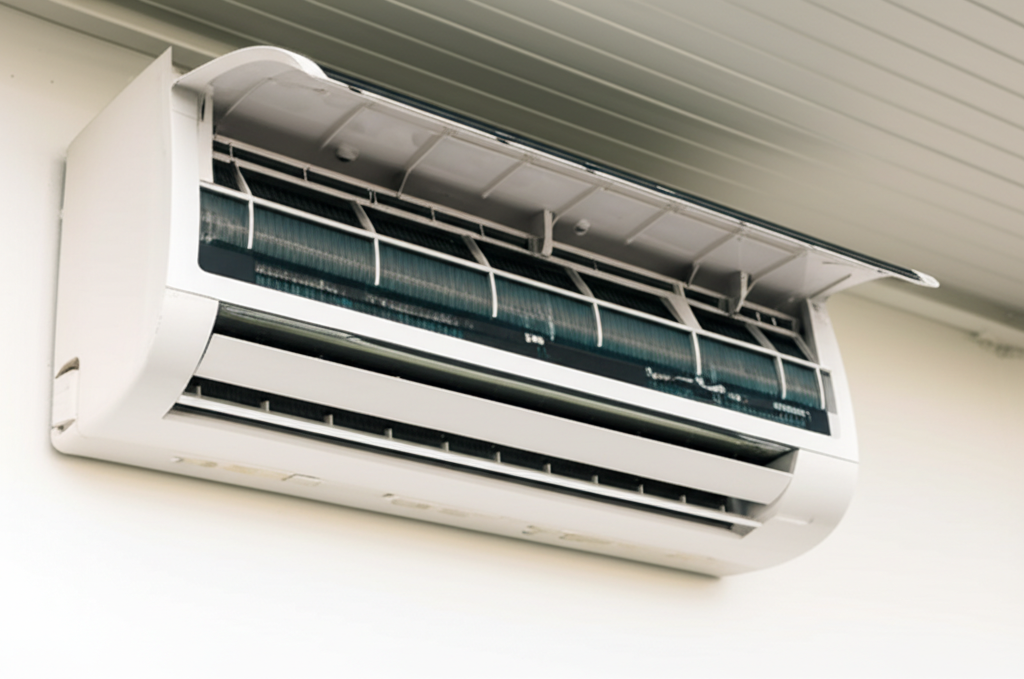
Preventing AC overheating is easy: Keep your air filter clean, ensure outdoor unit airflow is clear, and never run the AC when the refrigerant is low. Simple checks stop big breakdowns and keep you cool!
Is your air conditioner suddenly blowing warm air? It is frustrating when the heat rises, and your cool air vanishes. Many people worry that a sudden AC shutdown means an expensive repair bill. Don’t stress out just yet. Most overheating issues are simple fixes that you can handle yourself. We are going to walk through exactly what causes your AC to overheat and how to stop it from happening again.
Why Your AC Gets Too Hot (And Stops Working)
Your AC unit works hard to move heat from inside your house to outside. If it cannot move that heat away fast enough, the system overheats. Think of it like trying to run a marathon without taking any water breaks. The machine gets exhausted and shuts down to protect itself.
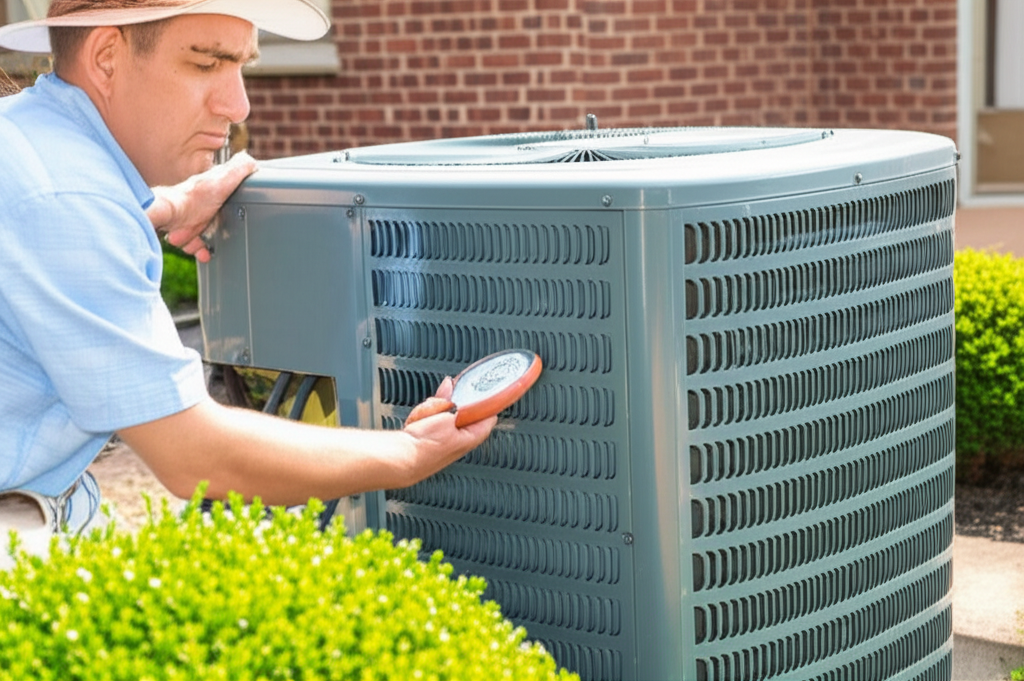
When your AC overheats, it usually shuts off the compressor. The compressor is the main pump that does the heavy cooling work. If it shuts down, you only get warm air, or no air at all. Knowing the main culprits helps you spot the problem early.
Top 3 Reasons Your AC Unit Overheats
These are the most common issues that lead to AC strain and eventual overheating. They are all things a beginner homeowner can check first.
- Clogged Air Filter: This is the number one cause. A dirty filter blocks air from reaching the coils.
- Blocked Outdoor Unit (Condenser): If grass, leaves, or dirt pile up around the outside unit, it cannot release heat.
- Low Refrigerant Levels: Refrigerant is the special fluid that absorbs the heat. If it leaks out, the system works too hard.
Crucial Fix #1: Master Your Air Filter Maintenance
Your air filter is the lungs of your AC system. When it gets dirty, it chokes the system. This forces the AC to run longer and hotter to push the same amount of air through.
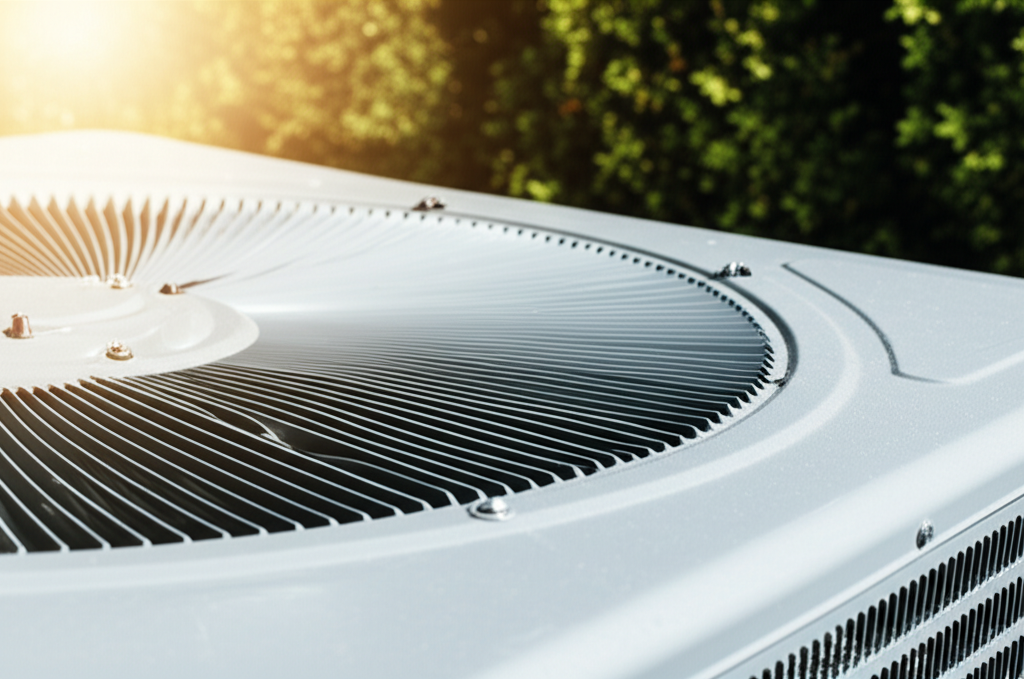
Changing your filter is the easiest way to prevent overheating. It takes less than five minutes. Make this a routine task.
Simple Steps for Filter Replacement
Follow these steps every time you change your filter:
- Turn off the power to your AC at the thermostat first.
- Locate the filter slot. This is usually in the furnace or air handler closet.
- Slide the old, dirty filter out. Notice which way the arrows point.
- Slide the new filter in, making sure the arrows point in the same direction as the airflow.
- Turn the power back on at the thermostat.
For most homes, changing the filter once every 30 to 90 days is perfect. If you have pets or allergies, check it monthly.
Crucial Fix #2: Clear the Path for Your Outdoor Unit
The large unit sitting outside your house is called the condenser. Its entire job is to push the heat it collected from inside your home out into the neighborhood air. It needs lots of space to breathe.
If shrubs, weeds, or tall grass grow too close, the hot air gets trapped. This hot air gets sucked right back into the unit. This makes the unit super hot and can cause it to shut down.
Creating an Airflow Safety Zone
You need to make sure nothing is crowding the outside unit. Think about giving it room to breathe on all sides.
| Obstruction Type | Recommended Clearance Distance | Why It Matters |
|---|---|---|
| Shrubs/Bushes | At least 2 feet (24 inches) | Prevents air recycling and overheating |
| Tall Grass/Weeds | Keep area trimmed shorter than 6 inches | Stops debris from being sucked into the fan |
| Fences/Walls | At least 3 feet (36 inches) behind the unit | Allows heat to fully dissipate away from the unit |
If you see leaves or cottonwood fluff stuck to the metal fins, gently spray the unit with a garden hose from the inside out. Never use a high-pressure washer, as this can bend the delicate fins.
Crucial Fix #3: Check Your Vents and Dampers
Sometimes the problem is not the AC unit itself, but how the cool air gets to your rooms. If you close too many vents, the system gets confused and can struggle.
Closing too many registers forces all the air back into the system too fast. This raises the pressure inside the cooling lines, which can cause the evaporator coil to freeze up or the whole system to overheat.
Rule of thumb: Never close more than 20% of the vents in your house. Keep the vents in every room slightly open so air can circulate freely.
When to Call a Professional: Low Refrigerant
Refrigerant is what makes your AC cold. It is a closed system, meaning it should never run out. If your AC is low on refrigerant, it means you have a leak somewhere.
Running an AC when the refrigerant is low is the fastest way to cause severe, expensive damage, including compressor burnout. If you notice these signs, call an HVAC expert right away.
Signs You Might Have a Refrigerant Leak
- The air coming from the vents is cool, but not truly cold.
- You hear a hissing or bubbling sound near the unit.
- Ice is forming on the copper lines outside or on the indoor coil.
- Your electric bill is suddenly much higher for the same cooling level.
Only licensed professionals can legally check refrigerant levels and repair leaks. Trying to fix this yourself is dangerous and ineffective.
Understanding BTU and Sizing Your AC Properly
Sometimes, an AC overheats because it was never the right size for your home to begin with. If the unit is too small (undersized), it runs constantly trying to reach the set temperature, causing overheating.
BTU (British Thermal Units) measures cooling power. Bigger rooms need more BTUs.
Simple Guide: Matching BTUs to Room Size
This chart gives you a basic idea, but always consult an expert for exact sizing.
| Room Size (Square Feet) | Recommended Cooling Capacity (BTUs) |
|---|---|
| 150 to 250 sq. ft. | 5,000 to 6,000 BTUs |
| 300 to 350 sq. ft. | 8,000 to 10,000 BTUs |
| 500 to 700 sq. ft. | 14,000 to 18,000 BTUs |
If your old AC was struggling on the hottest days, it might be time for an upgrade to a properly sized unit. Learn more about energy efficiency and sizing from the experts at the U.S. Department of Energy: Energy.gov AC Information.
What to Do If Your AC Overheats Right Now
If you walk out and feel hot air coming from the vents, don’t panic. Take these immediate steps to help the unit cool down safely.
- Turn the Thermostat Way Up: Set the temperature to 80°F or turn the system to the “Off” position. This stops the compressor immediately.
- Check the Filter: Quickly pull out the filter and see if it is completely clogged. If it is black with dust, replace it right away.
- Wait 30 Minutes: Give the system time to recover from the strain. The indoor coil might have frozen up slightly.
- Restart Slowly: After waiting, set the thermostat back to your normal temperature (like 72°F). See if the cool air returns.
If the unit starts up and runs normally, you probably caught a simple airflow problem in time. If it runs for 10 minutes and then shuts off again, you need professional help.
Frequently Asked Questions for New AC Owners
Q: How long should I wait after an AC shuts down before turning it back on?
A: Wait at least 20 to 30 minutes. This gives the internal pressure time to drop so the system can restart without immediately tripping the safety shutoff again.
Q: Can running the fan setting help cool down an overheated AC?
A: Yes! Running just the “Fan On” setting (not “Auto”) pulls air across the indoor coil, helping to melt any ice and circulate room air, which can help the system recover faster.
Q: Is it okay to hose down the outdoor unit if it feels hot to the touch?
A: Yes, a gentle spray with a garden hose is fine, especially to clear debris. Just make sure the power is off first, and never spray directly into the electrical box.
Q: What if my breaker keeps tripping instead of the AC shutting down?
A: A tripping breaker means there is an electrical overload, often caused by a failing fan motor or compressor. This is a job for an electrician or HVAC technician immediately.
Q: Does high humidity make my AC overheat more easily?
A: Humidity makes the AC work harder because it has to remove moisture along with heat. Running the AC too long on very humid days increases the risk of overheating if airflow isn’t perfect.
Keep Your Cool With Simple Consistency
Taking care of your air conditioner does not need to be complicated or scary. Most overheating problems are just your AC politely asking for a little help with maintenance.
By making a habit of changing that filter regularly and keeping the outside unit clean, you are doing 90% of the work required to keep your system running smoothly all summer long. Stay consistent with these small steps, and you will enjoy lower bills and reliable cooling.
You’ve got this! Keep checking those easy fixes, and enjoy staying cool.
