
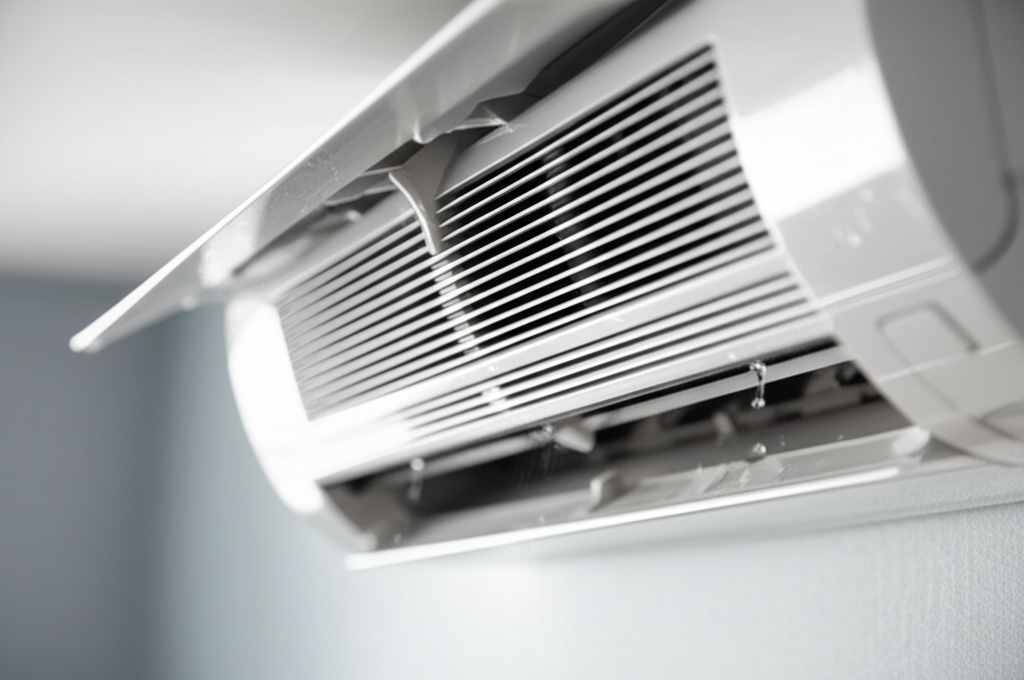
If your AC is dripping inside, the cause is usually a clogged drain line or a frozen coil. Clear the blockage or fix the ice, and that annoying puddle should stop right away. Don’t worry, this is usually an easy fix!
Seeing a puddle of water under your indoor AC unit is never fun. It’s messy, and it makes you worry about big repair bills. You might think your AC is broken forever. But take a deep breath; I’m Jack from ACReviewHub.com, and I see this all the time. Most indoor dripping is a simple fix that you can handle today.
We are going to walk through exactly why this happens. We will check the easy things first. Then, we’ll look at the slightly trickier parts that still don’t need a huge repair bill. You will feel calm and ready to fix this water leak right now.
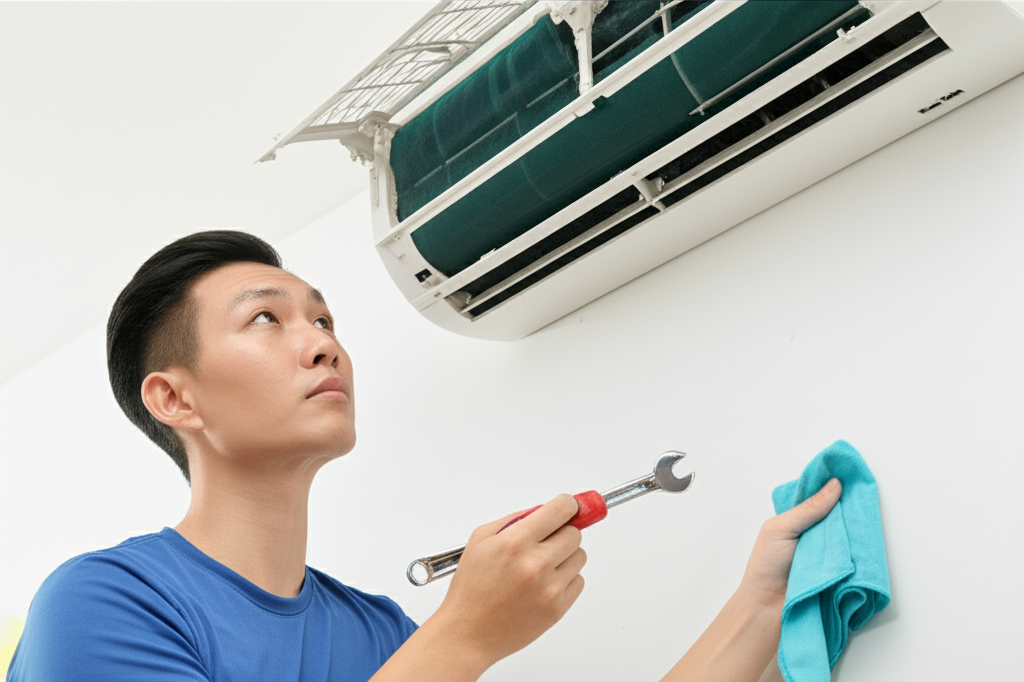
Why Is My Indoor AC Unit Suddenly Leaking Water?
Your air conditioner is supposed to move water outside. It pulls humidity out of your air, and that water drips away through a special pipe. When water appears inside, it means that path is blocked or something is making too much ice.
This usually boils down to three main culprits. We need to find the one causing trouble in your home.
- Clogged Condensate Drain Line: This is the most common reason. Dirt, dust, and mold build up inside the small pipe that drains the water away.
- Frozen Evaporator Coil: If the coil gets too cold, it creates ice instead of water. When the ice melts, it overwhelms the drain pan and spills inside.
- Clogged Air Filter: A super dirty filter can restrict airflow. Less airflow means the coil gets too cold and freezes up.
Step 1: Check the Easiest Culprit – The Air Filter
A struggling air filter is often the first place to look when things go wrong. Think of the filter as the AC’s lungs. If the lungs are stuffed up, the system can’t breathe well.
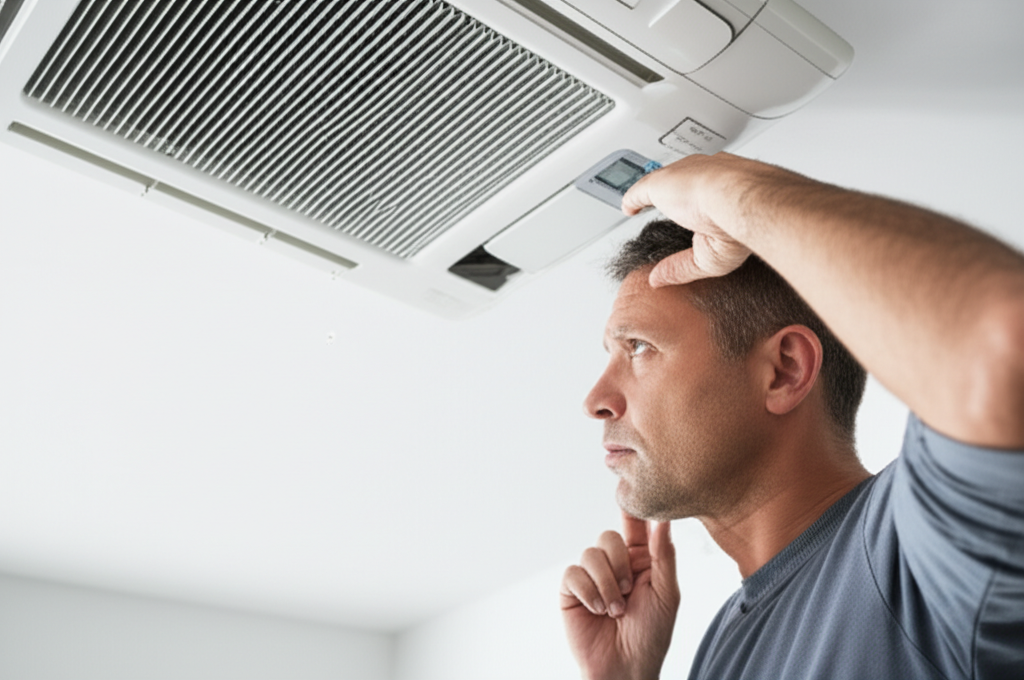
How to Inspect and Change Your Air Filter
This is simple maintenance everyone should do monthly.
- Turn Off Power: Always switch your AC unit off at the thermostat first. For extra safety, turn off the power switch near the unit if you can find it.
- Locate the Filter: In a furnace closet or attic, find the return vent or the slot where the air handler pulls air in.
- Pull It Out: Slide the old filter out carefully.
- Inspect: If it looks gray and fuzzy, it’s time for a change.
- Install New Filter: Make sure the arrow on the new filter points in the direction of the airflow (usually toward the AC unit).
If you just changed the filter and it’s still dripping, move on to the next step. A clean filter helps prevent freezing, but it won’t clear a blockage that is already there.
Step 2: Unclogging the Condensate Drain Line (The Main Fix)
The drain line is a small PVC pipe that carries water from the drip pan to the outside or to a floor drain. When this line gets plugged with algae or sludge, the pan fills up and spills over inside your house.
Tools You Might Need
Don’t worry; these are common household or hardware store items.
- Wet/Dry Vacuum (Shop-Vac)
- Distilled White Vinegar
- Safety Goggles
The Shop-Vac Drain Line Clearing Method
This method uses suction to pull the clog right out of the pipe. This is usually the most effective way for homeowners to fix this issue.
- Locate the Drain Opening: Find the end of the PVC pipe, usually sticking out near your outdoor unit or leading to a drain.
- Prepare the Vacuum: Attach the hose to your wet/dry vacuum. Seal the connection tightly with duct tape if necessary to ensure a good seal.
- Create a Seal: Place the vacuum hose securely over the end of the condensate drain line. You need a tight seal so the suction works.
- Vacuum Time: Turn the vacuum on high. Let it run for about two minutes. You might hear gurgling or see dirty water pulled into the vacuum canister.
- Check the Flow: Turn the vacuum off. Pour a cup of clean water into the access port near the indoor unit (if you can find it). If the water flows freely outside now, you fixed it!
Alternative: Clearing with Vinegar
If you don’t have a shop-vac, vinegar can help kill the biological buildup causing the clog.
- Pour Slowly: Pour about one cup of distilled white vinegar directly into the access point of the drain line near the indoor unit.
- Wait: Let the vinegar sit for 30 minutes to break down the slime.
- Flush: Flush the line with clean water afterward.
Step 3: Dealing with a Frozen Evaporator Coil
If you notice ice forming on the copper lines or the metal fins of your indoor unit, the coil is frozen. When that ice melts, it creates a massive amount of water that the drain pan cannot handle.
Why Does the Coil Freeze?
Freezing is usually caused by one of two things, both related to airflow or low refrigerant (which needs a pro).
| Symptom | Most Likely Cause |
|---|---|
| Ice on the lines; weak cooling. | Dirty filter or blocked vents (low airflow). |
| Ice on the lines; system running constantly. | Low refrigerant (call a professional). |
How to Thaw a Frozen Coil Safely
You must let all the ice melt before turning the cooling back on. Running the AC while frozen can damage the compressor.
- Turn AC to “Off”: Set the thermostat mode from COOL to OFF.
- Turn Fan to “On”: Set the system fan setting from AUTO to ON. This blows warm room air over the coil to speed up thawing.
- Wait: This can take anywhere from 2 to 24 hours, depending on how thick the ice is. Keep towels handy for any residual dripping.
- Restart Cooling: Once you are sure all the ice is gone, switch the fan back to AUTO and the system back to COOL.
If the coil freezes again shortly after thawing, you likely have a low refrigerant issue or a serious airflow restriction that needs an HVAC technician.
When to Call an HVAC Professional (Knowing Your Limits)
While cleaning the filter and vacuuming the drain line are great DIY fixes, some problems require an expert touch. It is important to know when to step back and call in the pros.
If you try the drain cleaning steps and the water keeps coming back quickly, the clog might be deep in the main line or the trap.
If your unit is low on refrigerant (which causes freezing), that is a sealed system repair. Only licensed technicians can handle refrigerant safely and legally. For more on energy efficiency standards, check out Energy.gov’s AC information.
Quick AC Maintenance Checklist to Prevent Dripping
A little prevention goes a long way toward keeping your indoor unit dry and happy.
- Check the air filter monthly and change it every 1–3 months.
- Inspect the drain line exit point outside seasonally to ensure it is clear of debris.
- Clear leaves and dirt away from the outdoor condenser unit to help the whole system run efficiently.
- If you use the AC heavily in a humid season, pour a small amount of bleach or vinegar down the drain line once every three months as a preventive measure.
Frequently Asked Questions About AC Leaks
Here are a few common worries I hear from homeowners when water starts dripping inside.
- Can I use bleach to clean the drain line instead of vinegar?
Yes, but use it carefully! Mix one part bleach to sixteen parts water and pour slowly. Too much concentrated bleach can damage some plastic components.
- Is the water dripping from my AC dangerous?
The water itself is just condensed humidity, so it is not dangerous. However, standing water in the pan can grow mold and mildew, which is unhealthy. Also, dripping onto electrical components is a safety hazard.
- My AC is blowing warm air AND dripping. What now?
This strongly suggests a major ice blockage or a serious refrigerant leak. Thaw the ice first (Step 3), but if the air is still warm after thawing, call a technician.
- How often should the drain line be checked?
If you live in a very humid area or don’t change your filter often, check it every spring before you start heavy cooling. Otherwise, once a year is usually fine.
- I don’t have a shop-vac. Can I fix this?
Yes! You can try the vinegar flush first. If that doesn’t work, you can try gently blowing air into the line (carefully, using a vacuum in reverse or a specialized drain bladder), but be cautious not to damage the line.
You have now learned the simple secrets behind most indoor AC leaks. Dealing with a dripping unit seems scary at first, but it almost always comes down to a simple clog or a little bit of ice.
Remember, regular filter changes and a quick check of the drain line twice a year will save you from 90% of these emergency fixes. Keep up these easy habits, and your AC will keep you cool and dry all summer long. Happy cooling!
