
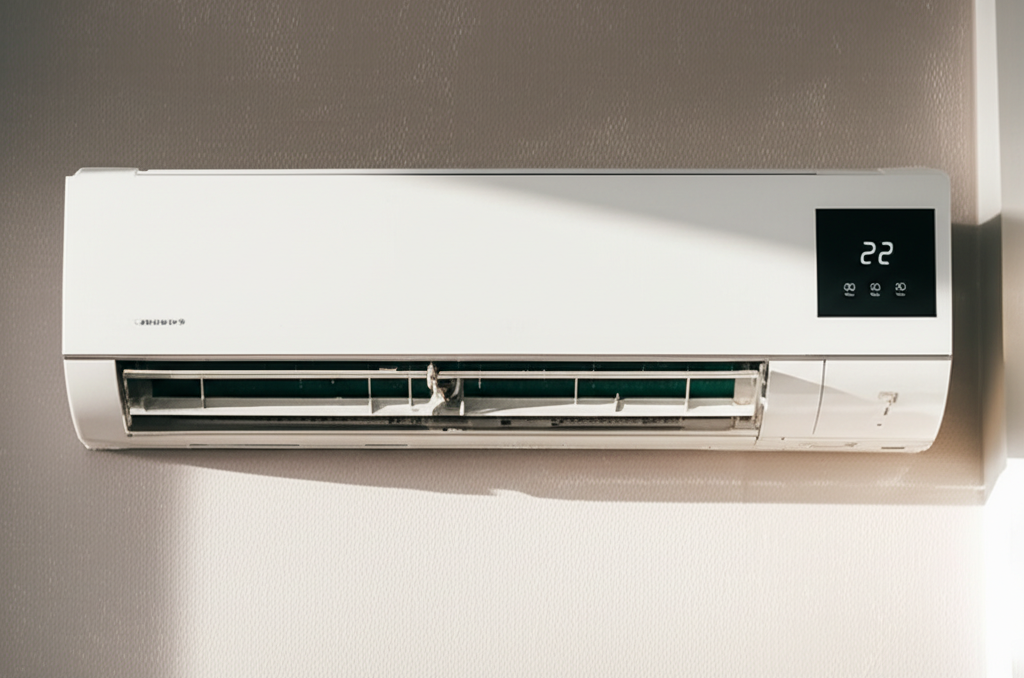
If your mini split is acting up, start simple: check the breaker, clean the filters, and make sure the remote is set right. Most “nightmares” are easy fixes we solve together right now.
Is your mini split giving you trouble? Maybe it is blowing warm air. Perhaps it is making a weird noise late at night. It is easy to feel frustrated when your cool air stops working. Dealing with AC problems can feel confusing, especially with newer systems like mini splits.
Don’t worry, friend. I’m Jack from ACReviewHub.com, and I know these systems inside and out. We are going to walk through every possible issue together. By the end of this guide, you will feel like an AC pro. Let us start saving your comfort and your money!
Mini Split 101: What Is Making That Noise?
Mini splits are great because they are quiet. But sometimes they make sounds that worry us. Most noises are just normal parts of the machine working. Let us learn to tell the difference between a normal hum and a real problem.
Common Mini Split Sounds and What They Mean
When you hear something new, stop and listen closely. Is it a drip? A click? Or a loud screech? Knowing the sound helps us fix it fast.
| Sound Heard | Likely Cause | Quick Fix? |
|---|---|---|
| Hissing or Gurgling | Refrigerant moving or air in the lines. | Usually normal. |
| Loud Clicking | Thermostat or compressor turning on/off. | Check thermostat settings. |
| Rattling or Vibrating | Loose panel or debris near the outdoor unit. | Check external covers for tightness. |
| High-Pitched Squeal | Failing fan motor or belt (rare in mini splits). | Call a pro if it keeps squealing. |
No Cool Air? The Power and Remote Check
When the air is warm, we need to check the basics first. These simple steps fix about half of all “broken” AC complaints. Always start here before calling a technician.
Step 1: Look at the Breaker Box
Sometimes the power just trips. This is like turning off a light switch by accident.
- Find your main electrical panel.
- Look for the breaker labeled for your AC unit. It might be labeled “Outdoor Unit” or “Air Handler.”
- If it is in the middle position, flip it completely OFF.
- Wait ten seconds, then flip it firmly back to the ON position.
Step 2: Check the Remote Control Settings
Did someone accidentally change the remote? It happens all the time!
- Make sure the mode is set to COOL, not HEAT or DRY (Dehumidify).
- Check the temperature setting. Is it set lower than the room temperature?
- Replace the batteries in the remote. Dead batteries cause weird behavior.
The Most Common Fix: Dirty Filters
Dirty filters are the number one killer of AC efficiency. They choke the airflow, making the unit work way too hard. This leads to poor cooling and possible freezing.
How to Clean Your Indoor Unit Filters Safely
This is a simple job you can do yourself every month. It keeps your air fresh and your machine happy.
- Turn the power OFF to the unit at the breaker for safety.
- Gently lift the front panel of the indoor unit. It usually hinges upward.
- Slide out the mesh filters. They might look gray or dusty.
- Take them to a sink and wash them with warm water and a mild soap.
- Rinse them completely clean until the water runs clear.
- Let them air dry fully before putting them back in. Do not put damp filters back in!
When the Unit Freezes Up (Ice Everywhere!)
Seeing ice on the indoor unit or the pipes outside is a big red flag. Ice means the unit cannot move heat correctly. This is almost always caused by airflow problems or low refrigerant.
Troubleshooting the Frozen Coil
If you see ice, shut the unit down right away. Running a frozen AC can cause serious damage.
- Switch the mode from COOL to FAN ONLY on your remote.
- Let the ice melt completely. This might take several hours.
- While it melts, clean your filters (see the section above).
- Once thawed, turn the unit back to COOL.
If the unit freezes again quickly after cleaning the filters, you likely have a bigger issue, like a refrigerant leak. That means it is time to call in a certified HVAC technician.
For more technical reading on refrigerant care, check out the great resources provided by the U.S. Department of Energy on efficient cooling: Energy.gov Cooling Guides.
Sizing Matters: Are You Using the Right Mini Split?
Sometimes the “nightmare” is not a breakdown, but the wrong setup from the start. If your unit runs constantly but never gets cool, it might be too small for the room.
Matching BTU to Your Room Size
BTUs (British Thermal Units) measure cooling power. Too small, and it strains. Too big, and it cycles on and off too fast, making the room feel clammy.
| Room Size (Sq. Ft.) | Recommended BTU Range | Example Mini Split Size (Tons) |
|---|---|---|
| 150 – 250 sq. ft. | 6,000 – 8,000 BTUs | 0.5 Ton |
| 250 – 400 sq. ft. | 8,000 – 12,000 BTUs | 0.75 to 1 Ton |
| 400 – 700 sq. ft. | 12,000 – 18,000 BTUs | 1 to 1.5 Tons |
If you are looking into buying a new unit, Consumer Reports has excellent, unbiased reviews to help you pick reliable models: Consumer Reports AC Reviews.
When to Stop Troubleshooting and Call the Expert
You are smart, and you fixed the simple stuff. But some things need professional tools and knowledge. Knowing when to stop is part of saving money.
Three Signs You Need a Pro Now
- You smell a strong, sweet odor. This can mean a refrigerant leak, which is dangerous and needs professional handling.
- The unit is making loud banging or grinding noises that won’t stop, even after checking for debris.
- The system has been running for hours but the temperature barely drops, and you have already cleaned the filters.
Easy Mini Split Maintenance Checklist
A little care goes a long way. Keep up with these small tasks to avoid big headaches later.
- Monthly: Clean the air filters.
- Quarterly: Wipe down the exterior casing of the indoor unit.
- Twice Yearly (Spring/Fall): Check the outdoor unit. Make sure leaves, grass, or weeds are cleared at least two feet away from it for good airflow.
- Annually: Have a technician perform a full check-up, including cleaning the coils deep down.
Frequently Asked Questions for AC Beginners
Q1: My remote blinks, but nothing happens. What gives?
A: That usually means the batteries are low or dead. Swap them out for fresh ones first. If it still blinks, the unit might be in a defrost cycle.
Q2: How long should I wait before turning the AC back on after a power outage?
A: Wait about 5 minutes. This lets the system components reset safely. Turning it on immediately can sometimes cause electrical strain.
Q3: Why is my outdoor unit running but the indoor fan is off?
A: Check the fan setting on your remote—it might be set to AUTO, meaning the fan only runs when cooling is actively needed. If it stays off for a long time, the indoor blower motor might have an issue.
Q4: Can I cover my outdoor unit in the winter?
A: Yes, but only if you use a breathable cover designed for AC units. Never use a solid plastic tarp, as this traps moisture and causes rust.
Q5: What is the “Dry Mode” for?
A: Dry mode is for removing humidity when it is sticky outside but not very hot. It runs the compressor slowly to pull moisture out of the air, making you feel cooler without blasting cold air.
Q6: Is it okay if the drain line drips a little water?
A: A little drip when the AC is running hard is normal condensation. If it is pouring water indoors, the drain line is likely clogged with algae or dust, and needs clearing.
See? Troubleshooting your mini split does not have to be scary. Most of the time, the fix is simple cleaning or checking a switch. By staying consistent with these small maintenance steps, you keep your system running smoothly for years.
Keep checking those filters, listen closely to those sounds, and enjoy the cool air you earned. You have got this!
