

Keeping your portable AC clean isn’t just about comfort—it’s essential for performance and health. A dirty unit can reduce cooling power, increase energy use, and spread mold or bacteria. With this step-by-step portable AC cleaning guide, you’ll learn how to safely and effectively clean every part of your unit. From the filter to the exhaust hose, these simple steps help maintain air quality, boost efficiency, and prevent breakdowns. Whether you’re a first-time owner or need a refresher, this guide makes maintenance quick and stress-free.
If you own a portable AC, you know how refreshing it is to walk into a cool, comfortable room after a hot day. But what happens when your unit starts blowing warm air, making strange noises, or just doesn’t seem as effective as it used to? Chances are, it’s time for a good cleaning. Over time, dust, dirt, pet dander, and even mold can build up inside your portable AC, reducing its efficiency and potentially affecting your indoor air quality. That’s why having a reliable portable AC cleaning guide step by step is so important.
Unlike window or central AC units, portable air conditioners are compact, mobile, and often overlooked when it comes to maintenance. But don’t let their simplicity fool you—regular cleaning is just as crucial. Not only does a clean unit run more efficiently, but it also helps prevent costly repairs and extends the lifespan of your investment. In this comprehensive guide, we’ll walk you through exactly how to clean your portable AC, from the filter to the exhaust hose, using safe and effective methods. Whether you’re dealing with stubborn grime or just want to keep things running smoothly, these steps will have your unit purring like new in no time.
Why Cleaning Your Portable AC Matters
Think of your portable AC like a car engine—without regular maintenance, performance drops and problems arise. When you neglect cleaning, dust accumulates in the filter, coils, and blower fan, blocking airflow. This forces the motor to work harder, consuming more electricity and shortening its lifespan. Plus, a dirty unit can circulate allergens and mold spores, impacting your health. By following this portable AC cleaning guide step by step, you’re not just cleaning a machine—you’re protecting your home environment and saving money on energy bills.
Key Takeaways
- Clean filters monthly: Clogged filters restrict airflow and force your portable AC to work harder, reducing efficiency and increasing energy bills.
- Inspect and clean the exhaust hose: Dust buildup in the hose can block airflow and reduce cooling performance.
- Remove and wash the water tank: Standing water promotes mold and bacteria growth if not emptied and cleaned regularly.
- Dust internal components gently: Use compressed air to clear debris from coils and fans without damaging delicate parts.
- Schedule seasonal deep cleans: Once every 3–6 months, perform a full disassembly cleaning to keep your unit in top shape.
- Always unplug before cleaning: Safety first—never attempt to clean a portable AC while it’s powered on.
Quick Answers to Common Questions
How often should I clean my portable AC?
It’s best to clean the filter every 2–3 weeks during heavy use, and perform a full deep clean every 3–6 months. Regular maintenance prevents mold and keeps your unit running efficiently.
Can I use water to clean the internal coils?
No, never spray water directly onto internal components like coils or fans. Use only dry methods such as compressed air or a soft brush to avoid damaging sensitive parts.
What if my portable AC smells bad after cleaning?
A lingering odor usually means mold or bacteria in the water tank or drain line. Clean the tank with vinegar, flush the drain pipe, and run the unit on fan mode with a disinfectant spray to eliminate odors.
Is it safe to clean my portable AC while it’s plugged in?
Absolutely not. Always unplug the unit before cleaning to prevent electric shock and avoid damaging the electronics.
How do I know if my portable AC needs a professional service?
If you hear loud noises, notice reduced cooling, or detect refrigerant smells, it’s time to call a technician. DIY cleaning won’t fix mechanical or chemical issues.
📑 Table of Contents
Gather Your Cleaning Supplies
Before you begin, make sure you have everything you need. You don’t need expensive tools—just a few basic items that most people already have at home. Start by gathering:
– A soft brush or microfiber cloth
– Mild dish soap or vinegar solution (1:1 ratio)
– Warm water
– Compressed air (optional but helpful)
– A small vacuum with a brush attachment
– Rubber gloves (to protect your hands)
Having the right supplies on hand ensures the process goes smoothly and safely. If you’re looking for professional-grade tools, check out our Best Portable AC Cleaning Kit for recommendations. These kits often include specialized brushes and nozzles designed specifically for air conditioner maintenance.
Step 1: Unplug and Prepare the Unit
Visual guide about Portable Ac Cleaning Guide Step by Step
Image source: phyxter.ai
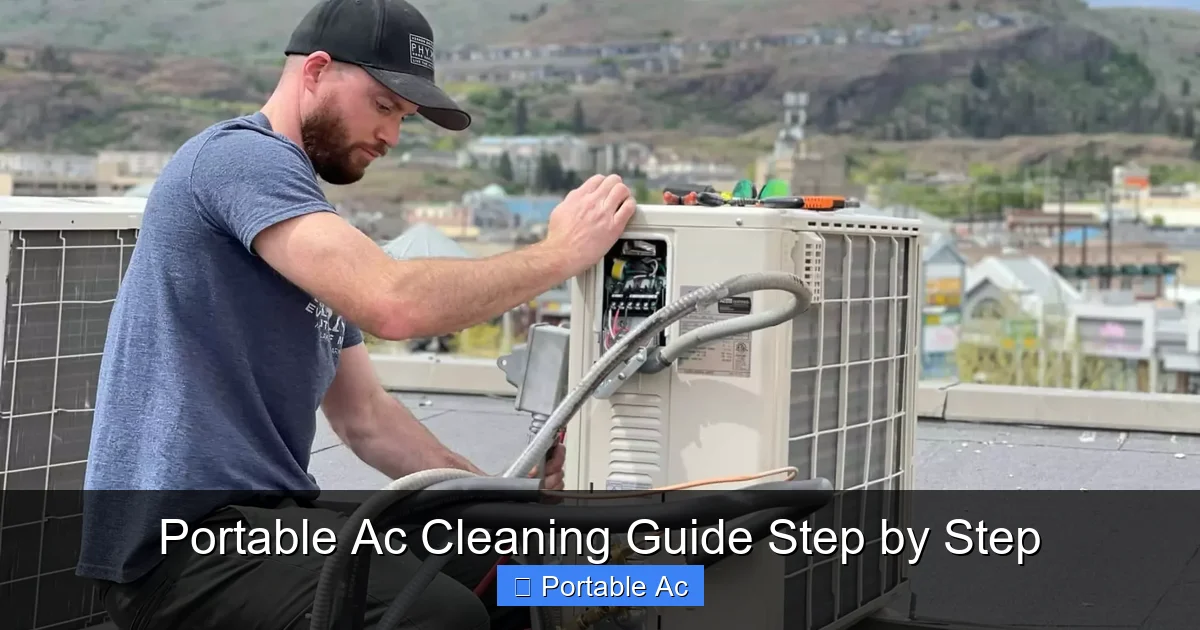
Safety always comes first when working with electrical appliances. Begin by turning off your portable AC and unplugging it from the wall outlet. This prevents accidental activation and protects you from electric shock. Let the unit cool down completely if it’s been running recently—this also reduces the risk of burns if you need to touch any metal parts.
Next, find a clean, flat surface to work on, preferably outdoors or over a trash bag if you’re working indoors. Lay a towel underneath to catch any falling debris. Now you’re ready to start disassembling the unit.
How to Access Internal Components
Most portable ACs have removable panels on the back or side. Look for screws or latches holding the panel in place. Use a screwdriver if needed, but be gentle—some models use plastic clips that can break if forced. Once the panel is off, you’ll gain access to the filter, coils, and blower assembly.
If your model has a front control panel, check the user manual for instructions on how to remove it safely. Never yank cords or hoses during this process—always disconnect them first.
Step 2: Clean the Air Filter
Visual guide about Portable Ac Cleaning Guide Step by Step
Image source: urstay.co.uk
The air filter is one of the most important parts to clean regularly. It traps dust, pollen, and other particles before they enter your home. Over time, this buildup can clog the filter, reducing airflow and forcing the compressor to work harder.
To clean the filter:
1. Remove it carefully from its slot—usually located behind the front panel.
2. Rinse it under cool running water to avoid warping.
3. For deeper cleaning, soak it in a mixture of warm water and mild dish soap for 15 minutes.
4. Scrub gently with a soft brush if there’s stubborn dirt.
5. Rinse thoroughly and let it air dry completely before reinstalling.
Never put a wet filter back in—doing so can damage the unit or create mold inside. If your filter is heavily damaged or shows signs of wear, consider replacing it. For guidance on choosing the right replacement, see our article on How to Clean Portable AC Filter.
How Often Should You Clean the Filter?
For homes with pets or allergies, clean the filter every 2–3 weeks. In low-traffic areas, once a month may suffice. Regular cleaning not only improves performance but also reduces energy consumption by up to 15%.
Step 3: Empty and Sanitize the Water Tank
Visual guide about Portable Ac Cleaning Guide Step by Step
Image source: 5.imimg.com
Portable ACs collect condensation in an internal water tank, which must be drained and cleaned regularly. If left uncleaned, this water becomes a breeding ground for mold and bacteria.
Here’s how to handle the tank:
1. Locate the tank—usually at the bottom or back of the unit.
2. Carefully remove it and drain the water into a sink or outside.
3. Wash the tank with warm, soapy water or a vinegar solution to kill germs.
4. Rinse well and dry completely before putting it back.
5. Replace the float switch if it’s damaged or stuck.
Some models have automatic drainage systems—check your manual to see if yours includes this feature. Even with auto-drain, periodic manual cleaning is recommended.
Step 4: Clean the Exhaust Hose and Intake Grille
The exhaust hose removes hot air from your room, while the intake grille pulls in cool air. Both can get clogged with dust and debris, especially if the unit is placed near furniture or walls.
To clean these components:
1. Detach the exhaust hose from both ends—use a screwdriver if needed to loosen clamps.
2. Wipe the inside and outside with a damp cloth.
3. Use compressed air to blow out any stubborn dust.
4. Vacuum the intake grille at the front of the unit to remove loose particles.
Make sure the hose is not kinked or blocked—this can cause the unit to overheat. For tips on optimal placement, read our guide on Best Place to Put Portable AC in Room.
Step 5: Deep Clean Internal Coils and Fan Blades
Inside your portable AC, the evaporator and condenser coils play a vital role in heat exchange. When they’re covered in dust, cooling efficiency drops significantly.
To clean the coils:
1. Use a soft brush to gently remove surface dirt.
2. Apply compressed air from the inside out to dislodge trapped particles.
3. Avoid touching the coils—they’re delicate and can bend easily.
The blower fan also needs attention. Dust buildup here can cause noise and poor airflow. Use a vacuum with a brush attachment to clean around the fan blades. Be careful not to damage the fins.
When to Call a Professional
While many parts can be cleaned at home, some issues require expert help. If you notice refrigerant leaks, unusual odors, or persistent mold, consult a licensed technician. For more on troubleshooting, see our guide on Fix Portable AC Error Codes.
Reassemble and Test Your Unit
Once all components are clean and dry, reassemble the portable AC in reverse order. Make sure all panels are securely fastened and hoses are properly connected. Plug the unit back in and turn it on.
Run it for 10–15 minutes to ensure everything works smoothly. Listen for unusual noises and check that cold air is blowing steadily. If the unit performs better than before, you’ve successfully completed your portable AC cleaning guide step by step.
Preventive Maintenance Tips
Consistency is key to keeping your portable AC in great condition. Here are a few extra tips:
– Clean the filter weekly during peak usage months.
– Inspect the unit monthly for signs of mold or leaks.
– Keep the area around the AC clear of clutter.
– Schedule a professional inspection once a year.
Regular maintenance not only saves money but also gives you peace of mind knowing your unit is safe and efficient.
Frequently Asked Questions
How do I clean a portable AC without taking it apart?
You can vacuum the exterior grilles and wipe surfaces with a damp cloth. However, for thorough cleaning, partial disassembly is necessary to access filters, coils, and the water tank. For a full guide, see our Portable AC Maintenance Guide.
Can vinegar really clean portable ACs effectively?
Yes! A 1:1 mix of white vinegar and water kills mold and bacteria without harsh chemicals. Just soak removable parts like the water tank in this solution for 15 minutes, then rinse well.
What should I do if my portable AC filter won’t stay clean?
This could indicate high dust levels in your home or a damaged filter. Consider upgrading to a reusable mesh filter and ensure your living space is dust-controlled with regular vacuuming and air purifiers.
Does cleaning improve energy efficiency?
Definitely. A clean filter and coil system allow better airflow and heat exchange, reducing strain on the compressor. You may notice lower electricity bills after consistent cleaning.
Can I clean my portable AC during summer?
Yes, but it’s safer to clean during cooler months when the unit isn’t in constant use. If you must clean in summer, do it overnight and avoid running the AC immediately after.
What tools are essential for portable AC cleaning?
The basics include a soft brush, microfiber cloth, mild soap, warm water, and a vacuum with a brush attachment. For advanced cleaning, invest in a quality AC cleaning kit.
