
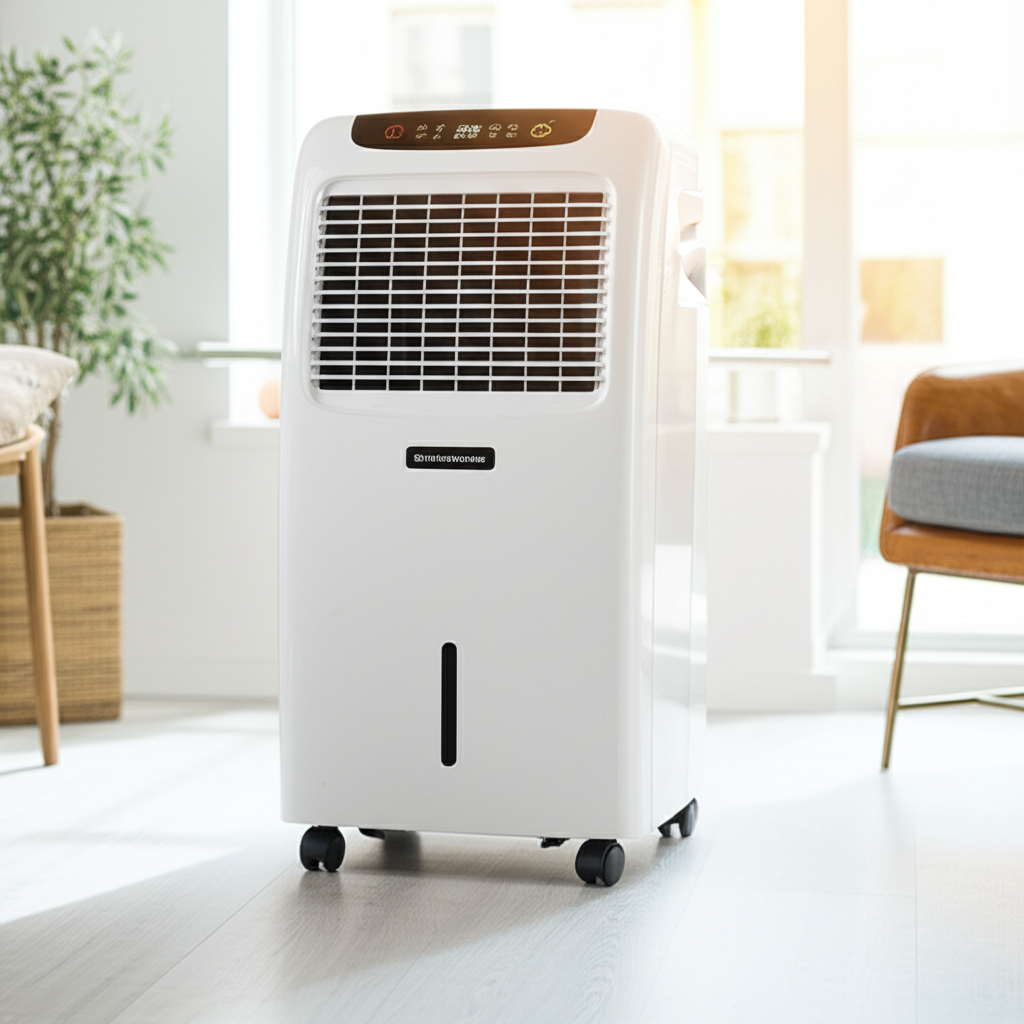
Portable AC Energy Saving Tips: Astonishing Power
To save big on your portable AC bill, focus on smart placement, setting the thermostat correctly (aim for 78°F), keeping the exhaust hose short and sealed, and regular filter cleaning. Small changes lead to surprisingly big power savings!
Are you worried about your portable air conditioner running up your electric bill? It is easy to feel confused by all the settings and how much energy these machines really use. Maybe your room feels cool, but your wallet does not. Don’t worry one bit about complex AC jargon anymore. I am Jack, and I am here to help you master your portable unit. We will look at simple tricks that let you stay frosty without the shocking energy costs.
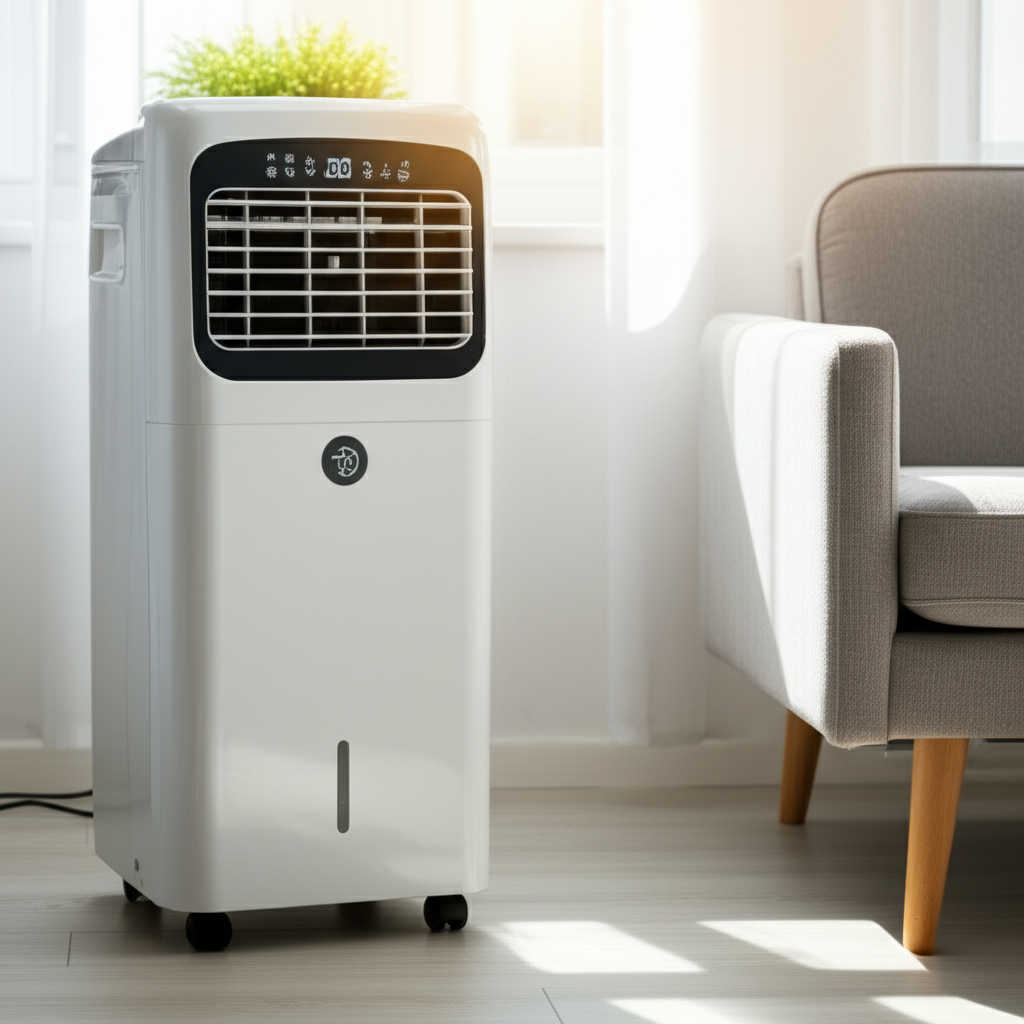
How to Place Your Portable AC for Maximum Chill
Where you put your portable AC matters a lot for how hard it works. Think of it like a mini-fridge; it needs space to breathe. If you block the air vents, the AC struggles. This struggle means it uses more electricity to cool the same amount of space.
Keep the Exhaust Hose Short and Straight
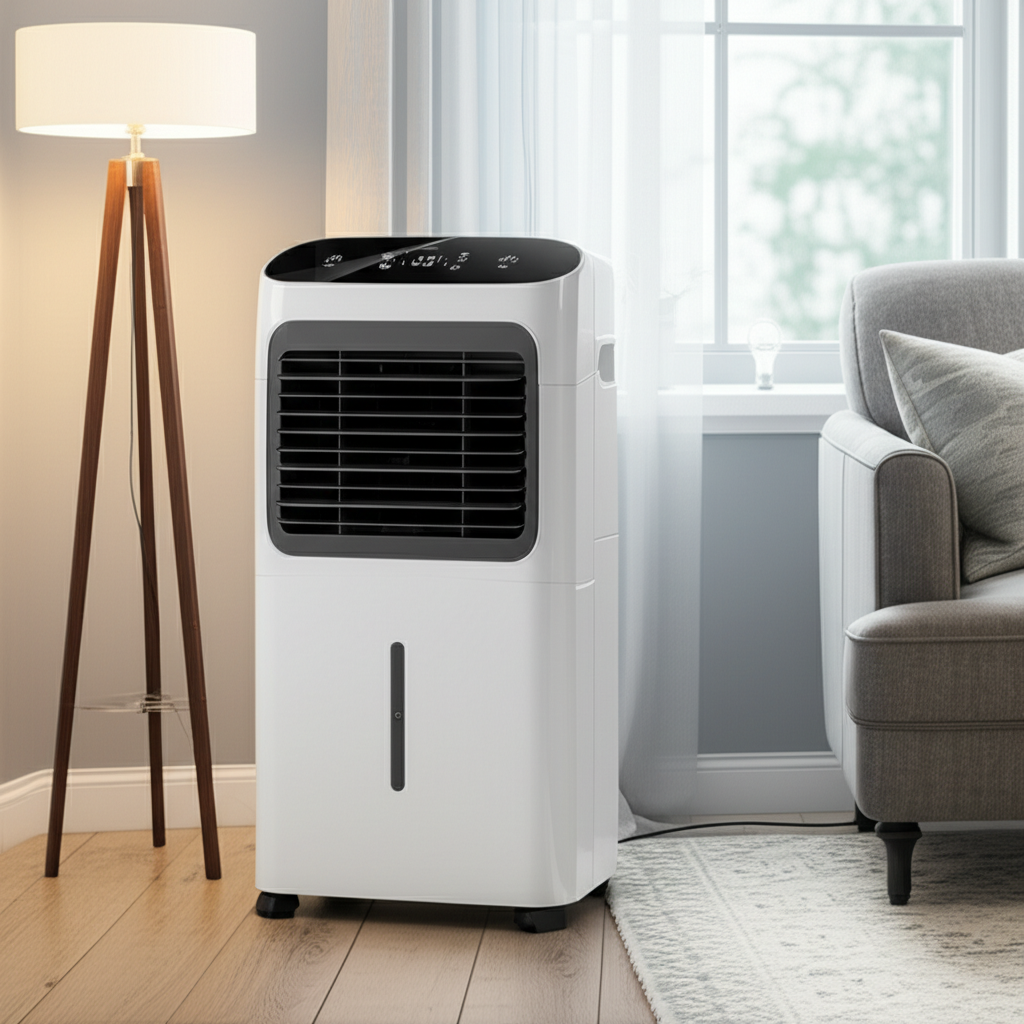
Your portable AC makes hot air that it has to push outside. This hot air goes through a big hose. This hose is the biggest energy drain if you set it up wrong. A long, floppy hose makes the fan work way too hard.
Here are the steps to set up that hose right:
- Make the hose as short as possible. Remove any extra sections that came with the kit.
- Keep the hose as straight as you can. Avoid sharp bends or kinks in the tubing.
- Seal the window kit tightly. Use the foam strips provided to block any air leaks around the hose connection.
- Make sure the outside end of the hose is not pointing at a sunny window.
Block Out the Sun’s Heat
The sun shining into your room is like giving your AC extra work for free. Direct sunlight heats up walls and furniture fast. Your AC then has to fight that added heat load.
Use these simple tips to fight solar heat:
- Close blinds or curtains when the sun is shining directly on your windows.
- Consider using blackout curtains in the rooms where you use the portable AC the most.
- If possible, place the unit away from windows that get direct afternoon sun.
Smart Thermostat Settings That Save You Cash
Setting the temperature too low is the number one mistake people make. Running your AC at 65°F feels great for a minute, but it costs a fortune. Your goal is comfort, not freezing!
The Magic Number: 78 Degrees Fahrenheit
Energy experts agree that 78°F (about 25.5°C) is the sweet spot for cooling your home comfortably while saving energy. Your portable AC does not have to work constantly at this temperature.
Think about what happens when you adjust the dial:
| Temperature Setting | Estimated Energy Use Change (Compared to 72°F) | Comfort Level |
|---|---|---|
| 78°F | Significant Savings (Up to 25%) | Comfortable |
| 75°F | Moderate Savings (Around 10%) | Slightly Cool |
| 72°F | Baseline Energy Use | Very Cool |
Use the Timer and Sleep Modes
Why cool an empty room? Most portable ACs have handy timers. Set the unit to turn off an hour before you leave for work or start cooling down just before you get home.
The sleep mode is great for nighttime. It slightly raises the temperature after you fall asleep, which saves power while you are under the covers.
Essential Maintenance for Peak Efficiency
A dirty air filter is like trying to breathe through a straw. When the filter is clogged with dust, the AC fan must pull harder to move air across the cooling coils. This extra effort burns extra electricity.
Clean That Filter—Seriously!
You need to clean your filter at least once a month, maybe more if you have pets or dusty rooms. This is simple maintenance that makes a huge difference in power use and cooling ability.
Here is your simple filter cleaning routine:
- Turn off and unplug the unit completely for safety.
- Gently slide out the filter screen.
- Wash it with warm water and mild soap, or use a vacuum cleaner with a soft brush attachment.
- Let it dry completely before putting it back in. Never put a damp filter back inside.
Check for Leaks and Condensation
Portable ACs collect water (condensation). If the drain pan gets too full, or if the unit is tilted, it can cause issues that make the system less efficient.
- Check the drain line connection if your model requires external draining.
- Ensure the unit is sitting level on the floor so water flows correctly to the collection area.
For more in-depth details on how ACs use energy, check out the helpful guides provided by the U.S. Department of Energy: Energy Star Air Conditioner Information.
Choosing the Right Size: BTU vs. Room Size
Buying an AC that is too small or too large for your space is a guaranteed way to waste energy. A unit that is too small runs constantly and never catches up. A unit that is too big cycles on and off too quickly, which wastes energy during startup.
Use this chart as a starting point for matching power (BTUs) to your room size:
| Room Size (Square Feet) | Recommended Portable AC Capacity (BTUs) |
|---|---|
| 150 to 250 sq ft | 5,000 to 6,000 BTUs |
| 250 to 400 sq ft | 7,000 to 8,000 BTUs |
| 400 to 550 sq ft | 9,000 to 10,000 BTUs |
Remember, if your room has high ceilings or gets a lot of sun, you might need to step up one size in BTUs. It is better to have a slightly larger unit run less often than a small unit constantly struggling.
Common Portable AC Energy Mistakes to Avoid
Sometimes, saving energy is more about what you don’t do. Avoiding these common pitfalls will keep your power use low.
Avoid these simple mistakes:
- Setting it too cold: Do not set the target temperature lower than 72°F unless absolutely necessary.
- Ignoring the heat exhaust: Never run the unit without the exhaust hose properly vented to the outside. This just blows hot air back into the room.
- Leaving doors and windows open: This seems obvious, but people forget! You are paying to cool the entire neighborhood if you leave gaps.
- Using it in a very humid area without dehumidifying: Sometimes, a dehumidifier alone can make a room feel cooler without needing the AC as much.
Frequently Asked Questions (FAQs) for Beginners
Here are quick answers to the things I hear most often about saving power with portable ACs.
Q: Do portable ACs really use a lot of electricity?
A: They use less than a central unit, but more than a window unit. Smart settings help them stay efficient.
Q: Should I run my portable AC all night?
A: Only if you use the timer or sleep mode to slowly raise the temperature after a few hours.
Q: Is it better to run the AC constantly on low or turn it off and on?
A: It is generally better to keep it running steadily at a comfortable setting (like 78°F) rather than letting the room get hot and trying to blast it cool again later.
Q: Does turning the fan speed to “High” save energy?
A: No. High fan speed moves more air but usually uses more power overall than a medium setting running longer.
Q: How often should I drain the water?
A: It depends on your humidity. Check the pan every few days. If it has an automatic drain, make sure that tube is clear.
Q: Can I put a blanket over the AC unit when it is not running?
A: Yes, covering it helps keep dust out of the intake vents when it is stored or idle.
For more reliable efficiency ratings, take a look at resources from trusted testing groups like Consumer Reports.
Taking charge of your portable air conditioner doesn’t have to be complicated. By focusing on sealing that exhaust hose, keeping your filter clean, and setting that thermostat wisely, you are already doing most of the heavy lifting. Stay consistent with these small steps, and you will enjoy amazing comfort without the shocking power bills. Happy cooling!
