
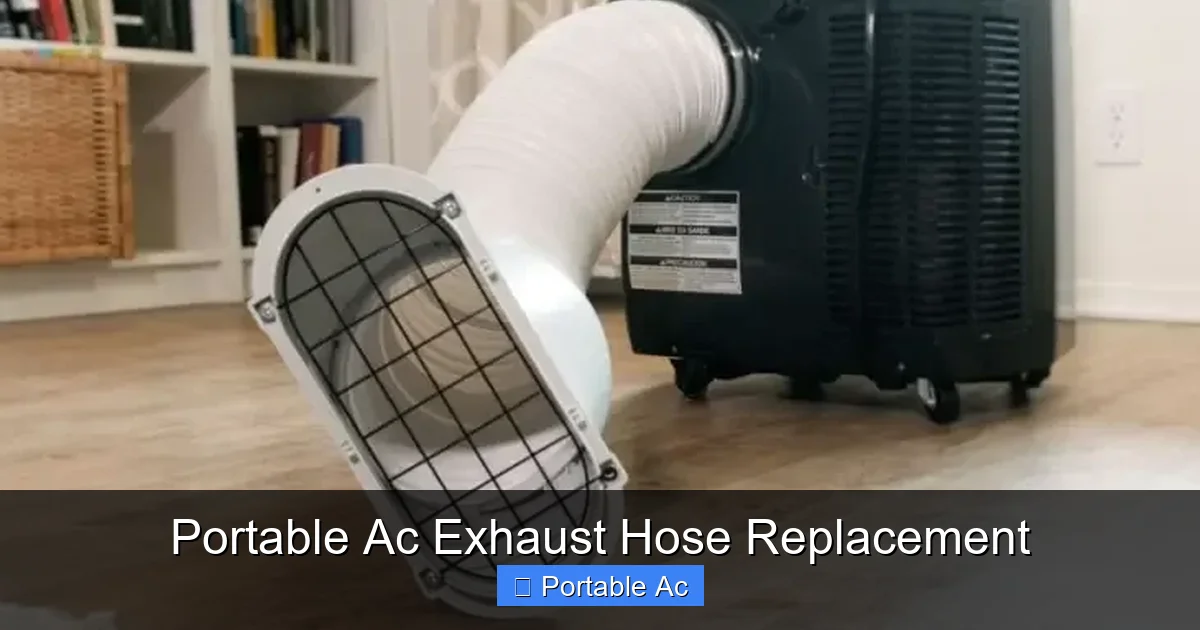
Replacing a portable AC exhaust hose is a simple DIY fix that can save you hundreds in repair costs and keep your cooling system running efficiently. Most hoses last 2–5 years, but wear, kinks, or poor installation often cause leaks and reduced performance. This guide walks you through every step—from identifying the right hose to safely removing the old one and installing a new exhaust hose for portable AC units.
Key Takeaways
- Know when to replace: Look for cracks, bulges, fraying, or persistent condensation around the hose connection points.
- Match specifications: Always use a replacement hose that matches your portable AC model’s diameter and length requirements.
- Safety first: Turn off the unit and unplug it before handling any internal or external components.
- Proper sealing: Use duct tape or clamps designed for HVAC systems to prevent air leaks at both ends of the hose.
- Test thoroughly: Run the AC for 15–30 minutes after installation to check for cool airflow and no warm spots along the hose.
- Prevent future issues: Insulate the hose if running through hot walls or windows to improve efficiency and reduce condensation.
- Consider alternatives: Some modern portable ACs use dual-hose systems or ventless designs—learn which suits your space best.
[FEATURED_IMAGE_PLACEHOLDER]
—
## Portable AC Exhaust Hose Replacement: A Complete Guide
If you’ve noticed your portable air conditioner isn’t cooling as well as it used to, or if you’re hearing strange hissing sounds near the exhaust vent, the problem might be your portable AC exhaust hose. Over time, these flexible tubes—essential for expelling hot air from inside your room—can degrade, kink, or develop leaks. Rather than rushing to call a technician or buying an entirely new unit, replacing the exhaust hose is often the smartest and most affordable solution.
In this detailed guide, we’ll walk you through everything you need to know about portable AC exhaust hose replacement, including how to spot signs of failure, choose the right replacement part, and install it like a pro. Whether you’re a DIY enthusiast or just tired of overpaying for repairs, this step-by-step approach will help you restore your portable AC’s performance quickly and safely.
### Why Your Portable AC Exhaust Hose Matters
The exhaust hose on your portable air conditioner plays a critical role: it carries heated, moist air from inside your room out through a window or wall opening. Without a properly functioning hose, that hot air gets trapped indoors, reducing cooling efficiency and potentially causing humidity buildup. A damaged or improperly fitted hose can also lead to:
– Reduced cooling power
– Increased energy bills
– Water leakage due to condensation
– Compressor strain (which shortens the unit’s lifespan)
Most manufacturers recommend inspecting the exhaust hose annually, especially before peak summer months. If you notice visible damage or suspect airflow issues, replacing the hose could be the difference between sweltering discomfort and comfortable relief.
—
## Signs It’s Time to Replace Your Portable AC Exhaust Hose
Not all hose problems are obvious at first glance. Here are five key indicators that it’s time for a portable AC exhaust hose replacement:
#### 1. Visible Damage or Wear
Check the hose for cracks, splits, bulges, or soft spots along its length. These usually occur near bends or where the hose connects to the unit or window kit. Frayed edges or peeling rubber are red flags.
#### 2. Poor Cooling Performance
If your room feels warmer than expected despite the AC running constantly, the exhaust hose may not be venting hot air effectively. Warm air escaping back into the room defeats the purpose of cooling.
#### 3. Unusual Noises
Hissing or whistling sounds coming from the hose area suggest air leaks. This not only lowers efficiency but can also indicate loose connections or gaps between the hose and the AC housing.
#### 4. Condensation Around Connections
Excessive moisture dripping from the hose joint or pooling underneath the unit signals improper sealing or insulation failure. This can promote mold growth and electrical hazards.
#### 5. Age of the Hose
Even without visible damage, most exhaust hoses have a lifespan of 2 to 5 years. Check your user manual for recommended replacement intervals—especially if your unit has been used heavily during heatwaves.
—
## Choosing the Right Replacement Hose
Buying the wrong hose is a common mistake. To avoid compatibility issues, follow these guidelines:
#### Measure Accurately
Use a measuring tape to determine:
– Internal diameter (usually 4 or 5 inches)
– Total length (from the AC outlet to the window kit)
– Number of bends (longer hoses may require support clips)
#### Match Your Model
Consult your portable AC’s manual or manufacturer website for OEM-approved hose specifications. Generic hoses may fit physically but lack proper airflow design or durability.
#### Consider Material Quality
Look for reinforced vinyl or foil-lined hoses resistant to UV light, temperature extremes, and crushing. Avoid thin plastic tubing that degrades quickly.
#### Check Accessories
Some kits include clamps, window adapters, or insulation sleeves. If yours is missing these, factor them into your total cost.
> Tip: Brands like Whynter, LG, Frigidaire, and Honeywell sell compatible replacement hoses directly. You can also find universal kits on Amazon or Home Depot that work with multiple models.
—
## Tools & Materials Needed
Before starting your portable AC exhaust hose replacement, gather these items:
– New exhaust hose (correct size and length)
– Duct tape (HVAC-grade preferred)
– Zip ties or hose clamps
– Screwdriver (if removing old hose clips)
– Scissors or utility knife
– Flashlight (for better visibility)
– Cleaning cloth
No special tools? That’s okay! Most replacements only require basic household items.
—
## Step-by-Step: How to Replace Your Portable AC Exhaust Hose
Follow this safe, easy process to swap out your old hose:
### Step 1: Power Down and Unplug
Safety comes first. Turn off your portable AC and unplug it from the wall. Let it sit for 10 minutes if it was recently running.
### Step 2: Remove the Old Hose
Locate the hose connector on the back of your unit. Gently twist counterclockwise to loosen, then pull the hose away. At the window end, disconnect the adapter by pressing release tabs (if present).
### Step 3: Inspect Connections
Clean both the AC outlet and window adapter with a dry cloth. Remove any debris or dust that might interfere with a tight seal.
### Step 4: Install the New Hose
Slide one end onto the AC outlet until it clicks into place. Repeat at the window side. For extra security, wrap duct tape around each joint.
### Step 5: Secure and Support
Use zip ties or clamps to fasten the hose to the wall or window frame. Avoid sharp bends—keep curves gentle and smooth.
### Step 6: Test the System
Plug in the unit, turn it on, and set it to cool mode. Listen for normal operation and check for cold air exiting the window. Feel along the hose for unexpected warmth or leaks.
—
## Pro Tips for Optimal Performance
Want your new hose to last longer and perform better? Try these expert tricks:
– Avoid kinking: Never fold the hose sharply. Use wide-radius curves when routing through walls.
– Insulate in hot areas: Wrap the hose in foam insulation if passing through unconditioned spaces like attics or garages.
– Seal gaps: Even small holes can waste 20% of cooling capacity—use silicone caulk for permanent fixes.
– Clean regularly: Wipe down the hose exterior monthly to prevent dust buildup that restricts airflow.
—
## When Not to DIY: Recognizing Complex Issues
While portable AC exhaust hose replacement is straightforward for most users, some situations call for professional help:
– The entire unit won’t start after hose removal
– Internal wiring appears damaged
– You smell burning or see sparks
– Multiple components are failing simultaneously
In those cases, consult a certified HVAC technician to avoid safety risks.
—
## Conclusion: Keep Cool Without Breaking the Bank
Replacing your portable AC exhaust hose isn’t rocket science—but it does require attention to detail and the right parts. By following this guide, you’ll extend your unit’s life, boost energy efficiency, and avoid costly service calls. Plus, you’ll gain confidence tackling other minor AC maintenance tasks yourself.
Remember: a well-maintained hose means stronger cooling, lower bills, and fewer headaches during hot weather. So next time you hear that faint hiss or feel warm air sneaking back into your room, don’t panic—grab that new hose and get to work!
For more tips on portable AC care, explore our guides on installing exhaust hoses or insulating your hose. And if you’re shopping for a new unit, check out our picks for dual-hose models that eliminate many common hose-related issues altogether.
—
### Quick Q&A
How long does a portable AC exhaust hose last?
Typically 2 to 5 years, depending on usage frequency and environmental conditions. Regular inspection helps catch wear early.
Can I use any hose for my portable AC?
Only if it matches the exact diameter and length specified for your model. Universal hoses may fit but can compromise performance.
What happens if I don’t replace a leaking hose?
You’ll lose cooling efficiency, risk water damage from condensation, and possibly overload the compressor due to restricted airflow.
Do I need special tools to replace the hose?
No—duct tape, scissors, and a screwdriver are usually enough. Advanced models may require clamps or adapters included in the replacement kit.
Is insulating the hose necessary?
Not always, but it’s highly recommended if the hose runs through warm or humid spaces like attics or sunlit walls.
—
### FAQs
Can I reuse my old window kit with a new hose?
Yes, if it’s still in good condition. Just ensure there are no cracks or warping that could create air leaks.
Will a longer hose affect cooling performance?
Potentially yes. Extra length increases resistance, so choose the shortest hose that reaches your vent without excessive bending.
How do I clean my portable AC exhaust hose?
Wipe the exterior with a damp cloth monthly. For deep cleaning, remove the hose and flush it with mild soap and water, then let it dry completely.
Are there portable ACs that don’t need an exhaust hose?
Yes! Evaporative coolers and some newer dual-hose models minimize hose dependency. Learn more about hose-free options here.
Where can I buy genuine replacement hoses?
Manufacturer websites, authorized dealers, or trusted retailers like Amazon carry OEM parts. Always verify compatibility before purchasing.
Should I replace both hoses if mine has two?
If only one shows damage, replace just that section. But if your model uses dual hoses and one fails, consider replacing both for balanced airflow.
This is a comprehensive guide about portable AC exhaust hose replacement.
Key Takeaways
- Understanding portable AC exhaust hose replacement: Provides essential knowledge
Quick Answers to Common Questions
What is portable AC exhaust hose replacement?
portable AC exhaust hose replacement refers to essential knowledge and techniques.
Frequently Asked Questions
What is portable AC exhaust hose replacement?
portable AC exhaust hose replacement is an important topic with many practical applications.
