
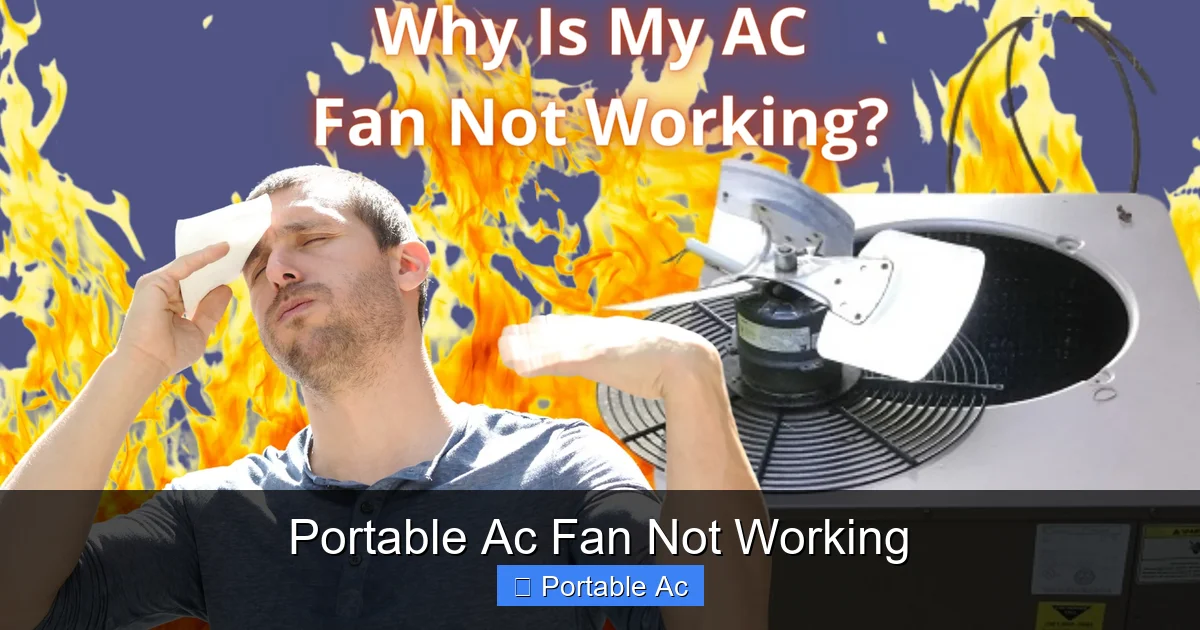
Is your portable AC fan not working and leaving you sweltering? This comprehensive guide walks you through common causes like clogged filters, faulty motors, or wiring issues. You’ll learn step-by-step diagnostics and easy repairs so you can get back to cool comfort fast. Whether it’s a simple reset or replacing a component, we’ve got practical solutions for every situation.
Have you ever stepped into a room expecting relief from summer heat, only to find your portable AC fan not working? It’s frustrating—especially when you’re counting on that cool breeze to make the day bearable. Portable air conditioners are supposed to be convenient, reliable cooling solutions, but sometimes things go wrong. The good news? Most common issues with portable AC fans have straightforward fixes you can try yourself without calling a technician.
In this detailed guide, we’ll walk through everything from basic troubleshooting to advanced repairs. Whether your unit won’t turn on at all, makes strange noises, spins slowly, or just blows warm air, we’ve got practical advice tailored for homeowners, renters, and anyone who relies on portable cooling. Let’s get that fan running again so you can enjoy comfortable temperatures all season long.
Key Takeaways
- Power Issues Are Often the Culprit: Check outlet functionality, power cords, and internal fuses before assuming motor failure.
- Clogged Filters Block Airflow: Dirty air filters restrict circulation and strain the motor—clean or replace them regularly.
- Fan Blades May Be Jammed or Loose: Inspect for obstructions, debris buildup, or misalignment that prevents rotation.
- Remote or Button Controls Might Be Faulty: Test manual controls and batteries; faulty remotes can mimic fan failure.
- Internal Components Like Capacitors or Motors Can Fail: These require professional assessment but may be repairable with guidance.
- Environmental Factors Matter: Extreme heat or high humidity can overload units not rated for those conditions.
- Regular Maintenance Prevents Future Breakdowns: Schedule monthly cleaning and annual inspections for optimal performance.
Quick Answers to Common Questions
Can a dirty filter cause my portable AC fan to stop working?
Yes—clogged filters severely restrict airflow, forcing the fan to overwork and potentially triggering automatic shutdowns as a safety feature.
How do I know if my portable AC motor has failed?
Signs include total silence despite power, burning smells, or visible damage inside the unit. If the fan doesn’t spin even after cleaning and resetting, the motor may need replacement.
Will resetting my portable AC fix fan issues?
Often yes. A hard reset (unplugging for 10 minutes) clears temporary software glitches in the control board and restores normal operation.
Is it safe to open my portable AC to inspect internal parts?
Only if you’re experienced with appliance repair. Improper handling can damage components or expose live wires—always unplug first and consult a professional if unsure.
Why does my portable AC fan run but blow warm air?
This usually indicates a refrigerant leak or blocked condenser coils, not a fan problem. The fan operates, but the cooling function has failed due to system issues.
📑 Table of Contents
Why Is My Portable AC Fan Not Working?
Before diving into fixes, it helps to understand what could cause your portable AC fan to stop functioning. Unlike full air conditioning units, portable ACs rely heavily on integrated fans to move cooled air throughout the room. When that fan stops spinning or behaves erratically, the entire system loses effectiveness—even if the compressor runs fine.
Common reasons include electrical problems, mechanical blockages, control malfunctions, or worn-out components. Many of these issues are simple to diagnose once you know where to look. In fact, up to 80% of “non-working” portable AC fans are resolved with basic maintenance or user-level adjustments.
Let’s break down the most frequent causes and how they impact performance.
1. Power Supply Problems
Sometimes the issue isn’t with the fan itself—it’s with electricity delivery. A loose connection, tripped circuit breaker, or defective power cord can prevent the fan from receiving power even if other parts seem functional.
Start by confirming your unit is plugged directly into a grounded outlet (not a surge protector or extension cord). Try plugging another device into the same outlet to verify it works. If the outlet powers other items, unplug the AC, inspect the cord for cuts or frays, and test again. Some models also have an internal fuse—check the owner’s manual for location and replacement instructions.
2. Clogged or Dirty Filters
Air filters trap dust, pet dander, and allergens—but over time, they become so packed that they restrict airflow. This forces the fan to work harder, often leading to overheating or complete shutdown as a safety measure.
Most portable ACs alert users when filters need cleaning via LED indicators or error codes. But even without warnings, a dirty filter is a likely suspect if the fan runs briefly then stops. Remove the filter panel (usually located near the front), rinse it under lukewarm water with mild soap, let it dry completely, and reinstall.
For best results, clean filters monthly during peak usage months. Neglecting this task not only affects fan operation but also reduces cooling efficiency and shortens unit lifespan.
3. Obstructed or Damaged Fan Blades
If debris like hair, lint, or small objects gets sucked into the fan housing, it can jam the blades or throw off balance. You might hear grinding noises or see uneven spinning. Sometimes the blades themselves loosen due to vibration or aging.
Shut off and unplug the unit first. Carefully remove the front grille and visually inspect the fan assembly. Use compressed air or a soft brush to clear out any visible dirt. Tighten mounting screws if blades appear loose. Never force moving parts—if a blade is cracked or warped, it should be replaced.
Regular vacuuming around the intake vents helps prevent future blockages. Also, avoid placing the unit too close to curtains, rugs, or furniture where loose fibers could enter.
4. Control Panel or Remote Malfunctions
It’s surprising how often users assume the fan isn’t working because they press buttons or use the remote—only to discover the issue lies elsewhere. Dead batteries, dirty touch sensors, or software glitches can disable functions even when the motor is fine.
Try operating the unit manually using physical buttons on the control panel (if available). Replace remote batteries with fresh ones and point the remote directly at the sensor. If the unit responds to manual controls but not the remote, the problem is isolated to the transmitter or receiver circuitry.
Some newer models feature smart controls that may require app updates or factory resets. Consult your manual for reset procedures specific to your model.
5. Internal Motor or Component Failure
After ruling out external causes, consider whether internal parts have failed. Over time, motors experience wear, capacitors degrade, or wiring connections corrode. These issues usually require disassembly and testing—something best handled with guidance.
Signs of internal failure include burning smells, smoke, or total silence despite power being supplied. In such cases, consult a certified technician unless you’re experienced with appliance repair. Attempting complex repairs without proper tools risks further damage or injury.
However, if your unit is still under warranty, contact the manufacturer—they may cover repairs or offer replacement units.
Step-by-Step Troubleshooting Guide
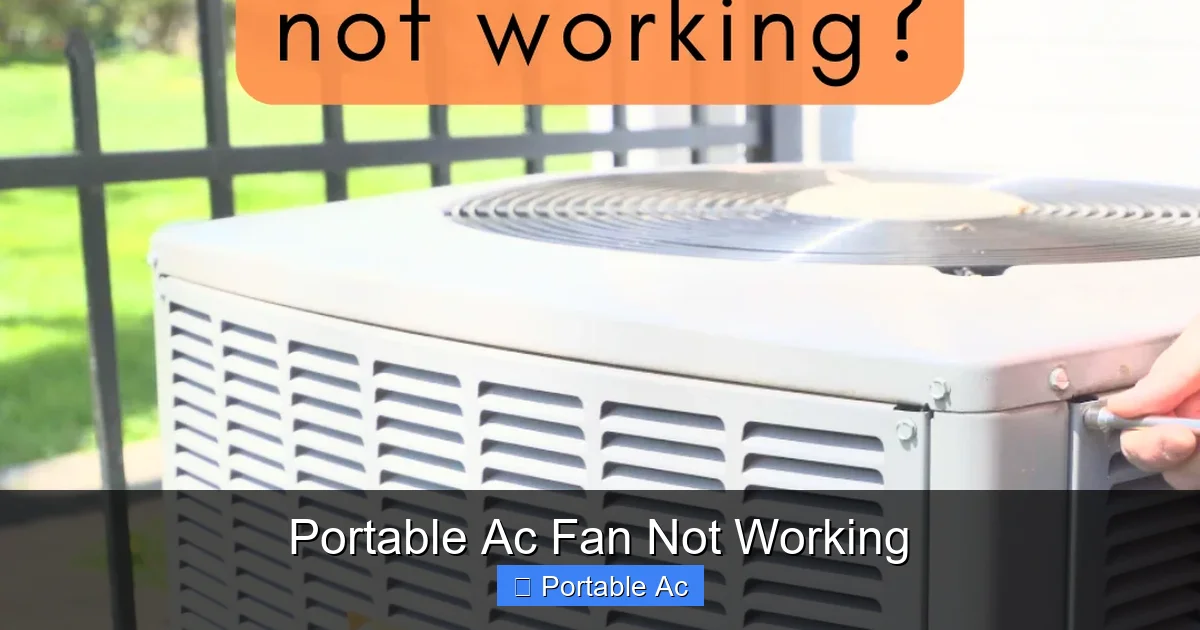
Visual guide about Portable Ac Fan Not Working
Image source: myqualitycomfort.com
Now that you understand possible causes, let’s tackle a systematic approach to diagnosing and fixing your portable AC fan. Follow these steps in order—you’ll likely resolve the issue before reaching the end.
Step 1: Verify Power Source
Begin by checking whether your outlet delivers consistent electricity. Plug in a lamp or phone charger to confirm it works. Then, ensure your portable AC is firmly seated in the outlet and the power switch (on the unit or remote) is turned on. Some models have a standby mode—press the “Power” button twice to wake it up.
Step 2: Inspect the Air Filter
Remove and examine the filter. If it’s visibly dusty or wet, clean or replace it. Allow cleaned filters to air-dry completely before reinserting—moisture can cause mold growth inside the unit.
Step 3: Listen for Unusual Noises
Turn the unit on and listen closely. Grinding, buzzing, or rattling sounds indicate mechanical problems. If you hear these, shut off the unit immediately to prevent further damage.
Step 4: Test Manual Controls
Use the physical buttons instead of the remote. If the fan responds, focus on remote battery replacement or sensor cleaning. If not, proceed to internal inspection.
Step 5: Open the Unit (If Comfortable)
Only attempt this if you’re confident in your ability to handle small electronics. Unplug the unit, remove panels per the manual, and check for loose wires, burnt marks, or disconnected fan connectors. Reconnect anything obvious and reassemble carefully.
Step 6: Reset the System
Many portable ACs benefit from a hard reset. Unplug for 5–10 minutes, then plug back in. This clears temporary glitches in the control board. After resetting, wait 30 seconds before turning the unit on.
By following these steps methodically, you’ll either fix the problem or gather enough information to seek professional help confidently.
Preventive Maintenance Tips
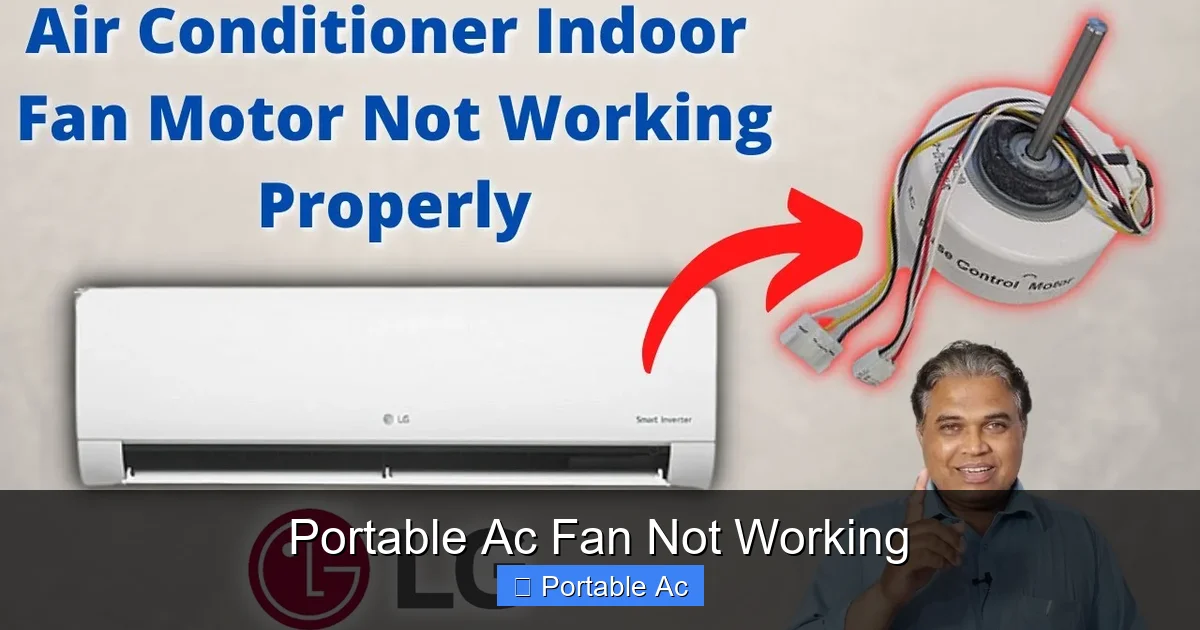
Visual guide about Portable Ac Fan Not Working
Image source: i.ytimg.com
Avoid future frustrations by establishing a routine maintenance schedule. Think of it like regular car oil changes—small efforts prevent major breakdowns.
Monthly Tasks
- Vacuum intake/exhaust vents to remove dust buildup
- Clean or replace air filters
- Wipe exterior surfaces with a damp cloth
Quarterly Tasks
- Inspect fan blades for cracks or imbalance
- Check hose connections (for vented models) for leaks
- Test remote responsiveness and button functionality
Annually
- Schedule professional servicing if applicable
- Verify refrigerant levels (if qualified to do so)
- Review user manual for model-specific care instructions
Also, position your portable AC away from direct sunlight, heat sources, and drafts. Proper placement improves airflow and reduces strain on the fan and compressor.
When to Call a Professional
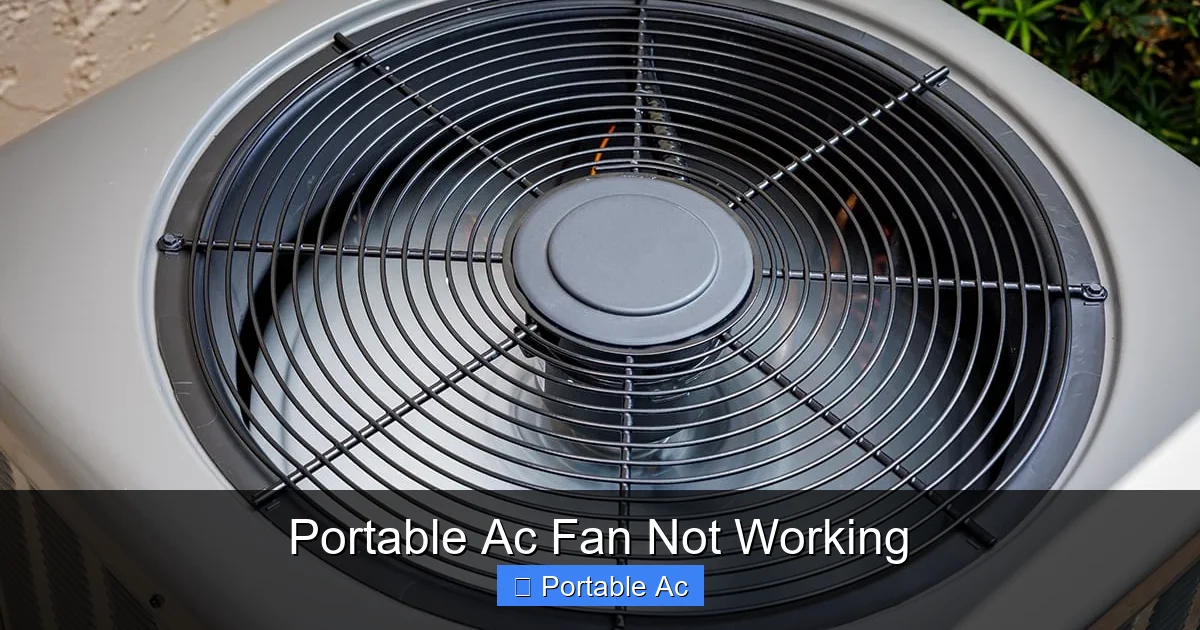
Visual guide about Portable Ac Fan Not Working
Image source: hvacseer.com
While DIY fixes solve most fan issues, some situations demand expert intervention:
– Persistent burning odors or smoke
– Water leakage unrelated to condensation trays
– Compressor clicking without cooling
– Error codes displayed on digital panels
– Units older than 5 years with recurring failures
Attempting repairs beyond your skill level can void warranties or create safety hazards. Always prioritize caution—better safe than sorry when dealing with electrical appliances.
For trusted service providers, consider brands known for reliability like LG, Frigidaire, or Honeywell. Their support teams often provide free diagnostic consultations.
Upgrading vs. Repairing Your Portable AC
If your portable AC frequently fails despite diligent maintenance, evaluate whether repair makes sense financially. Newer models offer improved energy efficiency, quieter operation, and smarter features like Wi-Fi connectivity and sleep timers.
Compare the cost of parts and labor against the price of a new unit. If yours is more than 7–10 years old, upgrading may be wiser. Plus, modern portable ACs often include better warranties and customer support.
Before purchasing, read our guides on best portable ACs under $500 and best value portable ACs for money to find options matching your needs and budget.
Frequently Asked Questions
How often should I clean my portable AC filter?
Clean or replace the filter every 1–2 weeks during heavy use, and monthly during lighter periods. Neglecting this leads to poor airflow and fan strain.
Can I use compressed air to clean my portable AC fan?
Yes, but use low pressure and keep the nozzle moving to avoid damaging delicate fins or blades. Avoid spraying moisture into electrical components.
What happens if I ignore a non-working fan on my portable AC?
The unit may overheat, reduce lifespan, or develop secondary issues like mold from stagnant air. Always address fan problems promptly.
Are portable AC fans replaceable by users?
In many cases, yes—but only after identifying root causes like clogs or loose connections. Replacement requires technical skill and compatible parts.
Does warranty coverage apply if my fan fails due to improper cleaning?
Typically no—manufacturers exclude damage from misuse or lack of maintenance. Keep records of cleaning schedules to protect your claim rights.
How long should a portable AC fan last before showing signs of wear?
With proper care, fans typically operate smoothly for 5–7 years. Beyond that, gradual performance decline is normal and may signal impending failure.
