
Portable AC hose condensation is a common issue caused by moisture buildup in the exhaust hose. This can lead to water leaks, mold growth, and reduced efficiency. The good news? Most problems are fixable with simple steps like proper hose insulation, correct positioning, and routine maintenance. Understanding how condensation forms and knowing the right solutions helps keep your space cool and dry.
Key Takeaways
- Condensation forms due to temperature differences: When warm, humid air inside the AC unit meets the cooler exhaust hose, moisture condenses and drips.
- Improper hose installation causes leaks: If the hose isn’t angled correctly or isn’t sealed well, water can escape instead of draining properly.
- Insulation prevents condensation buildup: Wrapping the hose with foam or thermal tape reduces temperature variation and minimizes dripping.
- Using a dual-hose system reduces condensation: Unlike single-hose models, dual-hose portable ACs balance air pressure and cut down on moisture issues.
- Regular cleaning prevents blockages: Dirty filters or clogged hoses restrict airflow, increasing condensation risks.
- Drainage design matters: Some models include built-in drip trays or auto-shutoff for overflow protection.
- Environmental factors play a role: High humidity or poor ventilation worsen condensation problems.
Quick Answers to Common Questions
Why is my portable AC hose dripping water?
It’s usually condensation—warm, moist air from the AC cools in the hose, turning into liquid. This is normal but can be managed with insulation and proper installation.
Is dripping from the hose dangerous?
Not if it’s just condensation, but excessive dripping may indicate poor installation or a blocked drain. It can also lead to mold or water damage over time.
Can I prevent condensation by just insulating the hose?
Yes! Wrapping the hose in foam insulation is one of the easiest and most effective ways to reduce condensation, especially in humid environments.
Do all portable ACs have the same condensation issue?
No. Dual-hose models produce less condensation because they don’t rely on negative pressure. Single-hose units are more prone to moisture buildup.
How often should I clean my portable AC hose?
At least once a month, or more often if you live in a dusty or humid area. Use a vacuum or soft brush to remove debris from intake and exhaust ports.
📑 Table of Contents
Why Your Portable AC Hose Is Dripping: Understanding Condensation
Have you ever seen a steady drip coming from your portable air conditioner’s exhaust hose? You’re not alone. This dripping—often mistaken for a leak or malfunction—is actually condensation, and it’s completely normal under certain conditions. But when it becomes excessive or starts leaking inside your home, it’s time to take action.
Portable AC units work by pulling warm, humid air from your room, cooling it, and expelling the heat and moisture through the exhaust hose. As the hot, moist air exits the unit, it meets the cooler surface of the plastic hose. This sudden temperature change causes water vapor to condense into liquid—just like when breath fogs up a cold window. The result? Dripping water along the hose, especially at joints or bends.
While some dripping is expected, too much can signal installation issues, poor insulation, or environmental factors. The key is knowing what’s normal and what’s not. In this guide, we’ll walk you through the science behind portable AC hose condensation, why it happens, and—most importantly—how to stop it from becoming a problem.
What Causes Portable AC Hose Condensation?
Understanding the root causes helps you address the issue at its source. Let’s break down the main reasons why your portable AC hose might be dripping.
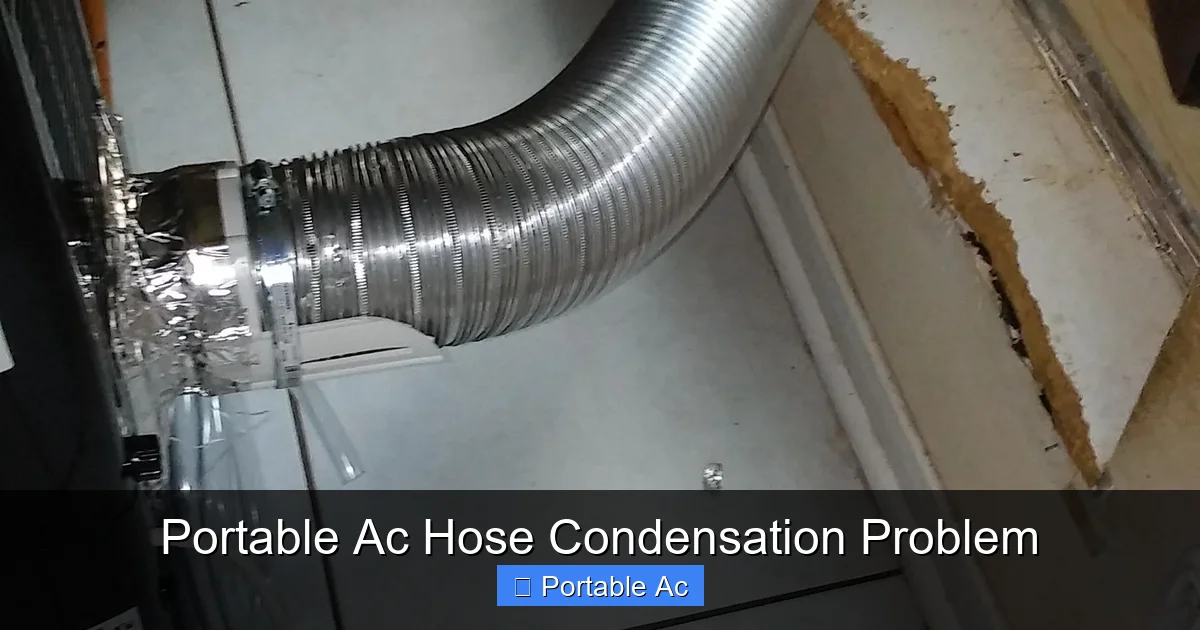
Visual guide about Portable Ac Hose Condensation Problem
Image source: i.stack.imgur.com
Temperature Difference Between Air and Hose
The primary cause of condensation is the temperature gap between the warm air leaving the AC unit and the cooler surface of the exhaust hose. When the hose isn’t insulated, it acts like a cold surface in a humid room, causing moisture to form.
For example, if your outdoor temperature is 90°F and your AC is set to 72°F, the air being expelled may still be around 80°F. But if the hose has cooled down to 60°F due to outdoor conditions, the temperature difference creates ideal conditions for condensation.
High Humidity Levels
Humid environments make condensation worse. In places like basements, coastal areas, or during monsoon season, the air contains more moisture. When this humid air passes through the hose, more water vapor is available to condense.
This is why you might notice more dripping during summer months or in poorly ventilated rooms. High humidity increases the workload on your AC, leading to more moisture production and, consequently, more condensation.
Improper Hose Installation
Even the best-designed AC can fail if the hose isn’t installed correctly. A poorly positioned hose—especially one that sags or has sharp bends—can trap water and cause it to back up or leak.
For instance, if the hose slopes upward instead of draining downward toward the exhaust window, water won’t flow freely. Instead, it pools at bends and drips back into the room.
Uninsulated or Thin-Walled Hoses
Cheap or low-quality hoses are often made of thin plastic that cools quickly when exposed to outdoor air. Without insulation, these hoses lose heat rapidly, creating cold spots where condensation forms.
Upgrading to a thicker, insulated hose or wrapping your existing hose with foam tape can dramatically reduce this problem.
How to Fix Portable AC Hose Condensation
Good news: most condensation issues are fixable with simple adjustments and maintenance. Here’s how to tackle the problem step by step.
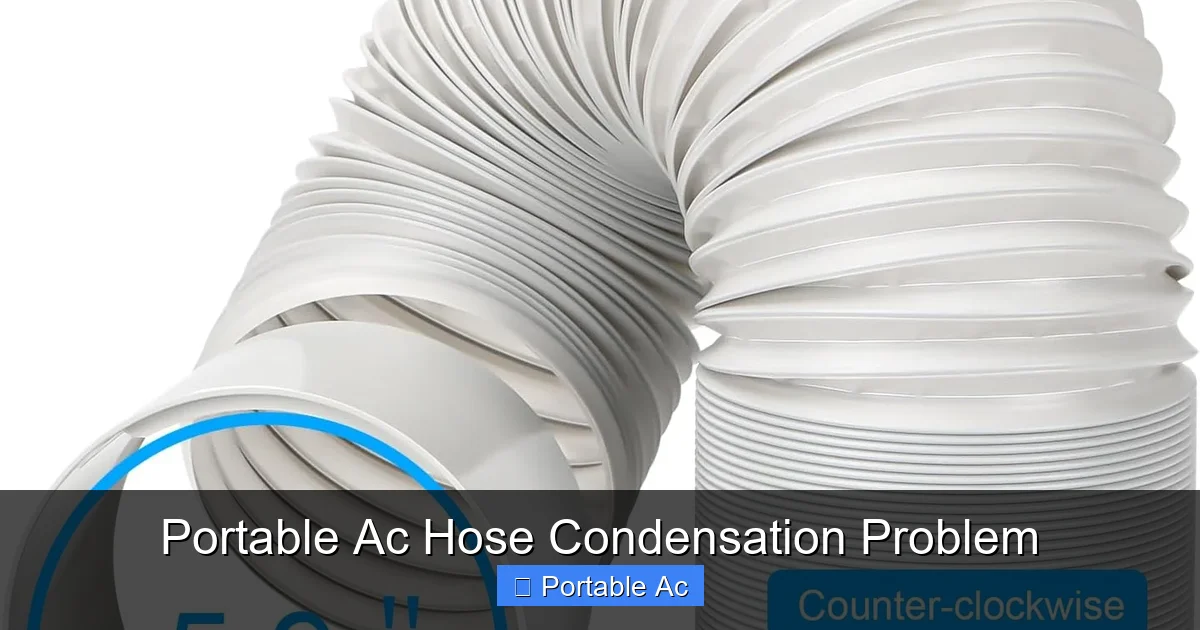
Visual guide about Portable Ac Hose Condensation Problem
Image source: m.media-amazon.com
Insulate the Exhaust Hose
One of the most effective solutions is insulating the hose. Use foam pipe insulation or thermal tape to wrap the entire length of the hose, especially near joints and bends.
Insulation keeps the hose at a consistent temperature, reducing the chance of condensation forming. It’s a low-cost fix that can make a big difference—especially in humid climates.
Ensure Proper Hose Angling
Make sure the hose slopes slightly downward from the AC unit to the exhaust window. Even a small incline helps water drain properly instead of pooling.
For example, if your window has a standard opening, use a universal window kit that allows for smooth, uninterrupted airflow and drainage.
Use a Dual-Hose System
If your portable AC has a single hose, consider upgrading to a model with a dual-hose system. These units pull in fresh air from outside while exhausting only cooled air—balancing pressure and reducing condensation.
Dual-hose models are especially helpful in small rooms or spaces with poor ventilation. They’re also quieter and more energy-efficient.
Clean the Hose and Filter Regularly
Clogged filters or blocked hoses restrict airflow, causing the AC to work harder and produce more moisture. A dirty filter also reduces cooling efficiency, leading to higher humidity inside the room.
Clean or replace your filter every 2–4 weeks, and vacuum out any debris from the hose intake and exhaust ports.
Install a Drainage Tray or Catch Pan
Place a shallow pan or towel under the hose outlet to catch any accidental drips. This is especially useful if you’re using an older model without a built-in drip tray.
Some advanced units come with automatic shutoff sensors that stop the compressor if water levels get too high—look for models with this feature.
Preventing Condensation Before It Happens
Prevention is always better than cleanup. Here’s how to keep condensation under control before it becomes a recurring issue.
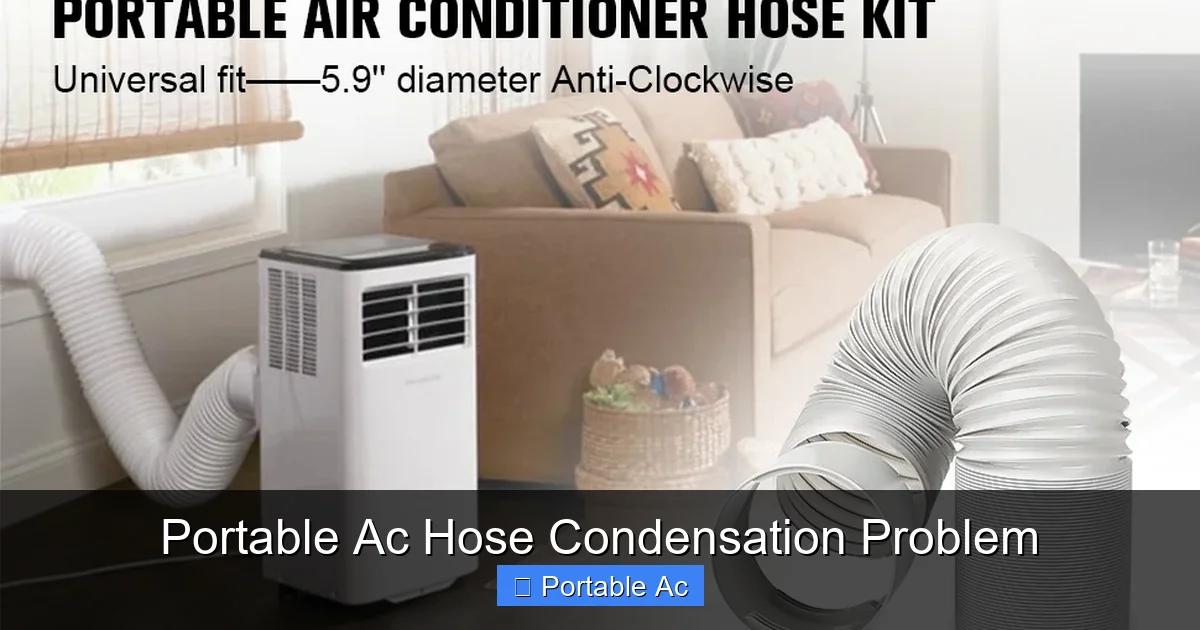
Visual guide about Portable Ac Hose Condensation Problem
Image source: m.media-amazon.com
Choose the Right Portable AC for Your Space
Not all portable ACs are created equal. If you live in a humid area or have a room without a window, consider investing in a model designed for tough conditions.
For example, best portable AC for coastal areas often include enhanced insulation and corrosion-resistant parts. Similarly, tropical weather models handle high humidity better than standard units.
Use a Dehumidifier Alongside Your AC
Running a dehumidifier in the same room reduces indoor humidity, which in turn lowers the amount of moisture your AC has to remove. This reduces condensation on the hose.
It’s a smart pairing—especially in basements, laundry rooms, or during rainy seasons.
Maintain Consistent Room Temperature
Large temperature swings between day and night can increase condensation. Try to keep your AC at a steady 72–76°F. Avoid setting it too low, as this forces the unit to cycle more and produce more moisture.
Seal Gaps Around the Hose
Air leaks around the hose connection can cool the surrounding area, promoting condensation. Use weatherstripping or silicone sealant to close any gaps between the hose and window frame.
When to Call a Professional
While most condensation issues are DIY-friendly, there are times when you should seek expert help.
If you notice mold growing near the hose, water pooling inside the unit, or the AC repeatedly shutting off due to water detection, there may be a deeper problem—like a cracked heat exchanger or faulty internal drain line.
Also, if you’re unsure how to safely inspect internal components, it’s best to contact a licensed HVAC technician. They can diagnose hidden issues and ensure your unit is operating safely and efficiently.
Conclusion: Stay Cool and Dry
Portable AC hose condensation is more common than you think—and while it can be annoying, it’s rarely a sign of a serious malfunction. By understanding how it forms and applying the right fixes, you can keep your space cool, dry, and comfortable.
Remember: insulation, proper installation, and regular maintenance are your best defenses. And if you’re in the market for a new unit, consider models with dual hoses or advanced drainage systems to minimize future issues.
Whether you’re cooling a small apartment or a large living room, a well-maintained portable AC can make all the difference. Stay informed, stay proactive, and enjoy the cool breeze—without the drip.
Frequently Asked Questions
Why is my portable AC hose leaking water inside the room?
Water leaks usually happen when the hose isn’t draining properly—often due to incorrect angling or blockages. Check the slope and ensure the exhaust window is sealed tightly.
Can high humidity cause more condensation on my AC hose?
Yes. High humidity means more moisture in the air, which your AC must remove. This increases the amount of condensation forming in the exhaust hose.
Is it normal for a portable AC to drip a little water?
Yes, a small amount of dripping is normal due to condensation. However, if it’s a steady stream or dripping inside your home, you may need to adjust the hose or add insulation.
How do I stop my portable AC from dripping?
Try insulating the hose, ensuring it slopes downward, cleaning the filter, and checking for blockages. Upgrading to a dual-hose model can also help.
Can I use towels to catch condensation from the hose?
Yes, placing a towel or shallow pan under the hose outlet can catch drips temporarily. But for a long-term fix, address the root cause—like poor insulation or installation.
Does a dual-hose portable AC reduce condensation?
Yes. Dual-hose units draw in fresh air from outside while exhausting only cooled air, balancing pressure and reducing the moisture buildup seen in single-hose models.
