
Portable AC humidity control is essential for comfort and health in humid climates. This guide shares practical tips to manage moisture, prevent mold, and keep your space cool without overworking your unit. You’ll learn how proper ventilation, smart settings, and maintenance boost performance while saving energy. Whether you’re in a tropical area or just dealing with summer dampness, these steps help you breathe easier and stay cool.
Living in a humid climate doesn’t have to mean sticky, uncomfortable rooms. With the right portable AC humidity control strategies, you can enjoy a drier, more comfortable environment without breaking the bank on energy bills. Portable air conditioners are fantastic for spot cooling, but many people overlook their role in managing indoor moisture. When humidity runs high, it’s not just uncomfortable—it can lead to mold growth, musty odors, and even health issues like allergies or respiratory problems. The good news? Your portable AC can do more than just cool the air. By understanding how it removes moisture and applying simple habits, you can take full advantage of its dual function: cooling and dehumidifying.
Most portable ACs work by drawing in warm, humid air, cooling it through an evaporator coil, and then releasing drier air back into the room. As the air passes over the cold coil, water vapor condenses into droplets, which are collected and drained away—either automatically or manually, depending on the model. This process naturally lowers humidity, but only if your unit is working efficiently. That’s where smart usage comes in. Whether you’re using your portable AC in a basement, bedroom, or office, these humidity control tips will help you get the most out of your investment.
Key Takeaways
- Use dehumidification modes: Many portable ACs include built-in dehumidifiers. Activate this mode during humid days to remove excess moisture without cooling the whole room aggressively.
- Maintain proper airflow: Keep vents unobstructed and ensure the exhaust hose exits through a window. Good airflow helps your portable AC remove humidity more efficiently.
- Control indoor humidity levels: Aim for 40–60% relative humidity. Use hygrometers to monitor levels and adjust settings accordingly.
- Seal air leaks: Close windows, doors, and cracks to prevent humid outdoor air from entering. This reduces the load on your portable AC and improves humidity control.
- Regularly clean filters: Clogged filters restrict airflow and reduce cooling efficiency. Clean or replace them monthly to support better humidity removal.
- Consider external dehumidifiers: For extreme humidity, supplement your portable AC with a standalone dehumidifier in high-moisture areas like basements or bathrooms.
- Time your use wisely: Run your portable AC during cooler parts of the day (early morning or evening) to maximize efficiency and minimize humidity buildup.
Quick Answers to Common Questions
Can a portable AC reduce indoor humidity?
Yes, portable ACs naturally remove moisture from the air through condensation. Using dry or dehumidify mode enhances this effect, helping lower indoor humidity levels.
How often should I clean my portable AC filter?
Clean the filter every two weeks during heavy use. A dirty filter restricts airflow, reducing both cooling and dehumidification efficiency.
Do I need a special hose for humidity control?
No special hose is needed, but ensure the standard exhaust hose is unblocked and properly routed. A kinked or clogged hose reduces performance.
Is it okay to run my portable AC continuously?
It’s generally safe to run continuously, but avoid frequent on/off cycles. Continuous use is more efficient for humidity control if the unit is sized correctly for the room.
Can I use a fan to improve humidity control?
Yes! Fans help circulate cool, dry air from your portable AC, preventing stagnant pockets of humid air and improving overall comfort.
📑 Table of Contents
Understanding How Portable ACs Manage Humidity
Before diving into tips, it’s helpful to understand the science behind humidity removal. Your portable AC pulls in warm air from inside the room. As that air moves across the cooling coils, the temperature drops. Cool air holds less moisture than warm air, so the extra humidity condenses into water. This water is then pumped out through a drain hose or collected in a tank that needs emptying.
This condensation process is key to reducing indoor humidity. However, the amount of moisture removed depends on several factors: the size of the room, the AC’s capacity, how well it’s maintained, and how much humid air enters the space. In high-humidity environments—like coastal areas or monsoon seasons—your portable AC may struggle to keep up if not used properly. That’s why pairing your unit with smart habits makes all the difference.
The Role of the Exhaust Hose
One of the most overlooked aspects of portable AC humidity control is the exhaust hose. This hose carries hot, moist air and heat from inside the room to the outside. If it’s kinked, blocked, or improperly routed, your AC can’t expel waste heat effectively. This causes the system to work harder, reducing both cooling and dehumidification performance.
Make sure your exhaust hose is straight, fully extended, and securely connected to both the unit and the window kit. Some models come with dual-hose systems that improve efficiency—consider upgrading if you live in a very humid area. For rooms without a suitable window, look into portable ACs designed for windowless setups, such as those with rear-exit hoses or innovative ventless designs.
Optimizing Settings for Humidity Control
Visual guide about Portable Ac Humidity Control Tips
Image source: tokayair.com
Your portable AC isn’t a one-size-fits-all device. Adjusting the settings based on the weather and room conditions can dramatically improve humidity control. Start by selecting the right mode. Most modern units offer “Dry” or “Dehumidify” mode, which prioritizes moisture removal over rapid cooling. This is especially useful on mild, humid days when you don’t need intense cold but want relief from dampness.
Another setting to explore is fan speed. Running the fan at medium or low speeds allows more time for moisture to condense on the coils. High-speed fans blow air too quickly, reducing contact time and limiting dehumidification. Also, avoid turning your AC off and on frequently. Frequent cycling wastes energy and disrupts the condensation process.
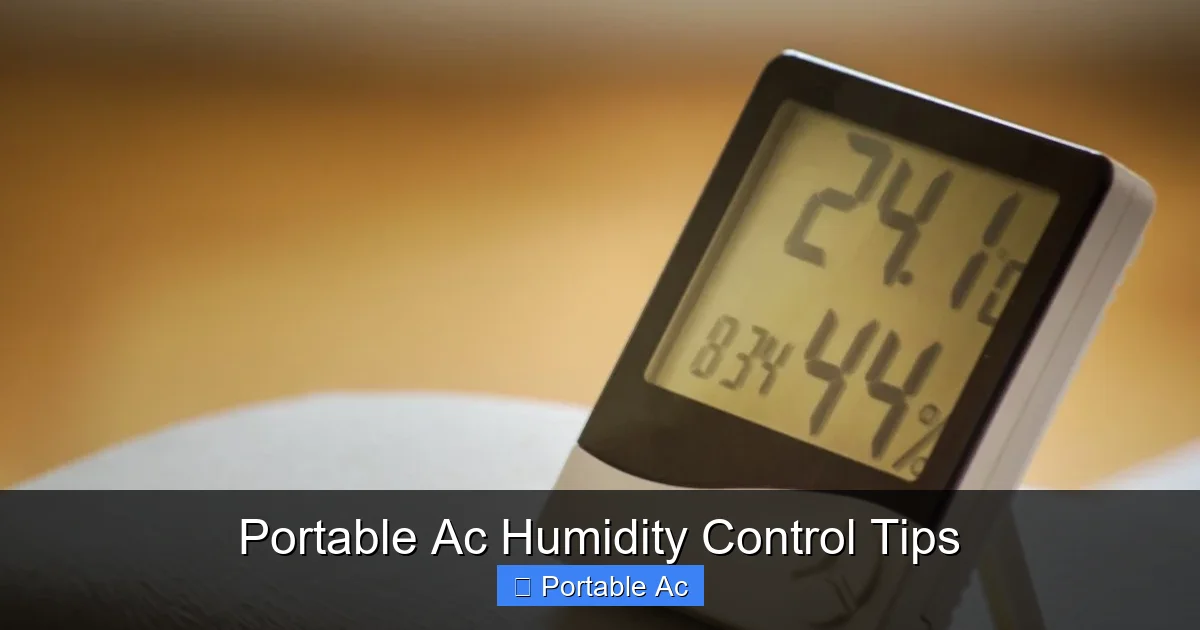
For added precision, pair your portable AC with a hygrometer—a simple digital device that measures relative humidity. Aim to keep indoor humidity between 40% and 60%. Anything above 65% encourages mold and discomfort, while below 30% can dry out skin and irritate lungs. With a hygrometer, you can fine-tune your AC’s operation and maintain ideal comfort levels year-round.
Energy-Efficient Cooling Strategies
Running your portable AC nonstop during peak humidity hours can strain the unit and spike your electricity bill. Instead, adopt energy-efficient practices that support humidity control without overburdening your system. One effective method is to cool the room gradually. Set your AC a few degrees lower than desired, then use fans to circulate the air. Fans enhance evaporative cooling, making the room feel cooler without lowering the thermostat further.
Another tip is to use your portable AC during cooler parts of the day. Early mornings and evenings often have lower outdoor humidity levels, so running your unit then helps reduce indoor moisture more efficiently. Combine this with closing blinds or curtains during the hottest part of the day to block solar heat gain—this keeps your room cooler and reduces the load on your AC.
If you’re looking for ways to cut power consumption, consider investing in a programmable timer. This lets you schedule cooling during optimal times, ensuring your space is comfortable when you need it most. Pairing this with smart plugs or voice assistants can add convenience and control. For those seeking maximum savings, check out our guide on best portable AC that saves electricity for top-rated models with excellent energy ratings.
Ventilation and Airflow Best Practices
Visual guide about Portable Ac Humidity Control Tips
Image source: alsairandheating.com
Good airflow isn’t just about comfort—it’s critical for effective humidity control. Without proper air movement, cool, dry air gets trapped near the floor or ceiling, leaving pockets of warm, moist air untouched. To fix this, position your portable AC near an open door or use oscillating fans to mix the air.
Also, make sure the room isn’t sealed off too tightly. While sealing leaks is important, completely blocking airflow can trap humidity indoors. Strike a balance: close windows and doors when running your AC, but allow some cross-ventilation if possible. In humid climates, using exhaust fans in kitchens and bathrooms helps remove moisture before it spreads throughout the home.
If you live in a city apartment or compact space, airflow can be tricky. Consider upgrading to a portable AC designed for small rooms. These units often have better circulation patterns and quieter operation. For more on choosing the right model, see our article on best portable AC for compact spaces.
Room Preparation Tips
Getting your room ready before running the AC can make a big difference. Start by identifying and fixing air leaks around windows and doors. Even small gaps let in humid air, forcing your AC to work harder. Use weatherstripping or door sweeps for quick fixes.
Next, declutter the area around the AC. Furniture, curtains, or rugs blocking vents disrupt airflow and reduce efficiency. Place your portable AC on a flat, level surface with at least 12 inches of clearance on all sides. Elevating it slightly—using a stand or shelf—can also improve intake and exhaust flow.
Finally, assess the humidity sources in your room. Do you have houseplants, laundry drying inside, or frequent cooking? These activities add moisture. Try to relocate plants, use a clothes dryer with a vent, or run a small dehumidifier in the bathroom. Controlling the source of humidity is always more effective than chasing it after the fact.
Maintenance for Peak Performance
Visual guide about Portable Ac Humidity Control Tips
Image source: d165p7atgg4icx.cloudfront.net
Even the best portable AC loses efficiency over time without proper care. Regular maintenance ensures consistent humidity control and extends the life of your unit. Begin by cleaning the air filter every two weeks during heavy use. Dust and debris clogging the filter restrict airflow, reducing both cooling and dehumidification.
Beyond the filter, wipe down the exterior and check the drain pan for mold or algae buildup. If you notice a musty smell, it’s likely time for a deeper clean. We recommend using a mild vinegar solution to sanitize internal components—never spray water directly into the vents.
Drainage is another critical area. If your model uses a continuous drain system, ensure the hose is clear and properly angled outward. For tank-based units, empty the collection bucket regularly to prevent overflow and interruptions. Some advanced models feature auto-evaporate systems that dispose of water without manual intervention, making maintenance easier.
For a comprehensive cleaning routine, consider investing in a portable AC cleaning kit. These kits usually include brushes, nozzles, and disinfectants designed specifically for AC units. A clean machine runs cleaner, removes moisture more effectively, and smells fresher.
Seasonal Maintenance Checklist
At the start of each cooling season, perform a full inspection:
- Inspect the exhaust hose for cracks or kinks
- Test the remote control and buttons
- Check the wheels and casters for smooth movement
- Verify the window seal fits snugly
- Run the unit for 10 minutes to check for unusual sounds
After heavy use—say, during a heatwave—recheck the filter and drain system. If you notice reduced airflow or higher-than-usual humidity levels, it’s time for a deep clean. Neglecting maintenance can lead to poor performance, higher energy bills, and premature wear.
Supplementing with Dehumidifiers
While your portable AC does a great job removing moisture, it’s not designed to handle extreme humidity alone. In basements, bathrooms, or coastal homes, consider adding a dedicated dehumidifier. These devices pull moisture directly from the air and are especially effective in small, enclosed spaces.
Choose a dehumidifier with a built-in humidistat for automatic operation. This way, it turns on only when needed, saving energy. Place it near the source of humidity—like a washing machine or shower—and run it alongside your portable AC. Together, they create a powerful duo for managing indoor moisture.
Just remember: don’t rely solely on your AC in very humid conditions. Overworking it leads to short-cycling, higher costs, and potential breakdowns. For tropical or monsoon-prone regions, pairing your portable AC with a dehumidifier is a smart, long-term strategy.
When to Use Each Device
| Situation | Recommended Action |
|———|——————-|
| Mild humidity, occasional use | Use portable AC with dry mode |
| High humidity, daily use | Add a dehumidifier in problem areas |
| No window access | Choose a ventless portable AC or use a dehumidifier |
| Small, enclosed space | Prioritize a compact dehumidifier over a large AC |
By matching the right tool to the job, you’ll achieve better results and protect your equipment.
Choosing the Right Portable AC for Humidity Control
Not all portable ACs are created equal when it comes to humidity management. Look for models with high energy efficiency ratings (like ENERGY STAR certification), dual-hose systems, and strong dehumidification specs. Units with larger capacities may remove more moisture but consume more power—so balance performance with your needs.
For city apartments or small homes, compact models with quiet operation and easy setup are ideal. If you’re in a tropical region, consider a portable AC designed for high humidity, such as those with corrosion-resistant coils or enhanced drainage systems. Our guide to best portable AC for tropical weather highlights top performers in damp climates.
Always read customer reviews focusing on humidity performance. Some users report that certain brands handle moisture better than others, even at similar price points. And don’t forget to check warranty coverage—reliable brands offer peace of mind and better long-term value.
Features to Prioritize
When shopping, focus on these features for optimal humidity control:
- Dehumidify mode: Essential for moisture-focused operation
- Auto-drain capability: Reduces manual maintenance
- Remote control & timer: Enables scheduled, efficient use
- Low noise levels: Allows nighttime use without disturbance
- Energy-saving modes: Lowers operating costs and strain
These features make your portable AC smarter, safer, and more effective at managing humidity.
Frequently Asked Questions
How does a portable AC remove humidity?
Portable ACs cool warm air, causing moisture to condense on cold coils. This water is collected and drained, effectively reducing indoor humidity. Proper airflow and maintenance are key to maximizing this process.
Should I buy a dehumidifier instead of a portable AC?
It depends on your needs. Portable ACs cool and dehumidify, while dehumidifiers only remove moisture. In hot, humid climates, a portable AC is usually more effective for comfort.
What humidity level is ideal for indoor comfort?
Aim for 40–60% relative humidity. Levels above 65% promote mold and discomfort, while below 30% can cause dry skin and respiratory irritation.
Can I improve my portable AC’s humidity control without buying new equipment?
Absolutely. Simple changes like sealing leaks, cleaning filters, using fans, and running the AC during cooler hours can significantly boost humidity control without additional cost.
Are dual-hose portable ACs better for humidity?
Yes, dual-hose models pull air from outside, reducing pressure loss and improving efficiency. This results in faster cooling and better moisture removal compared to single-hose units.
How do I know if my portable AC is struggling with humidity?
If the room feels sticky, condensation builds on windows, or mold appears, your AC may not be removing enough moisture. Check for clogs, dirty filters, or improper settings and address them.
