
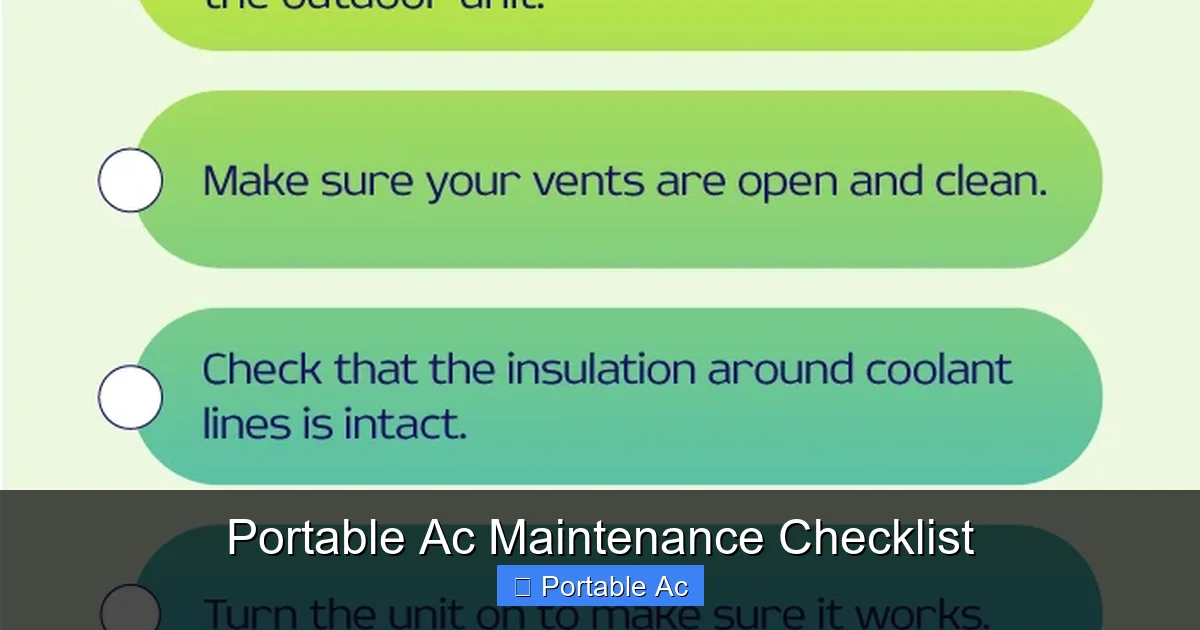
Regular portable ac maintenance is key to keeping your unit running smoothly, saving energy, and avoiding costly repairs. A portable ac maintenance checklist helps prevent breakdowns and ensures consistent cooling all summer long. With just a few quick tasks each month, you’ll protect your investment and enjoy better air quality at home.
If you’re like most homeowners, you rely on your portable AC to beat the heat during those sweltering summer months. Whether it’s in the living room, bedroom, or home office, this compact cooling machine does a lot of heavy lifting—but only if it’s well taken care of. Without regular upkeep, even the best portable AC can lose efficiency, start leaking water, or simply stop working altogether. That’s where a solid portable ac maintenance checklist comes in handy.
Think of your portable AC like a car—it needs routine checkups to run smoothly. The good news? Most maintenance tasks are simple, don’t take much time, and can be done right in your own home. By following a consistent routine, you not only extend the life of your unit but also save money on energy bills and unexpected repair costs. Let’s walk through everything you need to know to keep your portable AC in top shape all season long.
Key Takeaways
- Clean or replace filters monthly: Dirty filters restrict airflow and reduce efficiency. Use your portable ac maintenance checklist to stay on track.
- Inspect the exhaust hose weekly: Check for kinks, cracks, or leaks that can hurt cooling performance.
- Empty the water tank regularly: Especially in humid climates, avoid overflow by draining when half full.
- Keep the condenser coils clean: Dust buildup lowers heat exchange efficiency—clean every 3–6 months.
- Schedule professional servicing annually: Technicians can spot hidden issues before they become major problems.
- Use only manufacturer-recommended refrigerants: Mixing fluids can damage your portable AC beyond repair.
- Store properly during off-seasons: Follow your portable ac maintenance checklist to prepare your unit for safe storage.
Quick Answers to Common Questions
How often should I clean my portable AC filter?
At least once a month. In dusty or pet-heavy homes, check every two weeks. Regular filter cleaning keeps airflow strong and prevents strain on the motor.
Can I use tap water to clean my portable AC?
Yes, but only for rinsing filters and trays. Avoid spraying water directly onto electrical components or coils. Always disconnect the power first.
What happens if I ignore portable AC maintenance?
You risk reduced efficiency, higher energy bills, water leaks, foul odors, and premature failure. Simple upkeep prevents most common problems.
Is professional servicing really necessary?
Yes. Technicians can check refrigerant levels, inspect internal wiring, and catch hidden issues that DIY checks miss. Annual service adds years to your unit’s life.
How long does a portable AC typically last?
With proper maintenance, most portable ACs last 8–12 years. Poor care can shorten that to 5 years or less.
📑 Table of Contents
Why Portable AC Maintenance Matters
Portable AC units are incredibly convenient, especially in apartments, rental homes, or rooms without window access. But convenience doesn’t come free. These machines work hard to remove heat and moisture from indoor air, which means their internal components—like filters, coils, and hoses—are under constant stress. Over time, dust, mold, lint, and debris build up, reducing airflow and forcing your system to work harder.
When your portable AC has to push against dirty filters or clogged coils, it draws more electricity and wears out faster. This leads to higher utility bills and a shorter lifespan. On the flip side, a well-maintained unit runs quietly, cools efficiently, and rarely needs repairs. That’s why building a portable ac maintenance checklist into your monthly routine isn’t just smart—it’s essential.
Plus, clean air means healthier breathing. Replacing filters and cleaning vents removes allergens like pollen, pet dander, and dust mites. So beyond comfort and cost savings, proper maintenance improves indoor air quality too.
Monthly Maintenance Tasks
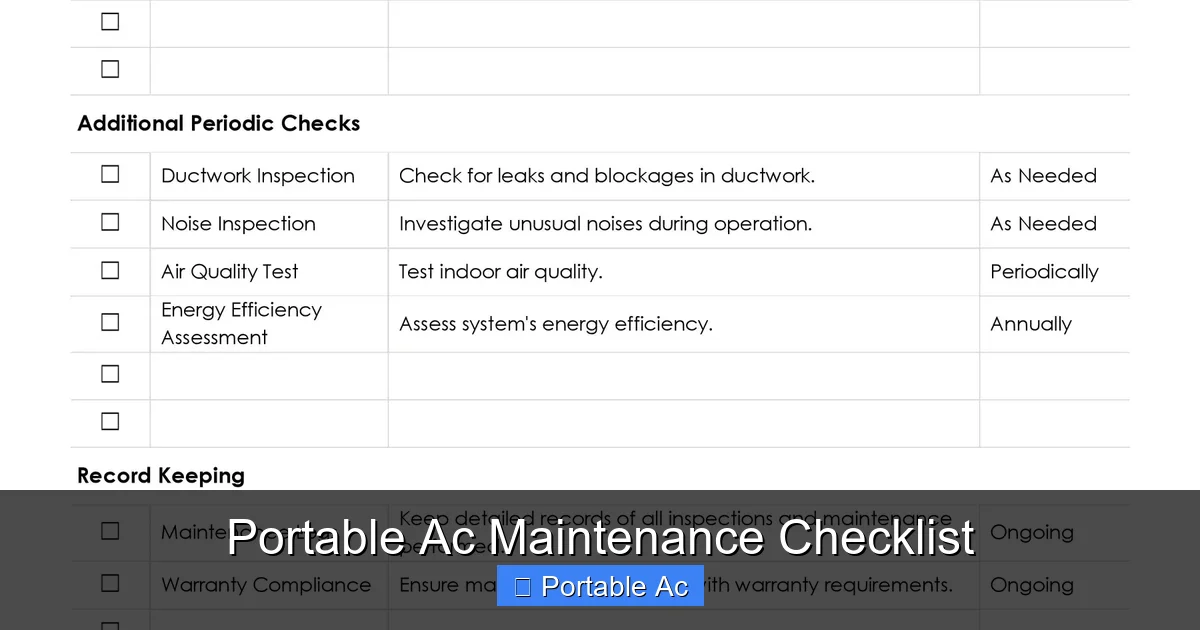
Visual guide about Portable Ac Maintenance Checklist
Image source: image.wordlayouts.com
Let’s start with what you should do every month. This is the foundation of any good portable ac maintenance checklist.
1. Clean or Replace Air Filters
Your filter is your portable AC’s first line of defense against dirt and contaminants. Most units use washable mesh filters or disposable paper ones. If yours is reusable, rinse it under warm water, let it dry completely, and reinstall. For disposables, swap them out entirely.
A dirty filter restricts airflow, making your system less effective. You’ll notice reduced cooling power or warm air blowing out. Check your filter at the beginning of each month—or more often if you have pets or live in a dusty area.
Pro tip: Keep an extra filter on hand so you never run out mid-cycle.
2. Inspect and Clean Vents
Over time, tiny particles get sucked into the intake and exhaust vents. Use a vacuum attachment or soft brush to gently remove dust from both sides. Make sure nothing blocks the airflow—not even furniture placement near the unit.
3. Check the Exhaust Hose
The exhaust hose carries hot air outside your home. Cracks, bends, or loose connections can cause leaks or poor performance. Walk around your AC and inspect the entire length. If you see any damage or notice warm spots along the hose, consider replacing it.
For added peace of mind, wrap the hose with insulation tape during extreme weather—this helps maintain temperature consistency.
Quarterly Maintenance Steps
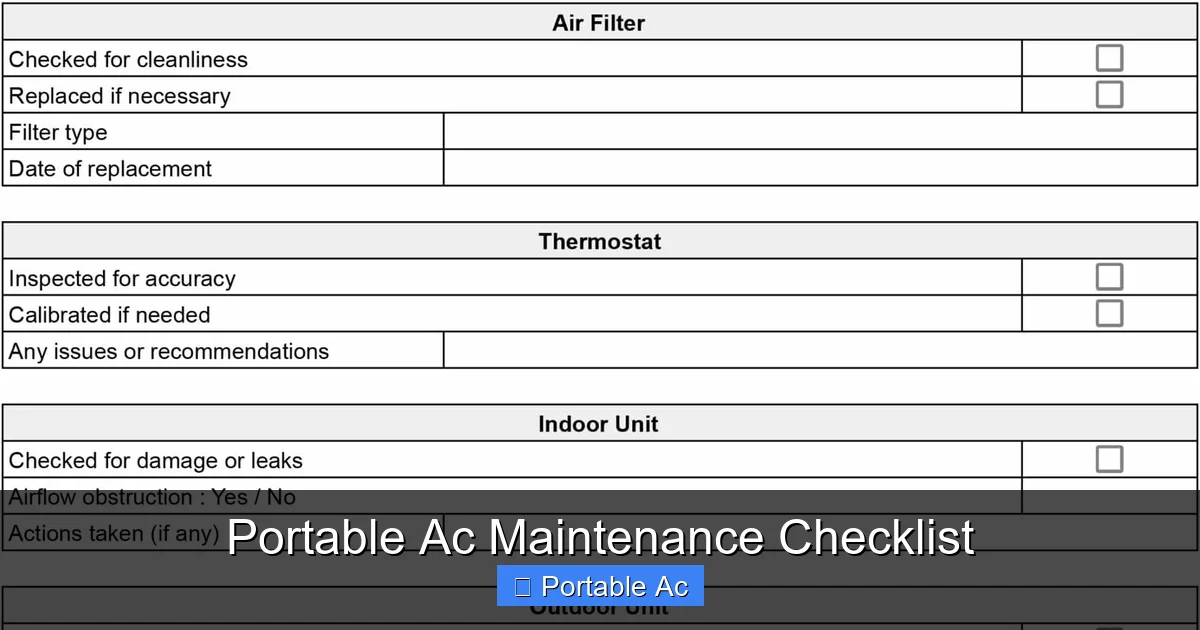
Visual guide about Portable Ac Maintenance Checklist
Image source: workyard.com
Now let’s move to tasks that should be done every three months. These help catch issues early and keep your portable AC running like new.
1. Deep Clean Condenser Coils
Inside your portable AC are evaporator and condenser coils. While the former absorbs heat from indoor air, the latter releases it outside. Both collect dust over time, especially if the unit sits near a carpet or in a dusty room.
To clean the coils:
– Turn off and unplug the unit.
– Remove the front panel (usually held by clips or screws).
– Use a coil cleaner spray or a soft brush to gently wipe away grime.
– Never use water directly on electrical parts.
Dirty coils force your compressor to work overtime, increasing energy use and wear.
2. Drain and Sanitize the Water Tray
Many portable ACs collect condensation in a drip tray, which must be emptied regularly—especially in high-humidity environments. Don’t wait until it’s full! Empty it when it reaches about halfway.
After emptying, rinse the tray with vinegar and water (1:1 ratio) to kill mold and bacteria. Let it air-dry before putting it back.
If your model has a built-in pump or automatic drain feature, make sure it’s clear of blockages. Clogged drains lead to water leakage and musty smells.
3. Test Remote and Controls
While you’re checking everything else, test the remote control and digital panel. Replace batteries if needed, and ensure buttons respond clearly. Faulty controls can seem like a mechanical issue but are often just a simple fix.
Seasonal Deep Cleaning
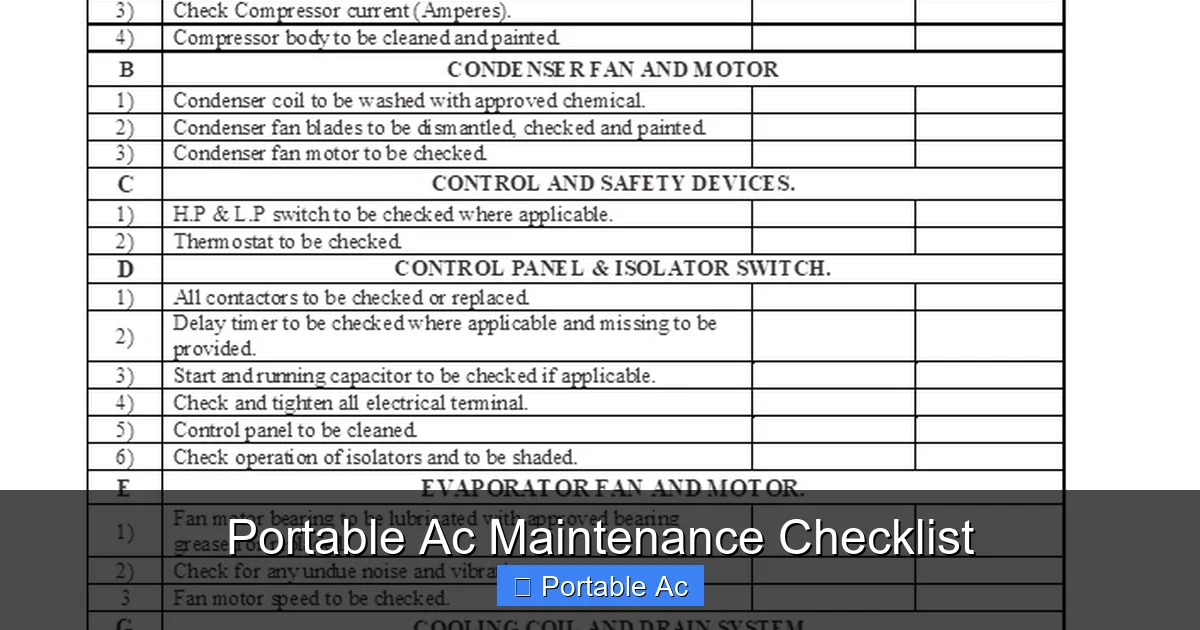
Visual guide about Portable Ac Maintenance Checklist
Image source: preventivemaintenanceprocedure.com
Once every few months—or at least twice a year—give your portable AC a thorough spa day.
1. Full Unit Disassembly (If Possible)
Some models allow you to remove panels and access deeper components. Refer to your user manual for guidance. If not, focus on external surfaces and internal areas you can reach.
Use compressed air to blow out dust from behind the unit and around the base. This is great for units placed near walls or in corners.
2. Lubricate Moving Parts
Check if your portable AC has moving parts that require lubrication (common in older models). Apply a drop of lightweight machine oil to fan bearings as recommended by the manufacturer.
3. Calibrate Thermostat Settings
Resetting the thermostat can improve accuracy. Set it to room temperature, wait 10 minutes, then adjust again. This helps your AC make smarter decisions about when to cycle on and off.
Annual Professional Servicing
No matter how well you maintain your portable AC, there are some things only a trained technician can handle. Schedule an annual inspection to:
– Verify refrigerant levels
– Check for leaks
– Inspect internal wiring
– Test safety features
This service ensures your unit meets safety standards and operates at peak efficiency. It’s a small price to pay compared to emergency repairs.
Troubleshooting Common Issues
Even with perfect maintenance, occasional glitches happen. Here’s how to handle them using your portable ac maintenance checklist:
Water Leaking?
Check the drain tray, hose connections, and float switch. A blocked or misaligned hose is often the culprit.
Weak Cooling?
Dirty filters, clogged coils, or low refrigerant could be reasons. Start with the easiest fixes—filter and coil cleaning.
Strange Noises?
Scraping or rattling usually means loose parts or debris in the fan. Shut off the unit and inspect before restarting.
Remote Not Working?
Replace batteries first. If that doesn’t work, clean the sensor lens with a microfiber cloth.
Remember: When in doubt, consult your manual or contact customer support. DIY repairs on refrigerant lines or internal circuits should be avoided unless you’re qualified.
Storing Your Portable AC Properly
When summer ends, give your portable AC a proper send-off. Follow these steps for safe storage:
– Empty and clean the water tray and hose.
– Run the unit on fan mode for 10 minutes to dry internal components.
– Cover it with a breathable fabric cover (not plastic—moisture traps inside).
– Store in a cool, dry place away from direct sunlight.
A well-stored portable AC lasts longer and starts stronger next season. Plus, you’ll find it easier to set up again using your trusted portable ac maintenance checklist.
Frequently Asked Questions
How do I know if my portable AC filter is dirty?
If you see visible dust buildup, or if warm air blows from vents instead of cold, it’s time to clean or replace the filter. Also, check your user manual for visual cues.
Can I wash my portable AC filter with soap?
Only mild detergent if the manufacturer allows it. Harsh chemicals can break down filter material. Rinse thoroughly and let it dry completely before reinstalling.
Should I leave my portable AC plugged in all the time?
It’s safe to leave it plugged in, but turn it off when not in use. Modern units have energy-saving modes. Unplugging when idle saves electricity and reduces wear.
Why is my portable AC leaking water?
Common causes include a full or clogged drain tray, blocked exhaust hose, or incorrect installation angle. Check these first using your portable ac maintenance checklist.
Can I clean my portable AC with a pressure washer?
Never. High-pressure water damages internal components and voids warranties. Stick to gentle brushes, vacuums, and damp cloths.
What’s the best way to store a portable AC for winter?
Clean thoroughly, dry completely, cover loosely, and store upright in a dry space. Label the box with “Fragile” and “Do Not Stack” to avoid damage.
