
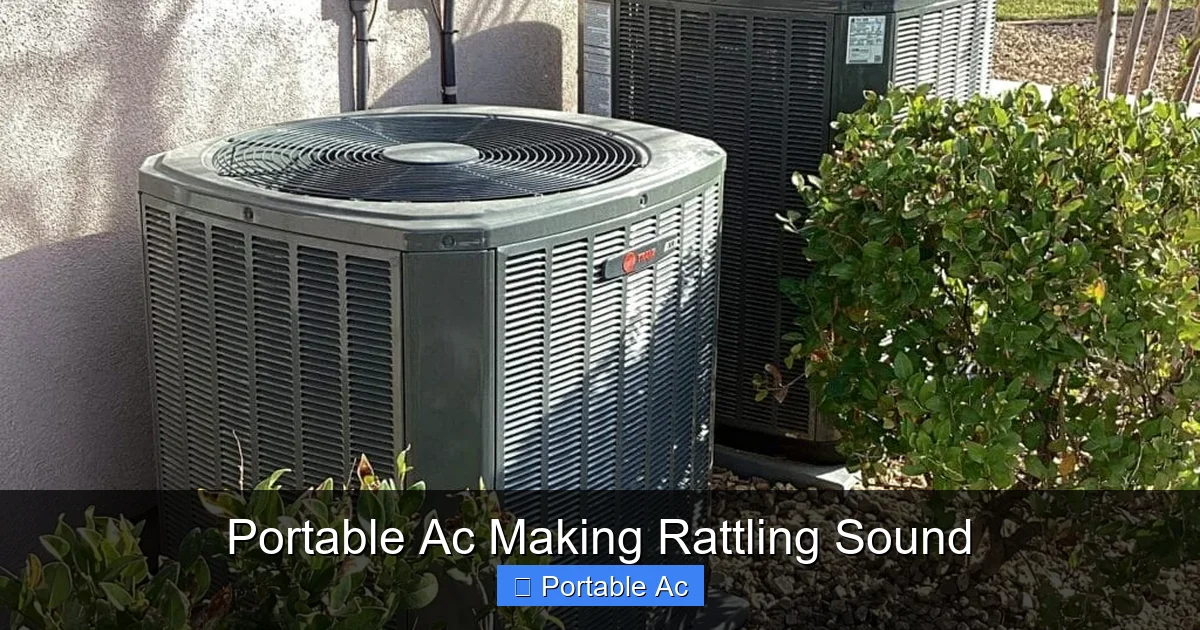
Your portable AC’s rattling noise often signals loose parts, dirty filters, or mechanical issues. While minor sounds may not be serious, persistent rattling can indicate wear or blockage that affects performance and longevity. Simple troubleshooting steps like cleaning, tightening screws, and checking components usually resolve the problem without costly repairs.
Have you ever turned on your portable air conditioner only to be greeted by an annoying rattling sound? You’re not alone. Many homeowners experience this issue, especially during hot summer months when their portable AC works overtime. At first, it might seem harmless—just background noise. But over time, that rattling can grow louder, disrupt your peace, and even signal a deeper problem.
Portable air conditioners are designed for convenience and efficiency. When they start making unusual noises like rattling, it’s natural to feel concerned. Is it dangerous? Should you shut it off? Can you fix it yourself? In this guide, we’ll walk through everything you need to know about why your portable AC making rattling sound, how to diagnose the issue, and what you can do to silence it for good.
Whether you’re using your unit in a cozy bedroom, home office, or compact living space, understanding the root causes of rattling helps keep your AC running smoothly. Let’s dive into the most common reasons behind this noise and explore practical solutions you can try today.
Key Takeaways
- Common causes include loose panels, clogged filters, or debris in fan blades. These issues create imbalance or vibration that produces rattling sounds.
- Regular maintenance prevents most rattling problems. Cleaning filters monthly and inspecting screws ensures smooth operation.
- Improper installation increases noise risk. Ensuring the unit sits level and the exhaust hose is properly secured minimizes vibrations.
- Worn-out components like fan motors may need replacement. Age and heavy use contribute to internal part degradation over time.
- Refrigerant leaks or ice buildup can cause operational noise. Monitor cooling efficiency and drainage for early warning signs.
- Using a portable AC in dusty environments requires extra care. Environments with high particulates accelerate filter and coil dirt accumulation.
- Consult a technician if DIY fixes don’t work. Persistent rattling may signal deeper mechanical faults requiring professional diagnosis.
Quick Answers to Common Questions
Why does my portable AC make a rattling sound when I turn it on?
It’s often due to loose screws, debris in fan blades, or an unbalanced unit. These cause vibrations that create rattling. Try tightening screws and cleaning the filter first.
Can rattling damage my portable AC?
Yes, prolonged rattling can loosen internal parts and accelerate wear. It may lead to costly repairs or complete failure if ignored.
Is it safe to use a portable AC that makes noise?
Short-term use is generally safe, but persistent noise suggests underlying issues. Turn it off and inspect before continuing operation.
How often should I clean my portable AC filter?
Clean or replace the filter every 2–4 weeks during heavy use. Dirty filters restrict airflow and increase noise.
Should I replace my portable AC if it rattles?
Only if repairs exceed 50% of the unit’s value or it’s older than 7–8 years. Otherwise, fixing it saves money and reduces waste.
📑 Table of Contents
Why Is Your Portable AC Making a Rattling Sound?
Rattling in portable ACs typically stems from physical imbalances, loose components, or blockages within the system. Unlike consistent hums or whirs—which are normal—rattling indicates movement or friction between parts that shouldn’t be touching. It’s often a sign that something needs attention before it leads to bigger failures.
One of the first places to check is the exterior shell. Over time, screws securing the side panels or top cover can loosen due to temperature changes or frequent handling. When these fasteners aren’t tight enough, the plastic casing vibrates against internal parts, creating that telltale rattle. Similarly, if the unit has been moved recently, it might not sit perfectly level, causing uneven pressure on internal components.
Another frequent culprit is the air filter. A clogged or dirty filter restricts airflow, forcing the fan to work harder. This increased strain can lead to vibrations that produce rattling sounds—especially noticeable when the fan spins at higher speeds. In severe cases, restricted airflow causes condensation buildup inside the unit, which may freeze or drip and further disturb internal mechanics.
Common Causes of Rattling in Portable Air Conditioners
Let’s break down the top reasons why your portable AC might be making noise:
– Loose or missing screws: Vibrations from daily operation gradually loosen fasteners. Check all visible screws around the cabinet.
– Debris caught in fan blades: Dust, hair, or small objects get sucked into the intake grille and tangle with rotating fans.
– Dirty or clogged filters: Reduced airflow increases fan stress and creates imbalance.
– Unbalanced mounting: If the unit isn’t sitting flat, internal parts shift and knock together.
– Worn fan motor bearings: Age and continuous use degrade metal components, leading to grinding or rattling.
– Ice buildup on coils: Poor ventilation or low refrigerant levels cause frost, which melts and disrupts balance.
These issues vary in severity. Some are quick fixes; others require more involved repairs. The key is identifying the source early.
How Rattling Affects Performance and Lifespan
Ignoring a rattling portable AC doesn’t just mean listening to noise—it can actually shorten the appliance’s lifespan. Excessive vibration accelerates wear on fan blades, motor mounts, and internal wiring. Loose parts eventually fall apart, potentially damaging other components.
Additionally, rattling often correlates with reduced cooling efficiency. For example, a blocked filter forces the compressor to run longer, increasing energy consumption and wear. Over time, this strain raises your electricity bills and risks premature failure.
If left unchecked, minor rattling can escalate into complete breakdowns. Imagine being stuck without cool air during a heatwave because a loose screw caused a fan blade to detach. That’s why timely intervention matters.
Step-by-Step Guide to Fixing a Rattling Portable AC
Don’t panic—most rattling issues are fixable without calling a technician. Start with these simple steps:
1. Turn Off and Unplug the Unit
Safety first! Always disconnect the power before inspecting or repairing any part of your portable AC. This prevents electrical shock and protects internal circuits.
2. Inspect for Loose Screws or Panels
Remove the outer cover carefully (refer to your manual if unsure). Look for visibly loose screws holding the casing together. Use a Phillips-head screwdriver to tighten them snugly but avoid overtightening, which can crack plastic.
3. Clean or Replace the Air Filter
Locate the filter—usually behind a front grille. Remove it and rinse under lukewarm water with mild soap. Allow it to dry completely before reinserting. If damaged or heavily soiled, replace it with a compatible model.
For users in dusty areas, consider upgrading to a washable HEPA-style filter. Regular cleaning every 2–4 weeks prevents clogs and maintains airflow.
4. Check Fan Blades for Debris
With the unit unplugged, gently spin the fan manually (if accessible) to detect resistance. If it feels sticky or catches, there’s likely debris lodged near the blades. Use compressed air or a soft brush to remove dirt—never insert tools directly into vents.
5. Ensure Proper Leveling
Place a spirit level on top of the AC. If it wobbles, adjust the feet until both sides rest firmly on the floor. An unbalanced unit transmits vibrations throughout the chassis.
6. Monitor for Ice or Water Leaks
If you notice puddles around the base or see frost on coils, turn off the unit immediately. Run the fan-only mode for 30 minutes to melt ice safely. Never attempt to defrost while powered on.
By following these steps, many users eliminate rattling within minutes. However, some cases demand deeper investigation.
When to Call a Professional Technician
While DIY fixes solve most rattling problems, certain symptoms suggest underlying faults beyond homeowner capability:
– Rattling accompanied by grinding or squealing: Indicates worn motor bearings or belt issues.
– Continuous loud knocking during startup: May point to misaligned fan assemblies.
– Cooling performance drops significantly: Could mean refrigerant leakage or compressor damage.
– Unit emits burning smells or smoke: Requires immediate shutdown and expert assessment.
In such scenarios, contact a licensed HVAC technician. Attempting complex repairs without training risks voiding warranties or causing injury.
Professional servicing includes diagnostic testing, coil cleaning, refrigerant checks, and component replacement. It’s worth investing in for units over 5 years old or used heavily.
Preventive Maintenance Tips to Avoid Future Rattling
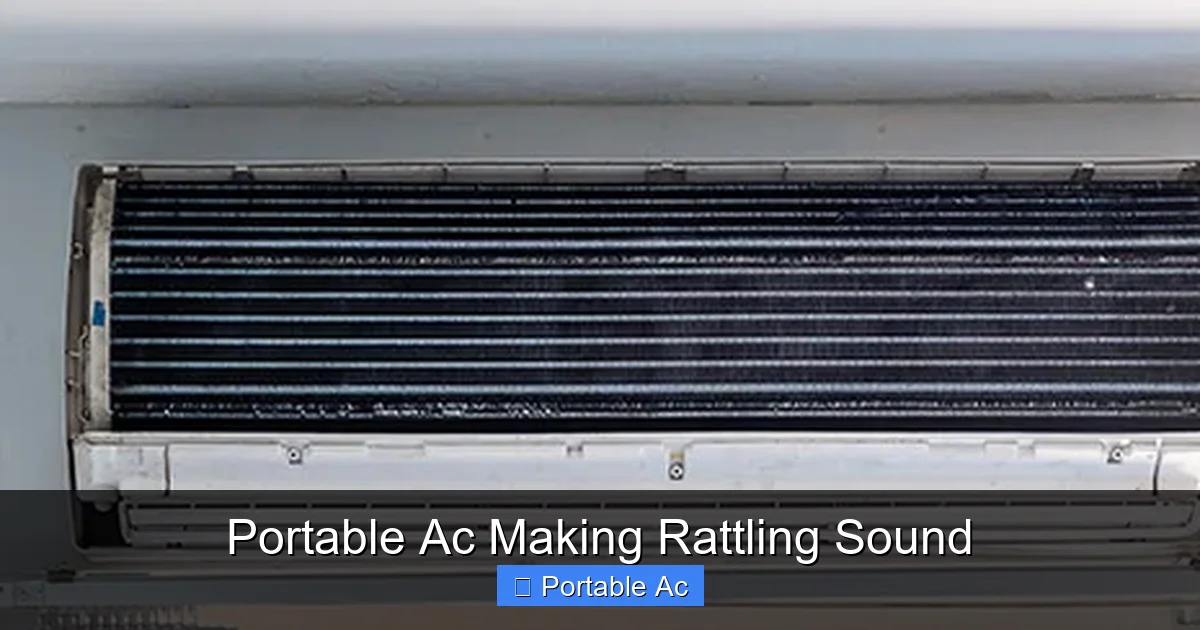
Visual guide about Portable Ac Making Rattling Sound
Image source: vitalaircon.com.au
The best cure is prevention. Establish a routine to keep your portable AC silent and efficient:
– Clean filters weekly during peak usage seasons.
– Vacuum intake/exhaust grilles monthly to prevent dust buildup.
– Inspect screws quarterly and retighten as needed.
– Use a surge protector to safeguard electronics from voltage spikes.
– Schedule annual professional tune-ups for long-term reliability.
Also, choose a high-quality model suited to your environment. For instance, if you live in a coastal area with high humidity, opt for a unit with corrosion-resistant materials. Our Best Portable Ac For Coastal Areas guide offers tailored recommendations.
Proper placement also matters. Avoid carpeted floors (use a hard surface mat), and ensure the exhaust hose isn’t kinked. A well-installed unit runs quieter and lasts longer.
Comparing Rattling Issues Across Portable AC Brands
Not all portable ACs behave the same. Brand reputation and build quality influence noise levels. Generally, premium brands like LG, Frigidaire, and Honeywell prioritize vibration dampening and precision engineering.
Budget models may cut corners on insulation or use cheaper fan motors prone to imbalance. If your unit is under $300, expect slightly more noise—but not excessive rattling if maintained properly. For reliable performance, consider our Best Portable Ac Under 300 Dollars picks.
Conversely, top-tier units feature dual-hose systems and anti-vibration mounts. These reduce noise pollution significantly. Explore our Best Premium Portable Ac Worth Buying article for detailed comparisons.
Regardless of brand, regular maintenance remains essential. Even the quietest models develop issues if neglected.
Final Thoughts: Silence Your Portable AC for Good
A rattling portable AC doesn’t have to ruin your comfort. With patience and the right approach, most noise issues vanish. Start with basic checks—clean filters, tighten screws, clear debris—and monitor results. If problems persist, consult a pro before assuming the worst.
Remember, your AC is an investment. Protect its performance through smart usage and timely care. Whether you’re cooling a small bedroom or entire apartment, a well-maintained unit delivers consistent relief without disturbing noise.
Stay cool, stay calm, and keep your portable AC running like new!
Frequently Asked Questions
Why is my portable AC making a rattling sound after moving it?
This usually happens because the unit isn’t sitting level or screws came loose during transport. Re-level the unit and check all visible fasteners.
Can a dirty air filter cause rattling?
Yes, a clogged filter forces the fan to work harder, creating imbalance and vibration that produces rattling sounds.
What does a rattling sound indicate about my AC’s health?
Rattling often means loose parts or blockages. Addressing it early prevents major breakdowns and extends the appliance’s lifespan.
How do I stop my portable AC from rattling without taking it apart?
Ensure the unit is on a flat surface, clean the filter, and tighten any loose screws. These simple steps resolve most external rattling issues.
Are all rattling sounds in portable ACs serious?
No, minor rattling from loose panels isn’t urgent. But if it’s loud, constant, or accompanied by other noises like grinding, seek professional help.
Can low refrigerant cause rattling in a portable AC?
Indirectly yes—low refrigerant leads to ice buildup, which melts and disturbs internal components, sometimes creating rattling noises.
