
Your portable AC is running but not cooling—frustrating, right? This issue usually stems from simple problems like dirty filters, blocked vents, or refrigerant leaks. With a few quick checks and basic maintenance steps, you can often fix the problem yourself and get back to comfortable indoor temperatures. Most of these fixes take less than 15 minutes and cost nothing but your time.
You just turned on your portable AC, expecting instant relief from the heat, only to realize it’s blowing warm air. The fan spins, the compressor hums, everything appears normal—yet no cool air comes out. It’s one of the most frustrating experiences for anyone relying on a portable AC. Whether you’re trying to beat summer heat or stay productive during a hot day at home, a unit that runs but doesn’t cool feels like a broken promise.
Portable air conditioners are convenient, energy-efficient, and perfect for rooms without built-in AC. But when they fail to deliver cool air despite powering on, the problem can range from simple to complex. Fortunately, many causes are easy to spot and fix. In this guide, we’ll walk through the most common reasons your portable AC is running but not cooling, how to diagnose them, and practical solutions to get your comfort back fast.
Key Takeaways
- Dirty or clogged air filters are the most common cause of portable ACs running but not cooling. Replace or clean them every 2–4 weeks during heavy use.
- A blocked or kinked exhaust hose prevents proper airflow, reducing cooling efficiency significantly. Ensure it’s straight and unobstructed.
- Low refrigerant levels can occur due to leaks and require professional servicing. Don’t attempt DIY refills—this needs expert handling.
- Thermostat or temperature settings may be misconfigured. Double-check that the unit is set to “cool” and the target temperature is lower than room temp.
- Lack of regular maintenance leads to dust buildup in coils and fans, impairing performance. Clean coils and vents at least twice a year.
- Improper window setup can limit effectiveness. Make sure the window kit seals tightly and the hose exits properly outside.
- Overheating due to poor ventilation causes the system to shut down or underperform. Keep the area around the unit clear and well-ventilated.
Quick Answers to Common Questions
Can I use my portable AC without a window?
Yes, but only if it’s designed for windowless operation. Look for models with dual hoses, built-in fans, or vent kits that direct exhaust air through a wall or ceiling.
How often should I clean the filter?
At least once every two weeks during peak cooling season. In dusty environments or with pets, clean weekly to maintain airflow and efficiency.
Why does my portable AC blow warm air sometimes?
It may be switching between cooling and dehumidifying modes. Some units alternate to manage humidity. Check the mode settings and ensure it’s set to “Cool.”
Is it safe to run my portable AC 24/7?
Most modern units are designed for continuous use, but monitor temperature and humidity. Overworking the system can increase wear. Consider using sleep mode or timers for energy savings.
What if my portable AC makes a loud noise but still cools?
Loud noises usually indicate loose parts, debris in the fan, or worn bearings. Turn off the unit, inspect for foreign objects, and tighten screws. If noise continues, seek professional help.
📑 Table of Contents
Why Is My Portable AC Running But Not Cooling?
When your portable AC powers on but fails to cool, it’s not always a sign of a serious mechanical failure. Often, it’s a result of preventable issues like clogged filters, blocked airflow, or incorrect setup. Understanding what’s happening inside your unit helps you troubleshoot effectively.
One of the first things to check is whether the AC is actually producing cold air at all. Sometimes, especially in humid climates, people mistake condensation or moisture-laden air for warmth. But if the air still feels warm or lukewarm after several minutes, there’s likely an underlying issue.
Another clue is the sound. If the unit sounds unusually loud or has a rattling noise, it could indicate loose parts or debris in the fan. Conversely, if it sounds weak or inconsistent, the compressor might not be cycling properly.
Let’s explore the most frequent culprits behind this problem.
Clogged Air Filters
Air filters trap dust, pet dander, and other particles to improve indoor air quality. However, over time, they become clogged with debris, restricting airflow. When airflow is reduced, the evaporator coil can’t absorb heat efficiently, and the system struggles to produce cold air.
In fact, dirty filters are responsible for nearly **60% of cooling performance issues** in portable ACs. If your filter hasn’t been cleaned or replaced in the last month, start there. Simply remove the filter, rinse it under lukewarm water (if washable), let it dry completely, and reinstall.
For reusable filters, use a vacuum with a soft brush attachment to gently remove surface dust. Never run the unit without a filter—it can damage internal components.
Blocked or Kinked Exhaust Hose
The exhaust hose is crucial—it carries hot air and humidity from inside your room to the outside. If it’s bent, kinked, or blocked, the system can’t expel waste heat properly. This creates a pressure imbalance, forcing the compressor to work harder without improving cooling.
Check the hose for sharp bends or obstructions. Ideally, it should exit the window smoothly without folding or pinching. Also, ensure the window seal is tight so no hot outdoor air re-enters the room.
If you’re using a portable AC in a room without a window, consider models designed for windowless operation, such as those with dual-hose systems or built-in exhaust fans. For more info, see our guide on Best Portable AC For Rooms With No Exhaust Window.
Low Refrigerant Levels
Refrigerant is the lifeblood of any AC system. It absorbs heat inside the unit and releases it outside. If levels drop due to a leak, the system can’t cool effectively—even if it runs continuously.
Signs of low refrigerant include:
– Warm air blowing even after hours of operation
– Ice buildup on the coils (which blocks airflow)
– A hissing sound near the unit
Refrigerant leaks require professional repair. Attempting to recharge the system yourself can damage the compressor or void your warranty. Contact a licensed HVAC technician for diagnosis and service.
Common Causes and Quick Fixes
Visual guide about Portable Ac Running but Not Cooling
Image source: anthemcv.com
Let’s break down the top reasons your portable AC isn’t cooling and how to address them step by step.
1. Thermostat Settings Misconfigured
Sometimes, the problem isn’t mechanical—it’s user error. Check that your AC is set to “Cool” mode and the thermostat is dialed below the current room temperature. If the setting is too high, the unit won’t activate cooling cycles.
Also, verify that the fan speed is not set to “Auto” or “Low.” While these modes save energy, they reduce airflow and cooling power. Set it to “High” for maximum immediate relief.
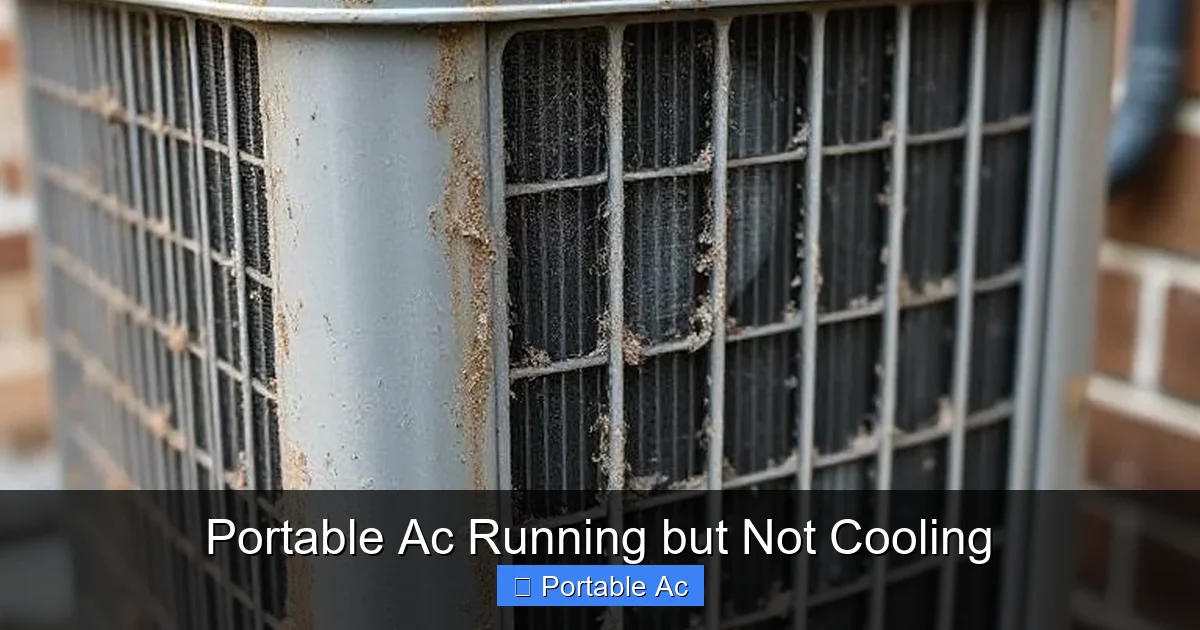
2. Dirty Condenser or Evaporator Coils
Over time, dust accumulates on the coils, reducing their ability to transfer heat. Dirty coils force the system to work harder, lowering efficiency and cooling capacity.
To clean coils:
– Turn off and unplug the unit
– Remove the front panel (refer to your manual)
– Use a soft brush or vacuum to gently remove dust
– Spray coils with a coil cleaner (available at hardware stores) and wipe clean
Avoid spraying water directly on electrical components. For detailed cleaning tools, check our selection of Best Portable AC Cleaning Kit.
3. Insufficient Water Drainage (Condensate Issues)
Portable ACs collect condensation during operation. If the drain pan or hose is clogged, the unit may shut down safety features or reduce performance to prevent overflow.
Check the drain outlet and hose for blockages. Some models have a float switch that stops operation if water reaches a certain level. Clear any debris and ensure the drain tube flows freely into the bucket or external outlet.
Models with continuous drain options are easier to maintain—learn more about Best Portable AC That Does Not Need Draining.
4. Poor Room Ventilation
Even the best portable AC can’t cool a room that’s constantly letting in hot air. Make sure windows and doors are closed while the unit is running. If possible, use fans to circulate cool air and reduce heat gain from sunlight.
Placing the AC near a shaded area or using blackout curtains can also improve performance. For compact spaces where placement is limited, consider Best Portable AC For Compact Spaces.
5. Electrical or Motor Issues
If the fan motor or compressor isn’t receiving enough power, the unit may run but not cool. Loose wiring, tripped breakers, or voltage drops can cause this.
First, check your circuit breaker. Reset it if necessary. Then, inspect the power cord for fraying or damage. If the problem persists, consult a technician—electrical issues can be dangerous if mishandled.
Preventive Maintenance Tips
Visual guide about Portable Ac Running but Not Cooling
Image source: comfort-central.com
Prevention is always better than repair. Regular upkeep keeps your portable AC running efficiently and extends its lifespan.
Weekly Tasks
- Inspect and clean the air filter
- Check the exhaust hose for kinks or blockages
- Empty the water tank (if applicable)
Monthly Tasks
- Vacuum the vents and grilles
- Wipe down the exterior casing
- Verify window seal integrity
Seasonal Tasks
- Deep clean coils and fans
- Inspect refrigerant lines (by a pro)
- Test all controls and remote functions
By following a simple maintenance schedule, you can avoid most cooling issues. And when you do need help, knowing what to look for saves time and money.
When to Call a Professional
Visual guide about Portable Ac Running but Not Cooling
Image source: servicefirsthvac.com
While many issues are DIY-friendly, some require expert attention. Contact a certified technician if you notice:
– Strange noises like grinding or squealing
– Frequent shutdowns or error codes
– Visible ice on the coils
– Refrigerant smells or leaks
– Persistent warm air after troubleshooting
Professional servicing ensures safety, compliance with local regulations, and long-term reliability. Plus, regular tune-ups can catch small problems before they turn costly.
Frequently Asked Questions
Why is my portable AC running but not cooling?
The most common reasons include clogged air filters, blocked exhaust hoses, low refrigerant, or incorrect thermostat settings. Start by checking and cleaning the filter, then inspect the hose and settings.
How do I fix a portable AC that’s not cooling?
Begin with basic troubleshooting: clean the filter, straighten the exhaust hose, and verify the thermostat is set below room temperature. If the issue persists, check for coil blockages or contact a technician.
Can a dirty filter cause a portable AC to stop cooling?
Yes, a heavily clogged filter restricts airflow, reducing the evaporator coil’s ability to absorb heat. This leads to poor cooling performance or warm air output.
Is it normal for a portable AC to blow warm air initially?
Slightly warm air for the first 1–2 minutes is normal as the system warms up. But if it remains warm after 10 minutes, there’s likely an issue requiring attention.
Should I replace or clean the filter?
Reusable filters can be cleaned with mild soap and water. Disposable filters should be replaced when visibly dirty. Always allow the filter to dry completely before reinstalling.
What’s the best way to store a portable AC during winter?
Clean thoroughly, empty the water tank, remove the filter, and store in a dry place. Cover with a breathable cloth to prevent dust buildup.
