
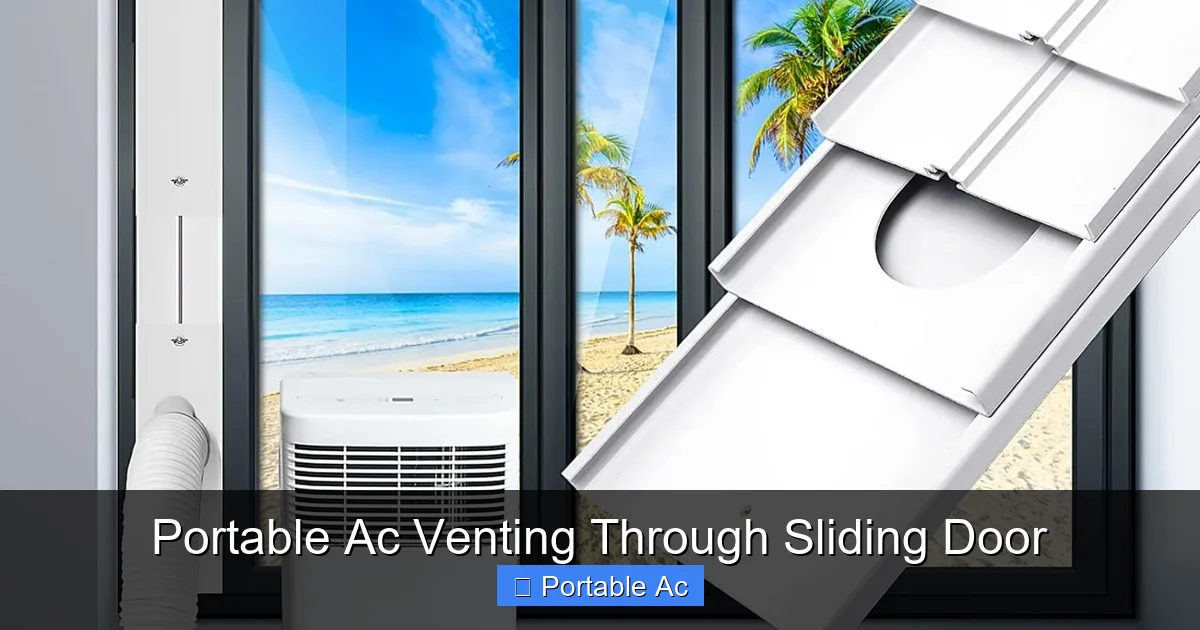
Portable AC venting through a sliding door is a smart solution for homes without traditional window exhausts. With the right kit and technique, you can safely release hot air while keeping your space cool and energy-efficient. This guide walks you through step-by-step methods, tools, and best practices to make the process simple and effective.
Cooling a room with a portable air conditioner doesn’t always require a traditional window opening—especially when you have a sliding door. Whether you’re renting an apartment, living in a modern home with fixed windows, or just want more flexibility, learning how to vent a portable AC through a sliding door opens up new possibilities for comfort. In this article, we’ll walk you through everything you need to know: from choosing the right equipment to setting up your system safely and efficiently.
Why Vent Through a Sliding Door?
Many portable AC units come with a single exhaust hose that needs to go outside. But what if your only exterior access is a sliding glass door? The good news is that with the right adapter, you can convert your sliding door into a functional exhaust point. This method works especially well in apartments, townhouses, or homes where window installation isn’t allowed or practical. Instead of drilling holes or replacing windows, you can use existing doors to expel hot air—keeping your indoor environment cool without major renovations.
The key is ensuring a secure, airtight connection between the exhaust hose and the door. A poorly sealed hose can let warm air back into your room, reducing cooling efficiency and increasing energy costs. That’s why investing in a high-quality sliding door venting kit is essential. These kits often include foam blocks, adjustable brackets, and weather stripping to create a snug fit around the door frame.
Choosing the Right Portable AC for Sliding Door Venting
Not all portable ACs are created equal when it comes to venting flexibility. Look for models with a standard 5/8-inch (or 3.5-inch outer diameter) exhaust hose, which fits most venting kits. Dual-hose systems are even better because they pull in fresh air while exhausting hot air, improving efficiency by up to 15%. If you’re shopping on a budget, consider best portable AC under $400 models that balance performance and affordability.
Also, pay attention to BTU ratings. A 10,000–12,000 BTU unit typically suits rooms up to 350 square feet—perfect for bedrooms or small living areas accessed via sliding doors. For larger spaces, you might need a higher-capacity model. Always check the manufacturer’s instructions to confirm compatibility with external venting.
Essential Tools and Accessories
To get started, gather these items:
– A sliding door venting kit: These usually include foam insulation blocks and mounting brackets.
– A universal hose adapter (if needed): Some kits come with pre-attached adapters, but universal ones offer extra flexibility.
– A drill or screwdriver: For securing mounting hardware.
– A tape measure and level: To ensure even placement.
– A vacuum cleaner or brush: For cleaning the filter before first use.
Avoid using duct tape or cheap zip ties—they degrade quickly and can leak air over time. Instead, opt for silicone-sealed connections or compression fittings designed for HVAC systems.
Step-by-Step Setup Guide
Setting up your portable AC to vent through a sliding door is easier than you think. Follow these steps:
1. **Clear the Area**: Remove furniture or rugs near the door so you have room to work and move the unit closer if needed.
2. **Attach the Exhaust Hose**: Connect one end of the hose securely to the back of your portable AC. Make sure there are no kinks or sharp bends.
3. **Install the Venting Kit**: Most kits include foam blocks that fit snugly inside the sliding door track. Slide them into place at the top and bottom of the door path.
4. **Mount the Hose Adapter**: Attach the adapter to the outside of the door using screws or brackets. Ensure it’s level and firmly secured.
5. **Run the Hose Through the Gap**: Gently thread the hose through the gap between the door and the floor or wall. Avoid pinching or twisting it.
6. **Seal Any Gaps**: Use weather stripping or foam tape around edges where the hose exits to prevent air leaks.
7. **Test the System**: Turn on the AC and listen for unusual noises. Check that hot air is flowing outward and not recirculating indoors.
Pro tip: Place a small fan near the exhaust point to help push hot air out faster—this boosts efficiency slightly.
Maintaining Your Setup
Once installed, regular maintenance keeps your system running smoothly. Clean or replace the air filter every two weeks, especially during peak summer months. Inspect the exhaust hose monthly for cracks, mold, or blockages. If you notice reduced cooling power, it could be due to a clogged filter or loose hose connection.
Also, wipe down the exterior coils with a damp cloth to remove dust buildup. Over time, dirt can restrict airflow and force the compressor to work harder, increasing wear and energy use.
Safety Tips to Remember
Safety should always come first when modifying your living space. Never block the path of the sliding door—it must open freely for emergency exits or ventilation. Avoid placing the portable AC directly over carpet, which can trap moisture and promote mold growth. Keep the unit upright and away from water sources like sinks or bathtubs.
If your sliding door has a locking mechanism, disable it temporarily while the AC runs to allow smooth movement. And never leave the unit unattended for long periods—overheating can damage internal components.
Comparing Venting Methods
You might wonder: is venting through a sliding door better than other options? Compared to wall venting, it’s less permanent and ideal for renters. Unlike window kits, it doesn’t require structural changes. However, it may be slightly less efficient due to potential air leaks around the door seal. Still, for many users, the convenience outweighs minor performance differences.
For reference, here’s a quick comparison:
| Method | Ease of Installation | Efficiency | Best For |
|———————-|———————-|————|——————————|
| Sliding Door | Moderate | Good | Apartments, rentals |
| Window Kit | Easy | Excellent | Rooms with operable windows |
| Wall Vent | Hard | Excellent | Permanent installations |
When to Consider Alternatives
If your sliding door is too narrow or the track is damaged, you may need another approach. In such cases, consider using a portable AC with a closed-loop system that recycles indoor air instead of exhausting it. These models don’t require external venting and are perfect for rooms without windows or doors suitable for hose attachment.
Alternatively, look into best portable AC without hose options. They use advanced filtration and refrigerant cycles to cool without expelling hot air—ideal for studio apartments or tiny homes.
Final Thoughts
Venting a portable AC through a sliding door is a practical, cost-effective way to enjoy cool air without permanent modifications. With the right tools, patience, and attention to detail, you can set up a reliable system that delivers consistent comfort year after year. Just remember to choose quality equipment, follow safety guidelines, and maintain your unit regularly.
Whether you’re beating the summer heat or managing humidity in a coastal area, this setup gives you the freedom to cool any room—on your terms. And if you’re still deciding which model to buy, check out our picks for best value portable AC for money to find one that fits your needs and budget.
Key Takeaways
- Portable AC venting through sliding doors requires a proper exhaust hose adapter or kit to direct heat outside.
- Using a window venting kit with a sliding door adapter ensures a tight seal and prevents warm air from re-entering your room.
- Positioning the unit on a stable surface near the door maximizes airflow efficiency and reduces strain on the compressor.
- Always check local building codes and HOA rules before modifying doors or installing vents.
- Regular maintenance of the exhaust hose and filter improves performance and extends the life of your portable AC.
- For rooms with no other vent options, consider models with dual-hose systems or no-drain operation for added flexibility.
- Pairing your setup with a timer or smart plug helps save electricity and reduce noise during off-peak hours.
Quick Answers to Common Questions
Can I vent a portable AC through a sliding glass door?
Yes, you can! Using a sliding door venting kit with foam blocks and an adapter, you can safely route the exhaust hose through the door track. Just ensure a tight seal to avoid air leaks.
Do I need special tools to install the venting kit?
Most kits require only basic tools like a screwdriver or drill. No complex machinery or professional skills are needed—just follow the included instructions carefully.
Will venting through a door affect my electricity bill?
A properly sealed system won’t significantly increase your bill. In fact, efficient models with dual hoses can reduce energy use by minimizing compressor workload.
Can I use duct tape to seal the hose connection?
No—duct tape loses adhesion over time and can crack. Use silicone caulk or compression fittings designed for HVAC systems instead.
How often should I clean the filter?
Clean or replace the filter every 1–2 weeks during heavy use. A dirty filter restricts airflow and forces the unit to work harder.
Frequently Asked Questions
What size hose does my portable AC need?
Most portable ACs use a standard 5/8-inch outer diameter hose. Check your manual or label on the back of the unit to confirm. Universal adapters can help fit different models.
Can I leave the portable AC running all night?
Yes, but only if it has an automatic shut-off feature and a clean filter. Overnight use is safe as long as the room remains accessible and unobstructed.
Is it okay to block part of the sliding door track?
Only temporarily and with care. Blocking the track too much can prevent the door from opening fully, which is a fire safety concern. Use minimal padding and remove it when not in use.
Will hot air from the hose burn nearby surfaces?
Generally no—the hose stays warm but not dangerously hot. Still, keep flammable materials like curtains or paper away from the exhaust area.
Can I use a sliding door vent kit in winter?
It depends on the season. In winter, you might not need venting since heating systems circulate warm air indoors. Save the kit for summer or humid months.
What if my sliding door doesn’t have a clear track?
If the track is obstructed or broken, consider alternative venting methods like a window kit (if available) or a hose-less portable AC model.
