
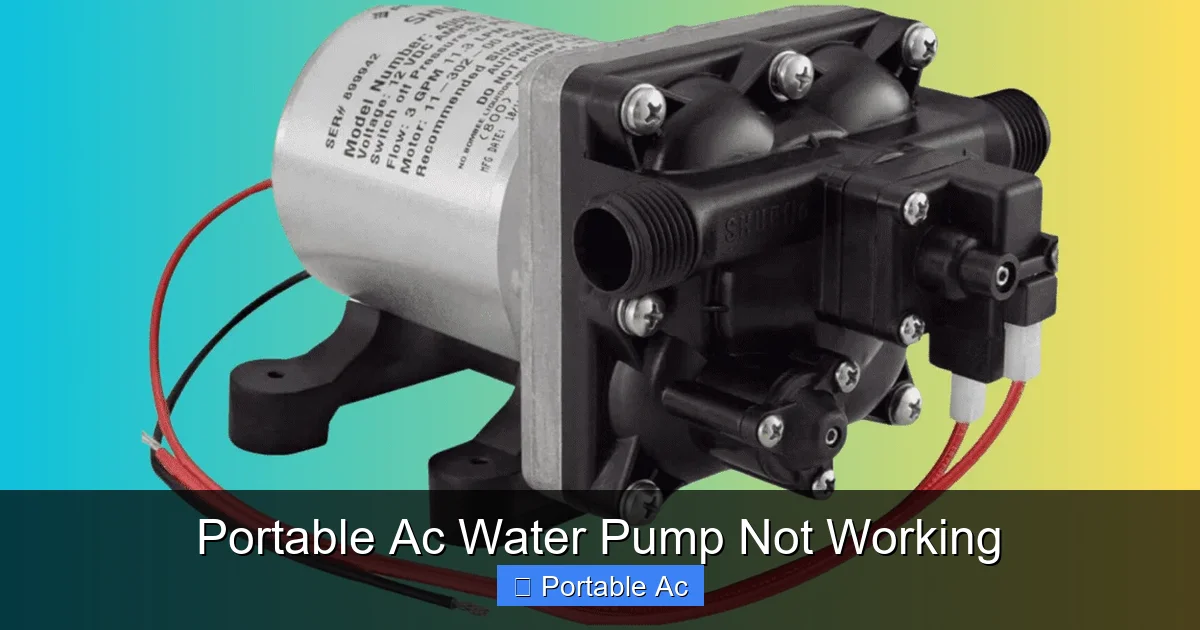
Is your portable AC’s water pump refusing to work? You’re not alone—this frustrating issue stops cooling and causes leaks. In this article, we break down why portable AC water pumps fail and give you step-by-step solutions to fix them fast. From clogged filters to faulty motors, learn how to diagnose and repair the problem so your unit runs efficiently again. Whether it’s a simple reset or a deeper cleaning job, we’ve got practical tips that actually work. Don’t let a broken pump ruin your comfort—get back to cool air today.
You just turned on your portable AC, expecting that refreshing blast of cool air—only to realize the unit isn’t draining properly. Water pools up instead of flowing out, the pump hums but does nothing, or worst of all, your machine starts leaking. Sound familiar? You’re dealing with a classic issue: your **portable AC water pump not working**.
This isn’t just an inconvenience—it’s a sign that something inside your unit has stopped functioning. The water pump is crucial because it removes condensation generated during the cooling process. Without it, moisture builds up, leading to overflow, mold growth, and even damage to your floor or furniture. But don’t panic! Most pump failures are fixable with some basic troubleshooting and care.
In this guide, we’ll walk you through exactly what causes your portable AC water pump to fail, how to diagnose the problem quickly, and most importantly, how to fix it yourself—without calling a technician unless absolutely necessary. Whether you’ve got a Honeywell, LG, Frigidaire, or another brand, these steps apply across the board. By the end, you’ll know how to get your AC running like new again.
Key Takeaways
- Pump failure is often due to clogs or blockages: Mineral buildup, dust, or debris in the drain line or pump chamber prevents water flow and causes the pump to stop working.
- Check the float switch first: A stuck or misaligned float switch can trick the system into thinking the water tank is full, shutting off the pump even when it’s not.
- Power issues are a common culprit: Loose connections, blown fuses, or incorrect voltage can prevent the pump motor from receiving power.
- Descaling solves mineral-related problems: Hard water creates scale that clogs tiny pump components; vinegar rinses or commercial cleaners can restore function.
- Replacing worn parts may be necessary: If the impeller or motor is damaged, no amount of cleaning will fix it—sometimes replacement is the only solution.
- Prevention saves time and money: Regular maintenance like filter cleaning and quarterly descaling keeps your portable AC water pump running smoothly year-round.
Quick Answers to Common Questions
Can I run my portable AC without the water pump?
Technically yes, but only briefly and at low capacity. Running it without proper drainage risks overflow, leaks, and potential short circuits. It’s not recommended for extended use.
How often should I clean my portable AC water pump?
At minimum, clean the drain line and internal components every 3 months. In hard water areas or dusty environments, do it monthly. Consistent maintenance prevents clogs.
What does a failing water pump sound like?
If the motor is weak or jammed, you might hear a faint buzzing or grinding noise instead of a steady hum. No sound usually means a power or switch issue.
Will vinegar really clean mineral buildup?
Yes! White vinegar dissolves calcium and lime scale effectively. Just ensure the solution fully circulates through the entire drain path for best results.
Can I use tap water to flush the pump?
Yes, but only occasionally. Frequent flushing with tap water reintroduces minerals. Use distilled water monthly or alternate with vinegar washes to minimize scaling.
📑 Table of Contents
Why Is My Portable AC Water Pump Not Working?
The water pump in your portable AC is responsible for removing excess moisture from the air conditioning cycle. When warm air passes over the cold evaporator coils, it cools down and releases condensation. That water needs to go somewhere—usually into a drain pan and then pumped out via the water pump. If this process breaks down, you’ll notice water pooling inside the unit or dripping outside.
There are several reasons why your **portable AC water pump not working** situation might occur:
– **Clogged drain lines or pump chambers:** Over time, minerals from hard water or dust and lint accumulate in the narrow tubing and pump housing, blocking water flow.
– **Faulty float switch:** The float switch detects when the internal water tank fills up and signals the pump to turn off. If it’s stuck open or closed, the system behaves incorrectly.
– **Electrical issues:** Power supply problems, loose wiring, or a dead capacitor can prevent the pump motor from starting.
– **Worn-out pump components:** Like any mechanical device, pumps have moving parts (like impellers) that wear out over time.
– **Improper installation or hose kinks:** If the exhaust hose or internal drainage path is bent or blocked during setup, it restricts water movement.
Understanding these root causes helps you target the right fix instead of guessing randomly.
Step-by-Step Diagnosis for Portable AC Water Pump Failure
Before reaching for tools or opening panels, start with a simple visual inspection. Turn off the unit and unplug it from the wall. Look at the base where the drain hose exits—is there visible mold, algae, or debris? Check the water tray inside the unit (usually behind a removable panel). If it’s full but the pump isn’t draining, the problem is likely internal.
Next, listen carefully. When you power the unit back on, do you hear the pump humming? If yes, the motor may be receiving power but not turning. If there’s no sound at all, it could be a power or switch issue.
Now, let’s go deeper:
1. Inspect the Float Switch
The float switch is a small plastic arm that rises with the water level. If it’s stuck downward (due to dirt or misalignment), the system thinks the tank is always full and disables the pump. Gently move the float manually—if it clicks or moves freely, test by filling the tray slightly and watching if the pump activates.
2. Examine the Drain Hose and Internal Tubing
Remove the drain cap (often located near the back or bottom) and shine a flashlight into the hose. Clear any visible gunk with a pipe cleaner or soft brush. Sometimes a simple flush with warm water works wonders.
3. Test the Pump Motor Directly
Using a multimeter, check if the pump receives voltage when powered. If it does but doesn’t spin, the motor is likely burnt out. If no voltage reaches it, trace the wiring back to the control board or fuse.
4. Look for Kinks or Blockages in the Exhaust Path
Even though the hose handles exhaust air, improper routing can affect internal drainage. Ensure all tubes are straight and unobstructed.
By following this diagnostic sequence, you’ll pinpoint whether the issue is mechanical, electrical, or environmental.
Common Fixes for a Non-Functional Water Pump
Once you’ve identified the cause, here’s how to fix it:
Clean the Drain Line and Pump Chamber
Mix equal parts white vinegar and water. Pour 1–2 cups into the drain port and let it sit for 30 minutes. Flush with warm water. For stubborn mineral deposits, use a commercial AC coil cleaner designed for descaling. This prevents future clogs and extends pump life.
Reset the Float Switch Mechanism
Gently tap the side of the unit near the float switch while monitoring the water level. Sometimes a jolt loosens a stuck mechanism. Alternatively, tilt the unit slightly (never upside down) to encourage water flow past a trapped float.
Replace the Water Pump
If the motor shows no signs of life after testing, replacement is your best bet. Most portable AC models use standardized pumps available online. Disconnect old wiring carefully, install the new pump, and reconnect. Always match voltage and amperage specs.
Upgrade to a Self-Draining Model
If pump failures keep happening, consider switching to a portable AC that doesn’t rely on manual pumping—such as those with built-in gravity drains or models reviewed in our Best Portable AC That Does Not Need Draining guide. These eliminate the pump altogether.
Remember: prevention beats repair. Clean your filters every two weeks and perform quarterly deep cleans using the methods above.
When to Call a Professional
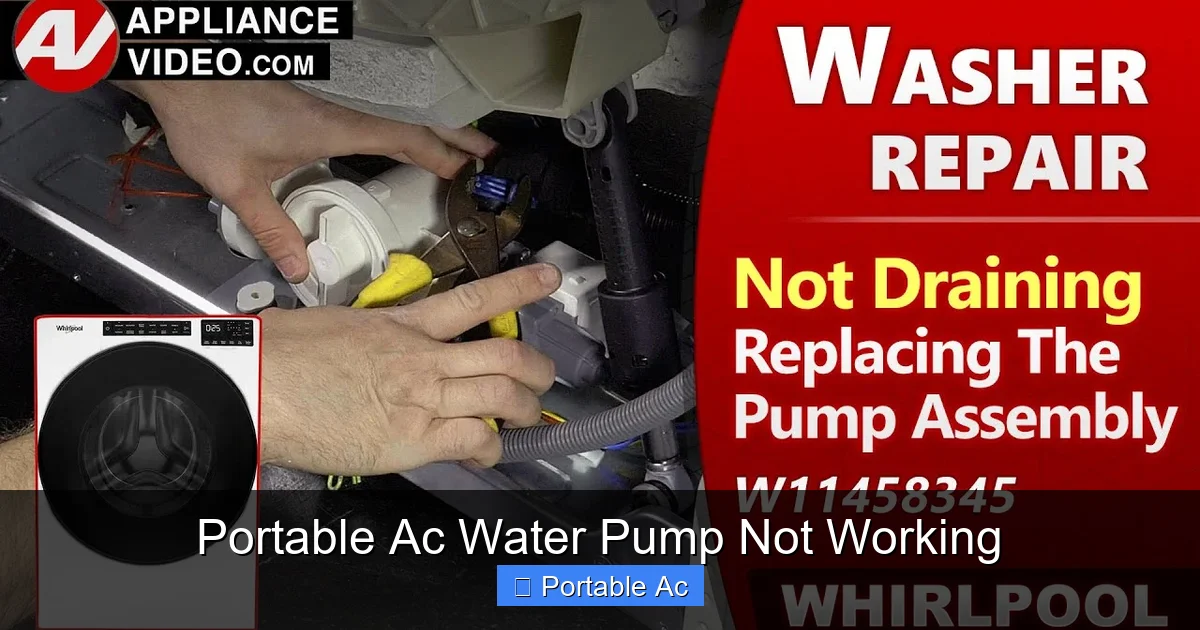
Visual guide about Portable Ac Water Pump Not Working
Image source: i.ytimg.com
While many pump issues are DIY-friendly, some situations require expert help:
– You smell burning or see smoke when the unit runs.
– The control board appears damaged or fried.
– You’re uncomfortable handling electrical components.
– Multiple attempts at fixing fail within a week.
In these cases, contact the manufacturer or a certified HVAC technician. Continuing to run a malfunctioning unit risks further damage or safety hazards.
Preventive Maintenance Tips
Avoid future **portable AC water pump not working** episodes by adopting these habits:
– Weekly filter cleaning: Dirty filters increase humidity and strain the pump.
– Monthly exterior wipe-down: Prevent grime buildup around vents and controls.
– Biannual professional servicing: Schedule a tune-up before summer peaks.
– Use distilled water in humidifiers (if applicable): Reduces mineral deposits.
– Keep the area around the unit dry and ventilated: Ensures proper airflow for both cooling and drainage.
These small efforts pay off in longevity and performance.
Choosing a Reliable Portable AC to Avoid Pump Issues
If you’re shopping for a new unit, prioritize models known for reliable drainage systems. Our Best Portable AC Brands To Trust article highlights manufacturers with strong track records for durability. Also explore units listed in Best Value Portable AC For Money, which balance cost and dependability.
Look for features like:
– Automatic shutoff when water levels rise too high
– Easy-access drain ports for quick cleaning
– Stainless steel or corrosion-resistant internal components
Investing wisely upfront reduces long-term headaches.
Frequently Asked Questions
Why does my portable AC pump run but not drain water?
This typically indicates a clogged drain line or blocked impeller. Clean the internal tubing thoroughly and inspect the pump chamber for debris or mineral buildup.
How do I know if my water pump is burnt out?
If the motor receives power but doesn’t spin, and you’ve ruled out clogs and switches, it’s likely failed internally. Test with a multimeter or replace the pump.
Can dust cause my portable AC water pump to stop working?
Absolutely. Dust accumulates in filters and internal ducts, increasing humidity and restricting airflow. This leads to excess condensation and eventual pump blockage.
Should I replace my portable AC if the pump fails repeatedly?
Only if repairs exceed 50% of the unit’s value. Otherwise, try upgrading to a model with better drainage design, like those featured in our Best Portable AC That Does Not Leak Water guide.
Is it safe to pour water directly into the drain port?
Yes, but only in moderation. Too much liquid at once can overwhelm the pump. Use controlled amounts (1–2 cups) and allow time between flushes.
My portable AC still leaks after fixing the pump—what now?
Leaks often stem from misaligned hoses or cracked internal pans. Double-check all connections and consult the user manual for proper assembly instructions.
